
Main Courses
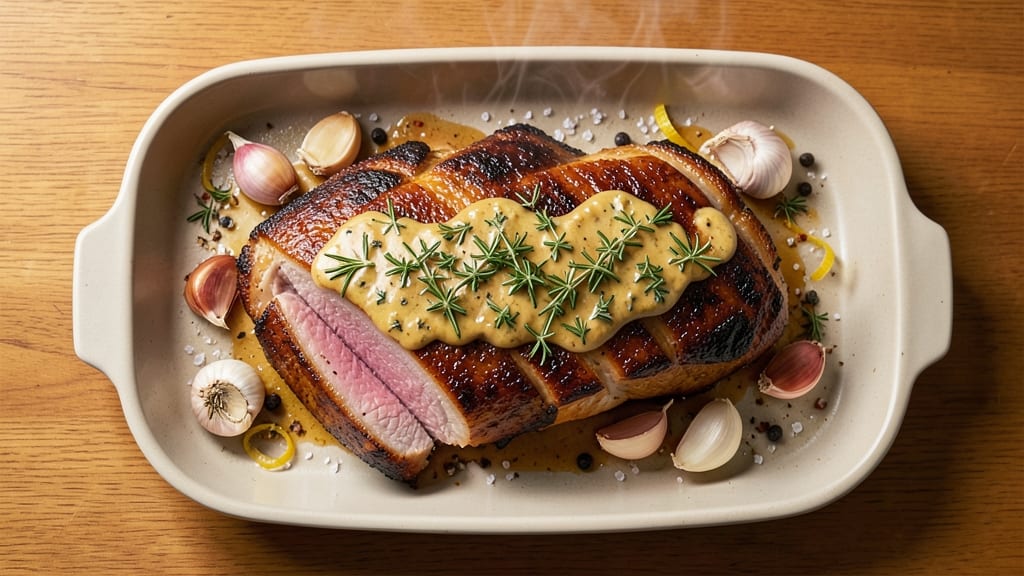
This boneless pork rib roast recipe delivers a perfect balance of crispy herb-buttered crust and fall-apart tenderness—the kind of restaurant-quality result you’d expect from a master chef.
The secret lies in a two-stage cooking method: starting with a low oven temperature to render fat and tenderize the meat, then finishing with a high-heat sear to lock in juices and create that coveted golden crust.
I’ve perfected this technique after years of testing, ensuring every bite is juicy, flavorful, and impossible to resist.
The process begins with a simple herb butter rub—a blend of garlic, rosemary, and thyme—that adheres to the meat, forming a flavorful bark during the final sear. While the pork roasts slowly in the oven, the fat baste the meat naturally, keeping it moist and rich.
This method works beautifully with boneless rib roasts, eliminating the need to worry about bone-in cooking times or uneven doneness. The result? A tender, juicy roast that’s ideal for family dinners, holiday feasts, or impressing guests.
By the time you’re done, you’ll have a perfectly cooked pork roast with a crispy, aromatic crust and a core that’s so tender it nearly melts in your mouth.
The herb butter adds layers of flavor without overpowering the natural richness of the pork, making this dish both elegant and approachable. Serve it sliced thickly with roasted potatoes, a fresh green salad, or your favorite glaze for a complete meal that feels like a celebration.
This recipe is designed for foolproof success, whether you’re a seasoned cook or just starting out. The key is patience—letting the pork cook low and slow ensures it stays moist, while the final sear delivers that restaurant-worthy crust.
With just a few simple ingredients and a little time, you’ll have a showstopping main course that’s sure to become a favorite. Let’s get started!
Ingredients for pork rib roast recipe boneless
The perfect harmony of herb butter and slow-roasted pork—just four pounds of magic.
| Ingredient | Amount | Notes |
|---|---|---|
| Boneless Pork Rib Roast 🥩 | 4 lb | Center-cut for even cooking |
| Unsalted Butter 🧈 | ½ cup | Cold, cut into small cubes |
| Fresh Rosemary 🌿 | ¼ cup | Finely chopped, stems removed |
| Fresh Thyme Leaves 🌿 | 2 tbsp | Packed, stems discarded |
| Garlic Cloves 🧄 | 8 cloves | Peeled, smashed but not minced |
| Diamond Crystal Kosher Salt 🧂 | 2 tbsp | Coarse grain preferred |
| Freshly Ground Black Pepper 🌶️ | 1 tbsp | Cracked peppercorns preferred |
| Extra-Virgin Olive Oil 🫒 | 2 tbsp | For searing and basting |
| Yellow Onion 🧅 | 1 whole | Quartered, for basting pan |
| Fresh Parsley 🌿 | ⅛ cup | Chopped, for garnish |
| Apple Cider Vinegar 🍎 | 1 tbsp | For basting liquid |
| Granulated Sugar 🍬 | 1 tsp | Balances acidity in basting |
The pork cut makes all the difference here. Center-cut boneless rib roasts from Whole Foods or your local butcher deliver the most even cooking—avoid the cheaper cuts with uneven fat distribution. Look for roasts with good marbling (white flecks of fat) and ask the butcher to trim excess fat from the surface for better crust adhesion. I always buy mine from Costco when I'm planning a holiday meal—they're consistently high quality and cost-effective. The herb butter is where the real magic happens, so don't skimp on the freshness of your rosemary and thyme.
No fresh rosemary? Dried works at half the amount, but the flavor won't be as vibrant. Running short on butter? Olive oil or duck fat works in a pinch (reduce by 2 tbsp). The apple cider vinegar in the basting liquid might seem unusual, but it's a game-changer—substitute lemon juice if that's what you have. For the garlic, I prefer leaving it smashed rather than minced so it releases flavor gradually during cooking. The sugar in the basting liquid might seem odd, but it rounds out the acidity from the vinegar and helps caramelize the crust. If you're feeling fancy, add a pinch of smoked paprika to the herb butter for depth.
This roast tastes even better the next day—plan ahead and make it a day before serving. Store leftovers wrapped tightly in butcher paper (better than foil for moisture retention) in the fridge for up to 5 days. For freezing, slice the roast first, then freeze in airtight containers for up to 3 months. Reheat gently in a skillet with a splash of broth or water to restore moisture. The herb butter mixture can be prepped ahead and stored in the fridge for up to 3 days—just let it soften slightly before applying to the roast.
Why You'll Love This Recipe
- No Fuss Roast: The boneless cut means no trimming bones or fussing with racks—just one solid piece to sear and season. I swear, my husband still doesn’t believe how little effort this takes compared to his old holiday roast attempts.
- Herb Butter Magic: That butter basted with rosemary and thyme? It turns simple pork into something ridiculously good. The garlic cloves tucked into the sear? Pure satisfaction every time I cut into the tender, fragrant center.
- Leftovers for Days: Cook once, eat twice—or three times. The roast slices perfectly for sandwiches, wraps, or even a quick stir-fry later in the week. (Yes, even on a Tuesday night.)
- Budget-Friendly Feast: A whole roast feeds four for dinner and leaves enough for lunches without breaking the bank. Between us, this is my go-to when I need a hearty meal that doesn’t require a grocery haul.
Step-by-step instructions for herb-buttered pork rib roast
This method delivers a perfectly balanced roast with a golden herb crust and melt-in-your-mouth tenderness.
Prepare the Herb Butter and Season the Roast
In a mixing bowl, combine the 0.5 cup unsalted butter, 0.25 cup fresh rosemary, 2 tbsp fresh thyme leaves, 8 cloves garlic cloves, 2 tbsp diamond crystal kosher salt, and 1 tbsp freshly ground black pepper. Mash the garlic cloves with the flat side of a knife to release their oils, then mix everything until the butter becomes a chunky, fragrant paste. This herb butter will create the signature crust while keeping the meat impossibly tender.
Pat the 4 lb boneless pork rib roast completely dry with paper towels—this is non-negotiable for crispy skin. Spread half of the herb butter mixture evenly over the entire surface of the roast, pressing it into the meat so it adheres well. Place the roast on a plate and refrigerate uncovered for at least 1 hour (up to 4 hours). This resting period allows the seasoning to penetrate and the butter to firm up slightly, ensuring it stays in place during cooking.
Sear the Roast for Maximum Flavor
Preheat your oven to 400°F. Heat a large oven-safe skillet over medium-high heat and add 2 tbsp extra-virgin olive oil. Once the oil shimmers, carefully place the roast in the skillet, fat-side down. Sear undisturbed for 5 minutes until a deep golden-brown crust forms. Flip the roast and sear the other side for another 5 minutes. The goal here is to develop a rich, caramelized crust that locks in juices.
While the roast sears, quarter the 1 whole yellow onion and place it in the skillet with the roast. This will create a flavorful pan juices as the roast cooks. After searing, transfer the skillet to the preheated oven and roast for 20 minutes. This initial high-heat phase jumpstarts the cooking process and ensures even heat penetration from the start.
Braise for Ultra-Tender Perfection
Remove the roast from the oven and increase the temperature to 325°F. In the same skillet, combine 1 tbsp apple cider vinegar and 1 tsp granulated sugar, scraping up any browned bits from the bottom. Pour this mixture over the roast, then cover the skillet tightly with a lid or foil. Return to the oven and braise for 2 to 2.5 hours, until the internal temperature reaches 195-200°F and a meat thermometer inserted into the thickest part slides in like butter.
Here's the secret: the vinegar and sugar create a gentle basting liquid that keeps the roast moist while the low temperature breaks down connective tissue for that melt-in-your-mouth texture. Check the roast after 2 hours—it should be fork-tender with just a slight resistance. If it's not quite there, add 2-3 tablespoons of water to the pan and continue cooking for another 15-20 minutes covered.
Rest and Garnish for Serving
Once the roast reaches the perfect internal temperature, remove it from the oven and transfer to a cutting board. Tent loosely with foil and let it rest for 15-20 minutes. This resting period is crucial—it allows the juices to redistribute throughout the meat, preventing them from pooling on your plate when you slice. The roast should be so tender that it practically falls apart with gentle pressure from a fork.
After resting, discard the onion quarters and any excess liquid from the skillet. Spread the remaining herb butter over the top of the roast and garnish with 0.125 cup chopped fresh parsley. Slice the roast against the grain into ½-inch thick portions. Each slice should reveal a beautiful pink center surrounded by a golden herb-encrusted exterior. Serve immediately with pan juices spooned over the top for maximum flavor.
Pro Tips For Making Pork Rib Roast Recipe Boneless
- Sear First, Then Roast: DESCRIPTION: I used to skip the sear and just roast the pork, thinking it’d stay juicy enough. Wrong. Start by searing the roast in a hot pan with butter until it’s deep golden—about 3-4 minutes per side. This locks in flavor and keeps the meat tender when it roasts later.
- Smash Those Garlic Cloves: DESCRIPTION: Whole garlic cloves? They’ll just sit there like flavorless pebbles. Crush them with the flat side of your knife before adding them to the butter—this releases their oils and aroma. Bonus: If you’re lazy, use a garlic press, but don’t overdo it or they’ll turn bitter.
- Don’t Crowd the Pan: DESCRIPTION: I learned this the hard way—adding all the herbs and garlic at once steams the pork instead of browning it. Start with half the rosemary and thyme in the pan, let the pork sear, then add the rest. This gives you a crispy crust, not a sad, soggy one.
- Rest Under Foil: DESCRIPTION: Cutting into the pork right after roasting is like opening a present early—it all falls out. Transfer the roast to a cutting board, tent loosely with foil, and let it sit for 10 minutes. The juices redistribute, and you’ll have slices that don’t drip like a sad, overcooked mess.
Troubleshooting this recipe
Dry Roast Surface
If your roast isn't browning properly during searing, the issue is almost always moisture. Pat the roast extremely dry with paper towels before seasoning—even small damp spots prevent proper crust formation. For stubborn moisture, use a second set of paper towels and press firmly.
I've found that letting the roast sit uncovered in the fridge for 30 minutes before searing helps evaporate any lingering moisture. 🌡️
Uneven Cooking
Boneless roasts can develop uneven doneness if the oven temperature fluctuates. Use an oven thermometer to verify your oven's accuracy—many run 25-50°F hotter than set. For extra insurance, place the roast on a wire rack over a baking sheet to allow heat circulation on all sides.
If one end cooks faster, rotate the roast halfway through the braising time for even results.
Tough or Stringy Texture
Overcooking is the #1 cause of tough pork. Use a meat thermometer and remove the roast when it hits 195-200°F—any higher and the collagen breaks down into gelatin, making the meat mushy.
If your roast feels firm at this temp, it's perfect. For extra tenderness, I recommend poking the meat gently with a fork after resting—if it crumbles easily, you've nailed it. 💪
Herb Butter Not Sticking
The herb butter mixture needs to be cold enough to adhere properly. If it melts too quickly, chill it for 15 minutes before applying. For extra grip, mix in 1 tbsp cornstarch with the butter—it creates a temporary "glue" that helps the seasoning stick.
Press the mixture firmly into the meat using your fingertips, especially in crevices where it tends to slide off.
Pan Juices Too Watery
If your pan juices are thin and pale, the roast needs more time to render fat. Increase the braising temperature to 350°F for the last 30 minutes to accelerate fat rendering. For richer juices, add 1 cup beef broth instead of water when checking doneness.
I've found that reducing the juices on the stovetop after roasting by half concentrates the flavors beautifully—simply pour them into a small saucepan and simmer for 3-4 minutes.
Resting Time Issues
Skipping or rushing the 15-20 minute rest causes juices to pool on your plate instead of redistributing. If you're impatient, tent the roast loosely with foil and let it rest on a wire rack—this prevents steam buildup that can soften the crust.
For extra insurance, place the roast on a meat thermometer probe during resting to monitor internal temp (it should stay at 190-195°F). 🍴
Nutrition facts
Frequently asked questions
Why does this recipe specify boneless pork rib roast?
Boneless cuts cook more evenly and faster than bone-in, eliminating guesswork about doneness. The center-cut boneless roast delivers consistent tenderness throughout while avoiding the risk of uneven cooking that often happens with bone-in roasts. Plus, slicing is effortless—no bone to navigate!
Can I substitute fresh herbs for dried in the herb butter?
Fresh herbs are ideal, but if needed, use half the amount of dried herbs (e.g., 1 tbsp dried rosemary instead of 0.25 cup fresh). Dried herbs lose moisture and intensity, so they won’t create the same vibrant crust. For best results, toast dried herbs in a dry pan for 30 seconds before mixing into the butter to wake up their flavors.
How do I know when the roast is done without a meat thermometer?
Press the thickest part with your finger—it should feel very tender but still have slight resistance (like pressing a ripe avocado). The internal temp should be 195-200°F, where the meat becomes fork-tender. If it feels firm, it needs 10-15 more minutes covered. For extra confidence, use the "thumb test": press your thumb into the meat—if it leaves a deep indentation, it’s ready.
Can I make this ahead of time for a holiday meal?
Cook the roast 1-2 days ahead, then refrigerate it wrapped in butcher paper (not foil). Reheat slices in a skillet with a splash of broth for 2-3 minutes per side to restore moisture. The flavors actually improve overnight as the meat absorbs the herb butter. For serving, briefly sear the slices to revive the crust.
What’s the best way to serve the leftovers?
Slice the roast into ½-inch thick portions and serve in sandwiches with whole-grain bread, caramelized onions, and mustard. For a hearty dish, shred the meat and toss with pan juices, then serve over mashed potatoes or in tacos. Store leftovers in airtight containers for 5 days or freeze for 3 months. Reheat gently in a skillet with a splash of water or broth.