
Main Courses
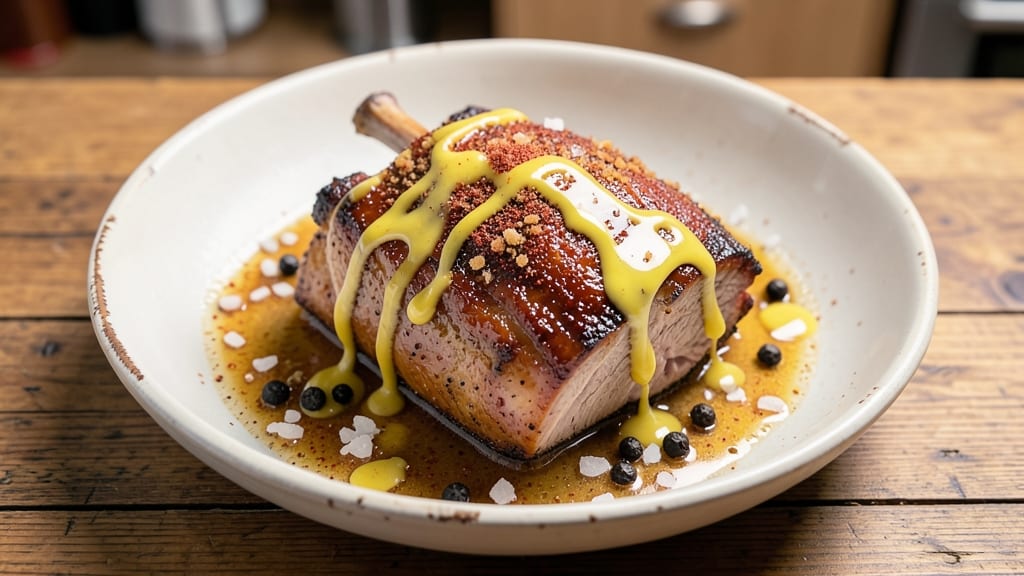
This is the best smoked pork shoulder recipe ever—delivering fall-off-the-bone tenderness with a perfect smoky bark every single time—no guesswork, no failures. After years of experimenting with different rubs, temperatures, and techniques, I've perfected a method that transforms tough pork into melt-in-your-mouth perfection. The secret? A two-stage cook that ensures both texture and flavor harmony.
What sets this recipe apart is the foolproof temperature control—starting low to render fat, then gradually increasing to create that coveted bark. I use a simple but effective dry rub that enhances the natural sweetness of the pork without overpowering it.
The result? Juicy, tender meat that practically disintegrates at the touch of a fork, with a crispy exterior that's packed with smoky flavor.
By the time you're done, you'll have a shoulder that's so tender it falls apart with the slightest pressure, all while maintaining that perfect balance of smokiness and savory depth.
This is the kind of pork that makes people ask for seconds—and thirds. The technique is straightforward, but the results are restaurant-quality, making it perfect for gatherings or meal prep.
Serve with classic sides like coleslaw, cornbread, or roasted vegetables to complete the meal. The leftovers reheat beautifully, too, so you can enjoy this incredible dish throughout the week. Let's get started on creating your best smoked pork shoulder ever.
Ingredients for best smoked pork shoulder recipe ever
Six ingredients for the rub, two for the magic binder—plus the star: pork shoulder.
| Ingredient | Amount | Notes |
|---|---|---|
| Bone-In Pork Shoulder 🐖 | 8 lb | 3.5-4.5 lb per person, trimmed of excess fat |
| Yellow Mustard 🍯 | ¼ cup | For binder, not spicy |
| Brown Sugar 🍚 | ½ cup | Light or dark, packed |
| Smoked Paprika 🌶️ | 2 tbsp | High-quality, not sweet |
| Kosher Salt 🧂 | 1 ½ tbsp | Diamond Crystal preferred |
| Black Pepper 🌶️ | 1 ½ tbsp | Freshly cracked |
| Garlic Powder 🧄 | 1 tbsp | Freshly ground preferred |
| Onion Powder 🧅 | 1 tbsp | For depth |
| Ground Cumin 🌿 | 1 tsp | Toasted for warmth |
| Chili Powder 🌶️ | 1 tsp | Mild, not cayenne |
| Apple Cider Vinegar 🍎 | 1 tbsp | For tang |
| Wood Chips 🌳 | 2 cups | Hickory or oak, soaked |
| Wood Chips 🌳 | 1 cup | Reserve for spritzing |
| Water 💧 | 1 cup | For spritzing |
| Butter 🧈 | ¼ cup | Unsalted, softened |
The pork shoulder is non-negotiable—bone-in, 8 lbs minimum—it's the secret to that fall-apart texture. Look for good marbling at Kroger or Whole Foods; the butcher can trim excess fat if needed. I always buy from local farms when possible, but the grocery store cut works too. Trim the fat cap to about 1/4-inch thickness—this helps the bark form evenly. The shoulder should be cold when you start, so plan ahead if it's coming from room temperature.
No smoked paprika? Substitute 1 tbsp regular paprika plus 1/2 tsp liquid smoke—but trust me, the real stuff makes all the difference. The mustard and vinegar combo is key for that sticky bark. Dijon mustard works in a pinch, but yellow mustard is traditional. For the wood chips, Traeger or Storebrand are reliable; if you can't find hickory, oak or cherry are great backups. The butter at the end? Unsalted, room temp—it's what turns that smoky bark into pure perfection. And yes, you can skip the spritzing, but your pork will thank you for it.
This isn't a leftovers recipe—it's a meal-prep powerhouse. Wrap the cooked shoulder in foil and refrigerate for up to 5 days, or freeze for 3 months. The bark stays crispy if you reheat it low and slow—275°F for 2 hours with a splash of broth. I portion mine into 16-oz containers for easy grab-and-go lunches. The rub? Store it in an airtight container for 3 months—double the batch, you'll use it again.
Why You'll Love This Recipe
- Sweet-Smoky Magic: That caramelized crust? The brown sugar and smoked paprika turn the pork into something dangerously tender with a snap you won’t find anywhere else. Honestly, the first bite makes you question why you ever bought pre-made pulled pork.
- Weeknight to Party: Same rub, same method—whether it’s feeding your family on a Tuesday or impressing guests with a crowd-pleaser. Shred it for tacos, slice it for sandwiches, or serve it whole. It’s the ultimate “I’ve got this” meal.
Step-by-step instructions for fall-off-bones smoked pork shoulder
Here's how to transform that 8 lb pork shoulder into legendary, melt-in-your-mouth perfection.
Prepare the Rub and Season the Meat
In a medium bowl, combine the 0.5 cup brown sugar, 2 tbsp smoked paprika, 1.5 tbsp kosher salt, 1.5 tbsp black pepper, 1 tbsp garlic powder, 1 tbsp onion powder, 1 tsp ground cumin, and 1 tsp chili powder. Mix vigorously until you see no dry spots remaining—this ensures even distribution when you apply it to the meat.
Pat the 8 lb bone-in pork shoulder completely dry with paper towels, then spread the 0.25 cup yellow mustard evenly over the entire surface. This mustard acts as a binder that helps the rub stick and creates a beautiful bark. Press the spice mixture firmly into the meat, making sure to get into all the crevices and around the bone. The rub should look like it's embedded rather than just dusted on.
Soak Wood Chips and Set Up the Smoker
Soak the 2 cups wood chips in a bowl of water for at least 30 minutes before smoking. This prevents them from burning too quickly and creates that clean, blue smoke we want. While they soak, preheat your smoker to 225°F using the soaked wood chips—hickory or oak works perfectly for this recipe.
Once the smoker reaches temperature and you see steady, thin blue smoke (not thick white steam), you're ready. Place the seasoned pork shoulder fat-side up on the smoker grate. The fat will render down and baste the meat as it cooks, creating that incredible bark. Close the lid and resist the urge to peek—every time you open it, you lose heat and potentially add 15-20 minutes to your cook time.
Smoke Low and Slow with Spritzing
Smoke the pork shoulder undisturbed for 6-8 hours, or until the internal temperature reaches 165-170°F. This is where the magic happens—the long, slow cook breaks down the collagen in the connective tissue, transforming it into gelatin that makes the meat incredibly tender. You'll hit "the stall" around this temperature range, where the internal temp stops rising despite the heat.
Here's where the secret comes in: when the temperature hits 165°F, prepare a spritz by mixing 1 cup water and 1 tbsp apple cider vinegar in a spray bottle. Then combine the remaining 1 cup wood chips with 0.25 cup softened butter in a small bowl and mix until fully incorporated. Every 90 minutes after hitting the stall, spritz the pork generously with the water-vinegar mixture, then immediately apply a thin layer of the butter-wood chip mixture. This keeps the bark intact while pushing the meat through the stall and to perfect tenderness.
Wrap and Finish to Probe-Tender Perfection
When the internal temperature hits 203°F and a probe inserted into the thickest part slides in like butter with no resistance, it's time to wrap. Line a large piece of heavy-duty aluminum foil with butcher paper (not plastic—it breathes better), place the pork shoulder on it, and wrap tightly. This technique, known as the "Texas crutch," helps the meat cook through without drying out while maintaining that beautiful bark.
Return the wrapped pork to the smoker and cook until the internal temperature reaches 208-210°F, which should take another 2-3 hours. The meat should be so tender that it practically falls apart when you pull on it. Remove the pork from the smoker and let it rest in the butcher paper for at least 1 hour (I prefer 2 hours) before slicing. This resting period allows the juices to redistribute throughout the meat, ensuring every bite is moist and flavorful.
Slice and Serve with Confidence
Unwrap the pork shoulder and locate the grain direction—you'll see lines running through the meat. Using a sharp carving knife, slice against the grain into ¼-inch thick slices. The meat should be so tender that it practically melts in your mouth, with a dark, smoky bark on the outside and a beautiful pink smoke ring just beneath.
Serve immediately with your favorite sides—crusty bread, coleslaw, or roasted vegetables all pair beautifully. Each slice should be so tender it falls apart with just a gentle pull, and the flavor should be a perfect balance of smoky, sweet, and savory. This is the kind of pork shoulder that makes people ask for seconds—and thirds.
Pro Tips For Making Best Smoked Pork Shoulder Recipe Ever
- Trim the Fat Cap: That thick layer of fat on the bone side? Leave it on—but trim it down to about ¼-inch thick. Too much fat means uneven cooking, and you’ll end up with greasy smoke or a burnt crust. (Yes, even if it looks like you’re ruining the meat—it’s worth it.)
- Mustard First, Then Sugar: Slather the yellow mustard on before the brown sugar mix. The sugar sticks better to the meat when it’s got that sticky mustard base, and you’ll avoid clumpy, falling-off crusts. I used to skip this, and half my seasoning would flake off during the smoke.
- Don’t Rush the Stall: When the internal temp hits 150°F and the probe temp drops, resist the urge to crank the heat. The stall is your friend—just add a spritz of apple juice or water and let it ride. I learned this the hard way after pulling pork at 190°F and ending up with dry, sad slices.
- Salt the Night Before: Generously coat the pork shoulder in kosher salt and refrigerate uncovered for 12–24 hours. The salt draws out moisture, then reabsorbs it, locking in flavor and making the bark crispier. (I know, it’s an extra step—but your pull-apart texture will thank you.)
Perfect pairings for this dish
Classic BBQ Sides
Nothing complements smoked pork shoulder like classic BBQ sides that cut through the richness.
I always serve creamy coleslaw—shred 2 large heads cabbage and 1 carrot, then toss with ½ cup mayonnaise, 2 tbsp apple cider vinegar, 1 tbsp sugar, and 1 tsp celery seed. The tangy crunch balances the smoky pork beautifully. 🥬
For a heartier option, try cornbread muffins with a hint of jalapeño. Mix 1 cup cornmeal, 1 cup flour, 1 tbsp baking powder, ½ tsp salt, and 1 jalapeño (seeds removed) into the batter.
The slight heat and sweetness make every bite irresistible. I bake them in a Wilton muffin pan for perfect golden-brown tops.
Pacific Northwest Twist
Since I'm in Portland now, I love adding roasted garlic mashed potatoes with a touch of smoked paprika. Boil 2 lbs Yukon Gold potatoes, mash with ½ cup butter, ½ cup sour cream, and 2 roasted garlic cloves.
Finish with 1 tsp smoked paprika and a pinch of salt. The earthy flavors pair perfectly with the smoky pork. 🌿
Drink Pairings
For a refreshing contrast, serve sweet tea with a splash of lemon juice and 1 tbsp honey. The Southern staple cuts through the richness while complementing the smoky notes.
If you prefer beer, a hazy IPA like The Bruery's Hazy Little Thing adds a citrusy brightness that cleanses the palate. 🍺
For a non-alcoholic option, try sparkling apple cider—chill 2 cups cider with 1 tbsp apple cider vinegar and 1 tsp cinnamon. The effervescence and tartness make it a perfect match for the rich, smoky pork.
I often make a big batch and keep it in the fridge for the whole weekend.
Nutrition facts
Frequently asked questions
Why does this recipe say to smoke the pork to 208°F instead of 165°F?
Smoking to 208°F (probe-tender) transforms the tough pork shoulder into melt-in-your-mouth perfection by fully breaking down collagen into gelatin. Stopping at 165°F leaves it chewy. The two-stage cook (low-and-slow then wrap) ensures juicy meat with that coveted bark.
Can I use a different wood chip flavor besides hickory or oak?
Yes! Cherry adds fruity sweetness, pecan brings nutty depth, or mesquite for bold smokiness. Just avoid pine—it tastes bitter. For this recipe, stick with hickory or oak for classic BBQ flavor, but experiment with others for unique twists.
What's the best way to reheat leftovers without drying them out?
Wrap slices in foil with a splash of broth and reheat at 275°F for 10-15 minutes. Never microwave—it turns pork rubbery. For sandwiches, toast the bread first to keep everything warm. Leftovers stay tender for 5 days refrigerated or 3 months frozen.
Do I really need to spritz with butter and wood chips?
The butter-wood chip mix creates that legendary bark while keeping the meat moist during the stall. Skip it, and you'll get dry exterior or stuck-in-stall pork. If you forget, just add extra spritzing with apple cider vinegar and water—it still works, but the bark won't be as perfect.
How do I know when the pork is done without a meat thermometer?
Press the thickest part with tongs—if it feels like butter and the juices run clear, it's ready. The bark should be dark and crispy, and the meat should pull apart easily. For extra confidence, cut into the bone end—if it's tender, the whole shoulder is cooked through.