
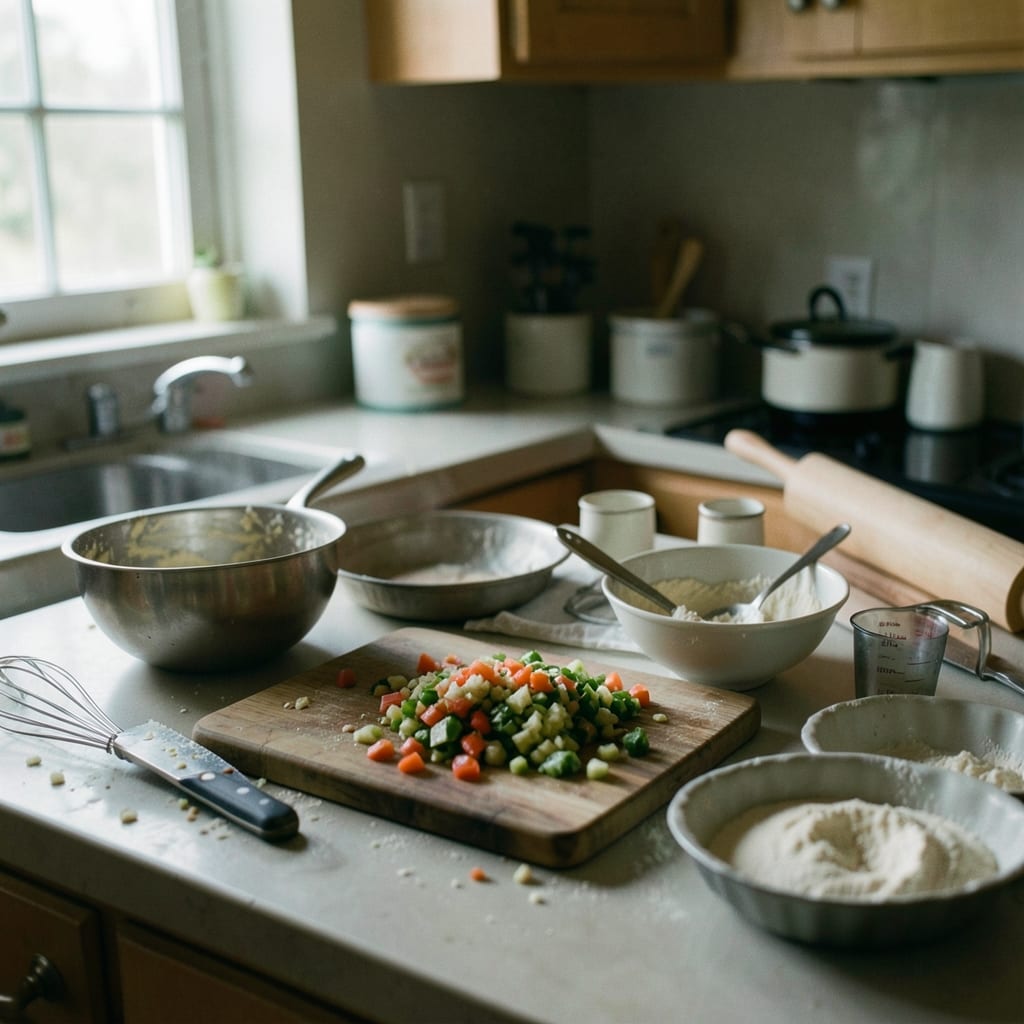
What this work is made with
This page is not a story. It is a list of things—the tools, the hands, the wear—that shape every recipe here. A site about rice isn’t just about grains and techniques; it’s about the objects that turn those grains into something you can taste, touch, and remember.
Rice Recipes Bite is built around the idea that the best dishes depend on more than ingredients. They depend on the things that hold them, shape them, and sometimes break under the weight. Here’s what’s in the drawer.
The things that do the work
Four objects decide what lands on the page. A pan that’s seen too many batches of risotto. A wooden spoon that’s lost its handle but still stirs. A cloth that’s stained with every spice this kitchen has ever used.
And a stone, smooth from years of grinding grains that never quite turned out right. None of them are perfect. All of them are essential.
The cast-iron pan
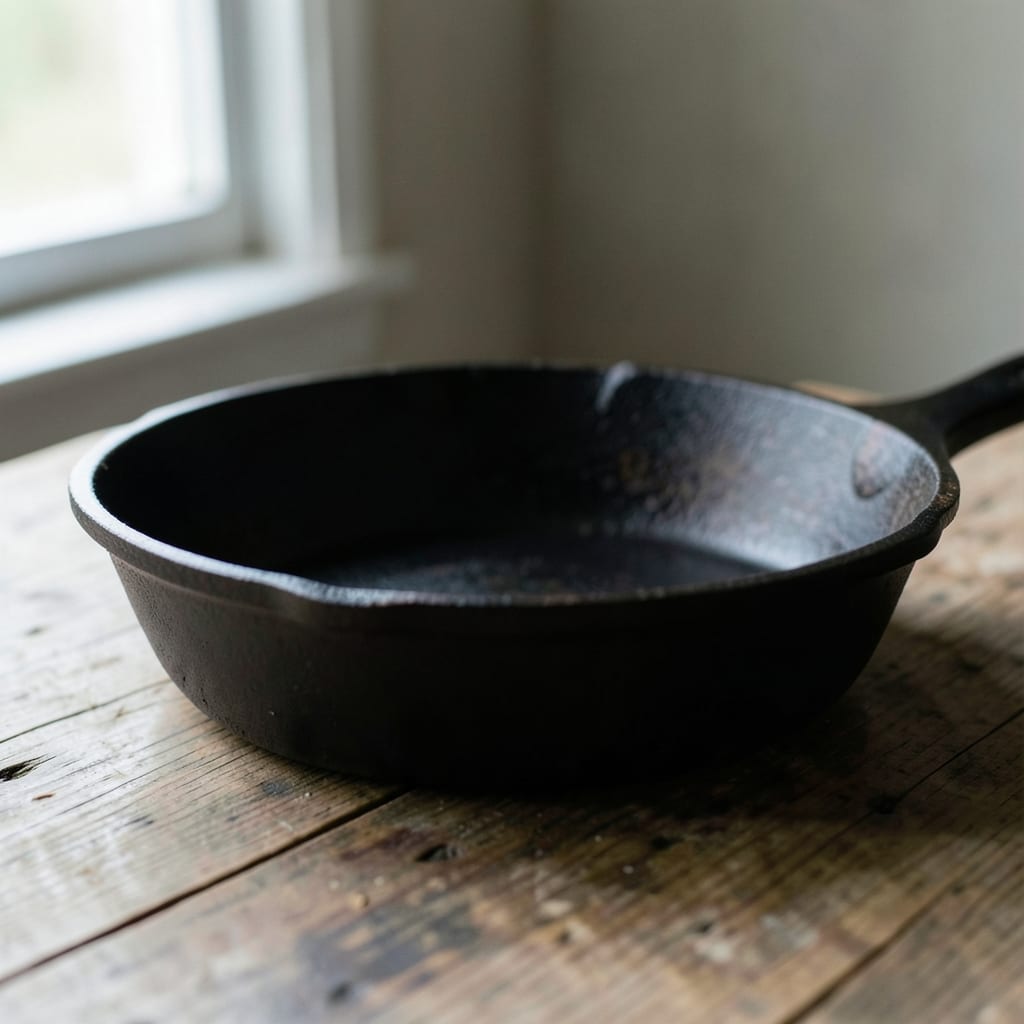
A 28cm pan with a warped base, bought secondhand in 2017. The enamel is chipped in three places, and the handle has been rewrapped twice with new wire after the original rusted through. It’s the only pan that can hold a batch of biryani without burning the edges.
It taught us that rice doesn’t need a nonstick surface—just patience. The first time we tried toasting grains in it, half stuck to the bottom. Now, we grease it just enough to let the rice sear without clinging, and the charred bits are part of the flavor.
It’s ruined three other pans trying to replace it, but this one stays.
The wooden spoon
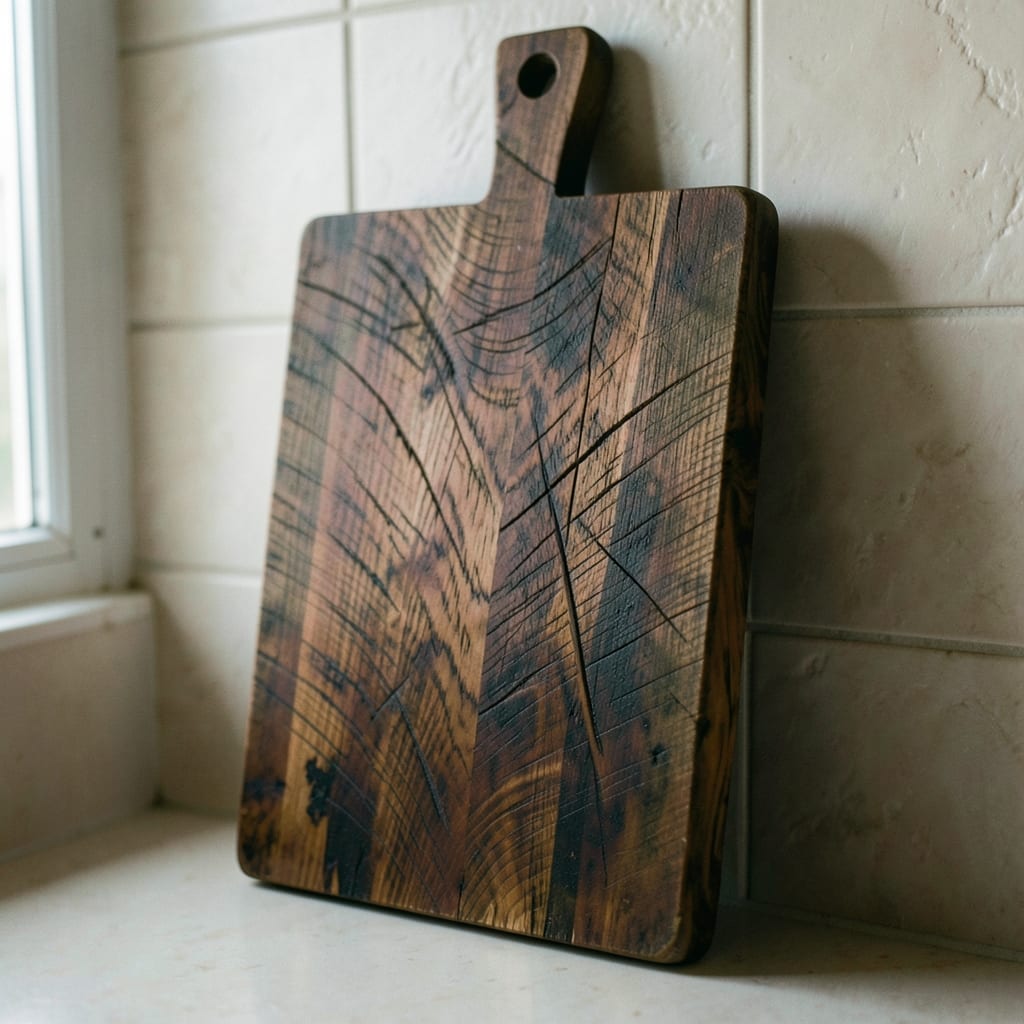
A 30cm spoon with a split handle, held together by frayed twine. The wood is maple, the kind my grandmother used, and the bowl is worn smooth from stirring batches of pilaf that turned out too dry.
The handle broke in 2020, but we kept it because no plastic or metal spoon moves rice the same way.
It taught us that rice needs to be folded, not stirred. The first time we used a metal spoon, the grains shattered into mush. This spoon lets you lift and turn, so the grains stay whole and the sauce clings.
The twine is coming loose again, but we’ll rewrap it—just like we always have.
The linen cloth
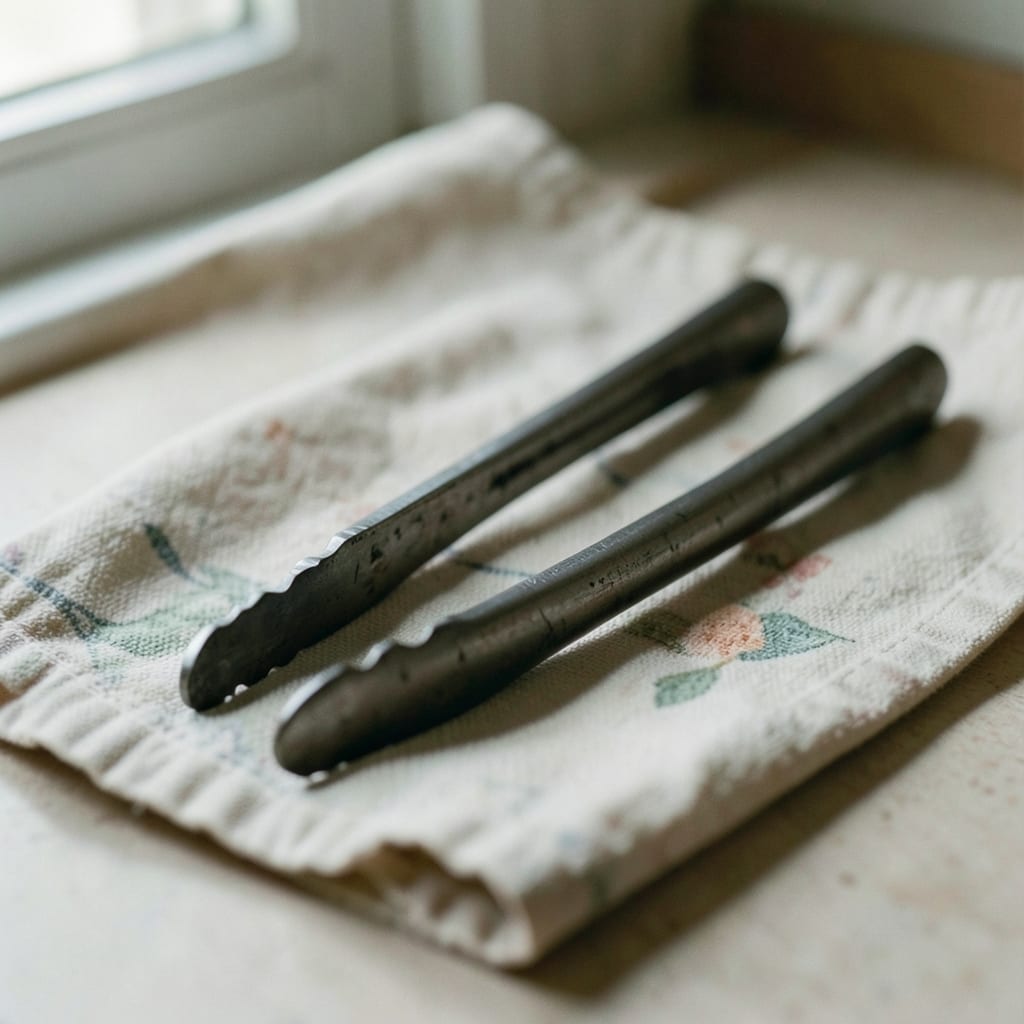
A 50x50cm cloth, dyed an indeterminate brown from years of absorbing turmeric, cumin, and burnt garlic. It’s been washed so many times the edges are frayed, and it still smells like the last dish it dried.
We use it for everything: lining baskets, wrapping hot rice, catching drips from the colander.
It taught us that rice needs to breathe. The first time we steamed a batch wrapped in plastic, the grains came out gummy. This cloth lets steam escape while keeping the heat in, so the rice stays fluffy.
It’s held together with more holes than fabric, but it’s the only thing that works for drying grains without leaving them damp.
The river stone
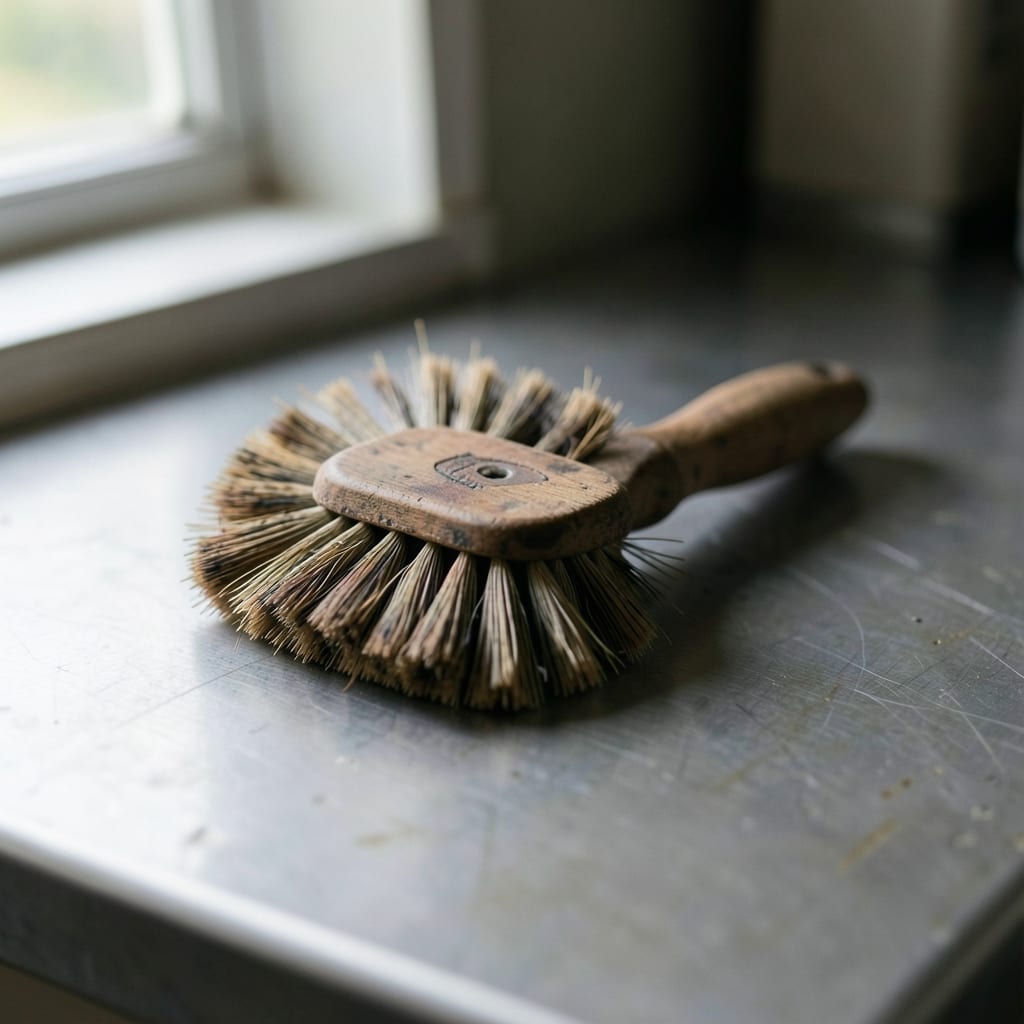
A 15cm river stone, smooth from decades of tumbling in water. It’s been in this kitchen since 2015, used to weigh down cloths or crush garlic when a knife won’t do. It’s heavier than it looks, and the surface is pitted from years of use.
It taught us that rice doesn’t need precision—just balance. The first time we measured grains by volume, the textures were all wrong. This stone lets us judge weight by feel, so we know when a batch is light enough to toast or heavy enough to hold sauce.
It’s the only tool that doesn’t lie about measurements.
What is not in the drawer
Some things are left out by choice. This work doesn’t depend on them.
Deliberately absent
- A rice cooker—rice is more than a button press.
- Pre-measured packets—every recipe here is built to scale.
- A thermometer—heat is judged by eye and experience.
- Brand-new tools—some of the best dishes come from imperfect ones.
Behind the scenes

I am Lionel Vandergriff, the founder and editor of Rice Recipes Bite. I’m the one who decides which recipes stay, which get scrapped, and which get tested again. I’m also the one who burns rice more often than I should admit.
I came to this from my grandmother’s kitchen, where rice wasn’t just food—it was the center of every meal. She handed me her cast-iron pan when I was twelve, and I’ve been learning from its mistakes ever since.
The first batch I made in it stuck to the bottom so badly I cried. Now, I know why.
This work has given me a habit of noticing grains. In restaurants, in grocery stores, even in other people’s kitchens—I see the way rice is handled, and I can tell if it’s been loved or just thrown together. I can’t stop noticing, even when I’m not cooking.
I’m here to make sure every recipe on this site works the first time, even if it means testing it three times. That’s what these tools—and these hands—are for.
Why any of this matters to you
These things aren’t just part of the process. They’re why the recipes here taste the way they do. The pan’s uneven heat gives rice a crisp edge. The wooden spoon keeps grains whole. The cloth ensures rice stays dry. The stone teaches balance. Every detail matters, even the worn-out ones.
When you read a recipe here, you’re not just following steps. You’re using the same tools, the same lessons, the same mistakes that shaped them. That’s the difference between a dish and something you’ll remember.
Every recipe here is built around real tools, not perfect ones. That’s why they work—and why they taste like something you’d make yourself.
The recipes are grouped by category: Appetizers, Beverages, Breakfast & Brunch, Desserts, Main Courses and Salads.