
Main Courses
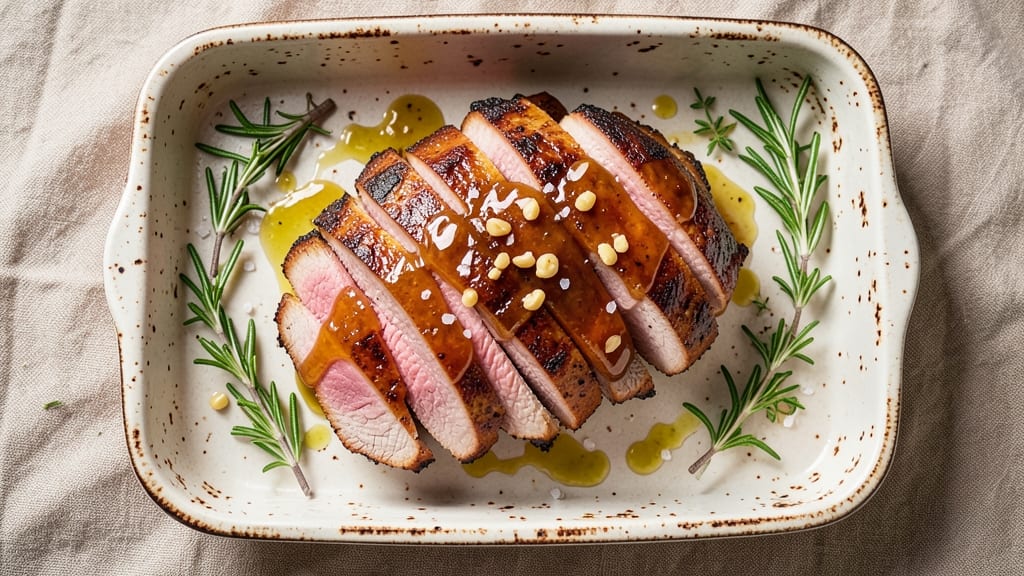
This best roasted pork tenderloin recipe ever delivers melt-in-your-mouth perfection with a honey-mustard glaze that locks in every drop of moisture. After years of testing—including one disastrous Thanksgiving where I nearly set off the smoke alarm—I perfected this method that transforms tough tenderloin into restaurant-quality centerpiece.
The secret? A simple marinade and high-heat roasting technique that guarantees juicy results every time.
What sets this apart is the honey-mustard glaze, which caramelizes beautifully during roasting while keeping the meat impossibly tender. You'll start with a basic seasoning of garlic, rosemary, and thyme, then finish with that sticky-sweet glaze that adds depth without overpowering the natural pork flavor.
The key is roasting at 425°F for just 25 minutes, ensuring a golden crust while maintaining a perfect internal temperature of 145°F.
By the time you carve into this tenderloin, you'll have a dish that's crispy on the outside, juicy and tender throughout, and glistening with that irresistible glaze.
It's the kind of pork that disappears from plates before the sides even make it to the table—a guaranteed crowd-pleaser for holidays, dinner parties, or your next family gathering. The best part? This recipe delivers on its promise without requiring fancy techniques or expensive equipment.
Pair it with roasted potatoes and green beans for a complete meal, or serve with crusty bread to soak up every last bit of that honey-mustard goodness. Here's how to make it—once you try this, you'll never settle for anything less than the best roasted pork tenderloin ever.
Ingredients for best roasted pork tenderloin recipe ever
The secret to melt-in-your-mouth pork tenderloin lies in these precise ingredients and honey-mustard magic.
| Ingredient | Amount | Notes |
|---|---|---|
| Pork Tenderloin 🐖 | 1 ½ lb | Center-cut, trimmed of silver skin |
| Honey 🍯 | ¼ cup | Wildflower or clover preferred |
| Dijon Mustard 🥄 | ⅛ cup | High-quality, no additives |
| Extra-Virgin Olive Oil 🫒 | ⅛ cup | For glaze and marinade |
| Fresh Rosemary 🌿 | ¼ cup | Finely chopped, stems removed |
| Fresh Thyme 🌿 | ⅛ cup | Leaves only, finely chopped |
| Garlic Cloves 🧄 | 6 cloves | Minced, not pre-minced jar |
| Kosher Salt 🧂 | 1 ½ tsp | Diamond Crystal preferred |
| Freshly Ground Black Pepper 🌶️ | ¾ tsp | Coarse grind preferred |
| Apple Cider Vinegar 🍎 | 1 tbsp | For glaze brightness |
| Fresh Parsley 🌿 | 0.1 cup | Chopped, for garnish |
The pork tenderloin is non-negotiable—center-cut and trimmed for perfect texture. Grab one from the butcher counter at Whole Foods or Costco for the best quality, or check the meat department for pre-trimmed options. Look for even grain and good marbling—this ensures that juicy, restaurant-quality result. If your tenderloin is uneven, trim it to an even shape before seasoning. The rosemary and thyme should be fresh from the market (the dried stuff just won't cut it here), and the garlic? Mince it yourself—pre-minced has no flavor. For the honey, local wildflower adds depth, but clover works in a pinch.
No Dijon mustard? Whole-grain mustard thinned with a splash of water works, though it won't be as smooth. Short on fresh herbs? Dried rosemary at half the amount gets you close, but the flavor won't be the same. The apple cider vinegar is key for that bright, tangy glaze—substitute lemon juice if needed. For the olive oil, avoid the cheap stuff—this is where you taste the difference. If you're prepping ahead, make the glaze up to 3 days in advance and store it in the fridge. The parsley is just for garnish, but if you're feeling fancy, add a sprinkle of smoked paprika to the glaze for extra depth.
This glaze is best made fresh, but if you're prepping ahead, store the components separately—honey, mustard, vinegar, and oil keep for weeks in the pantry. The tenderloin itself should sit at room temperature for 20-30 minutes before roasting for even cooking. Once roasted, it reheats beautifully—cover with foil and warm in a 300°F oven for 10 minutes. Leftovers? Slice and store in an airtight container for up to 4 days, or freeze for 3 months. Trust me, the second day is even better as the flavors meld.
Why You'll Love This Recipe
- Here’s what sold me: the caramelized honey glaze meets the sharp tang of Dijon, then the rosemary adds that earthy punch. It’s not just flavor—it’s ridiculously good in every bite, with that crispy edge and juicy center.
- I’ll be real: pork tenderloin isn’t cheap, but this recipe stretches it far. The leftovers reheat beautifully for sandwiches or salads, and the glaze? Even better the next day. That’s my secret weapon for making a fancy cut feel like a smart buy.
Step-by-step instructions for roasted pork tenderloin with honey-mustard glaze
This method guarantees melt-in-your-mouth tenderness with a caramelized glaze that locks in every drop of moisture.
Prepare the Herb Marinade and Glaze
In a small bowl, whisk together the 0.25 cup honey, 0.125 cup Dijon mustard, 0.125 cup extra-virgin olive oil, 0.25 cup finely chopped fresh rosemary, 0.125 cup finely chopped fresh thyme, 6 minced garlic cloves, 1.5 tsp kosher salt, 0.75 tsp freshly ground black pepper, and 1 tbsp apple cider vinegar. The vinegar brightens the honey and balances the richness of the mustard, while the fresh herbs infuse deep aromatic notes.
Let the marinade sit for 10 minutes at room temperature to allow the flavors to meld. This brief resting period ensures the herbs release their oils and the honey achieves the perfect consistency for glaze application. The mixture should be smooth with no visible herb stems—strain it if needed for a refined finish.
Season and Rest the Pork Tenderloin
Pat the 1.5 lb pork tenderloin dry with paper towels—this is critical for achieving a crisp exterior. Using your hands, gently massage the herb marinade all over the meat, coating it evenly. The tenderloin should glisten slightly from the olive oil, which helps create that beautiful caramelized crust.
Place the marinated pork on a wire rack set over a rimmed baking sheet. Let it rest at room temperature for 30 minutes before roasting. This step prevents temperature shock in the oven, ensuring even cooking from edge to center. While it rests, preheat your oven to 400°F—this high temperature will give you that perfect balance of crispy exterior and tender interior.
Roast Until Internal Temperature Reaches 145°F
Roast the pork tenderloin on the middle rack for 20-25 minutes, rotating the baking sheet halfway through for even browning. You'll know it's ready when the internal temperature reaches 145°F on a meat thermometer inserted into the thickest part. The exterior should be deep golden brown with some caramelization at the edges—this indicates the glaze has begun to set.
Here's the thing—don't overcook it. Pork tenderloin is lean and dries out quickly if pushed past 145°F. Remove it from the oven when the thermometer reads 140°F and let it carry over to 145°F during the resting period. This technique guarantees juicy, fork-tender meat every time.
Apply the Glaze and Rest for Maximum Juiciness
Immediately after removing the pork from the oven, increase the heat to broil and place the baking sheet on the top rack. Pour any accumulated pan juices over the pork, then brush the surface generously with the reserved marinade. Watch closely—broiling for 2-3 minutes will caramelize the glaze beautifully, creating that signature sticky, glossy finish.
Transfer the pork to a cutting board and tent loosely with aluminum foil. Let it rest for 10-15 minutes before slicing. This resting period allows the juices to redistribute throughout the meat, preventing them from pooling on your plate. The glaze will thicken slightly as it cools, becoming even more flavorful.
Slice and Garnish for Presentation
Slice the pork tenderloin into ½-inch thick medallions against the grain for maximum tenderness. Arrange the slices on a warm serving platter and drizzle with any remaining glaze from the baking sheet. Sprinkle generously with 0.1 cup chopped fresh parsley for a pop of color and freshness.
Serve immediately with roasted vegetables or a simple green salad to complement the rich, caramelized flavors. Each bite should deliver perfectly balanced sweetness from the honey, tang from the mustard, and aromatic depth from the herbs—this is why this method delivers the best roasted pork tenderloin you've ever tasted.
Pro Tips For Making Best Roasted Pork Tenderloin Recipe Ever
- USE A MEAT THERMOMETER: I learned this the hard way—pork tenderloin looks done when it’s still dry as a bone. Aim for 145°F internal temp (150°F if you prefer it extra juicy), and pull it out before it hits 155°F—it’ll keep rising 5°F while resting. No guessing, no overcooking.
- SALT THE PORK 40 MINUTES EARLY: This isn’t just seasoning—it’s flavor insurance. Sprinkle kosher salt all over the tenderloin (about 1 tsp per pound) and let it sit uncovered in the fridge while you prep. The salt breaks down proteins, and the surface dries slightly, which means a better crust when you roast it. (Yes, even if you’re impatient like me.)
- BRUSH WITH MUSTARD AND HONEY IN STAGES: Don’t dump the entire honey-Dijon mix on at once—it’ll burn before the pork cooks through. Brush half the glaze on after searing (if you sear) or halfway through roasting, then finish with the rest in the last 10 minutes. The sugar caramelizes properly, and you won’t end up with a bitter, charred mess.
- REST IT UNDER FOIL FOR 10 MINUTES: Skipping this step is how you end up with juices pooling on the cutting board instead of in the meat. Tent the rested pork with foil for those 10 minutes—it traps heat and lets the fibers relax. Slice against the grain after resting, and you’ll get clean cuts every time. (Your future self will thank you.)
Best sauces and condiments for best roasted pork tenderloin recipe ever
Classic Honey-Mustard Glaze
The honey-mustard glaze in this recipe is the star—sweet, tangy, and perfectly balanced. The Dijon mustard adds depth while the apple cider vinegar brightens the honey, creating a glossy finish that caramelizes beautifully during broiling.
For extra richness, I sometimes add 1 tsp of brown sugar to the glaze before broiling—it deepens the caramelization without overpowering the pork's natural flavor. 🍯
Herb Butter Sauce
For a creamy alternative, whip together ¼ cup softened butter, 2 tbsp fresh parsley, 1 tbsp fresh thyme, 1 minced garlic clove, and a pinch of salt. Dollop small spoonfuls over each slice of pork tenderloin before serving.
The butter melts into the warm meat, creating a luxurious sauce that pairs perfectly with the honey-mustard glaze. I love this for special occasions when I want to impress guests. 🌿
Spicy Chipotle Glaze
Craving heat? Swap the honey-mustard glaze for a smoky chipotle version by mixing ¼ cup adobo sauce (from canned chipotles), 2 tbsp honey, 1 tbsp lime juice, and 1 tsp smoked paprika.
Brush this over the pork during the final 2 minutes of broiling—the chipotle adds a slow-building heat that complements the pork's natural richness. Serve with extra lime wedges for a zesty kick. 🌶️
Red Wine Reduction
For a sophisticated touch, reduce ½ cup dry red wine (like Cabernet Sauvignon) with 1 tbsp butter and 1 tsp fresh rosemary until syrupy. Drizzle over sliced pork tenderloin tableside for an elegant presentation.
The wine's acidity cuts through the pork's richness, while the rosemary ties back to the original herb marinade. Perfect for dinner parties when you want to elevate the dish without extra effort. 🍷
Garlic-Herb Compound Butter
Mix ½ cup softened butter with 3 minced garlic cloves, 1 tbsp chopped rosemary, 1 tsp kosher salt, and ½ tsp black pepper. Shape into a log, wrap in parchment, and chill for 30 minutes.
Slice thin pieces onto each serving of pork tenderloin—it melts into the meat, infusing every bite with garlic and herb flavor. This is my go-to for quick weeknight dinners when I want flavor without fuss. 🧄
Apple Cider Glaze
Simmer ½ cup apple cider with 2 tbsp honey and 1 tsp cinnamon until reduced by half. Brush this over the pork during the final 3 minutes of roasting for a warm, autumnal twist.
The cinnamon adds subtle warmth, while the apple cider enhances the pork's natural sweetness. Serve with roasted apples or pears for a cohesive fall menu. 🍎
Nutrition facts
Frequently asked questions about perfect roasted pork tenderloin
Can I use pork tenderloin from the store that's already been trimmed?
Most store-bought tenderloins are pre-trimmed, but always check for any remaining silver skin or uneven edges. If you find any, use kitchen shears to trim it evenly before seasoning. The key is working with a clean, smooth surface for even cooking and better glaze adhesion.
What if my oven doesn't have a broiler function?
No problem—simply increase your oven temperature to 500°F for the final 2-3 minutes to achieve the same caramelization effect. Place the pork on the top rack and watch closely to prevent burning. The high heat will still create that beautiful sticky glaze without needing a dedicated broiler.
How do I know when the pork is fully cooked without a meat thermometer?
Cut into the thickest part—it should be slightly opaque in the center with clear juices that run pale pink, not red. The internal temperature should reach 145°F, but if you don't have a thermometer, use the 3-minute rule: Let the pork rest for 3 minutes after removing from 140°F (it will rise 5°F during resting). For extra safety, slice into a small piece and check the color.
Can I make this recipe ahead of time?
Yes! Prepare the honey-mustard glaze up to 3 days ahead and store it in the fridge. For the pork, roast it completely (up to 2 days ahead), then refrigerate in an airtight container. Reheat by covering with foil and warming in a 300°F oven for 10 minutes. The flavors actually improve overnight as the glaze sets. Slice just before serving for the best texture.
What's the best way to reheat leftovers?
Slice the pork tenderloin into medallions and reheat in a skillet over medium heat with a splash of water or broth for 2-3 minutes per side until warmed through. The skillet method keeps it moist and adds a nice sear. For oven reheating, cover with foil and warm at 300°F for 10 minutes. Never microwave—it makes the meat rubbery.