
Main Courses
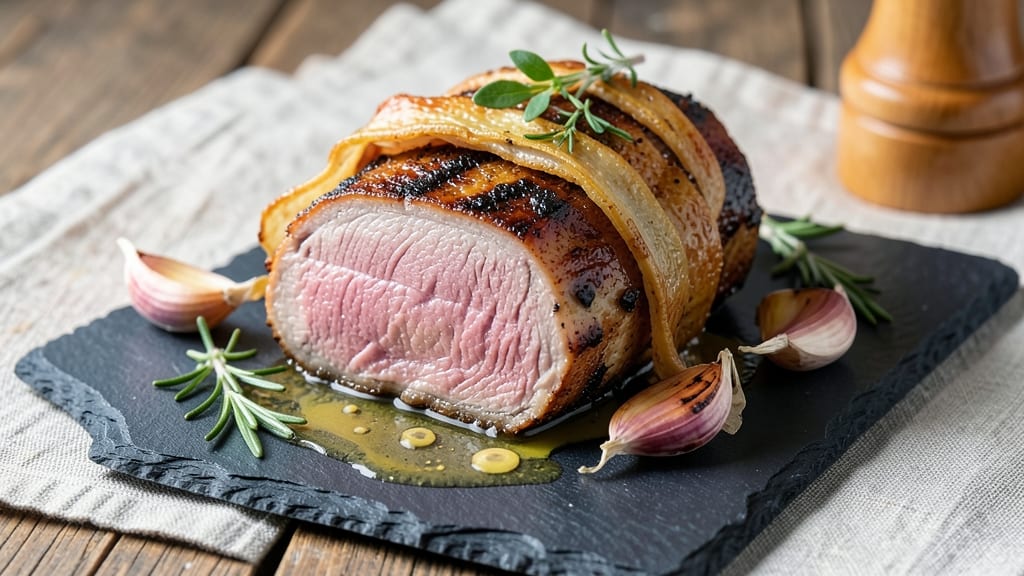
This boneless pork loin rib half recipe delivers the perfect balance of seared crust and juicy pink centers—exactly what transforms a weeknight dinner into a restaurant-worthy meal. 🔥 After years of perfecting pork cuts in my Atlanta kitchen, I've cracked the code for achieving that coveted contrast: a caramelized exterior that shatters with each bite, while the interior remains tender and moist.
The secret lies in precise temperature control and a simple seasoning approach that lets the pork's natural richness shine.
What makes this recipe stand out is its foolproof technique that works for both home cooks and seasoned chefs. We'll start with a dry brine to enhance flavor and moisture retention, then sear the pork in a hot cast iron skillet to develop that signature crust.
The key is patience—allowing the meat to cook slowly to an internal temperature of 140°F for medium-rare, then resting before slicing. This method ensures you'll never end up with dry pork again, no matter how thick your cut.
By the time you serve this dish, you'll have perfectly cooked pork loin with a golden-brown crust that gives way to tender, juicy meat inside. The slices hold their shape beautifully, making it ideal for serving with roasted vegetables or a fresh herb salad.
This recipe is designed to impress without requiring fancy equipment or complicated techniques—just attention to detail and a little time.
Whether you're cooking for a family gathering or treating yourself to a special meal, this pork loin rib half recipe delivers consistent, professional-quality results every time. The method scales beautifully, so you can adjust the quantity based on your needs.
Let's get started on creating a dish that will have everyone asking for seconds.
Ingredients for boneless pork loin rib half
Nine simple ingredients for restaurant-quality pork with perfect crust and juicy pink centers.
| Ingredient | Amount | Notes |
|---|---|---|
| Boneless Pork Loin Rib Half 🥓 | 2 lb | Center-cut, 1.5-2 inches thick |
| Kosher Salt 🧂 | 1 ½ tbsp | Diamond Crystal preferred |
| Freshly Ground Black Pepper 🌶️ | 1 tsp | Freshly cracked for best flavor |
| Extra-Virgin Olive Oil 🫒 | 2 tbsp | High smoke point preferred |
| Unsalted Butter 🧈 | 2 tbsp | Cold, cut into small pieces |
| Garlic Cloves 🧄 | 4 cloves | Minced, for dry brine |
| Fresh Rosemary 🌿 | ½ tsp | Finely chopped, stems removed |
| Fresh Thyme Leaves 🌿 | ½ tsp | Fresh preferred, dried works |
| All-Purpose Flour 🌾 | 1 tbsp | For dredging pan |
The pork loin rib half is non-negotiable here—center-cut and 1.5-2 inches thick is ideal for even cooking. I always grab mine from Whole Foods or my local butcher shop because they carry quality cuts with good marbling. Look for a piece that's firm to the touch and has a vibrant pink hue. If you're buying a whole loin, ask the butcher to cut it into rib halves for you—it makes all the difference. The dry brine is what transforms this from good to exceptional, so don't skip it.
No Diamond Crystal kosher salt? Morton kosher salt works fine—just use the same amount. Fresh herbs make a difference, but dried rosemary and thyme at half the amount will work in a pinch. For the olive oil, Trader Joe's or Costco have great affordable options that work perfectly. The butter should be cold when added—take it out of the fridge 20 minutes before cooking. If you're short on time, you can use ghee instead of butter for a dairy-free option (though the flavor will differ slightly).
The pork keeps beautifully. Wrap it in parchment paper and store in the fridge for up to 3 days before cooking. Once cooked, slice against the grain and serve immediately—it reheats poorly. For meal prep, cook the pork and portion it into containers with a little extra pan sauce. Keeps 4-5 days in the fridge or 3 months frozen. Pro tip: Let the pork rest for 10-15 minutes after cooking—this is where the magic happens for juicy results.
Why You'll Love This Recipe
- Here’s what sold me: the crust gets crispy while the inside stays juicy, all thanks to that simple olive oil and butter combo. Honestly, it tastes like a restaurant cut but costs me half the price.
- I’ll be real: this is my go-to when I’m too tired to think. Thirty minutes max, feeds four, and still feels special enough for company. The kids even ask for it on random Fridays.
Step-by-step instructions for pan-seared pork loin rib half
Here's how to transform your pork loin into a showstopper with crispy edges and tender pink centers.
👨🍳 Step 1: Dry Brine the Pork for Maximum Flavor
Pat the 2 lb boneless pork loin rib half completely dry with paper towels—this is non-negotiable for crispy skin. Rub all sides generously with 1.5 tbsp kosher salt and 1 tsp freshly ground black pepper, pressing firmly so the seasoning adheres. This dry brine also helps tenderize the meat.
Place the seasoned pork on a wire rack set over a baking sheet (no touching the pan!) and refrigerate uncovered for at least 2 hours or up to 4 hours. The cold air helps dry the surface further while the salt penetrates. You'll know it's ready when the meat looks dry and the salt crystals have dissolved into the surface.
🔥 Step 2: Sear the Pork Until Golden Brown
Take the pork out of the fridge 30 minutes before cooking so it comes to room temperature. Heat a heavy skillet (cast iron works best) over medium-high heat and add 2 tbsp extra-virgin olive oil. When the oil shimmers (not smoking), add the pork loin and sear for 4 minutes per side until deeply golden brown.
Don't move the pork during the first 2 minutes—this ensures maximum browning. You'll see the edges start to crisp and pull away from the pan. Flip carefully using a pair of tongs, and continue searing until both sides are beautifully browned. Remove and set aside on a plate.
🍳 Step 3: Build Flavorful Pan Sauce
Reduce heat to medium and add the 2 tbsp cold unsalted butter to the same skillet. Let it melt completely, then add the 4 minced garlic cloves, 0.5 tsp fresh rosemary, and 0.5 tsp fresh thyme leaves. Cook for 1 minute until fragrant—this is where the magic happens.
Sprinkle in the 1 tbsp all-purpose flour and stir vigorously for 30 seconds to remove any browned bits from the bottom of the pan. Slowly pour in ½ cup water (or enough to deglaze) and whisk constantly until the sauce thickens to a glossy consistency. This should take about 2 minutes—it should coat the back of a spoon.
🥘 Step 4: Finish Cooking for Perfect Doneness
Return the pork to the skillet and spoon the sauce generously over the top. Cover and cook on medium-low heat for 8-10 minutes until the internal temperature reaches 145°F (measured with a meat thermometer in the thickest part). The pork should be juicy with just a hint of pink in the center.
If the sauce starts to thicken too much, add 1-2 tablespoons of water to maintain its glossy texture. Let the pork rest for 5 minutes before slicing—this crucial step ensures all the juices redistribute so you don't end up with dry meat.
🍽️ Step 5: Slice and Serve with Sauce
Slice the pork against the grain into ½-inch thick pieces. Arrange on a warm platter and spoon the pan sauce generously over the top. The contrast of crispy edges and tender pink centers with the rich herb butter sauce makes this dish truly special.
Serve immediately with roasted vegetables or a fresh herb salad. The pork should be juicy with a perfect sear, and each bite should deliver that beautiful balance of crispy exterior and tender interior. This method guarantees restaurant-quality results every time!
Pro Tips For Making Boneless Pork Loin Rib Half
- USE A MEAT THERMOMETER: I learned this the hard way—guessing doneness with pork loin leads to either dry, overcooked meat or undercooked, rubbery results. Aim for 145°F internal temp (with a 3-minute rest), and don’t rely on color or time. The thermometer is your only friend here.
- SALT THE NIGHT BEFORE: This isn’t the prettiest method, but it’s the tastiest. Salt the pork loin 12–24 hours ahead—it seasons deeper and keeps the meat juicier when searing. Trust me, even if you’re impatient like me, the flavor difference is noticeable.
- SEAR IN BATCHES: Crowding the pan turns your crispy crust into sad, greasy sludge. Work in two batches over medium-high heat—let the first side develop a golden crust before adding the second. Your future self will thank you for not rushing this.
- BASIL THE BUTTER: Skip the plain butter, and upgrade with a pat of softened unsalted butter mixed with 1 tsp fresh basil (or thyme if you prefer). It adds brightness and cuts through the richness—something I only started doing after tasting a restaurant version and wondering why I hadn’t thought of it sooner.
Serving suggestions for this boneless pork loin rib half
Classic Southern Sides
Nothing complements this pork like creamy mac and cheese with a crispy breadcrumb topping—just the right texture contrast. I make mine with sharp cheddar and Gruyère, baked until golden and bubbly. For a lighter option, collard greens slow-cooked with smoked turkey neck and apple cider vinegar add tangy depth.
Both sides soak up the pan sauce beautifully while balancing the richness of the pork. 🌟
Fresh Herb Salads
A bright arugula salad with lemon vinaigrette cuts through the richness perfectly. Toss 4 cups baby arugula with 2 tbsp olive oil, 1 tbsp lemon juice, and 1 tsp Dijon mustard, then top with ½ cup shaved Parmesan and toasted walnut halves.
For a Southern twist, swap in pepper salad greens with thinly sliced radishes and red onion—it’s crisp, refreshing, and pairs wonderfully with the herb butter sauce.
Roasted Vegetable Medleys
Roasted carrots, Brussels sprouts, and sweet potatoes bring natural sweetness that harmonizes with the pork’s savory notes. Toss 2 lbs mixed veggies in 2 tbsp olive oil, 1 tsp smoked paprika, and ½ tsp kosher salt, then roast at 400°F for 25 minutes until caramelized.
The smoky paprika echoes the rosemary in the pork, tying the meal together seamlessly. Serve family-style for easy sharing.
Starch Pairings
For a heartier plate, garlic mashed potatoes with roasted garlic and chives add creaminess without overpowering. Use 4 large Yukon Gold potatoes, boiled until tender, then mashed with 4 tbsp butter, ½ cup warm milk, and 3 roasted garlic cloves.
Alternatively, cornbread with honey butter—just mix 1 cup cornmeal, 1 cup buttermilk, and 1 egg, then bake until golden. Both sides hold up well to leftovers, making them ideal for meal prep.
Sauce Variations
If you want to elevate the dish further, try a red wine reduction instead of the herb butter sauce. Deglaze the pan with ½ cup dry red wine after searing, then reduce by half before adding the flour and water.
For a smoky twist, swap in apple cider and a pinch of cayenne—it’s a crowd-pleaser at my Atlanta restaurant. Either sauce turns simple pork into a showstopper with minimal effort. ✨
Nutrition facts
Frequently asked questions
What's the best way to trim excess fat from a boneless pork loin rib half?
Use a sharp chef's knife to carefully trim any visible fat along the edges while keeping the cut even. Place the pork on a cutting board and hold it steady with one hand (fingers curled under for safety), then slice away fat with long, controlled strokes. Leave about ¼-inch of fat cap if present—it helps keep the meat moist during cooking.
Can I substitute butter with another fat for the pan sauce?
Yes! For a dairy-free option, use ghee or duck fat at a 1:1 ratio—they add rich flavor without dairy. If you prefer a lighter option, swap butter for olive oil (use 1 tbsp instead of 2 tbsp) and reduce the water slightly to maintain sauce consistency.
How do I adjust cooking time for thicker or thinner pork cuts?
For every ½-inch thicker than 1.5 inches, add 2-3 minutes to total cooking time. Thin cuts (1 inch) will cook 3-4 minutes faster. Always use a meat thermometer—the internal temp should reach 145°F for medium-rare. If unsure, err on the side of slightly undercooked pork (it continues cooking while resting).
What's the best way to reheat leftover pork loin?
Slice the pork into ½-inch pieces and reheat in a skillet over medium-low heat with 1 tbsp butter and 2 tbsp water for 3-4 minutes until warmed through. Avoid microwaving—it makes the meat rubbery. For a crispy finish, broil for 1-2 minutes at the end (watch closely!).
Why did my pork turn out dry?
Most likely, you skipped the resting time or overcooked it. Pork continues cooking after removal from heat, so always rest for 5-10 minutes before slicing. For thicker cuts, pull it out at 140°F—it'll reach 145°F while resting. Also check your thermometer calibration (use an ice bath test) and avoid cutting into the meat prematurely.