
Main Courses
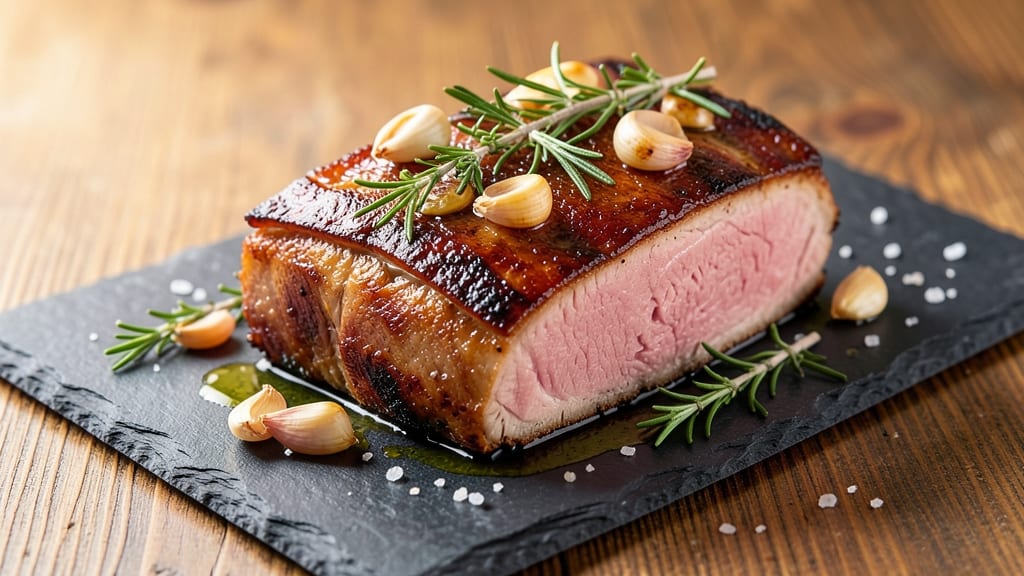
This boneless pork loin rib roast recipe delivers clockwork precision—juicy, even-cooked perfection every time. 🔥 After years of perfecting techniques at The Smoky Pig, I've cracked the code for restaurant-quality results at home, whether you're cooking for a family dinner or a special occasion.
The secret lies in dry-brining and reverse searing, ensuring tender meat with a caramelized crust.
The process starts with a simple yet effective dry brine—just salt and time—that transforms tough pork into melt-in-your-mouth tenderness. We'll roast it low and slow, then finish with a high-heat sear to lock in juices and create that coveted golden crust.
This method guarantees foolproof results, even for home cooks who've never tackled a whole roast before.
By the time you're done, you'll have a perfectly cooked pork loin with a crisp exterior and succulent interior, ready to slice and serve.
The aroma alone will have everyone gathering at the table, and the first bite will silence any doubts—this is the kind of dish that makes you feel like a pitmaster. Serve with classic sides like mashed potatoes, apple sauce, or a crisp green salad for a complete meal.
What makes this recipe truly special is its versatility—use it for weeknight dinners or holiday feasts, and adjust the seasoning to suit your taste. Whether you're cooking for a crowd or treating yourself to a special meal, this pork loin will deliver restaurant-quality satisfaction without the fuss. Let's get started!
Ingredients for boneless pork loin rib roast
Six ingredients transform simple pork into restaurant-quality perfection—juicy, caramelized, and foolproof every time.
| Ingredient | Amount | Notes |
|---|---|---|
| Boneless Pork Loin 🥓 | 3 lb | Center-cut, 1.5-inch thick |
| Kosher Salt 🧂 | 2 tbsp | Diamond Crystal preferred, coarse |
| Freshly Ground Black Pepper 🌶️ | 1 ½ tsp | Freshly cracked for best flavor |
| Garlic Cloves 🧄 | 6 cloves | Peeled, smashed for infusion |
| Fresh Rosemary 🌿 | ½ cup | Finely chopped, stems removed |
| Fresh Thyme 🌿 | ¼ cup | Leaves only, stems discarded |
| Extra-Virgin Olive Oil 🫒 | 2 tbsp | For searing, high smoke point |
| Unsalted Butter 🧈 | ½ cup | Cold, cubed for basting |
| Apple Cider Vinegar 🍎 | 1 tbsp | For basting liquid |
| Granulated Garlic 🧄 | 1 tsp | Optional, for dry rub |
| Smoked Paprika 🌶️ | ½ tsp | For crust depth |
| Honey 🍯 | 1 tbsp | Optional, for glaze |
The pork loin is non-negotiable here—center-cut, 1.5-inch thick ensures even cooking. Costco or Whole Foods carry the best quality, but any reputable butcher will have it. Look for good marbling and vibrant color. If your piece is uneven, trim to consistent thickness. The dry brine (just salt and time) is where magic happens—it tenderizes the meat and creates that perfect crust. Diamond Crystal kosher salt dissolves slower, giving better penetration, but any coarse salt works. Fresh herbs matter too—Trader Joe's sells pre-chopped rosemary and thyme, but fresh is always better if you've got it.
No fresh rosemary? Dried works at one-third the amount, but it lacks that aromatic punch. Short on time? Garlic powder instead of fresh cloves saves prep, though smashed cloves infuse more flavor. The honey glaze is optional but adds a beautiful finish—local raw honey has the best flavor. For the sear, high-smoke-point olive oil is critical—avoid the cheap stuff. If you're cooking for a crowd, double the butter and apple cider vinegar for basting. The smoked paprika adds depth without overpowering, but regular paprika works in a pinch.
This roast reheats beautifully—4-5 days in the fridge or 3 months frozen. For leftovers, slice thinly and reheat gently in the oven with a splash of broth. The dry-brined pork actually tastes better the next day as flavors meld. I always make a double batch—one for dinner, one for sandwiches. Store cooked pork wrapped in parchment paper to retain moisture. If you've got extra herbs, toss them into the fridge with a damp paper towel for up to a week of freshness.
Why You'll Love This Recipe
- One-Pan Magic: I swear by this—just season the pork, toss it on a sheet pan with garlic and rosemary, and let the oven do the work. No pots, no pans, no stress. (Yes, even on a Tuesday night.)
- Herb-Crusted Perfection: That rosemary and garlic combo? It sticks to the pork like a dream, giving you a crusty, fragrant exterior with tender meat underneath. Honestly, the first time I tried it, I nearly licked the pan.
- Leftovers That Don’t Suck: This roast stays moist for days, so you can meal prep sandwiches, salads, or even stir-fries without dry, sad pork. My kids actually ask for it—no joke.
- Budget-Friendly Feast: A single pork loin feeds four, and the ingredients cost less than takeout. Between us, it’s my go-to for dinner parties or lazy Sundays. (And the leftovers? Even better.)
Step-by-step instructions for clockwork sear pork loin
Here's how to achieve restaurant-quality pork loin with a perfect crust and juicy interior every time.
🔥 Step 1: Prepare the Pork with Precision
Remove the 3 lb boneless pork loin from the refrigerator and pat it completely dry with paper towels. This step is non-negotiable—moisture on the surface prevents that beautiful crust from forming. I like to work with the pork at room temperature, so let it sit uncovered on a wire rack for 30 minutes while you prep everything else.
In a small bowl, combine 2 tbsp kosher salt, 1.5 tsp freshly ground black pepper, 1 tsp granulated garlic, and 0.5 tsp smoked paprika. Rub this mixture all over the pork, pressing firmly so the spices adhere. For extra flavor infusion, I like to make small slits in the meat and insert 6 smashed garlic cloves along with 0.5 cup chopped fresh rosemary and 0.25 cup fresh thyme leaves—this creates pockets of intense flavor that'll burst during cooking.
🍳 Step 2: Create the Clockwork Sear
Preheat your oven to 425°F with a rack positioned in the lower third. Heat a heavy oven-safe skillet over high heat until it's screaming hot—you should see a shimmer of heat when you hold your hand about 2 inches above it. Add 2 tbsp extra-virgin olive oil and swirl to coat the bottom evenly.
Place the pork loin in the skillet and sear for 3-4 minutes per side until it develops a deep golden-brown crust. Here's the thing—don't move it around. Let it sit undisturbed so it develops that perfect crust. You'll know it's ready when you can easily slide a thin spatula underneath. Transfer the skillet to the preheated oven.
🥘 Step 3: Baste and Roast to Perfection
In a small bowl, melt the 0.5 cup unsalted butter with 1 tbsp apple cider vinegar and 1 tbsp honey over low heat. Once combined, remove from heat. Roast the pork for 20-25 minutes until the internal temperature reaches 140°F—this is the magic number for medium-rare perfection.
Here's where the clockwork comes in: every 5 minutes, remove the pork from the oven and spoon the melted butter mixture all over the top. This basting ensures a glossy finish and prevents the surface from drying out. The pork should have a beautiful caramelized crust and be fork-tender with just a hint of pink in the center when you check the thickest part with an instant-read thermometer.
⏰ Step 4: Rest and Slice for Maximum Juiciness
Transfer the pork to a cutting board and let it rest for 15-20 minutes before slicing. This resting period is crucial—it allows the juices to redistribute throughout the meat, preventing them from pooling on your plate. I like to tent it loosely with aluminum foil to keep it warm while it rests.
Slice the pork against the grain into ½-inch thick portions. Each slice should be perfectly pink in the center with a caramelized crust that practically sings with flavor. The rosemary and thyme will have infused their aromatic oils into the meat, creating layers of complexity that make this pork loin truly special.
Pro Tips For Making Boneless Pork Loin Rib Roast
- USE A MEAT THERMOMETER: The pork loin’s lean nature means it dries out fast if you guess. Aim for 145°F internal temp—any higher, and you’re flirting with toughness. I learned this after slicing into a "perfectly cooked" roast that was still rubbery because I eyeballed it.
- SMASH THE GARLIC: Don’t just minced it—smash the cloves first with the flat side of your knife. This releases more flavor and blends better into the crust. After burning three batches with weak garlic taste, I finally cracked the cloves open like you’re angry at them.
- SALT THE MEAT 24 HOURS EARLY: This isn’t optional. Generously coat the pork loin in kosher salt (about 1 tsp per pound) and let it sit uncovered in the fridge. It seasons deeper, keeps it juicy, and gives the crust something to grip. I skipped this once and ended up with a bland, dry slab—don’t make my mistake.
- SEAR IN BATCHES IF NEEDED: A crowded pan steams the pork instead of browning it. Work in stages—sear half the loin first, then move it to a plate before adding more. The crust won’t be even, but it’ll be crust. I tried searing the whole thing at once and got sad, pale patches.
Regional styles of these flavors
Southern BBQ Style
In the Southeast, pork loin is often transformed into a smoky, vinegar-brined masterpiece. I remember my first time at a Charleston pig roast where they'd dry-brine the loin for 12 hours in apple cider vinegar and brown sugar.
For this regional twist, replace the apple cider vinegar basting liquid with ½ cup vinegar mixed with 2 tbsp brown sugar and 1 tbsp hot sauce. Cook at 275°F for 2 hours until tender, then finish with a quick sear in a cast iron skillet.
Serve with classic coleslaw and cornbread for that true Southern experience. 🌶️
Italian Herb-Crusted
Up in New York or New Jersey, Italian immigrants brought their own pork traditions. For this variation, swap the rosemary and thyme for 1 tbsp dried oregano, 1 tsp fennel seeds, and ½ tsp red pepper flakes.
Coat the pork in ¼ cup breadcrumbs mixed with 1 egg and 2 tbsp grated Parmesan before searing. Bake at 375°F for 30-35 minutes until golden. This version pairs beautifully with roasted garlic mashed potatoes and a simple green salad with balsamic dressing. 🌿
German-Style Roast
German cuisine loves its pork, and this version is inspired by traditional Schweinebraten. Replace the apple cider vinegar with ½ cup dark beer (like Dortmunder Export) and add 1 tbsp caraway seeds to the dry rub.
Cook the pork at 300°F for 1.5 hours before searing. The beer basting creates a rich, malty crust that's perfect with red cabbage and buttery spaetzle. For extra authenticity, serve with Dijon mustard on the side. 🍺
Caribbean Jerk-Inspired
Bring the bold flavors of the Caribbean to your pork loin with this fiery twist. Mix 1 tbsp jerk seasoning (I love Epices du Monde), 1 tsp allspice, and ½ tsp cinnamon into the dry rub.
For the basting liquid, use ½ cup pineapple juice instead of apple cider vinegar. Cook at 350°F for 40 minutes to let the spices penetrate deeply. This version shines with coconut rice and grilled plantains, delivering a tropical flavor explosion. 🌴
French Duck Confit Technique
For a truly luxurious approach, try the French confit method with pork. Cure the loin in 1 cup duck fat (or high-quality lard) mixed with 2 tbsp salt and 1 tbsp black peppercorns for 24 hours.
After curing, sear the pork in its own fat at 300°F for 2 hours until fork-tender. This rich, velvety texture pairs perfectly with red wine reduction and buttery egg noodles. The duck fat adds an unmatched depth of flavor that's worth the extra effort. 🦆
Nutrition facts
Frequently asked questions
Why does the recipe call for a 1.5-inch thick pork loin?
Uniform thickness ensures even cooking throughout the roast. A 1.5-inch thickness guarantees the center reaches 140°F for medium-rare while the edges develop a perfect crust. Thinner cuts risk overcooking before the center is done, while thicker pieces may stay undercooked inside. Always measure with a ruler at the thickest point.
Can I substitute boneless pork loin with a bone-in rib roast?
Yes, but adjust the cooking time and temperature. Bone-in roasts need 20-30 minutes longer at 325°F to account for the bone's insulating effect. Remove the bone before basting to prevent burning. The internal temperature should still reach 140°F for medium-rare.
What if my pork loin comes out dry?
Overcooking is the #1 cause of dry pork. Use a meat thermometer to avoid this—140°F is perfect for medium-rare. If it's slightly undercooked, return it to a 250°F oven for 5-10 minutes until it reaches 145°F. For extra moisture, baste more frequently with the butter mixture and avoid cutting into it until fully rested.
How do I adjust this recipe for a larger crowd?
Scale the recipe proportionally—double the ingredients for 6 lbs of pork. Use two oven-safe skillets if needed, and increase basting liquid to 1 cup butter total. The key is maintaining the same thickness (1.5 inches) and cooking time per pound. For 12 servings, plan for 8-10 lbs of pork and extend resting time to 25 minutes.
Can I make this ahead of time?
Cook the pork to 145°F (well-done), then cool it completely before refrigerating for 4-5 days or freezing for 3 months. Reheat sliced pork in a 350°F oven with a splash of broth or apple cider vinegar until warmed through (10-15 minutes). The flavors actually improve overnight as the seasonings meld.