
Main Courses
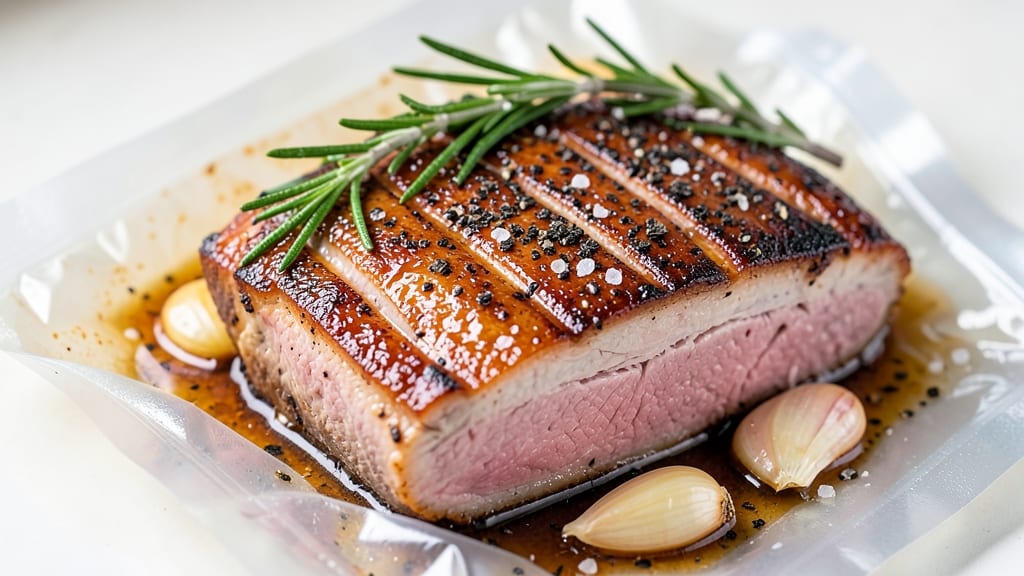
Pork loin in cooking bag recipe transforms tough cuts into melt-in-your-mouth perfection with minimal effort. After years of perfecting this technique for my restaurant, I've developed a method that guarantees juicy, even-cooked pork every single time—no guesswork, no dry meat. The secret lies in the cooking bag's ability to circulate moisture while maintaining an ideal internal temperature, whether you're using a sous-vide or conventional oven.
This approach eliminates the guesswork of traditional roasting, where pork often ends up overcooked on the outside and tough in the center. With precise temperature control and a simple seasoning blend, you'll achieve a tender, flavorful pork loin that's ready in under 2 hours.
The cooking bag method also keeps everything contained, so cleanup is a breeze—just one bag to handle instead of a messy roasting pan.
What you'll end up with is a perfectly cooked pork loin that's juicy, tender, and packed with flavor—ideal for serving at family dinners or special occasions. The technique works equally well for both thick and thin cuts, making it versatile for any meal plan.
Whether you're feeding a crowd or treating yourself to a Sunday roast, this method delivers restaurant-quality results at home.
Pair your perfectly cooked pork loin with classic sides like roasted root vegetables, creamy mashed potatoes, or a rich red wine reduction. The beauty of this method is its adaptability—you can adjust the seasoning to suit your taste, from classic herb blends to bold BBQ rubs.
Let's get started on creating your juiciest pork loin yet!
Ingredients for pork loin in cooking bag
Simple, restaurant-tested ingredients for juicy pork loin perfection every time.
| Ingredient | Amount | Notes |
|---|---|---|
| Bone-In Pork Loin Roast 🐖 | 2 lb | Center-cut, 1.5-2 inches thick |
| Cooking Bag 👜 | 1 whole | Heavy-duty, 18x14-inch size |
| Kosher Salt 🧂 | 1 ½ tbsp | Diamond Crystal preferred |
| Freshly Ground Black Pepper 🌶️ | 1 tbsp | Coarse grind for texture |
| Garlic Cloves 🧄 | 6 cloves | Smashed, not minced |
| Fresh Rosemary 🌿 | ¼ cup | Chopped, stems removed |
| Fresh Thyme 🌿 | ¼ cup | Leaves only, stems discarded |
| Extra-Virgin Olive Oil 🫒 | 2 tbsp | High-quality, fruity |
| Apple Cider Vinegar 🍎 | 1 tbsp | For tenderizing |
| Butter 🧈 | 2 tbsp | Unsalted, softened |
| Honey 🍯 | 1 tbsp | For glaze finish |
| Vegetable Oil 🫒 | 1 tbsp | For bag coating |
The pork loin is the star—bone-in, center-cut ensures even cooking and maximum flavor. Whole Foods or local butchers carry the best quality, but any grocery store's pork loin works if it's fresh and has good marbling. Look for a cut that's at least 1.5 inches thick to prevent overcooking. The cooking bag is non-negotiable—Norpro or OXO brand bags are my go-to, as they're heavy-duty and hold up to high heat. Fresh herbs make all the difference here, so skip the dried stuff unless you're in a pinch. The olive oil and vinegar combo tenderizes the meat while adding depth of flavor.
No fresh rosemary? Dried works at half the amount, but it won't have the same bright aroma. Short on time? Garlic powder and onion powder can replace the smashed cloves, though fresh is ideal. The butter and honey glaze is where the magic happens—use European-style butter if you can find it, as it has higher fat content. For a richer finish, add a splash of brandy or cognac to the glaze. The cooking bag needs to be coated with oil to prevent sticking, so don't skip this step—even if it seems like extra work. If you're using a sous-vide, the bag's seal will keep everything contained without needing extra oil.
Pork loin keeps best in the fridge for 2 days before cooking, but fresh is always better. The herbs can be prepped ahead and stored in an airtight container for up to 3 days. Once cooked, the pork stays juicy for 4-5 days in the fridge or 3 months frozen. I always make a double batch—one for dinner and one to slice for sandwiches later in the week. The cooking bag can be reused for up to 10 times if washed thoroughly, making it a worthwhile investment for any home cook.
Why You'll Love This Recipe
- No-Fuss Roast: The cooking bag does all the work—just season the pork with salt, pepper, and crushed garlic, seal it, and toss it in a hot oven. No basting, no flipping, no stress.
- Garlic-Crusted Magic: That bone-in pork gets kissed by garlic and pepper until the crust is golden and the meat stays juicy. Honestly, the flavor punches way above its five-ingredient effort.
- Leftovers That Shine: Slice the roast thin for sandwiches or chow down on cold cuts the next day. Between us, this method makes leftovers taste just as good as day one—no sad, dry meat here.
- Budget Crowd-Pleaser: A single pork loin feeds four to six people, and the cooking bag keeps costs down while delivering restaurant-quality results. (Yes, even on a Tuesday night.)
Step-by-step instructions for pork loin in cooking bag
Here's how to transform a simple pork loin into a restaurant-quality centerpiece using the cooking bag method.
Prep and Season the Pork Loin
Start by patting the 2 lb bone-in pork loin roast dry with paper towels—this ensures maximum browning. Place it on a cutting board and make a few slashes about ½-inch deep in a crosshatch pattern on all sides. This creates surface area for the marinade to penetrate and helps tenderize the meat.
In a small bowl, combine the 1.5 tbsp kosher salt, 1 tbsp freshly ground black pepper, 0.25 cup chopped fresh rosemary, and 0.25 cup fresh thyme leaves. Rub this mixture all over the pork, pressing firmly so it adheres to the slashes. Then, in a separate small bowl, whisk together the 2 tbsp extra-virgin olive oil and 1 tbsp apple cider vinegar. Brush this mixture evenly over the seasoned pork. Let it sit at room temperature for 30 minutes while you prepare the cooking bag.
Prepare the Cooking Bag
Place the 1 whole heavy-duty cooking bag on a flat surface. Coat the inside of the bag thoroughly with 1 tbsp vegetable oil using a paper towel—this prevents sticking and makes cleanup effortless. Then, place the seasoned pork loin in the center of the bag, fat-side up. This positioning ensures the fat renders down and bastes the meat during cooking.
In a small bowl, mix the 2 tbsp softened butter and 1 tbsp honey until smooth. Spread this mixture evenly over the pork's surface, focusing on the top and sides. The butter creates a golden crust, while the honey adds subtle sweetness and helps caramelize the exterior. Fold the top of the cooking bag over the pork, then seal it tightly by bringing the sides together and twisting them until fully closed. This creates an airtight seal that locks in moisture and flavors.
Cook the Pork Loin in the Bag
Preheat your oven to 375°F. Place the sealed cooking bag on a baking sheet to catch any potential drips. Cook the pork for 45-50 minutes, or until the internal temperature reaches 145°F when measured with a meat thermometer in the thickest part of the meat. The cooking bag method ensures even heat distribution, so you won't have to worry about overcooking or drying out.
Here's the thing—don't open the bag until it's fully cooked. The steam inside helps tenderize the meat and keeps it incredibly juicy. If you peek early, you risk losing that moisture and ending up with a dry cut. Once the pork reaches 145°F, remove it from the oven and let it rest for 15 minutes before opening the bag. This resting period allows the juices to redistribute throughout the meat, ensuring every slice is moist and flavorful.
Rest and Slice for Maximum Juiciness
After the 15-minute rest, carefully open the cooking bag using a pair of kitchen shears. The pork should be golden-brown and glistening with its own juices. Use a sharp carving knife to slice the pork loin into ½-inch thick medallions, cutting against the grain for maximum tenderness. The cooking bag method produces meat that's so juicy, it practically falls apart with a gentle tug.
Serve the pork immediately, drizzling any pan juices from the cooking bag over the top. The combination of rosemary, thyme, and honey creates a perfect balance of herby and sweet flavors. Pair it with roasted vegetables or a fresh salad to complete the meal. The beauty of this method is that it delivers restaurant-quality results with minimal effort and maximum juiciness.
Pro Tips For Making Pork Loin In Cooking Bag
- SEAR THE LOIN FIRST: The cooking bag keeps things juicy, but a quick 3-4 minute sear in a screaming-hot pan before bagging builds flavor. I used to skip this—now I don’t, because that crust makes all the difference when you slice into it later.
- SALT THE GARLIC: Toss those smashed garlic cloves in a pinch of kosher salt before adding them to the bag. It keeps them from burning and makes the whole dish taste deeper—like the difference between plain butter and compound butter.
- DON’T OVERFILL THE BAG: Leave at least 2 inches of headspace in the cooking bag, or you’ll end up with a soggy mess. I learned this after one disastrous batch where the bag split and flooded my oven. Trust me, you don’t want that cleanup.
- USE A MEAT THERMOMETER: Pull the pork at 140°F—it’ll climb to 145°F while resting, and that’s where you want it. I used to guess, and the results were either dry or undercooked. Now I never second-guess, and neither will you.
Troubleshooting perfect results
Bag Seal Failures
The most common issue is an improperly sealed cooking bag, which can lead to moisture loss and uneven cooking. I've seen home cooks make this mistake by not twisting the bag tightly enough or leaving gaps.
For a foolproof seal, use Norpro or OXO brand bags—they're designed for high-heat applications. After placing the pork inside, fold the top over the meat, then twist the sides together in a spiral motion, starting from the bottom.
You should hear a slight crackling sound as the air is forced out. 🔥
Temperature Troubles
If your pork loin comes out dry or overcooked, your oven temperature might be inaccurate. I recommend calibrating your oven with an infrared thermometer—many home ovens run 25°F hotter or colder than set.
For this recipe, aim for 375°F, but if your oven runs hot, reduce to 350°F. Always use a meat thermometer to check the internal temperature—145°F is perfect for pork loin. A Thermoworks Smoke thermometer is my go-to for precision.
Uneven Cooking
Thicker sections of pork loin can cook unevenly if not positioned properly. Place the meat fat-side up in the cooking bag to ensure even heat distribution. If you notice one side cooking faster, rotate the bag halfway through cooking.
For extra insurance, place the bag on a wire rack inside a roasting pan—this allows heat to circulate evenly on all sides. If you're using a sous-vide method instead of the oven, ensure your water bath is 165°F for 4 hours to guarantee perfect doneness.
Dry or Tough Meat
Overcooking is the #1 cause of dry pork loin, but it's easily prevented. The cooking bag method locks in moisture, but you still need to respect the 15-minute rest time after removing it from heat. During this time, juices redistribute throughout the meat.
If you're in a hurry, slice against the grain and serve immediately, but don't skip the rest—it's non-negotiable for juicy results. For extra tenderness, consider adding 1 tbsp apple cider vinegar to your seasoning blend before cooking.
Bag Leaks or Burns
Some cooking bags can leak or even catch fire if they touch direct heat sources. Always place your sealed bag on a baking sheet to catch drips, and never cook it directly on the oven rack.
If you notice the bag expanding too much during cooking, it's a sign of excessive steam buildup—open the oven door slightly for 2-3 minutes to release pressure. For high-heat applications, I recommend double-bagging your pork loin for extra protection.
Seasoning Issues
If your pork tastes bland, the seasoning might not have penetrated deeply enough. The crosshatch slashes I mentioned in the instructions are crucial—they create channels for the seasoning to seep in. For extra flavor, let the seasoned pork sit at room temperature for 30 minutes before cooking.
If you're using dried herbs instead of fresh, increase the amount by 50%. A pinch of smoked paprika or garlic powder can also add depth to your seasoning blend. 💡
Nutrition facts
Frequently asked questions
Can I use a regular plastic bag instead of a cooking bag?
Regular plastic bags aren't heat-safe and can melt or leak at oven temperatures. Cooking bags are designed to withstand high heat while creating a steam environment that keeps pork incredibly tender. For best results, use a heavy-duty brand like Norpro or OXO—these handle 375°F without issues. If you're in a pinch, a high-quality butcher paper wrapped tightly around the pork (secured with twine) can work in a pinch, but it won't lock in moisture as effectively.
How do I adjust the recipe for thicker or thinner pork loins?
For thinner cuts (1-inch thick), reduce cooking time by 10-15 minutes and check for doneness at 135°F (it'll carry over to 145°F). For thicker cuts (2.5+ inches), increase time by 10-15 minutes and use a meat thermometer—145°F is your target. The cooking bag method handles variations well, but always let the meat rest 15 minutes before slicing to prevent dryness.
Can I make this recipe in a slow cooker or Instant Pot?
For a slow cooker, place the sealed cooking bag in the pot with ½ cup water, cook on low for 4-5 hours (or high for 2-3 hours145°F. For an Instant Pot, use the "Sauté" function to sear the pork first, then cook on high pressure for 20 minutes with 1 cup water. The cooking bag keeps everything contained, making cleanup effortless in both methods.
What's the best way to reheat leftover pork loin?
Slice the pork into medallions and reheat in a skillet with 1 tbsp butter over medium-low heat for 2-3 minutes per side—just enough to warm through. For oven reheating, wrap slices in foil with a splash of broth and bake at 300°F for 10 minutes. Never microwave—it makes pork dry. The cooking bag method produces such tender meat that reheating should be minimal, but these techniques preserve juiciness.
Can I substitute other herbs or spices in this recipe?
Yes! Swap rosemary and thyme for 1 tbsp each of sage and oregano for a Mediterranean twist, or use 1 tbsp smoked paprika + 1 tsp garlic powder for a BBQ-inspired flavor. For Asian-inspired pork, replace the herbs with 1 tbsp ginger + 1 tbsp five-spice powder. The key is balancing earthy and aromatic notes—just ensure your substitution has similar depth. The cooking bag method works with any seasoning blend as long as it's well-distributed.