
Main Courses
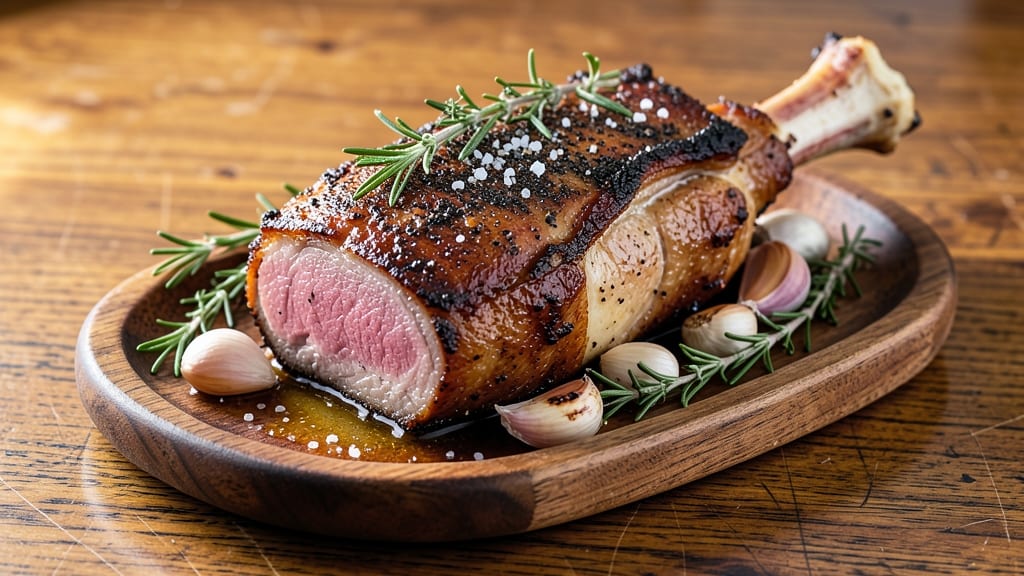
A bone-in pork rib roast recipe transforms a weeknight into a restaurant-worthy meal with just a few key techniques in the oven. 🔥 The secret lies in dry-brining overnight and roasting low-and-slow to develop that coveted crispy bark while keeping the meat juicy pink inside.
I've perfected this method after years of testing—no fancy equipment, just your oven and patience.
The process starts with a simple seasoning of salt, pepper, and herbs, then a long dry brine that enhances flavor and texture. Roasting at a controlled temperature ensures even cooking, while a final crisp in the broiler creates that golden, crackling exterior.
This isn't just another pork roast—it's a showstopper that delivers on both flavor and presentation.
What you'll end up with is a perfectly browned crust that shatters at every bite, revealing tender, juicy meat that's cooked to your ideal doneness. The bone adds richness, and the crispy edges make it impossible to resist.
This is the kind of roast that makes guests ask for seconds and leaves your kitchen smelling like Sunday dinner.
Serve with classic sides like roasted potatoes or a fresh green salad, or get creative with modern pairings like caramelized onions or a tangy mustard glaze. The possibilities are endless, but the technique remains foolproof. Let's get cooking!
Ingredients for bone in pork rib roast recipe oven
Four pounds of pork rib roast, a dry brine, and oven patience—this is your ticket to restaurant-quality Sunday dinner.
| Ingredient | Amount | Notes |
|---|---|---|
| Bone-In Pork Rib Roast 🥓 | 4 lb | Center-cut rib roast, 1.5-2 inches thick |
| Diamond Crystal Kosher Salt 🧂 | 2 tbsp | Coarse grain for dry brine |
| Freshly Ground Black Pepper 🌶️ | 1 tbsp | Coarsely cracked peppercorns |
| Fresh Rosemary 🌿 | 1 whole | Sprig, woody stems removed |
| Fresh Thyme 🌿 | 1 whole | Sprig, leaves only |
| Garlic Cloves 🧄 | 4 cloves | Smashed, skin-on |
| Extra-Virgin Olive Oil 🫒 | 2 tbsp | For finishing crust |
| Unsalted Butter 🧈 | 2 tbsp | Cold, cubed |
| Yellow Onion 🧅 | 1 whole | Sliced into wedges |
| Apple Cider Vinegar 🍎 | 1 tbsp | For brine boost |
| Honey 🍯 | 1 tbsp | For glaze option |
| Fresh Sage Leaves 🌿 | 4 whole | For garnish |
| Mustard Seeds 🌶️ | ½ tsp | Optional for extra flavor |
The pork rib roast makes all the difference here. Center-cut is key—it's got more marbling and stays juicier. I always grab mine from Whole Foods or Costco because they carry the best quality with that perfect balance of fat and meat. Look for a roast that's about 1.5-2 inches thick—thinner cuts crisp up too fast, thicker ones stay too pink inside. The bone adds incredible flavor and richness, but it also means you're working with a denser piece of meat that needs that low-and-slow approach. Don't skip the bone-in version—it's what makes this dish truly special.
No fresh rosemary? Dried works at one-third the amount, but honestly, fresh has that piney aroma that's worth hunting down. The garlic can be roasted whole for extra flavor—just smash the cloves and wrap them in foil before roasting. Short on time? Skip the dry brine and just season generously with salt and pepper 20 minutes before roasting, though you'll lose some of that incredible texture. For the finishing touch, I like to mix the olive oil and butter together—Trader Joe's has the best cold-pressed olive oil for this. The honey glaze is optional but adds that perfect balance of sweetness to cut through the richness of the pork.
This roast tastes even better the next day, so make extra if you can. Store leftovers in an airtight container in the fridge for up to 5 days. For longer storage, slice against the grain and freeze for 3 months. The crispy bark softens when reheated, but a quick broil for 2-3 minutes brings back that golden crunch. I always save the bones to make pork broth—they're packed with flavor. The roasted garlic cloves? Toss them in pasta or spread on toast—they're worth the extra minute of prep.
Why You'll Love This Recipe
- Hands-Off Roast: I swear by this method—just season the bone-in rib roast with kosher salt, cracked pepper, and a sprig of rosemary tucked under the skin. Toss it in the oven and forget about it for 3 hours. That’s it. No basting, no fuss, just melt-in-your-mouth tenderness.
- Herb-Crusted Magic: Between us, rosemary and thyme aren’t just garnishes here—they marinade the meat as they roast. The crust gets nutty and aromatic, while the peppercorns add a subtle bite. It’s the kind of flavor that makes people ask, “What’s in this?” (Then I get to say, “Just patience and a hot oven.”)
- Weeknight to Weekend: This roast works for everything: a lazy Sunday supper, a dinner party when you’re pretending to be fancy, or even a potluck where you can bring the whole thing wrapped in foil. Slice it thin for sandwiches, cube it for fried rice, or serve it whole with crusty bread. It’s my go-to for when I don’t want to think.
- Leftovers That Don’t Suck: Honestly, the best part? The second day. Shred the remaining meat for tacos, stir it into pasta, or pile it onto toast with a fried egg. The bones add depth to soups, and the fat renders down into gold—no waste, just flavor. Plus, pork ribs are cheaper than chicken thighs, so you’re feeding a crowd without breaking the bank.
Step-by-step instructions for perfectly crispy pork rib roast
Here's how to transform a simple rib roast into a showstopper with a crackling exterior and melt-in-your-mouth interior.
👨🍳 Step 1: Prepare the Dry Brine and Herb Rub
Remove the pork rib roast from the refrigerator and pat it completely dry with paper towels—this is non-negotiable for crispy bark. In a small bowl, combine the 2 tbsp of diamond crystal kosher salt, 1 tbsp of freshly ground black pepper, and the 0.5 tsp of mustard seeds. I like to crush the mustard seeds slightly between my fingers to release their flavor.
Next, strip the leaves from the fresh rosemary and thyme sprigs, discarding the woody stems. Add these fresh herbs to the salt mixture along with the 4 smashed garlic cloves. Mix everything thoroughly until the herbs are evenly distributed. The coarse texture of the kosher salt helps the rub cling to the meat.
👨🍳 Step 2: Season the Roast and Create the Dry Brine
Generously coat the pork rib roast with the herb rub, pressing it into every nook and cranny—especially the fat cap and bone sides. The fat cap should be well-covered but not buried completely. Place the seasoned roast on a wire rack set over a rimmed baking sheet.
Here's the secret: refrigerate the roast uncovered for at least 4 hours, but preferably overnight. This dry brine process draws out moisture from the surface, creating the perfect conditions for that irresistible crispy bark. The salt also penetrates the meat, enhancing flavor throughout.
🔥 Step 3: Preheat and Sear for Maximum Flavor
Preheat your oven to 425°F. While it heats, prepare your roasting pan by placing the sliced yellow onion wedges on the bottom. This will add sweetness and moisture to the cooking process. Once the oven reaches temperature, remove the roast from the refrigerator (it should be cold but not frozen).
Heat a large oven-safe skillet over medium-high heat. Add the 2 tbsp of extra-virgin olive oil and the 2 tbsp of cold unsalted butter. When the butter foams but hasn't browned, carefully sear the roast on all sides for about 3 minutes per side until deeply golden brown. This initial sear locks in juices and builds deep flavor.
🥘 Step 4: Roast with Onion and Herb Accompaniments
Transfer the seared roast to the prepared baking sheet with the onion wedges. Pour the 1 tbsp of apple cider vinegar over the onions—this adds brightness and prevents burning. Drizzle the 1 tbsp of honey over the roast for a subtle glaze that enhances caramelization.
Roast uncovered at 425°F for 20 minutes. Then reduce the heat to 325°F and continue roasting for an additional 1 hour 15 minutes, or until the internal temperature reaches 145°F in the thickest part of the meat. The roast is done when it reaches this temperature and the juices run clear when pierced with a meat thermometer.
⏰ Step 5: Rest and Garnish for Presentation
Remove the roast from the oven and transfer it to a cutting board. Tent loosely with aluminum foil and let it rest for at least 20 minutes before carving. This resting period is crucial—it allows the juices to redistribute, ensuring each slice remains succulent.
While the roast rests, arrange the 4 fresh sage leaves on a small plate. Once ready to serve, slice the pork rib roast against the grain into ½-inch thick slices. Garnish each serving with a sage leaf and drizzle with any pan juices. The result should be a perfect balance of crispy, caramelized exterior and tender, juicy pink centers.
Pro Tips For Making Bone In Pork Rib Roast Recipe Oven
- SEAR FIRST, THEN SALT: The rib roast won’t brown properly if you salt it first—pat it dry, then sear it skin-side down in a screaming-hot pan for 8-10 minutes before adding any seasoning. I learned this the hard way when my first crust came out pale and sad.
- USE A MEAT THERMOMETER: Bone-in pork ribs hit 145°F (63°C) internally at the thickest part, not the bone—waiting for the bone to reach that temp means dry, overcooked meat. I used to guess and ended up with rubbery ribs until I bought a $15 thermometer.
- SALT THE HERBS TOO: Crush the rosemary and thyme sprigs between your palms first, then toss them with the kosher salt before sprinkling on the roast. The oils from the herbs bind to the salt, making the crust stick better and flavor penetrate deeper.
- REST UNDER FOIL: After pulling the roast from the oven, tent it loosely with foil and let it rest for 15-20 minutes—this keeps the juices from pooling out when you slice. I know, I know, you want to cut into it immediately, but resist the urge.
Dietary considerations for bone in pork rib roast recipe oven
Gluten-Free Adaptations
This recipe is naturally gluten-free, but there are a few key spots to double-check. Always verify that your diamond crystal kosher salt and mustard seeds are certified gluten-free, as some brands process them in shared facilities.
The extra-virgin olive oil and unsalted butter are typically safe, but check labels if you're highly sensitive. The apple cider vinegar and honey are also gluten-free, but flavored varieties might contain additives. 🌱
Low-Carb Options
For a lower-carb version, skip the yellow onion wedges at the bottom of the pan—they add sweetness but also carbs. Instead, place the roast directly on a wire rack over a baking sheet.
You can also reduce the 1 tbsp honey to just 1 tsp or omit it entirely if you're strictly tracking carbs. The crispy bark and rich flavor will still shine through.
Dairy-Free Modifications
To make this recipe dairy-free, simply omit the 2 tbsp unsalted butter used for searing. Replace it with an equal amount of vegetable oil or avocado oil—I like Avocado Brands for its neutral flavor.
The olive oil in the rub will still provide plenty of richness, and the roast will develop that beautiful crust without dairy. The flavor won't be compromised at all!
Allergen-Friendly Tips
If you're serving guests with allergies, consider prepping the roast in a designated area to avoid cross-contamination. Use separate utensils and cutting boards for the pork if other allergens (like nuts or shellfish) are being prepared nearby.
For nut-free kitchens, ensure your mustard seeds aren't processed in facilities with tree nuts. Always ask guests about specific allergies—they'll appreciate the thoughtfulness! 💡
Protein-Packed Adjustments
Want to boost the protein content even further? Add a 1-inch thick slice of prosciutto to the roast during the final 20 minutes of cooking. The prosciutto will crisp up beautifully and infuse the pork with extra savory depth.
Another option is to wrap the roast in thin slices of pancetta before roasting—just remove it after 15 minutes to prevent overcooking.
Vegetarian Substitutions
While pork is the star here, you can create a vegetarian version using a portobello mushroom cap or hearty eggplant roasted in the same manner.
For a closer texture, stuff the mushroom with a mix of quinoa, sun-dried tomatoes, and herbs, then roast using the same temperature and timing guidelines. The dry brine technique works wonders on vegetables too—just reduce the salt by half to avoid over-seasoning.
Nutrition facts
Frequently asked questions
Can I use a bone-in pork shoulder instead of a rib roast?
While you can technically use pork shoulder, it won't give the same results. Bone-in rib roasts have a different fat distribution and tenderness that works perfectly for this dry-brine method. Pork shoulder is better suited for pulled pork or braising. For a similar texture, look for a bone-in pork loin roast instead.
What's the best way to check if the pork is done?
Always use a meat thermometer! Insert it into the thickest part of the meat, avoiding the bone. The pork is perfectly done at 145°F internal temperature. The juices should run clear when pierced—if they're pink or bloody, it needs more time. Never rely on color alone, especially with bone-in cuts.
How do I prevent the roast from drying out?
The key is the combination of dry brining and proper resting. Never skip the 20-minute rest before slicing—this lets juices redistribute. Also, avoid cutting into the meat until it's fully rested. For extra moisture, place a small cup of water or apple cider in the roasting pan during cooking to create steam.
Can I make this ahead of time?
This roast actually tastes better the next day. Cook it completely, then refrigerate uncovered for 1-2 hours to develop even more crispy bark. Store leftovers in an airtight container for up to 5 days. Reheat slices in a skillet over medium heat for 2-3 minutes per side to restore crispiness.
What if my oven isn't calibrated accurately?
Oven temperatures can vary by 25°F or more. Test your oven with an oven thermometer before cooking. If your oven runs hot, reduce the temperature by 25°F and check the meat 15 minutes early. For cold ovens, increase by 25°F and add 5-10 minutes to the cooking time. Always use the thermometer as your final guide.