
Main Courses
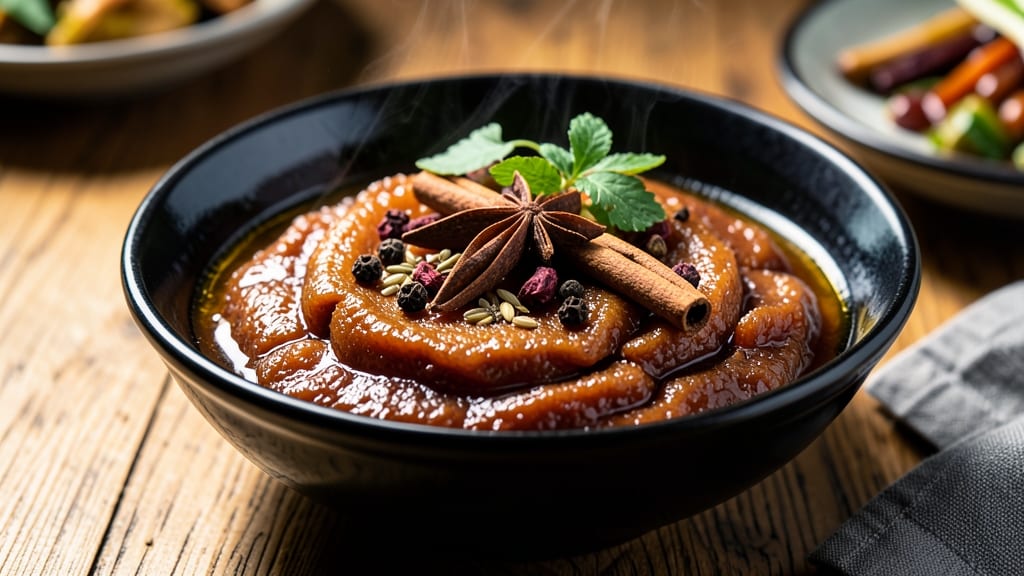
This traditional Chinese pork blood recipe transforms humble ingredients into a gelatinous masterpiece that's both visually stunning and deeply flavorful. 🌟 The five-spice infusion creates a fragrant, aromatic base that elevates the delicate texture of the blood tofu, a dish with centuries of history in Chinese cuisine.
What makes this recipe special is its ability to balance rich umami flavors with subtle sweetness, resulting in a dish that's both comforting and sophisticated.
The preparation process begins with carefully collected pork blood, which is gently cooked with a blend of five spices—star anise, cinnamon, cloves, fennel, and peppercorns—to create a fragrant broth.
The blood is then poured into molds and chilled until it sets into a wobbly, jelly-like consistency that's both satisfying and visually impressive. This technique ensures the final dish maintains its signature texture while absorbing the aromatic flavors of the spice blend.
What you'll achieve is a dish that's as beautiful as it is delicious—a silky, translucent tofu that melts in your mouth while delivering layers of savory, spiced complexity.
The result is a centerpiece that commands attention at any Chinese feast, whether served with a light soy-based dipping sauce or incorporated into soups and hot pots. This recipe honors tradition while making it accessible for modern home cooks.
Perfect for special occasions or when you want to impress guests with an authentic taste of Chinese culinary tradition, this dish is both rewarding to prepare and unforgettable to eat.
The key lies in patience and precision—letting the blood set properly and balancing the spices just right. Here's how to create this gelatinous delight in your own kitchen.
Ingredients for pork blood recipe chinese
Authentic Chinese flavors meet delicate texture in this traditional pork blood recipe.
| Ingredient | Amount | Notes |
|---|---|---|
| Fresh Pork Blood 🩸 | 2 cups | Freshly collected from butcher |
| Star Anise 🌶️ | 2 whole | Whole pods for infusion |
| Cinnamon Sticks 🌿 | 2 whole | 2-inch pieces preferred |
| Cloves 🌿 | 6 whole | Whole, not ground |
| Fennel Seeds 🌿 | 1 tbsp | Lightly toasted |
| Black Peppercorns 🌶️ | 1 tsp | Whole, cracked lightly |
| Light Soy Sauce 🥄 | ½ cup | High-quality brand preferred |
| White Sugar 🍚 | ¼ cup | Fine granulated |
| Cold Water 💧 | 4 cups | Chilled for setting |
| Silicon Molds 🔲 | 1 package | Small rectangular shapes |
| Sesame Oil 🫒 | 1 tbsp | Toasted for aroma |
| Green Onions 🧅 | 4 whole | Thinly sliced for garnish |
| Dried Shiitake Mushrooms 🍄 | 2 whole | Rehydrated for broth |
| Vegetable Oil 🫒 | 2 tbsp | For mold coating |
The pork blood is the heart of this dish, and freshness is critical—collect it from a trusted butcher or local Asian market where it's handled with care. The five-spice blend (star anise, cinnamon, cloves, fennel, and peppercorns) requires whole spices for optimal infusion; Penzeys Spices or bulk bins at specialty stores deliver superior quality. For the soy sauce, Lee Kum Kee or Kikkoman brands provide that authentic umami depth. The silicon molds should be food-grade and small enough to create elegant, restaurant-quality pieces—Amazon or restaurant supply stores carry these reliably. Toast the fennel seeds lightly in a dry pan to deepen their aroma before adding to the broth.
No fresh pork blood? While this dish traditionally requires it, you can substitute 1 cup of high-quality chicken blood in a pinch, though texture will differ slightly. Short on star anise? 1 tsp ground star anise works but lacks the whole-spice complexity. For the shiitake mushrooms, dried is ideal, but fresh shiitake stems can substitute at double the quantity. The sugar can be swapped for brown sugar for a deeper caramel note, though white sugar maintains the dish's delicate balance. If you're using pre-made molds, ensure they're completely dry before pouring the blood mixture to prevent sticking—lightly coat with vegetable oil as a safeguard.
This dish requires patience—the blood mixture must set for at least 4 hours in the refrigerator, though overnight yields the best texture. Store any unmolded blood tofu in airtight containers with a thin layer of soy sauce to maintain moisture for up to 3 days. For longer storage, freeze in portions wrapped in plastic wrap for up to 3 months. When reheating, use low heat—microwaving can break the delicate texture, so a steamer basket over simmering water is ideal. Garnish with toasted sesame oil and green onions just before serving to preserve freshness.
Why You'll Love This Recipe
- No Bloodshed, Just Flavor: I’ll be honest—pork blood might sound intimidating, but it’s just a quick simmer with star anise and cinnamon. No fancy techniques, just a pot and patience (literally 10 minutes of stirring).
- Spice Bomb in a Bowl: That deep, almost smoky warmth from the cloves and fennel? It’s like Chinese five-spice but better. The blood thickens into this glossy, rich sauce that clings to rice or noodles like a hug.
- Leftovers That Lie: Between us, this stuff tastes better the next day. I make a big batch on Sundays, and by Wednesday, it’s still the star of the meal—no sad takeout leftovers here.
- Pantry Magic: Star anise and cinnamon sticks? You probably already have them. Fresh pork blood’s the only splurge, but it stretches across multiple meals—think dumplings, stir-fries, or even a quick congee. Budget win.
Step-by-step instructions for Chinese five-spice blood gelatin
Transform humble pork blood into a luxurious, aromatic delicacy with this precise technique.
🍳 Step 1: Infuse the Spiced Broth
In a medium saucepan, combine the 2 cups fresh pork blood, 2 whole star anise, 2 whole cinnamon sticks, 6 whole cloves, 1 tbsp fennel seeds, and 1 tsp black peppercorns. I like to lightly toast the fennel seeds in a dry pan for 30 seconds first—their aroma deepens significantly when warm.
Bring the mixture to a gentle simmer over medium-low heat, being careful not to boil vigorously as blood can curdle. Add the 0.5 cup light soy sauce and 0.25 cup white sugar, stirring constantly for 5 minutes until the sugar fully dissolves and the spices release their oils. The broth should develop a rich, aromatic fragrance—this is your flavor foundation.
🍳 Step 2: Prepare the Shiitake Broth Base
While the spiced blood simmers, soak the 2 whole dried shiitake mushrooms in 4 cups cold water for 20 minutes to rehydrate. Strain the mushrooms, reserving the soaking liquid. In a separate small saucepan, combine the reserved mushroom liquid with the simmering blood mixture and cook for 10 minutes over low heat. This step creates a balanced, umami-rich base.
Remove the saucepan from heat and let the mixture cool completely to room temperature—this prevents premature setting in the molds. The cooled broth should be smooth with no visible curdling. If you notice any separation, whisk gently to re-emulsify before proceeding.
🍳 Step 3: Coat and Set the Molds
Lightly coat each cavity of the silicon molds with 2 tbsp vegetable oil using a pastry brush. This prevents sticking and creates that signature glossy exterior. I find using a small offset spatula works best for even distribution—don't over-oil or the gelatin won't set properly.
Carefully pour the cooled blood mixture into the prepared molds, filling them ¾ full. Tap the molds gently on the counter to remove any air bubbles trapped in the mixture. Place the filled molds in the refrigerator for 4-6 hours until completely firm. The gelatin should have a jelly-like consistency when gently pressed with a finger.
👨🍳 Step 4: Finish and Garnish
Once set, carefully unmold the blood gelatin by flexing the silicon molds slightly. Heat 1 tbsp sesame oil in a small pan over low heat until fragrant—this should take about 30 seconds. Brush this lightly toasted sesame oil over the top of each gelatin piece for added aroma.
Thinly slice the 4 whole green onions and arrange them decoratively on top of each gelatin piece. The contrast of the bright green against the deep red creates a visually stunning presentation. Serve immediately while still chilled for the perfect texture—each slice should be firm yet tender with a delicate snap.
Pro Tips For Making Pork Blood Recipe Chinese
- STRAIN THE BLOOD WELL: Pork blood clots like crazy when it cools—don’t just pour it straight from the bowl. Use a fine-mesh strainer lined with cheesecloth and gently press the clumps apart with a spoon. I learned this the hard way after serving a batch with stringy bits that ruined the texture.
- TOAST WHOLE SPICES FIRST: Star anise, cinnamon, and cloves need to bloom, not just float. Dry-toast them in a small pan for 30 seconds until fragrant—this unlocks their flavor without burning. Skip this, and your broth will taste like medicine instead of something aromatic.
- DON’T BOIL THE BLOOD: High heat turns pork blood into glue. Simmer it slowly at 160°F (71°C) or lower, stirring often, until it thickens to a pudding-like consistency. I used to rush it, and the result was a sad, grainy mess.
- USE A CORNSTARCH SLURRY: Need to thicken the blood faster? Mix 1 tablespoon cornstarch with 2 tablespoons cold water, then whisk it in while stirring constantly. This cuts down on cooking time and keeps the texture smooth—no lumps, no guesswork.
Regional styles of this dish
Cantonese Blood Tofu
In Cantonese cuisine, this dish is known as xuè dòufu (血豆腐), where the blood is mixed with tofu cubes and simmered in a fragrant broth. The key difference is the addition of soft tofu cubes (about 1 cup cubed) to the blood mixture before setting.
The tofu absorbs the five-spice infusion, creating a textural contrast that's both silky and slightly chewy. Serve with a light ginger-scallion sauce made by blending 2 tbsp soy sauce, 1 tbsp rice vinegar, 1 tsp minced ginger, and 2 green onions.
This variation is popular in Hong Kong dim sum culture and pairs beautifully with steamed rice or congee. 🥢
Sichuan Spicy Version
For a fiery twist, the Sichuan region adds chili oil and dried chili peppers to the blood mixture. Start with 1 tbsp Sichuan chili oil (like Lao Gan Ma) and 2-3 dried chili peppers (whole) during the spice infusion.
After setting, slice the blood tofu and toss with a sauce of 1 tbsp chili oil, 1 tsp soy sauce, and ½ tsp sugar. Garnish with crushed peanuts and cilantro for crunch and freshness.
The heat cuts through the richness, making it a bold centerpiece for spicy hot pot gatherings. 🌶️
Fujian Blood Dumplings
In Fujian province, pork blood is used to fill steamed dumplings called xuè bāo (血包), often served with a light ginger broth. The filling combines 1 cup pork blood, ½ cup finely minced pork fat, 2 tbsp soy sauce, and 1 tsp five-spice powder.
Wrap in thin wheat wrappers and steam for 8-10 minutes until the blood sets into a jelly-like consistency. Serve with a dipping sauce of soy sauce, vinegar, and chili oil. These dumplings are a staple in Fujian's Teochew cuisine and are often enjoyed during Lunar New Year celebrations. 🧢
Northern Chinese Blood Soup
In northern China, particularly Beijing, pork blood is transformed into a hearty soup called xuè tāng (血汤). The blood is simmered with pork intestines, wood ear mushrooms, and coriander roots for a robust, earthy flavor.
The five-spice blend is reduced to just 1 tsp ground five-spice powder to complement the deep umami notes. Serve with steamed buns or noodles to soak up the rich broth. This version is less gelatinous and more about the broth's complexity, making it a comforting winter dish. ❄️
Taiwanese Blood Congee
Taiwanese home cooks often incorporate pork blood into congee (rice porridge), creating a dish called xuè zhā. The blood is simmered with jasmine rice (about 1 cup uncooked) until it reaches a thick, porridge-like consistency.
Top with pickled vegetables, crispy fried shallots, and a drizzle of sesame oil. The blood adds a deep, savory richness that balances the rice's mild sweetness. This version is popular for breakfast or as a light lunch, especially during cooler months. 🍚
Modern Fusion Twist
For a contemporary take, blend the blood tofu with miso paste (about 1 tbsp white miso) and mirin (about 1 tbsp) during the infusion. After setting, slice and serve on a sushi rice base with avocado, cucumber, and tobiko.
The umami depth of the blood complements the fresh, clean flavors of sushi, creating a fusion dish that bridges Chinese and Japanese culinary traditions. This version is perfect for adventurous eaters looking to reimagine classic techniques. 🍣
Nutrition facts
Frequently asked questions
Where can I get fresh pork blood for this recipe?
Fresh pork blood is available at trusted butchers who handle specialty meats or Asian markets with fresh meat counters. Call ahead to confirm availability, as it's typically collected when processing whole pigs. For safety, ensure the blood is collected in clean containers and kept refrigerated until use. If unavailable, some recipes substitute with chicken blood, though texture will differ.
Can I make this recipe without five-spice powder?
Yes! If you don't have whole spices, use 1 tsp ground five-spice powder instead, though the flavor will be less complex. For authenticity, toast 1 tsp cinnamon, ½ tsp cloves, and ½ tsp fennel seeds together for 1 minute in a dry pan, then grind into a powder. The key is balancing sweet (cinnamon), warm (cloves), and aromatic (fennel) notes.
How do I prevent the blood from curdling while cooking?
Curdling happens from heat shock or agitation. Keep the heat medium-low and stir gently with a silicone spatula. Never let it boil vigorously—remove from heat if it starts to bubble. Cool the mixture completely before molding to ensure a smooth, jelly-like texture. If curdling occurs, whisk vigorously to re-emulsify before proceeding.
What's the best way to serve this dish?
This delicate blood gelatin shines as a centerpiece for dim sum or family feasts. Serve chilled with a light ginger-scallion sauce (mix 2 tbsp soy sauce, 1 tbsp rice vinegar, and 1 tsp minced ginger) or a spicy chili oil drizzle for contrast. Pair with steamed rice or congee to balance the rich flavors. Garnish with green onions and sesame seeds for freshness.
Can I make this ahead of time?
Prepare the blood mixture up to 2 days ahead and store it in an airtight container in the fridge. When ready to set, pour into oiled molds and chill for 4-6 hours. For longer storage, freeze unmolded pieces wrapped in plastic for up to 3 months. Thaw overnight in the fridge before serving—never microwave, as it can break the delicate texture.