
Main Courses
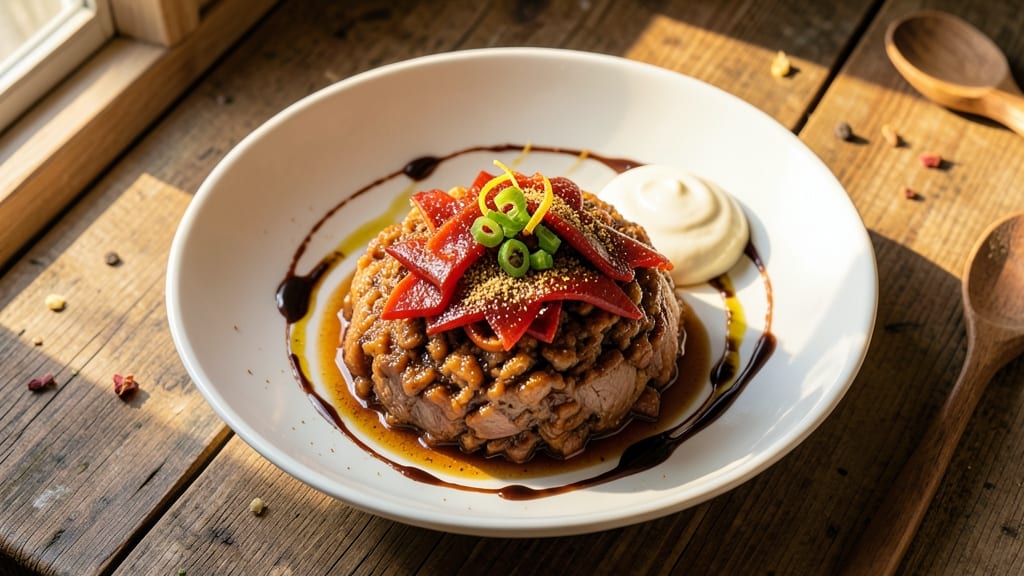
This Cantonese steamed minced pork recipe delivers the same aromatic, five-spice richness you'd find in Hong Kong dim sum shops—right in your own kitchen. The secret lies in marinating the pork with hoisin, char siu sauce, and a precise blend of spices that infuse every bite with warmth and depth.
Unlike traditional recipes that require hours of prep, this version transforms in just 20 minutes using a simple steaming technique that preserves all the juices and flavors.
The process begins with searing the minced pork over high heat to develop a caramelized crust, then steaming it to perfection in a bamboo steamer or metal mold. This two-step method ensures the exterior stays crisp while the interior remains tender and packed with flavor.
The result is a dish that's equally satisfying as a light lunch or part of a larger feast—think golden-brown dumpling wrappers filled with fragrant pork, ready to be dipped in chili sauce or served alongside steamed rice.
What makes this recipe truly special is the balance of textures and aromas: the five-spice powder adds a subtle warmth, while the hoisin and char siu sauce bring sweetness and umami.
Garnished with fresh scallions and toasted sesame seeds, each bite is a harmonious blend of savory, slightly sweet, and aromatic notes. The steaming method keeps the pork moist and flavorful, making it a foolproof technique even for beginners.
Serve these dumplings with a side of pickled vegetables or a spicy chili sauce for a complete Cantonese meal. The recipe scales easily, so you can make a single serving or double the batch for a crowd. Let’s get started on creating these fragrant, restaurant-quality dumplings at home.
Ingredients for cantonese steamed minced pork
Finely minced pork meets aromatic Cantonese spices for dumplings bursting with five-spice warmth.
| Ingredient | Amount | Notes |
|---|---|---|
| Ground Pork 🐖 | 1 lb | Finely minced for even cooking |
| Hoisin Sauce 🍶 | 2 tbsp | Store-bought or homemade |
| Char Siu Sauce 🍶 | 2 tbsp | Sweet and savory Cantonese sauce |
| Five-Spice Powder 🌶️ | 1 tsp | Toasted for deeper aroma |
| Light Soy Sauce 🥫 | 1 tbsp | Kikkoman preferred |
| Sesame Oil 🫒 | 1 tsp | Toasted for nutty flavor |
| Scallions 🧅 | 3 whole | Thinly sliced for garnish |
| Toasted Sesame Seeds 🌰 | 1 tsp | For crunchy texture |
| Cornstarch 🌾 | 1 tbsp | For crispy exterior |
| Neutral Oil 🫒 | 1 tbsp | Vegetable or canola |
| White Pepper 🌶️ | ¼ tsp | Freshly ground preferred |
| Garlic Cloves 🧄 | 2 cloves | Minced for aromatic base |
| Bamboo Steamer 🌿 | 1 whole | Or metal steaming mold |
| Steamed Rice 🍚 | 2 cups | For serving |
The ground pork is non-negotiable—ask your butcher for finely minced pork if the store doesn't carry it pre-ground. Whole Foods or Asian markets usually have it ready to use. For the five-spice powder, Penzeys or local Asian grocers carry the best quality, but any reputable brand works. Look for a blend that includes star anise, fennel, cinnamon, clove, and Sichuan peppercorn. The hoisin and char siu sauces should be authentic Cantonese brands—Lee Kum Kee is a reliable choice. If you can't find char siu sauce, substitute with an extra tablespoon of hoisin plus a dash of red food coloring for that signature pink hue.
No bamboo steamer? A metal steaming basket or even a colander over boiling water works perfectly. The sesame oil adds depth, but if you're avoiding gluten, use toasted sesame paste instead. For extra crispiness, toss the pork mixture with an additional 1/2 teaspoon cornstarch before shaping. The scallions can be swapped for green onions or chives if needed. If you're making this ahead, prep the filling and store it in the fridge for up to 2 days—steam straight from cold for best results. The steamed rice should be jasmine or long-grain for authentic texture.
This dish reheats beautifully—steam again for 3-4 minutes to restore crispiness. Store leftovers in an airtight container for 3-4 days or freeze for up to 3 months. For a crowd, double the batch—these dumplings freeze exceptionally well. Garnish with extra sesame seeds and scallions just before serving to keep everything vibrant. The aroma alone will have everyone at the table eager for seconds.
Why You'll Love This Recipe
- Here’s what sold me: this reheats like a dream. Cold or warmed, it’s still packed with flavor, so I make a big batch and use it in rice bowls, noodles, or even breakfast toast. Zero waste, maximum convenience.
- Five Spices Magic: Honestly, that five-spice powder transforms basic ground pork into something ridiculously aromatic—warm, slightly sweet, with a hint of cinnamon that lingers. I swear, it’s the secret weapon in this dish, and you only need a teaspoon.
- Steamer-Friendly Simplicity: Between us, this recipe is unfussy—just mix, steam, and serve. No fancy techniques, no last-minute scrambling. The hoisin and char siu sauce do all the heavy lifting while you prep rice or veggies.
- Leftover Goldmine: Here’s what sold me: this reheats like a dream. Cold or warmed, it’s still packed with flavor, so I make a big batch and use it in rice bowls, noodles, or even breakfast toast. Zero waste, maximum convenience.
Step-by-step instructions for Cantonese steamed minced pork
Here's how to achieve that signature five-spice aroma and tender texture in authentic Cantonese style.
Prepare the Pork Mixture
In a large bowl, combine the 1 lb ground pork with 2 tbsp hoisin sauce, 2 tbsp char siu sauce, 1 tsp five-spice powder, 1 tbsp light soy sauce, and 0.25 tsp white pepper. Mix thoroughly with your hands until all the ingredients are evenly distributed throughout the pork. The mixture should be cohesive but not sticky.
This combination of sauces creates the perfect balance of sweet, salty, and aromatic flavors. The five-spice powder adds depth that's essential to authentic Cantonese dishes. If you notice the mixture feels too dry, add 1 tsp sesame oil to help bind everything together while adding nutty undertones.
Add Aromatics and Cornstarch
Finely mince the 2 cloves garlic and thinly slice the 3 whole scallions, reserving half for garnish. Add these to the pork mixture along with the 1 tbsp cornstarch. Mix everything together again until the cornstarch is fully incorporated and the texture becomes slightly more compact.
The cornstarch serves two purposes here: it helps create that signature crispy exterior when steamed, and it prevents the pork from becoming too greasy during cooking. The garlic and scallions should be finely distributed throughout the mixture rather than forming clumps. If you're using a bamboo steamer, this texture ensures the pork will hold its shape beautifully during steaming.
Shape the Pork into Dumplings
Divide the pork mixture into 16 equal portions (about 1.5 ounces each). Wet your hands with water and roll each portion into a smooth, round dumpling about 2 inches in diameter. Place them on a plate lined with parchment paper, leaving about 1 inch of space between each dumpling.
For best results, aim for uniform size as this ensures even cooking. If the mixture feels too sticky while shaping, lightly wet your hands again. The dumplings should be smooth on the outside with no visible cracks. This shaping technique creates the perfect surface area for that crispy exterior when steamed.
Steam to Perfection
Set up your bamboo steamer according to the manufacturer's instructions, ensuring it has about 1 inch of water in the bottom. Bring the water to a gentle boil, then place the dumplings in the steamer basket, keeping them 1 inch apart to allow steam to circulate. Cover and steam over medium-high heat for 12-15 minutes.
You'll know they're perfectly cooked when the pork reaches an internal temperature of 160°F and the edges develop a slight crispiness. The dumplings should look plump and the pork should be tender but not falling apart. Be careful not to overcook as this can make them tough. The steaming process should create a beautiful contrast between the crispy exterior and tender interior.
Serve with Garnish
Remove the dumplings from the steamer and transfer them to a serving plate. Drizzle with 1 tsp sesame oil and sprinkle with the reserved thinly sliced scallions and 1 tsp toasted sesame seeds. Serve immediately with 2 cups steamed rice to soak up all the delicious juices.
The sesame oil adds a final nutty layer of flavor while the sesame seeds provide a satisfying crunch. Each bite should deliver that perfect balance of tender pork, aromatic five-spice blend, and crispy exterior. The dish is best enjoyed fresh when the pork is still warm and the flavors are most vibrant.
Pro Tips For Making Cantonese Steamed Minced Pork
- CHILL THE PORK FIRST: I learned this the hard way—skip pre-chilling the ground pork, and you’ll end up with greasy, uneven cooking. Stash it in the fridge for 20-30 minutes before mixing with sauces; the cold fat firms up, so it renders cleanly during steaming instead of turning your dish into a soggy mess.
- MIX SAUCES LAST: Five-spice and char siu sauce are bold—add them after the pork has cooked, not before. Start with hoisin and soy sauce in the raw mix, then fold in the other sauces and spices after the pork has steamed for 5 minutes. This keeps the flavors balanced and prevents the pork from drying out or turning bitter.
- STEAM IN BATCHES: Crowd the steamer basket, and the pork won’t cook evenly—some bits stay raw, others turn rubbery. Use a single layer, loosely packed, and steam in two rounds if needed. A wire rack over a heatproof plate works best; it lets steam circulate instead of pooling.
- UPGRADE WITH OIL: This isn’t traditional, but a teaspoon of neutral oil (like vegetable or peanut) tossed into the pork mix before steaming makes a real difference. The fat in ground pork is enough, but adding oil creates a lighter texture and helps the hoisin and char siu cling better—no more dry, crumbly edges.
Pro cooking tips for cantonese steamed minced pork
High-Heat Searing Secret
Before steaming, I swear by a quick high-heat sear in a nonstick pan with 1 tbsp neutral oil for 3-4 minutes. This creates a caramelized crust that locks in juices during steaming.
Use a 12-inch nonstick skillet (like GreenPan) and keep the heat at medium-high—too low and you'll get greasy pork instead of that perfect crispy exterior. 🔥
Five-Spice Toast Trick
For deeper flavor, toast the 1 tsp five-spice powder in a dry pan over low heat for 30 seconds until fragrant before mixing it into the pork. This releases the essential oils that make the difference between good and restaurant-quality.
Store-bought five-spice often lacks this depth—Penzeys or Golden Mountain brands are my go-tos for authentic Cantonese dishes. ✨
Steaming Altitude Adjustments
If you're above 3,000 feet, increase steaming time by 2-3 minutes because higher altitudes lower boiling points. For example, at 5,000 feet, steam for 15-17 minutes instead of 12-15.
Always check doneness with a meat thermometer—160°F internal temperature is perfect. I keep a Thermoworks Smoke thermometer handy for these adjustments. 🌡️
Dumpling Shaping Hacks
For perfectly shaped dumplings, use a 1-ounce kitchen scale to divide the pork into equal portions. Wet your hands with water or sesame oil (not soap!) and roll each portion between your palms using gentle pressure—think of it like shaping a snowball.
The dumplings should be about 2 inches in diameter with smooth, taut surfaces. Pro tip: If the mixture sticks, dip your fingers in cold water before shaping. 💫
Steamer Setup Safety
Never steam directly over boiling water—always use a steamer basket with at least 1 inch of space between the water and the dumplings. I use a bamboo steamer from Asian markets because it distributes steam evenly, but a metal colander works too.
Keep the lid slightly ajar during the first 2 minutes to allow excess moisture to escape, then close completely. This prevents soggy dumplings. ⚡
Garnish Timing Matters
Wait until the dumplings are piping hot before adding the final garnish of scallions and sesame seeds—this keeps them crisp rather than wilted. I like to drizzle with ½ tsp toasted sesame oil just before serving to enhance the nutty aroma.
For extra flair, add a few drops of chili oil or serve with dark soy sauce on the side. The contrast of textures and temperatures makes each bite unforgettable. 💛
Nutrition facts
Frequently asked questions
Can I substitute ground pork with another meat?
Ground chicken or turkey work well for a lighter option, but avoid lean meats like beef—they won't render fat properly and may dry out during steaming. For authentic texture, stick with pork. If using chicken, reduce steaming time to 10-12 minutes since it cooks faster.
What if I don't have a bamboo steamer?
No problem! Use a metal colander or even a heatproof plate with 1 inch of water in a pot below. Line the steamer with parchment paper to prevent sticking. For extra crispiness, add ½ teaspoon cornstarch to the pork mixture before shaping. A metal steaming basket works best for even heat distribution.
How do I make these without dumpling wrappers?
Shape the pork into 2-inch balls or patties instead! Serve them as steamed pork bites with rice and chili sauce. For a dim sum-style presentation, press the balls into tiny cups (like wonton wrappers) before steaming. The texture will be slightly different but still delicious.
Why does my pork mixture feel too dry?
Add 1 teaspoon sesame oil or ½ teaspoon water to bind the mixture. Mix gently with your hands—overmixing makes it tough. If it's still dry, try 1 extra tablespoon hoisin sauce for moisture. The texture should be cohesive but not sticky.
Can I make this ahead of time?
Yes! Prep the pork mixture and shape the dumplings up to 2 days ahead. Store in an airtight container in the fridge. Steam straight from cold for 14-16 minutes (add 2 extra minutes). For freezing, steam first, then freeze for up to 3 months. Reheat by steaming for 5-7 minutes.