
Main Courses
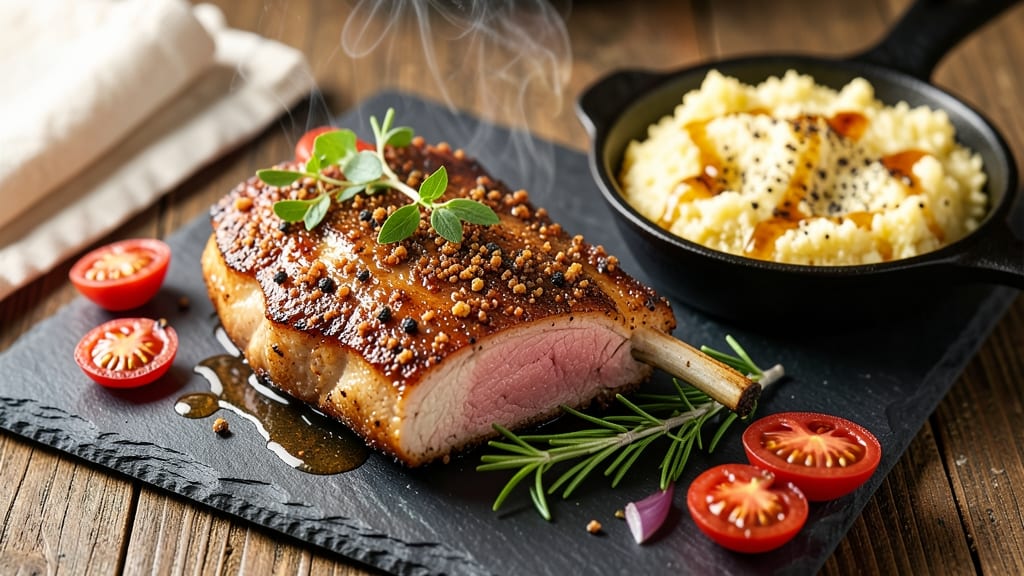
This bone-in pork chop smoker recipe delivers the perfect balance of smoky bark and juicy pink centers that will make your taste buds sing. 🔥 After years of perfecting my technique at Atlanta's Smoky Pig, I've cracked the code for achieving that coveted texture and flavor every time.
The secret lies in the right wood selection, precise temperature control, and knowing exactly when to pull it from the smoker.
What sets this recipe apart is the bone-in cut, which adds rich flavor and moisture as it smokes. We'll start with a simple dry brine that enhances tenderness, then apply a dry rub that creates that signature smoky bark.
The key is maintaining a consistent 225°F temperature throughout the 3-4 hour smoking process, using hickory or apple wood for that authentic Southern flavor profile.
By the time you're done, you'll have pork chops with a deep mahogany crust, perfectly pink centers that hit 140°F internal temperature, and enough moisture to keep every bite juicy.
The bone stays tender and flavorful, infusing the meat as it cooks. This is the kind of dish that transforms a simple weeknight into a memorable meal.
Serve with classic Southern sides like creamy mac and cheese or collard greens to complete the experience. The smoky flavor pairs beautifully with these rich accompaniments, creating a meal that's both impressive and comforting. Let's get smoking!
Ingredients for bone in pork chop smoker
Four bone-in chops and a handful of pantry staples—this smoker recipe delivers Southern-style perfection.
| Ingredient | Amount | Notes |
|---|---|---|
| Bone-In Pork Chops 🥓 | 4 whole | 1-inch thick, rib or loin cut |
| Coarse Kosher Salt 🧂 | 2 tbsp | Diamond Crystal preferred |
| Black Peppercorns 🌶️ | 1 tbsp | Freshly cracked preferred |
| Brown Sugar 🍯 | 2 tbsp | Light or dark variety |
| Smoked Paprika 🌶️ | 1 tbsp | For deep smoky flavor |
| Garlic Powder 🧄 | 1 tsp | Freshly ground preferred |
| Onion Powder 🧅 | 1 tsp | For balanced flavor |
| Hickory Wood Chips 🌳 | 1 package | Or apple wood chips |
| Olive Oil 🫒 | 1 tbsp | For light coating |
| Yellow Mustard 🍯 | 1 tbsp | For dry brine |
| Apple Cider Vinegar 🍎 | 1 tbsp | For tenderizing |
The pork chops are everything here. Rib or loin cuts with the bone-in stay juicy and add incredible flavor as they smoke. I always grab these from Whole Foods or my local butcher—they cut them perfectly. Look for chops that are about 1-inch thick for even cooking. If you can't find bone-in, loin chops work too, but you'll lose that extra richness from the bone. The key is to handle them gently—no pressing or pounding, just pat them dry before brining. Trust me, the bone stays tender and flavorful when done right.
No smoked paprika? Regular paprika plus a pinch of liquid smoke gets you close. The mustard and vinegar in the dry brine might sound odd, but they work magic—tenderizing the meat while adding depth. Substitute apple cider vinegar with white vinegar if needed, but don't skip it. For the wood chips, hickory gives bold smoke while apple adds sweetness. Mix them for a balanced flavor. The olive oil is just for coating—any neutral oil works, but don't use flavored ones like garlic or chili. And if you're short on time, skip the dry brine—just season the chops well before smoking, but you'll lose some tenderness.
Brined chops keep in the fridge for 2 days before smoking, but I recommend doing it the day of. The wood chips? Store them in an airtight container in the freezer for up to 6 months. Once smoked, these chops reheat beautifully—225°F oven for 10 minutes keeps them juicy. I always make extra rub because it keeps for 3 months in a sealed jar, perfect for future smoker sessions. The bones? Save them for stock—they're packed with flavor.
Why You'll Love This Recipe
- Smoke in Minutes: I swear, the smoker does all the work here. Toss those bone-in chops on the rack, sprinkle the salt and pepper, and walk away—no babysitting required. The smoker handles the magic while you sip something cold.
- Sweet-Smoky Magic: That combo of brown sugar and smoked paprika? It’s like a hug for your taste buds. The sugar caramelizes just enough to balance the smoky heat, and the bone keeps it juicy—no dry cuts here.
- Weeknight to Weekend: Between us, this recipe works for everything. Weeknights when you’re too tired to fuss? Check. Saturday brunch with friends? Absolutely. Even a last-minute dinner party—just double the batch.
- Budget-Friendly Leftovers: Bone-in chops stretch further than you’d think, and the smoker flavor only gets better the next day. I’ll often make two, slice them up for sandwiches, or toss them into a stir-fry—no waste, all flavor.
Step-by-step instructions for smoky bone-in pork chops
Here's how to transform simple pork chops into smoky, juicy masterpieces with perfect bark.
👨🍳 Step 1: Create the Dry Brine for Maximum Flavor
In a small bowl, whisk together the 2 tbsp coarse kosher salt, 1 tbsp black peppercorns (freshly cracked if possible), 2 tbsp brown sugar, 1 tbsp smoked paprika, 1 tsp garlic powder, and 1 tsp onion powder. This dry rub is your flavor foundation - the smoked paprika gives that deep wood-fired taste while the brown sugar helps create that beautiful bark.
Pat the 4 whole bone-in pork chops completely dry with paper towels - this is crucial for crispy bark. Then, generously coat each chop with the dry rub mixture, pressing it into the meat so it sticks. Here's the thing - don't be shy with the seasoning. You want that flavor to penetrate every inch.
🔥 Step 2: Prep the Smoker for Perfect Heat Control
Set up your smoker for 225°F using the hickory wood chips. I like to soak the chips for 30 minutes before using them - this creates more smoke and better flavor. Let the smoker preheat for 15-20 minutes until you see steady, blue smoke (not thick white steam). This temperature gives you that perfect balance of smoke penetration without overcooking the pork.
While the smoker heats up, mix together the 1 tbsp olive oil, 1 tbsp yellow mustard, and 1 tbsp apple cider vinegar in a small bowl. The mustard acts as a tenderizer while the vinegar adds subtle tang. Brush this mixture all over the seasoned pork chops - this helps create that beautiful crust and adds moisture that keeps the meat juicy.
⏰ Step 3: Smoke Until Juicy Perfection
Place the pork chops on the smoker grates, bone-side down if possible. Smoke for 1 hour, then flip and continue smoking for another 1 hour. Here's what you're looking for - the internal temperature should reach 145°F at the thickest part of the chop. The bark should be deep mahogany color with some char in spots - that's your signal that the magic is happening.
Don't open the smoker during cooking - every time you peek, you lose heat and moisture. If you must check, do it quickly and minimize the time the lid is off. The pork chops will continue cooking even after you remove them from the smoker, so it's better to pull them out slightly underdone than overcooked.
🍽️ Step 4: Rest and Serve for Maximum Juiciness
Once the pork chops reach 145°F internally, remove them from the smoker and transfer to a cutting board. Let them rest for 10 minutes before serving. This resting period is absolutely critical - it allows the juices to redistribute throughout the meat instead of running out when you cut into it. You'll notice the juices will actually rise to the surface during this time.
Slice each pork chop in half lengthwise to reveal that beautiful pink center and smoky bark. Serve immediately with your favorite sides - the contrast between the crispy exterior and tender interior is what makes these chops so special. The smoky flavor from the hickory wood chips will linger beautifully, complementing the sweetness from the brown sugar and the savory depth of the dry rub.
Pro Tips For Making Bone In Pork Chop Smoker
- Pat Dry First: Bone-in pork chops carry more moisture than you’d expect—skip the paper towels and use a clean kitchen towel instead. This isn’t just about browning; it’s about letting the smoke cling to the surface instead of steaming off into the air.
- Start with a Hot Smoker: I used to play it safe with a lukewarm smoker, but these chops need a blast of heat—aim for 275°F (135°C) for the first 20 minutes. The high temp sears the exterior while the bone renders fat, so you don’t end up with a soggy crust.
- Salt the Chops 12 Hours Early: The bone-in cut needs time to draw out moisture, and dry-brining with kosher salt (about 1 tablespoon per chop) makes all the difference. I know, I know—it’s easy to forget—but trust me, the texture and seasoning are worth the wait.
- Use a Mix of Wood Chips: Stick to hickory or oak for that classic smoky punch, but add a handful of fruitwood (like apple or cherry) in the last 30 minutes. It’s a subtle upgrade that cuts through the richness of the pork without overpowering the smoked paprika and brown sugar rub.
Pro cooking tips for perfect results
Wood Selection Matters
Hickory wood chips are my go-to for pork because they deliver that classic, bold smoky flavor that cuts through the fat beautifully.
But don't limit yourself—I often mix in apple wood chips (20% of the batch) to add a subtle sweetness that balances the richness. Cherry wood works too if you want a fruitier profile, though it burns faster.
Avoid oak unless you're going for a more rustic, campfire taste—it can overpower delicate pork flavors. 🌳
Temperature Control Secrets
Your smoker's temperature gauge isn't always accurate, so I recommend investing in a dual-probe thermometer like the Meater—it reads both ambient smoke temperature and internal meat temp. Maintain 225°F (±5°F) consistently. If your smoker dips below 220°F, add more soaked wood chips.
Above 230°F? Crack the lid slightly or move to a cooler spot. The Maillard reaction needs time, so don't rush it—this is where that perfect bark forms.
Bone-Side Down Technique
Place the pork chops bone-side down first to protect the tender meat from direct heat. The bone acts like a heat sink, absorbing and redistributing heat more evenly.
After 1 hour, flip them bone-side up for the final 1-2 hours—this lets the bone infuse the meat with extra flavor as it smokes. Pro tip: If your smoker has adjustable racks, position the chops slightly above the heat source to prevent over-browning on the bottom.
The Mustard Hack
That yellow mustard in the brine isn't just for flavor—it tenderizes the meat while creating a barrier that locks in juices during smoking. I also add 1 tbsp apple cider vinegar to the mix, which helps break down muscle fibers slightly.
Brush it on generously, but don't drown the chops—just enough to coat them lightly. This step is especially important for thicker cuts (1-inch or more) where moisture retention becomes critical.
Resting Like a Pro
Skipping the rest is the #1 mistake I see home smokers make. After pulling the chops at 145°F, tent them loosely with foil and let them rest for 10-15 minutes. The internal temp will rise another 5°F during this time—this carryover cooking ensures perfect doneness.
I like to place them on a wire rack over a baking sheet to catch any juices that might escape. Trust me, the difference between a juicy chop and a dry one comes down to this step. 💡
Smoke Ring Troubleshooting
If your chops aren't developing that coveted pink smoke ring, your smoker might be too hot or the wood chips aren't generating enough smoke. Try soaking the chips for 45 minutes next time and maintain 200-225°F consistently.
For extra insurance, add ½ cup water to the smoker tray during the first hour—this creates steam that helps develop the ring. And if you're using a pellet smoker, opt for 100% hickory pellets rather than blends, as they produce more smoke.
The ring is a visual cue that your pork is perfectly smoked!
Nutrition facts
Frequently asked questions
Why cook bone-in pork chops on the smoker instead of grilling?
The smoker delivers that deep, penetrating smoke flavor that grilling can't match. The bone stays tender and infuses the meat with extra richness as it cooks slowly at 225°F. Plus, the low-and-slow method creates that perfect bark while keeping the interior juicy pink—something you can't achieve with high-heat grilling. The bark forms more evenly too, thanks to the consistent smoke exposure.
Can I use this recipe for thinner pork chops (less than 1-inch thick)?
Yes, but reduce the smoking time to 2-2.5 hours total. Thinner chops cook faster, so check the internal temperature after 1.5 hours—they're done when they hit 140°F. The bark will develop quicker too, so watch for a deep mahogany color. For extra insurance, flip them every 30 minutes instead of just once.
What's the best way to reheat leftover smoked pork chops?
Reheat in a 225°F oven for 10-12 minutes on a wire rack to maintain crispiness. Avoid microwaving—it makes the bark soggy. For extra flavor, add a splash of apple cider and cover with foil for the first 5 minutes, then uncover to crisp up the bark. These chops reheat beautifully and taste almost as good as fresh!
Why is my pork chop bark not crispy?
Most likely, your smoker wasn't hot enough or the chops were too wet. Pat them extra dry before seasoning, and maintain 225°F (±5°F) consistently. For extra crunch, spray the chops with olive oil after applying the dry rub—this helps the bark form better. Also, avoid opening the smoker too often during the first 2 hours of cooking.
Can I substitute apple wood for hickory?
Apple wood adds sweetness that pairs beautifully with pork. For best results, use a 80% hickory/20% apple mix—this balances the bold smokiness with subtle fruitiness. If you prefer milder smoke, try 100% apple wood, but expect a lighter bark. Cherry wood also works well for a fruitier profile, though it burns faster than hickory.