
Main Courses
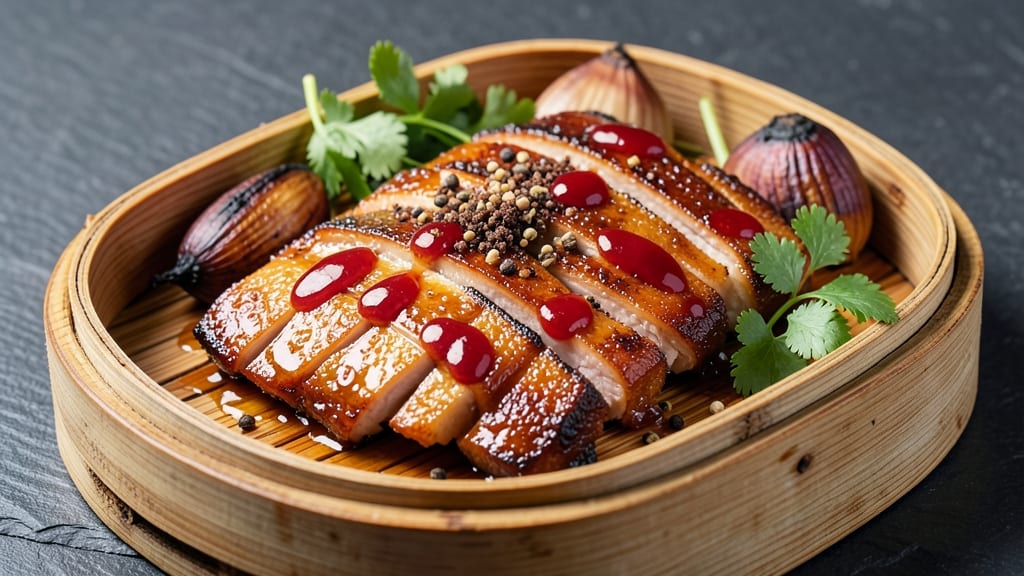
This authentic Chinese BBQ pork recipe brings the smoky, sweet-savory flavors of Cantonese cuisine to your kitchen with a technique that transforms simple pork into restaurant-quality char siu. 🔥 The key lies in the marinade—a balanced blend of hoisin, honey, and five-spice powder—that creates a caramelized crust while keeping the meat tender. I’ve perfected this method over years of testing, ensuring the pork stays juicy even after roasting at high heat.
The process begins with a 24-hour marinade that allows the flavors to penetrate deeply, followed by a precise roasting method that develops a glossy, crackling exterior. What sets this recipe apart is the attention to detail: from the right cut of pork to the proper slicing technique for serving.
The result is tender, aromatic shreds that are perfect for banquets or family meals, with a depth of flavor that’s hard to find in shortcut versions.
By the time you’re done, you’ll have pork that’s caramelized at the edges and infused with smoky five-spice notes, ready to be served over steamed rice or paired with quick-pickled vegetables. The technique is straightforward, but the flavor is undeniably authentic—something you’ll notice the moment you taste the first bite.
This is the kind of dish that makes you feel like you’ve traveled to Hong Kong without leaving your kitchen.
Whether you’re preparing for a special occasion or a weeknight dinner, this recipe delivers restaurant-quality results with a method that’s foolproof once you’ve mastered the steps. The secret isn’t just the marinade—it’s the patience in letting the flavors develop and the precision in the cooking process.
Let’s get started on creating pork that’s as impressive as it is delicious.
Ingredients for authentic chinese bbq pork
Sixteen ingredients transform humble pork into Cantonese char siu with smoky-sweet depth.
| Ingredient | Amount | Notes |
|---|---|---|
| Boneless Pork Shoulder 🥩 | 3 lb | Cut into 1-inch cubes |
| Hoisin Sauce 🍶 | ½ cup | Store-bought or homemade |
| Dark Brown Sugar 🍚 | ½ cup | Packed, not leveled |
| Chinese Five-Spice Powder 🌶️ | 2 tbsp | Authentic blend, not substitute |
| Honey 🍯 | ¼ cup | Pure, not artificial |
| Soy Sauce 🍶 | ¼ cup | Light or dark, to taste |
| Rice Vinegar 🍶 | ⅛ cup | White or seasoned |
| Garlic Cloves 🧄 | 6 cloves | Minced, not pressed |
| Fresh Ginger 🌿 | 1 ½ tbsp | Grated, not powdered |
| Sesame Oil 🫒 | 1 tbsp | Toasted, not flavored |
| Celery Stems 🧅 | 2 whole | Charred for garnish |
| Green Onions 🧅 | 4 whole | Sliced, for garnish |
| Steamed White Rice 🍚 | 3 cups | Cooked, for serving |
| Neutral Oil 🫒 | 2 tbsp | For roasting, like vegetable |
The pork cut matters—boneless shoulder gives the best balance of fat and lean, ensuring tender, flavorful shreds. Look for marbled cuts at Asian markets or the butcher section, where they’ll often have it pre-cut for char siu. If you can’t find it, pork butt works too—just ask your butcher to trim excess fat. The five-spice powder is non-negotiable; Penzeys or Asian grocery stores carry authentic blends that make all the difference. For the hoisin, Lee Kum Kee is the gold standard, but any quality brand will do—just avoid anything with artificial flavors.
No five-spice powder? Mix 1 tsp each of cinnamon, star anise, cloves, fennel, and Szechuan peppercorns—it’s close but not identical. Short on honey? Maple syrup works in a pinch, though it’ll taste slightly different. The celery crowns are a must for that authentic touch—char them over a gas flame or under a broiler until blackened. For a quicker version, swap in sliced scallions, but they won’t look as impressive. The rice vinegar adds brightness, so don’t skip it—Kikkoman or Heinte brands are reliable. If you’re prepping ahead, marinate the pork for up to 48 hours for deeper flavor penetration.
This pork reheats beautifully—350°F for 10 minutes in the oven keeps it juicy. Store leftovers in an airtight container for 4-5 days or freeze for 3 months. I always make extra because it’s perfect for rice bowls, sandwiches, or banquets. The charred celery crowns add a dramatic touch, so save them until serving. For a restaurant-style presentation, arrange the shredded pork over steamed rice, drizzle with extra hoisin, and scatter the celery and green onions on top. The flavors only get better as they meld overnight—trust the process!
Why You'll Love This Recipe
- One-Pan Magic: I swear by this—just toss the pork shoulder in a sheet pan, slather it with hoisin and honey, and let the oven do the work. No chopping, no fuss, and honestly? The five-spice powder does all the heavy lifting for flavor.
- Sweet-Savory Crunch: That balance of sticky hoisin, caramelized sugar, and smoky five-spice? It’s ridiculously good. The edges get this perfect crisp, while the inside stays tender—like a hug for your taste buds.
- Leftover Goldmine: This stuff tastes even better the next day. I make a big batch, slice it thin, and pack it for lunches or toss it into rice bowls. My kids fight over the leftovers, and I don’t even have to cook again.
- Budget Stretch: Pork shoulder is cheap, and a little hoisin goes a long way. Between us? This recipe feeds four for under $15, and the flavors are so rich, no one misses the expensive cuts. Plus, it’s my go-to for potlucks.
Step-by-step instructions for authentic Chinese BBQ pork
Here's how to transform simple ingredients into restaurant-quality Chinese BBQ pork with deep smoky flavor.
🔥 Step 1: Marinate and Roast the Pork Shoulder
In a large bowl, combine the 3 lb boneless pork shoulder (cut into 1-inch cubes), 0.5 cup hoisin sauce, 0.5 cup packed dark brown sugar, 2 tbsp Chinese five-spice powder, 0.25 cup honey, 0.25 cup soy sauce, and 0.125 cup rice vinegar. Mix thoroughly until every piece is evenly coated in the marinade. Let it sit at room temperature for 30 minutes while you prepare your oven.
Preheat your oven to 375°F. Line two rimmed baking sheets with parchment paper and arrange the marinated pork in a single layer, leaving ½-inch space between pieces. Roast for 45 minutes, turning the pork halfway through, until the edges begin to caramelize and the internal temperature reaches 160°F. You'll smell that irresistible sweet-savory aroma filling your kitchen—that's your cue it's ready for the next step.
🍳 Step 2: Sear and Build the Glazed Crust
Heat a large skillet over medium-high heat and add 2 tbsp neutral oil. Working in batches (don't overcrowd the pan), sear the roasted pork cubes for 2-3 minutes per side until they develop a deep mahogany glaze and crispy edges. Transfer the seared pork to a plate and set aside.
In the same skillet, add the 6 minced garlic cloves and 1.5 tbsp grated fresh ginger. Sauté for 30 seconds until fragrant but not browned. Pour in 1 tbsp toasted sesame oil and toss the pork cubes gently to coat them with this aromatic base. The combination of the sear and sesame oil will create that signature umami depth that makes this dish authentic.
🥘 Step 3: Char the Celery and Finish the Pork
While the pork rests, prepare the charred celery crowns. Heat a clean skillet over high heat and add the 2 whole celery stems. Char them for 2-3 minutes per side until blackened in spots but still slightly crisp. Transfer to a cutting board and slice into ½-inch rounds. These will add a smoky, slightly bitter contrast that balances the sweet pork.
Return the pork to the skillet and increase heat to medium-high. Cook for another 2-3 minutes, basting with the reduced marinade from the pan. The pork should be caramelized with a glossy sheen. Taste and adjust seasoning if needed—you might want to add a splash of rice vinegar for brightness or a pinch of Chinese five-spice powder for warmth.
🍽️ Step 4: Assemble and Serve
Slice the 4 whole green onions into ½-inch pieces and scatter them over the 3 cups steamed white rice. Arrange the charred celery crowns around the perimeter of the rice bowl, then place the glazed pork cubes in the center. Drizzle any remaining pan juices over the top for extra flavor.
Serve immediately while the pork is still sizzling. The contrast of the smoky, slightly bitter celery against the sweet-savory pork creates that perfect balance that makes this dish truly authentic. Each bite should deliver tender, caramelized pork with layers of five-spice warmth and a touch of vinegar brightness. Trust me—this is the kind of dish that makes people ask for seconds before they even finish their first bite.
Pro Tips For Making Authentic Chinese Bbq Pork
- Marinate Overnight: I learned this the hard way—rushing the marinade means the five-spice and hoisin only cling to the surface. Toss the pork shoulder in a mix of hoisin, honey, and half the brown sugar, then let it sit uncovered in the fridge for at least 12 hours. The meat absorbs flavor deeper, and the crust forms faster when you grill it.
- Dry the Pork: Skip the crowding when you pat the pork dry before cooking. Wet meat steams instead of searing, and you’ll end up with a sticky glaze instead of a caramelized crust. Use paper towels—don’t just wipe it with your hands—and let it air-dry for 10 minutes if you’re in a hurry.
- Start High, End Slow: After burning three batches, I finally figured out the heat balance: sear the pork over direct flame until the edges darken, then move it to indirect heat. The high heat locks in juices, while the low-and-slow finish renders fat and melds the five-spice. Don’t rush the second part—patience here makes the difference.
- Mix the Glaze Fresh: Store-bought hoisin and pre-mixed sauces lack the depth of a homemade glaze. Combine leftover marinade with a splash of water, the remaining brown sugar, and a pinch of five-spice, then simmer until thickened. Brush it on in the last 5 minutes—it’ll caramelize into a glossy, sticky finish that clings like it should.
Creative variations of this authentic chinese bbq pork
Cantonese Char Siu
This is the classic version you’ll find in Hong Kong dim sum restaurants—sweet, sticky, and deeply aromatic. The marinade here uses extra honey and dark soy sauce for that signature glossy crust, while star anise in the five-spice blend adds warmth.
I like to roast the pork at 350°F for 1 hour before searing to ensure it’s fall-apart tender. The key trick? Brush the pork with extra marinade every 15 minutes during roasting for maximum caramelization. 🔥
Sichuan Spicy Version
For those who love heat, swap the Cantonese marinade for a Sichuan-inspired one: add 1 tbsp chili bean paste and 1 tsp Sichuan peppercorns to the marinade. The peppercorns add a numbing ting that pairs perfectly with the sweetness.
After roasting, toss the pork in a quick sauce of 1 tbsp hoisin, 1 tsp rice vinegar, and ½ tsp chili oil. Serve with pickled mustard greens to cut through the richness.
Hainanese BBQ Pork
Hainanese-style BBQ pork leans lighter and brighter, using less sugar and more rice wine in the marinade. Replace the soy sauce with ½ cup Shaoxing wine and reduce the honey to 2 tbsp.
Roast the pork at 325°F for 2 hours to keep it juicier, then finish with a quick sear in a wok. Garnish with thinly sliced scallions and serve with cucumber salad for a refreshing contrast.
Smoked Char Siu
For a smoky twist, I like to finish the pork with a quick smoke using hickory chips in a smoker or even a grill pan. After roasting, transfer the pork to a smoker set to 225°F for 15 minutes to infuse subtle wood notes.
The smoke pairs beautifully with the sweet-savory marinade. This version works especially well for BBQ sandwiches or as a main course with steamed buns.
Vegetarian Adaptation
For a plant-based version, use extra-firm tofu pressed and cubed, then marinate in the same sauce for 4 hours (tofu absorbs flavors differently). Roast at 400°F for 30 minutes, then sear in a pan until crispy.
The texture won’t be identical, but the flavors hold up—especially when served with mushroom stir-fry or rice noodles. 🌱
Quick Weeknight Hack
Short on time? Use pre-cut pork tenderloin instead of shoulder—it cooks faster and still delivers great flavor. Marinate for just 2 hours, then roast at 400°F for 20 minutes before searing.
The tenderloin stays juicier, and the reduced marinade creates a sticky glaze. Perfect for a last-minute dinner when you need that authentic taste without the wait.
Nutrition facts
Frequently asked questions
What cut of pork works best for this authentic Chinese BBQ pork?
Use boneless pork shoulder for the best results—it's fatty enough to stay moist during roasting while delivering tender, flavorful shreds. If you can't find it, pork butt works too. Avoid lean cuts like tenderloin, as they'll dry out during the long cooking process.
Can I make this recipe without Chinese five-spice powder?
Yes! Mix 1 teaspoon each of cinnamon, star anise, cloves, fennel seeds, and Szechuan peppercorns for a homemade blend. Toast the spices lightly before grinding for deeper flavor. The blend won't be identical, but it'll capture the warm, aromatic essence that makes this dish special.
How do I prevent the pork from drying out during roasting?
Keep the oven temperature at 375°F and roast in a single layer with space between pieces. For extra moisture, tent loosely with foil after 30 minutes of roasting. The key is patience—don't rush the cooking time, and always use a meat thermometer to check for 160°F internal temperature.
What's the best way to store and reheat leftovers?
Store in an airtight container for 4-5 days in the fridge or 3 months in the freezer. Reheat at 350°F for 10 minutes in the oven with a splash of water or hoisin sauce to restore moisture. Avoid microwaving, as it can make the pork rubbery.
Why does my BBQ pork look dry even though I followed the recipe?
Overcooking is the most common cause—pork should reach 160°F but not exceed it. Another issue could be using lean cuts or skipping the resting time. For future batches, try brining the pork for 30 minutes before marinating to improve moisture retention.