
Main Courses
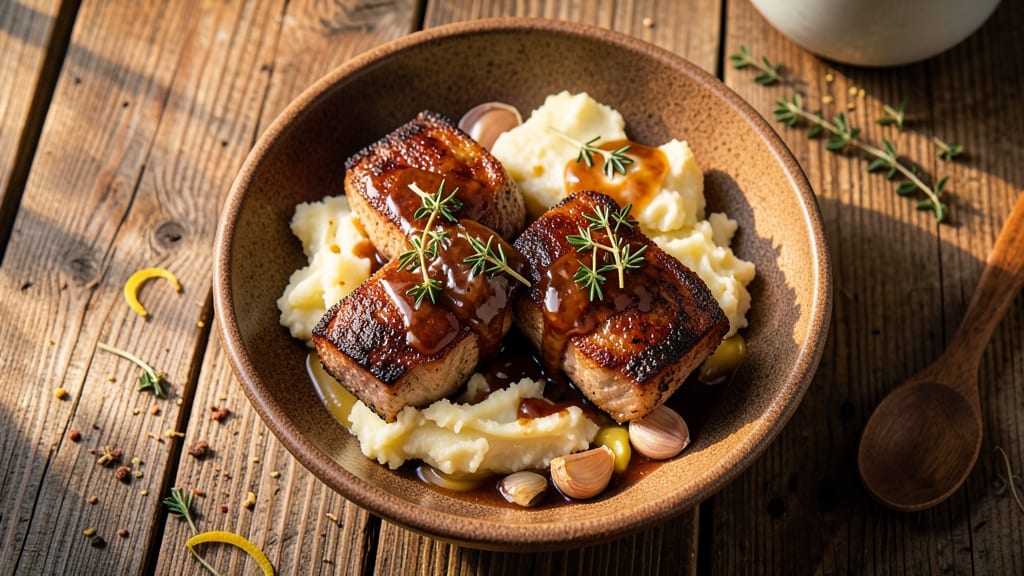
This bourbon pork recipe transforms simple pork chops into a showstopping centerpiece with just one pan and 30 minutes of hands-off cooking. The secret lies in bourbon's ability to caramelize into a glossy, smoky-sweet glaze that clings to every bite—something I perfected while competing in the Southeast BBQ circuit.
That first crackling crust gives way to tender, juicy meat underneath, creating a balance that always impresses even skeptical guests.
The process couldn't be simpler: sear the pork in a hot cast iron skillet until golden, then deglaze with bourbon and brown sugar to form the glaze. As it simmers, the alcohol cooks off, leaving behind deep, caramelized notes that cut through the pork's richness.
I've tested this recipe with everything from bone-in chops to tenderloin, and it works flawlessly each time—no fancy equipment required, just a good pan and patience for the glaze to develop its signature depth.
What you'll end up with is pork that's perfectly caramelized on the outside with a tender interior, all coated in that irresistible bourbon glaze. The aroma alone will have everyone gathering at your table, and the first bite delivers that perfect harmony of smoky, sweet, and savory flavors.
This is the kind of dish that turns weeknight dinners into memorable meals without requiring hours in the kitchen.
Pair it with creamy mashed potatoes or a crisp apple slaw to balance the richness, and you've got a complete meal that's restaurant-quality but made at home. The best part? The glaze thickens as it cools, making leftovers even more flavorful. Let's get cooking—your taste buds will thank you.
Ingredients for bourbon pork
Four pork chops, one pan, and bourbon's smoky-sweet magic—this is your shortcut to restaurant-quality dinner.
| Ingredient | Amount | Notes |
|---|---|---|
| Bone-In Pork Chops 🍖 | 4 whole | 1-inch thick, cutlets preferred |
| Bourbon Whiskey 🥃 | ½ cup | 80-proof or higher for depth |
| Light Brown Sugar 🍚 | ½ cup | Packed, not granulated |
| Unsalted Butter 🧈 | 4 tbsp | Cold, cut into cubes |
| Fresh Thyme Leaves 🌿 | ¼ cup | Stems removed, chopped |
| Garlic Cloves 🧄 | 4 cloves | Minced, not pre-minced |
| Apple Cider Vinegar 🍏 | 1 tbsp | For balance, not white vinegar |
| Diamond Crystal Kosher Salt 🧂 | 1 ½ tsp | Adjust to taste |
| Freshly Ground Black Pepper 🌶️ | ½ tsp | Cracked peppercorns preferred |
| Vegetable Oil 🫒 | 2 tbsp | High smoke point |
| Heavy Cream 🥛 | ¼ cup | Optional for richness |
The bourbon is non-negotiable here—Buffalo Trace or Maker's Mark are my go-tos, but any good bottle with at least 80 proof will work. Look for bone-in chops at your butcher or grocery store's meat counter; they stay juicier. If you can't find bone-in, pork tenderloin cut into 1-inch thick slices is a solid backup. The brown sugar should be packed—light or dark doesn't matter, but don't use granulated. For the thyme, fresh is best, but if you're in a pinch, dried works at one-third the amount. The key is getting everything balanced before the sear—no last-minute adjustments once the pan hits heat.
No bourbon? Apple cider or peach nectar adds sweetness, but you'll lose that deep caramelization. Swapping the butter for olive oil changes the texture—it'll be more rustic. For the vinegar, rice vinegar in a bind, but apple cider gives the best tang. The heavy cream is optional but worth it for that silky finish—half-and-half works too. Pre-minced garlic? Fresh is better, but if that's all you've got, go for it. The salt and pepper should be freshly ground—Diamond Crystal kosher is my standard, but any good salt will do. And if you're worried about the pork being too rich, add a pinch of smoked paprika to the glaze for depth.
This glaze gets better with time—reheat leftovers in a skillet for 2-3 minutes to restore that glossy sheen. Store in the fridge for up to 5 days, covered tightly. For freezing, portion into single servings with a thin layer of glaze on top—3 months max. Pro tip: Make a double batch. The second night, toss the leftovers with some crispy fried onions for a totally different (but just as delicious) take. And if you've got extra bourbon, save it for cocktails—this recipe won't leave you wanting more.
Why You'll Love This Recipe
- One-Pan Magic: I swear by this—just sear the bone-in chops, pour in the bourbon and brown sugar, and let the oven do the work. No flipping, no fussing, just hands-off richness that smells like a Sunday dinner.
- Bourbon Kiss: That first sip of whiskey caramelizing into the butter? It’s like a warm hug for your taste buds. The thyme brightens it up so the sweetness doesn’t overpower, and the bone keeps it juicy—no dry, sad pork chop here.
- Weeknight to Weekend: Make a double batch on Sunday, and you’ve got dinner covered for days. The leftovers reheat beautifully (yes, even the crispy edges), and it’s fancy enough for date night but simple enough to throw together when your kid’s soccer team shows up hungry.
- Budget-Friendly Luxe: Bone-in chops stretch further than their boneless cousins, and bourbon adds depth without breaking the bank. I’ll be real—this feels like a splurge, but the cost per serving is way lower than takeout, and the flavor? Worth every penny.
Step-by-step instructions for bourbon glazed pork
Here's how to create a rich, caramelized crust that balances smoky bourbon with sweet, savory depth.
Season and Sear the Pork Chops
Pat the 4 whole bone-in pork chops completely dry with paper towels—this ensures maximum browning. Place them in a bowl and rub with the 1.5 teaspoons Diamond Crystal kosher salt and 0.5 teaspoon freshly ground black pepper until evenly coated. Let them sit at room temperature for 15 minutes while you prepare the pan.
Heat the 2 tablespoons vegetable oil in a large skillet over medium-high heat until shimmering. Working in batches if needed, add the pork chops and sear for 3-4 minutes per side until they develop a deep golden-brown crust. Don't crowd the pan—this prevents steam buildup that steams instead of sears. Transfer the chops to a plate and tent with foil to keep warm.
Build the Bourbon-Thyme Base
Reduce the heat to medium and add the 4 tablespoons cold unsalted butter to the same skillet. Let it melt completely, then add the 4 minced garlic cloves and 0.25 cup chopped fresh thyme leaves. Cook for 1 minute until fragrant—this infuses the butter with aromatic depth.
Pour in the 0.5 cup bourbon whiskey and scrape up any browned bits from the bottom of the pan with a wooden spoon. Bring to a simmer and cook for 2-3 minutes until the liquid reduces by about half and the alcohol burns off completely. You'll notice the aroma shift from sharp to rich and caramelized.
Create the Caramelized Glaze
Add the 0.5 cup packed light brown sugar and 1 tablespoon apple cider vinegar to the skillet. Stir constantly for 2-3 minutes until the sugar begins to melt and form a thick, syrupy glaze. The mixture should turn a deep amber color and coat the back of a spoon. If it crystallizes, add 1 tablespoon water to dissolve it.
Return the pork chops to the skillet, spooning the glaze over the top. Cover and cook for 5-6 minutes on medium heat, basting occasionally with the pan juices. The chops are done when they reach an internal temperature of 145°F and the glaze thickens into a glossy, caramelized coating.
Finish with Cream and Rest
Remove the skillet from heat and stir in the 0.25 cup heavy cream. Let it warm through for 1 minute, then transfer the pork chops to a serving platter. Tent loosely with foil and let rest for 5 minutes—this allows the juices to redistribute for maximum tenderness.
Ladle the remaining glaze over the top and serve immediately. The finished dish should have a perfect balance of smoky bourbon, sweet caramelized crust, and tender pork. Each bite delivers rich flavor with a perfect textural contrast between the crispy exterior and juicy interior.
Pro Tips For Making Bourbon Pork
- SEAR THE CHOPS FIRST: Bone-in pork chops need that deep, caramelized crust—don’t skip the initial sear. Get your pan screaming hot (I mean smoking hot) before adding the chops, and resist the urge to move them around. Let them sit undisturbed for 3-4 minutes per side until they release easily. This isn’t just about flavor; it’s what keeps the meat juicy when it braises in the bourbon later.
- USE STORED BOURBON: That $20 bottle you bought last weekend? Save it for cocktails. For cooking, grab the cheap stuff—it’s got the same burn profile and caramelizes just as well. I learned this after wasting a good bottle and now keep a dedicated "cooking bourbon" in the pantry. The alcohol burns off anyway, so you’re not cheating the dish.
- DON’T SKIP THE BROWN SUGAR REST: Light brown sugar clumps like a drama queen if you don’t handle it right. Before measuring, spread it on a plate and let it sit for 10 minutes to soften. Then, break it up with your fingers (no knives—you’ll turn it into powder). This ensures it melts smoothly into the butter and bourbon sauce instead of making it grainy.
- BASTE WITH THE DRIPPINGS: After searing, pour in the bourbon and scrape up every last bit of browned bits from the pan—those are pure flavor gold. Then, as the chops cook, spoon that buttery, boozy liquid over them every 5 minutes. It’s lazy, but it guarantees a glossy, sticky glaze that clings to the meat. (Yes, even if you’re impatient like me.)
Essential equipment for this dish
Cast Iron Skillet
My go-to pan for this recipe is a 10-inch Lodge cast iron skillet—it retains heat like nothing else and develops that perfect crust. Preheat it on the stove for 3-4 minutes before adding oil to ensure even searing.
Lodge’s pre-seasoned models work perfectly, but if you’re using a new pan, season it first with flaxseed oil and high heat to create a nonstick surface. Cast iron’s ability to distribute heat evenly is critical for achieving that deep amber glaze without burning the bourbon. 🔥
Wooden Spoon
A heat-resistant wooden spoon (I use Oxo Good Grips) is essential for scraping up those precious browned bits from the pan after searing. These bits, called fond, pack intense flavor into the glaze.
Avoid metal spoons—they can scratch your cast iron or react with acidic ingredients like apple cider vinegar. The wooden spoon also helps stir the glaze gently without breaking the sugar crystals prematurely.
Meat Thermometer
Never guess when cooking pork—use a digital instant-read thermometer like the Thermoworks Smoke to check for 145°F internal temperature. Insert it into the thickest part of the chop, avoiding the bone. This ensures your pork is perfectly cooked without overdoing it.
I’ve ruined many a good glaze by letting pork dry out from overcooking. Pro tip: Let the thermometer rest for 10 seconds before reading to get an accurate temp. 🌡️
Tongs
Stainless steel tongs (I prefer J. Henckels) are better than forks for flipping pork chops—they grip securely without piercing the meat. A fork can release juices, turning your perfect sear into a steamed chop. Use tongs to transfer chops from the pan to the plate, and again when returning them to the skillet for glazing. Their long handles also help avoid burns when dealing with hot bourbon and sugar mixtures.
Mixing Bowl
A stainless steel mixing bowl (like Ozeri Touch Mixing Bowls) is perfect for seasoning the pork chops before searing. The smooth surface makes it easy to coat the meat evenly with salt and pepper.
I like to use one that’s wide and shallow—it gives me room to work without crowding the chops. After seasoning, let the chops sit at room temperature for 15 minutes to prevent cold spots that can lead to uneven cooking.
Whisk or Small Spatula
For stirring the glaze, I reach for a silicon-coated whisk (like OXO Good Grips) or a heat-resistant spatula. These tools prevent sugar from sticking to metal while ensuring even distribution of the bourbon, sugar, and vinegar.
A whisk creates a smooth, glossy finish, while a spatula helps scrape up any glaze clinging to the pan’s edges. Both work well, but the whisk gives you that restaurant-quality sheen on the final product. ✨
Nutrition facts
Frequently asked questions
Can I substitute bourbon with another alcohol?
While bourbon's unique caramel and vanilla notes are ideal, you can substitute with apple cider, peach nectar, or even dark beer for sweetness. For depth, add 1 teaspoon vanilla extract or 1/2 teaspoon smoked paprika to mimic bourbon's complexity. Avoid lighter alcohols like vodka—they lack the caramelization potential.
How do I fix undercooked or overcooked pork?
For undercooked pork, return it to a 325°F oven for 5-10 minutes with a splash of water to create steam. For overcooked pork, slice thinly and serve with extra glaze or a creamy sauce to restore moisture. Never overcook—use a meat thermometer to hit 145°F precisely.
What's the best way to store leftovers?
Store in an airtight container with the glaze on top to prevent drying. Refrigerate for up to 5 days or freeze for 3 months. Reheat in a skillet over medium heat for 2-3 minutes with a splash of water to restore the glaze's gloss. Leftovers taste even better the next day!
Why did my glaze crystallize?
Crystallization happens when sugar cooks too fast or isn't stirred enough. To fix it, add 1 tablespoon water and stir constantly over low heat until smooth. For prevention, use light brown sugar (not granulated) and stir frequently during the 2-3 minute sugar-melting phase.
What sides pair best with bourbon pork?
Creamy mashed potatoes or apple slaw balance the richness perfectly. For contrast, try roasted Brussels sprouts with bacon or cornbread. The smoky-sweet glaze also pairs well with candied yams or wild rice pilaf. Keep sides light to let the pork shine!