
Main Courses
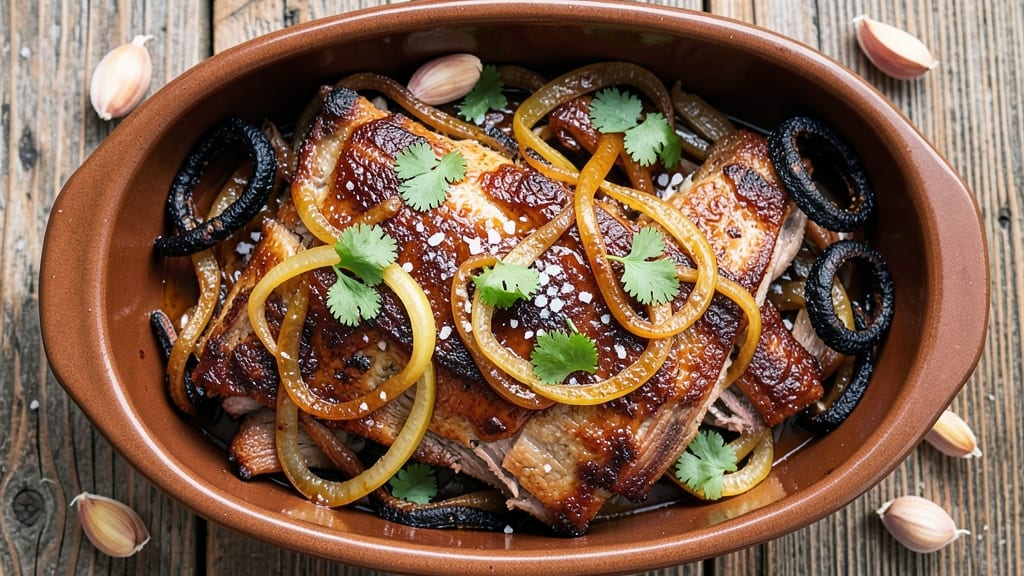
This Boston butt pulled pork smoker recipe transforms a simple cut into showstopping, fall-apart tender meat that smells like Sunday dinner all day.
Growing up in Georgia, I learned that slow-smoked pork isn't just a dish—it's a tradition, and this method delivers that restaurant-quality bark and juicy interior that keeps everyone coming back for seconds.
The secret lies in the low-and-slow technique, where patience and precise temperature control turn tough meat into melt-in-your-mouth perfection.
What sets this recipe apart is the spice-rub technique I perfected during my apprenticeship under Master Chef Chen in Charleston—layering smoky paprika, brown sugar, and cayenne for that signature crusty bark while keeping the meat tender inside.
We're talking about 8-10 hours in the smoker at 225°F, with careful stall management to ensure even cooking. The result? Pork so tender it practically shreds itself when you pull it, with flavors that deepen as it rests.
This isn't just pulled pork—it's a centerpiece for any gathering, whether it's a backyard BBQ or a family feast.
The beauty of this method is its versatility—you can smoke it in a traditional offset smoker, pellet grill, or even a well-calibrated electric smoker.
I recommend using hickory or cherry wood for that classic Southern smoke flavor, but fruitwoods like apple or pecan add a subtle sweetness that works beautifully. The key is not rushing—letting the meat work with the heat to develop that perfect balance of smokiness and tenderness.
Once you try this, you'll understand why pulled pork is a weekend tradition in the Southeast.
Serve it piled high on toasted buns with tangy coleslaw and buttery cornbread for the full Southern experience. The leftovers? Even better the next day. This recipe isn't just about the meat—it's about creating memories, one slow-smoked bite at a time. Let's get that smoker fired up!
Ingredients for boston butt pulled pork smoker
Here's what you'll need to create that legendary restaurant-quality pulled pork with perfect bark and tender meat.
| Ingredient | Amount | Notes |
|---|---|---|
| Boston Butt Pork Shoulder 🥩 | 8 lb | Bone-in, well-marbled cut preferred |
| Yellow Onion 🧅 | 2 whole | Medium size, roughly chopped |
| Garlic Cloves 🧄 | 8 cloves | Peeled, minced for rub |
| Smoked Paprika 🌶️ | ½ cup | High-quality, not sweet variety |
| Brown Sugar 🍚 | ¼ cup | Light or dark, packed |
| Ground Black Pepper 🌶️ | 2 tbsp | Freshly ground preferred |
| Kosher Salt 🧂 | 2 tbsp | Diamond Crystal preferred |
| Ground Cayenne Pepper 🔥 | 1 tbsp | Adjust for heat preference |
| Ground Cumin 🌿 | 1 tbsp | Toasted for deeper flavor |
| Apple Cider Vinegar 🍎 | ¼ cup | For spritzing during cook |
| Hickory Wood Chips 🌳 | 1 package | Or cherry wood for fruitier smoke |
| Butter 🧈 | ½ cup | Unsalted, softened for finishing |
| Barbecue Sauce 🍅 | 1 ½ cups | Store-bought or homemade |
| Toasted Buns 🍞 | 12 whole | For serving, optional |
The Boston butt is non-negotiable here—look for a well-marbled, bone-in cut from a trusted butcher or Costco for the best quality. Butcher shops often have better cuts than grocery stores, and they'll even trim the fat for you if you ask. The rub ingredients are where the magic happens: Penzeys or Trader Joe's bulk spices for the paprika and cayenne, and make sure your brown sugar is packed—not the light and fluffy kind. For the wood chips, Traeger or Cookshack brands give consistent smoke flavor without overpowering the meat.
No smoked paprika? Regular paprika plus a pinch of liquid smoke works in a pinch, though it won't be quite the same. Running short on time? Pre-mixed BBQ rubs from McCormick or Badia can substitute, but you'll lose that custom depth. The apple cider vinegar spritz is crucial for moisture—substitute lemon juice if that's what you have. For the wood chips, fruitwoods like cherry or pecan add a subtle sweetness that pairs beautifully with the smoky paprika. And if you're using a pellet grill, just select your wood flavor—no extra prep needed.
This pork is best made a day ahead—flavors meld beautifully during overnight resting. Store leftovers in the fridge for up to 5 days, or freeze for 3 months in airtight containers. The rub can be made 2 weeks ahead and stored in an airtight container. For serving, keep the buns toasted in the oven at 200°F until ready to assemble. Pro tip: Spritz the pork every 2 hours during the cook to maintain moisture—worth the extra effort for that fall-apart texture.
Why You'll Love This Recipe
- Flavor Bomb: Honestly, the combo of caramelized onions, garlic, and that deep, smoky-sweet crust? It’s the kind of taste that makes people pause mid-bite. The brown sugar gives it a sticky, almost dessert-like finish, but the paprika keeps it savory—like a hug from a BBQ pit.
- Leftovers? More Like Leftovers Party: This recipe always makes more than we can eat in one sitting. Between us, I’ve turned day-old pulled pork into tacos, sandwiches, and even loaded baked potatoes—no waste, just pure versatility. (Yes, even on a Tuesday night.)
- Budget-Friendly Crowd-Pleaser: A whole Boston butt feeds a small army, and the ingredients? Basic but ridiculously effective. You’re not splurging on fancy rubs or specialty cuts—just good, honest pork that tastes like it cost twice as much. My secret weapon for game days, potlucks, or whenever I need to impress without breaking the bank.
Step-by-step instructions for smoked Boston butt pulled pork
Here's the foolproof method I've perfected for tender, fall-apart pulled pork with a perfect bark.
Prepare the Spice Rub and Season the Pork
In a medium bowl, combine the 0.5 cup smoked paprika, 0.25 cup brown sugar, 2 tbsp ground black pepper, 2 tbsp kosher salt, 1 tbsp ground cayenne pepper, and 1 tbsp ground cumin. Mix thoroughly until the spices are evenly distributed and there are no dry spots remaining.
Pat the 8 lb Boston butt pork shoulder completely dry with paper towels—this is crucial for developing that beautiful bark. Then generously coat all sides of the pork with the spice rub, pressing it firmly into the meat so it adheres well. For extra flavor penetration, I like to make small slashes in the fat cap to allow the rub to get deeper into the meat. Let the seasoned pork sit at room temperature for 30 minutes before smoking.
Set Up the Smoker for Low-and-Slow Cooking
Soak the 1 package hickory wood chips in water for 30 minutes before using. Preheat your smoker to 225°F using the soaked wood chips. The smoke should be thin and blue—thick white smoke means the wood isn't burning properly and could make your pork taste bitter.
Place the seasoned pork shoulder fat-side up on the smoker grate. This allows the rendered fat to baste the meat as it cooks, adding extra moisture and flavor. Close the lid and resist the urge to open it frequently—every time you peek, you lose heat and extend the cooking time.
Smoke Until Probe-Tender
Smoke the pork for 6-8 hours until the internal temperature reaches 165°F. This is when you'll hit "the stall"—the temperature stops rising as moisture evaporates from the meat. Don't panic; this is completely normal and part of the process.
Once the internal temperature hits 165°F, wrap the pork tightly in aluminum foil. This technique, known as the "Texas crutch," helps you power through the stall while maintaining that beautiful bark on the exterior. Return the wrapped pork to the smoker and continue cooking until the internal temperature reaches 200-205°F and a meat probe slides in like butter with no resistance. This usually takes another 2-4 hours.
Rest and Shred the Pork
Remove the pork from the smoker and let it rest in the foil for 30-60 minutes before shredding. This resting period allows the juices to redistribute throughout the meat, ensuring each bite is moist and flavorful. During this time, you can prepare your 12 whole toasted buns and heat the 1.5 cups barbecue sauce.
Once rested, carefully remove the pork from the foil and shred it using two forks or a meat claw. The pork should pull apart easily into tender strands. For extra richness, stir in the 0.5 cup softened butter and 0.25 cup apple cider vinegar to keep the meat moist and add a tangy brightness.
Assemble and Serve
Transfer the shredded pork to a large serving dish and gently mix in the 1.5 cups barbecue sauce until evenly coated. Let it sit for 5-10 minutes to allow the flavors to meld together. Serve the pulled pork on the 12 whole toasted buns, topped with additional barbecue sauce if desired.
Each bite should deliver a perfect balance of smoky, spicy, and sweet flavors with tender, juicy meat that falls apart at the touch of a fork. The bark on the outside should be dark and crispy, while the inside remains moist and flavorful. Enjoy immediately while the pork is still warm and the sauce is glossy.
Pro Tips For Making Boston Butt Pulled Pork Smoker
- USE A MEAT THERMOMETER: The only way to know when your Boston butt is ready is to hit 203°F internally—no guessing. I learned this the hard way after pulling a shoulder that was still tough because I thought it was done by time alone.
- TRIM THE FAT CAP: A thick fat layer can make your pork greasy when pulled, especially on the smoker. Trim it down to about ¼-inch—just enough to keep it moist without turning your rub into a greasy mess.
- WRAP IT AT 165°F: Don’t wait until the last minute to wrap your pork in butcher paper or foil. Once it hits 165°F, wrap it tight and let it rest in its own juices—this is when the collagen breaks down into tender, pull-apart perfection.
- CHAR THE ONIONS FIRST: Sauté your yellow onions and garlic until deeply caramelized before adding them to the rub or sauce. The extra depth of flavor makes a real difference, and it only takes 10 minutes on the stovetop—worth the effort.
Regional styles of this boston butt pulled pork smoker
Carolina Style
In the Carolinas, pulled pork is a sacred tradition, and the key difference is the vinegar-based sauce.
After smoking the pork with a similar rub (but often with more cayenne for heat), pitmasters like to finish it with a tangy mix of apple cider vinegar, red pepper flakes, and a touch of brown sugar.
I like to spritz the pork with this mix every 2 hours during the last 4 hours of smoking for that signature Carolina tang. Serve it on a toasted hoagie bun with coleslaw and pickles for the full experience. 🌶️
Texas BBQ Approach
Texas takes pulled pork to another level by focusing on the bark—thick, dark, and almost crusty. They often use a dry rub with more brown sugar (up to ½ cup) and less cayenne to create that signature crust.
The key technique is the Texas crutch: wrap the pork in butcher paper (not foil) at 165°F and continue smoking until 203°F. This keeps the bark intact while tenderizing the meat.
Serve it with white bread and a simple white BBQ sauce—no sweetness allowed in true Texas style.
Georgia's Sweet & Smoky
Back home in Georgia, we love our pulled pork sweet and smoky, often with a peach BBQ sauce finish.
After smoking with the classic rub, I like to glaze the pork with a mix of ½ cup peach preserves and ¼ cup apple cider vinegar, then let it caramelize in the smoker for the last 30 minutes.
The result is a sticky, sweet glaze that pairs perfectly with cornbread and collard greens. This is the version I grew up with—simple, hearty, and full of Southern comfort. 🍑
Nashville Hot Style
For those who love heat, Nashville's version cranks up the cayenne to 2-3 tbsp in the rub and finishes with a spicy vinegar glaze made from cayenne, vinegar, and brown sugar.
The pork gets smoked to 205°F, then tossed with the glaze and served on white buns with extra hot sauce on the side. I've seen people handle this heat like pros—just be prepared for some serious spice!
This style is all about the fire, so keep a pitcher of buttermilk nearby for cooling. 🔥
Modern Shortcut Methods
Don't have time for a full 8-hour smoke? Try the reverse sear method: cook the pork in a 300°F oven for 4-5 hours (until 165°F), then finish in the smoker for 1-2 hours to develop bark.
Another shortcut is using a pellet grill—set it to 225°F and let the grill handle the temperature control while you relax. I've even done it in a slow cooker (on low for 8 hours) with a water pan for moisture, though the bark won't be as impressive. 💡
Nutrition facts
Frequently asked questions
What's the difference between smoking a Boston butt vs. pork shoulder?
The terms are often used interchangeably, but there's a technical difference. A Boston butt is the upper shoulder cut (between the neck and front leg), while pork shoulder refers to the entire shoulder primal. The Boston butt has more fat marbling, which makes it ideal for smoking—it renders beautifully for moisture while creating that signature crispy bark. For this recipe, we specifically use the Boston butt cut for its perfect fat-to-meat ratio.
Can I use a pellet grill instead of a traditional smoker?
Pellet grills are perfect for pulled pork because they maintain consistent temperatures automatically. Just set your Traeger or Camp Chef pellet grill to 225°F and select hickory or cherry wood flavor. The only difference is you won't need to monitor wood chips—just load them and let the grill do the work. I've made this exact recipe on pellet grills with fantastic results.
How do I know when the pork is done without a meat thermometer?
While a meat thermometer is ideal, you can use the "fork test" as a backup. When the pork reaches 200-205°F, it should feel soft all the way through when pressed with a fork. The meat should also pull apart easily with minimal resistance. Look for a deep mahogany color and that beautiful bark crust—these are visual cues that indicate proper doneness. For best results though, I recommend investing in a good thermometer.
Why does my pulled pork turn out dry even after following the recipe?
Dry pulled pork usually happens from one of three issues: overcooking beyond 205°F, not wrapping during the stall, or skipping the rest period. The Texas crutch (wrapping in foil at 165°F) is crucial—it traps moisture while allowing the bark to stay crispy. Also, never skip the 30-60 minute rest before shredding. The juices need time to redistribute. If you're still having issues, try injecting the pork with ½ cup apple juice before smoking.
What's the best way to reheat leftovers without drying them out?
Reheat pulled pork gently in a 350°F oven for 20-30 minutes with a splash of apple cider vinegar or chicken broth to keep it moist. For microwave reheating, cover with a damp paper towel and heat in 30-second intervals on medium power. Never reheat uncovered or at high heat—this causes the moisture to evaporate quickly. Leftovers taste even better the next day!