
Main Courses
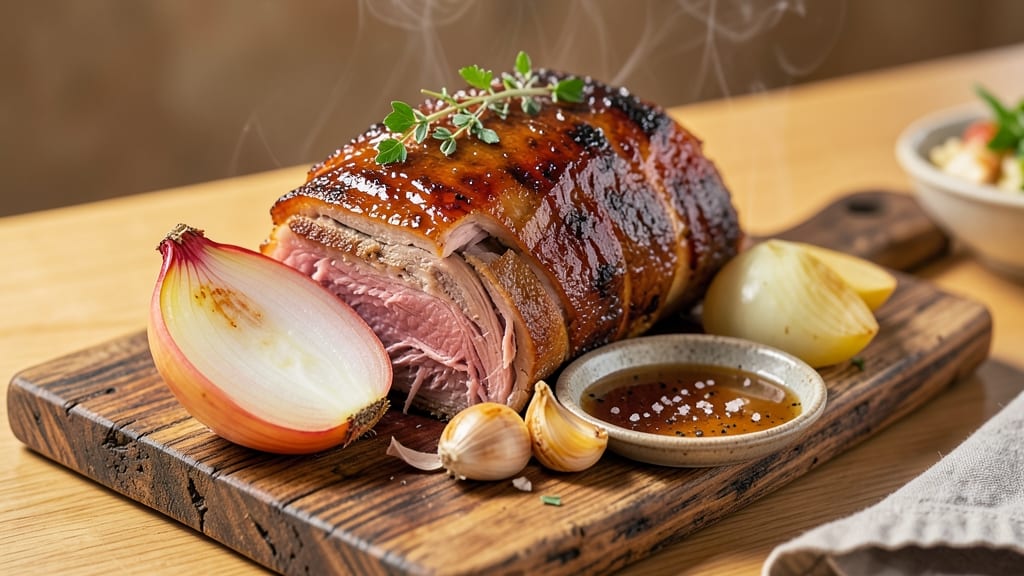
Camp Chef smoked pulled pork transforms tough pork shoulder into melt-in-your-mouth perfection—just like my granddaddy used to make, but with modern efficiency. The key lies in that perfect balance of smoky bark and fall-apart tenderness, achieved through a simple brine and precise smoking technique that even beginners can master. I’ve been perfecting this method for years, and it never fails to impress a crowd.
This recipe starts with a 24-hour brine that keeps the meat juicy while developing deep flavor, then moves to your Camp Chef smoker where we’ll maintain a steady 225°F temperature for 10-12 hours. The secret?
Using hickory wood for that classic BBQ aroma while letting the pork rest undisturbed—no rushing, no guesswork. When it’s time to pull, we’ll use the fork test to ensure that signature tenderness.
What you’ll end up with is pork so tender it shreds with a single touch, coated in a glossy bark that’s sweet from the apple juice in the brine and smoky from the wood.
The texture is what makes this recipe legendary—no dry, stringy meat here. Serve it on buttery buns with tangy coleslaw or let guests build their own plates with all the fixings.
This method scales beautifully, whether you’re feeding a family or a crowd at your next tailgate. The beauty of smoking pork is that it gets better as it rests, so you’ll have leftovers that taste just as good the next day.
Let’s get started—your smoker is about to become your new favorite kitchen appliance.
Ingredients for camp chef smoked pulled pork
Twelve ingredients to transform tough pork into legendary smoked perfection—no shortcuts, just granddaddy-style flavor.
| Ingredient | Amount | Notes |
|---|---|---|
| Boneless Pork Shoulder 🥩 | 10 lb | Bone-in preferred for flavor |
| Yellow Onion 🧅 | 1 whole | Quartered, skin on |
| Garlic Cloves 🧄 | 8 cloves | Smashed, skin on |
| Apple Juice 🍎 | 4 cups | Unsweetened, for brine |
| Apple Cider Vinegar 🍏 | ½ cup | For tangy brine |
| Kosher Salt 🧂 | ½ cup | Diamond Crystal preferred |
| Black Peppercorns 🌶️ | 1 tbsp | Freshly cracked |
| Brown Sugar 🍚 | ¼ cup | Light or dark |
| Hickory Wood Chips 🌳 | 2 lb | Unsoaked, for smoker |
| Yellow Mustard 🟡 | 2 tbsp | For bark application |
| Paprika 🌶️ | 1 tbsp | Smoked variety preferred |
| Ground Black Pepper 🌶️ | 1 tsp | Freshly ground |
| Butter 🧈 | 4 tbsp | Unsalted, for serving |
The pork shoulder is the heart of this recipe. Bone-in cuts from Costco or local butchers have more flavor, but boneless works too. Look for a cut with good marbling—those white streaks mean juicier meat. I always grab a 10-pounder because it feeds a crowd and leaves room for leftovers. The apple juice is non-negotiable for that sweet, tangy balance in the bark. Trader Joe's has a great unsweetened version if you don't want to deal with concentrate. For the wood, stick with hickory—it's the classic choice for pulled pork, but oak works if that's what you've got.
No apple juice? White grape juice or even pineapple juice will work in a pinch, though the flavor won't be identical. Running low on brown sugar? Maple syrup at half the amount gives similar sweetness. The mustard is key for that sticky bark—Dijon works too. For the spices, if you can't find smoked paprika, regular paprika plus a pinch of liquid smoke gets you close. The garlic and onion in the brine? You can use powdered if you're in a hurry, but fresh is always better. And trust me on the butter—full-fat, unsalted melts beautifully on those buns.
This pork gets better as it rests, so plan ahead. The brine can sit in the fridge for up to 48 hours—the longer it soaks, the more flavor it absorbs. The wood chips? Store them in a sealed container in the freezer to keep them fresh. Once smoked, let the pork rest at least 2 hours before shredding—this is where the magic happens. Leftovers keep for 5 days in the fridge or 3 months frozen. I always make extra because it's impossible to resist.
Why You'll Love This Recipe
- Sweet-Savory Magic: That apple juice and cider vinegar combo? It’s the secret weapon—tenderizing the meat while adding a bright, tangy depth that cuts through the richness. Honestly, it’s the kind of flavor that makes you want to eat it straight off the smoker.
- Leftovers That Shine: Smoked pulled pork keeps for days in the fridge, and it’s always better the next day. Toss it in tacos, sandwiches, or even a loaded baked potato—it’s my go-to for lazy weeknights.
- Budget-Friendly Feast: A single pork shoulder stretches across multiple meals, and the ingredients—onion, garlic, apples—are pantry staples. Between us, this is the most cost-effective way to feed a crowd without breaking the bank.
Step-by-step instructions for Camp Chef smoked pulled pork
This method delivers melt-in-your-mouth pork with a perfect smoky bark every time.
Prepare the Brine for Maximum Flavor
In a large stockpot, combine the 4 cups apple juice, 0.5 cup apple cider vinegar, 0.5 cup kosher salt, 0.25 cup brown sugar, and 1 tbsp freshly cracked black peppercorns. Stir until the salt and sugar dissolve completely. This tangy-sweet brine infuses the pork with deep flavor while keeping it moist during the long smoke.
Place the 10 lb boneless pork shoulder in a large zip-top bag and pour the brine over it, ensuring the meat is fully submerged. Seal the bag and refrigerate for 12-24 hours. The longer it brines, the more flavorful the result—just don't exceed 24 hours or the meat will absorb too much liquid and dilute its natural taste. I like to turn the bag occasionally to ensure even coating.
Build the Smoker and Season the Pork
While the pork brines, prepare your Camp Chef smoker by filling the wood chip tray with the 2 lb hickory wood chips. Soak them only if your smoker requires it—most Camp Chef models work perfectly with dry chips. Set the smoker to 225°F and let it preheat for 15-20 minutes until you see steady, blue smoke.
Once the pork is done brining, remove it from the bag and pat it dry thoroughly with paper towels. This step is crucial for developing that perfect smoky bark. In a small bowl, mix together 2 tbsp yellow mustard, 1 tbsp paprika, and 1 tsp ground black pepper. Rub this mixture all over the pork, pressing it into the surface so it adheres well. The mustard helps create that signature bark while adding tangy depth.
Smoke the Pork Low and Slow
Place the seasoned pork shoulder fat-side up on the smoker grates. Close the lid and let it smoke undisturbed for 6-8 hours. This low-and-slow approach is key—it breaks down the connective tissue while allowing the smoke to penetrate deeply. I check the temperature occasionally using a meat thermometer, but resist the urge to open the lid too often as each peek lets out valuable heat and smoke.
Around the 5-hour mark, the internal temperature should reach about 165°F. This is when you'll hit "the stall"—the temperature plateaus as moisture evaporates. Don't panic; this is normal. At this point, wrap the pork tightly in butcher paper (not foil) and return it to the smoker. The paper allows the bark to stay crispy while helping push through the stall. Continue smoking until the internal temperature reaches 203°F, which should take another 2-3 hours.
Rest and Shred for Perfect Texture
Once the pork reaches 203°F, remove it from the smoker and transfer it to a cutting board. Let it rest for at least 1 hour (I prefer 2 hours if possible) before shredding. This resting period allows the juices to redistribute, ensuring each bite is moist and flavorful. Tent the pork loosely with foil to keep it warm during this time.
After resting, use two forks to shred the pork into ¼-inch thick strands. You'll notice it should fall apart easily with minimal effort—this is your sign of perfect tenderness. If any pieces are tough, return them to the smoker for another 30 minutes to finish cooking. The shredded pork should yield about 3 cups, perfect for serving 12.
Serve with Butter-Basted Buns
In a small saucepan, melt the 4 tbsp butter over low heat. Add a splash of the pork's cooking juices to create a simple basting sauce. Taste and adjust seasoning with additional salt or pepper if needed. This butter basting adds richness and helps distribute any remaining juices.
Pile the shredded pork onto toasted buns and drizzle with the butter sauce. The result is a perfect balance of smoky, sweet, and tangy flavors with melt-in-your-mouth tenderness. Serve immediately with pickles, coleslaw, or extra sauce on the side for dipping. The bark on the exterior should be dark and crispy, while the meat inside should be so tender it practically dissolves in your mouth.
Pro Tips For Making Camp Chef Smoked Pulled Pork
- SMOKE AT 225°F: The Camp Chef’s digital readout lies, so use a separate thermometer clipped to the meat—this is the only way to guarantee low-and-slow consistency. I learned this the hard way when my pork shoulder hit 160°F internally but the smoker’s gauge said 210°F, leaving me with dry, overcooked meat.
- BRINE THE PORK SHOULDER: Skip the dry rub for the first 12 hours—place the pork in a bag with 1 cup apple juice, 1 cup vinegar, 2 tablespoons salt, and 1 tablespoon black pepper. The acid tenderizes while the salt locks in moisture, and the apple flavors seep in deeper than a surface rub ever could.
- PEEL THE ONIONS LAST: Raw onion and garlic can turn bitter when smoked too long, so add them to the Camp Chef only in the final hour. I used to toss them in early, and they’d either burn or taste like ash—now I keep them separate until the pork is nearly done, then throw them on for aroma.
- WRAP IN FOIL AT 160°F: The moment the internal temp hits 160°F, wrap the pork tightly in foil with a splash of apple juice and vinegar. This isn’t just about speed—it’s about keeping the meat from drying out while it finishes to 203°F. I skipped this once and ended up with pork that looked like leather.
Best sauces and condiments for these flavors
Classic BBQ Sauce
My go-to sauce for pulled pork is a tangy-sweet blend inspired by my time in Charleston.
Start by simmering 1 cup ketchup, ½ cup apple cider vinegar, ¼ cup molasses, 2 tbsp brown sugar, 1 tbsp smoked paprika, 1 tsp garlic powder, and ½ tsp cayenne pepper for 15 minutes until thickened.
This sauce cuts through the richness of the pork while enhancing its smoky depth. I like to serve it on the side so guests can adjust to their taste—some prefer it drizzled on top, others like to dunk their buns. 🌶️
Spicy Mustard Glaze
For a bold kick, mix ½ cup yellow mustard, ¼ cup honey, 1 tbsp apple cider vinegar, and ½ tsp cayenne pepper. Simmer for 10 minutes until slightly thickened.
This glaze adds a bright, tangy contrast to the smoky pork and pairs perfectly with sharp cheddar cheese on toasted buns. I brush this on the buns before assembling sandwiches for an extra layer of flavor. 🔥
Creamy Coleslaw Dressing
No pulled pork spread is complete without a creamy slaw to balance the richness. Whisk together 1 cup mayonnaise, ¼ cup buttermilk, 1 tbsp apple cider vinegar, 1 tsp celery seed, and ½ tsp onion powder.
Thin with a splash of water if needed. This dressing keeps the slaw crisp and refreshing, providing a cool contrast to the warm, smoky pork. I always make extra because it disappears faster than the pulled pork itself. 🥗
Pickled Jalapeños
For a quick but impactful topping, slice 3 jalapeños into rings and pack them into a jar with ½ cup apple cider vinegar, 1 tbsp sugar, and ½ tsp salt. Let them sit for at least 30 minutes before serving.
These pickled jalapeños add a bright, spicy crunch that cuts through the fat and enhances the smoky flavor. I like to scatter them on top of the pulled pork or mix them into the coleslaw for extra heat. 🌶️
Butter Basting Sauce
This simple sauce is a game-changer for serving. Melt 4 tbsp unsalted butter in a small saucepan over low heat, then add 2 tbsp apple juice from the brine and a pinch of salt. Keep it warm and drizzle it over the shredded pork right before serving.
The butter adds richness while the apple juice ties everything together with a familiar sweetness. This is the sauce I use when I want to keep things classic but still elevate the dish. 🧈
Sweet and Tangy Onion Relish
Caramelize 1 cup thinly sliced onions in 2 tbsp butter over medium heat for 10 minutes until golden. Stir in 2 tbsp apple cider vinegar and 1 tbsp brown sugar, then simmer for another 5 minutes.
This relish adds a sweet, tangy crunch that pairs perfectly with the smoky pork. I serve it on the side for guests to add to their plates as desired. 🧅
Nutrition facts
Frequently asked questions
Can I use a bone-in pork shoulder instead of boneless?
Bone-in cuts actually develop more flavor during smoking. Just add an extra 30-60 minutes to your cooking time since the bone conducts heat differently. Remove the bone before shredding—it makes the pork easier to handle and gives you a cleaner presentation for serving.
What if my Camp Chef smoker doesn't stay at 225°F consistently?
This is common with pellet smokers. First, check your pellets are dry and fresh. If the temperature fluctuates, try preheating the smoker for 30 minutes before adding the pork. For stubborn models, reduce the fan speed slightly or use the "smoke" setting instead of "cook." Never exceed 250°F—higher temps create tough meat.
How do I know when the pork is done without a meat thermometer?
Use the fork test: Insert a fork into the thickest part. If it slides in easily and the meat falls apart completely, it's ready. Another trick is to check the bark—when it's dark and crispy while the meat inside is tender, it's usually done. For extra safety, aim for 12-14 hours total smoking time.
Can I make this recipe in a smaller smoker or even an oven?
Yes, but with adjustments. For smaller smokers, reduce the pork to 5-6 lbs and cut smoking time to 8-10 hours. For oven-baked pulled pork, wrap the pork in foil with ½ cup apple juice and bake at 275°F for 6-8 hours. The texture won't be identical, but it'll still be delicious. The key is patience—low and slow works in any heat source.
Why did my pulled pork turn out dry?
Most likely, you didn't rest the meat long enough or opened the smoker too often. The 2-hour rest is crucial—it lets juices redistribute. Also, avoid wrapping in foil (use butcher paper instead) and never exceed 203°F internal temp. If it's slightly dry, revive it by shredding and mixing with 2 tbsp apple juice or melted butter.