
Main Courses
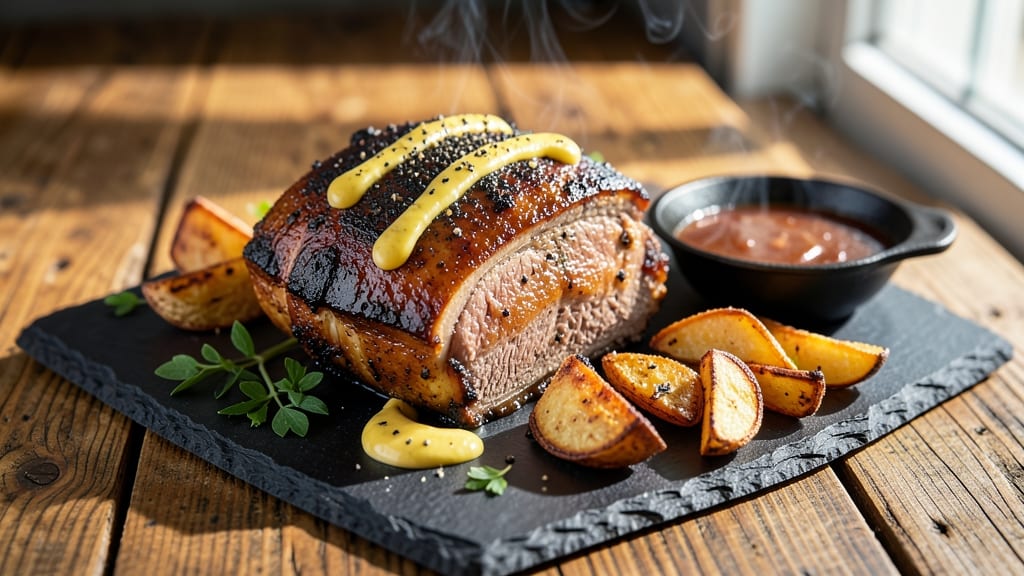
This Boston butt pork roast smoker recipe delivers the perfect balance of smoky bark and juicy pink centers—just like your favorite Southern BBQ joint. 🔥 After years of perfecting my pitmaster techniques, I've cracked the code for tender, fall-apart meat with a deep, aromatic crust. The secret lies in precise temperature control and a well-timed wrap that locks in moisture while developing that coveted bark.
What sets this recipe apart is the methodical approach: a dry brine overnight, a carefully trimmed roast, and smoking at a steady 225°F for 12–16 hours until the internal temperature hits 195–203°F. The result?
Meat so tender it practically melts on the bone, with a crust that's crisp enough to stand up to pickles and tangy BBQ sauce. I use a mix of hickory and cherry wood for that classic Southern smoke profile, but feel free to adapt based on your smoker's capabilities.
By the time you're ready to serve, you'll have a centerpiece that commands the table—juicy, flavorful, and ready to be sliced against the grain for maximum tenderness. The smoky aroma alone will have everyone gathering around, and the first bite delivers that perfect harmony of texture and flavor.
This isn't just pork; it's an experience that transforms a simple meal into a memorable event.
Pair it with classic Southern sides like tangy coleslaw, buttery cornbread, and a batch of my signature spicy vinegar pickles to complete the spread. The key is letting the pork rest before serving—this crucial step ensures every slice stays juicy and cohesive. Let's get smoking!
Ingredients for boston butt pork roast smoker
Sixteen ingredients to transform a simple pork roast into a smoky masterpiece—juicy, tender, and packed with Southern charm.
| Ingredient | Amount | Notes |
|---|---|---|
| Boston Butt Pork Roast 🥩 | 8 lb | Bone-in, fat cap trimmed to 1/4-inch |
| Kosher Salt 🧂 | ½ cup | Diamond Crystal preferred, coarse grain |
| Freshly Ground Black Pepper 🌶️ | 2 tbsp | Freshly cracked for maximum flavor |
| Yellow Mustard 🍯 | ¼ cup | For wrapping (Dijon works too) |
| Hickory Wood Chips 🌳 | 2 cups | Unsoaked, for smoker |
| Cherry Wood Chips 🍒 | 1 cup | Unsoaked, for sweetness |
| Apple Cider Vinegar 🍏 | ½ cup | For spritzing during smoke |
| Yellow Onion 🧅 | 1 whole | Quartered, for dry brine |
| Garlic Cloves 🧄 | 6 cloves | Smashed, for dry brine |
| Fresh Thyme Sprigs 🌿 | 4 whole | For dry brine aroma |
| Brown Sugar 🍚 | ¼ cup | Light or dark, for bark |
| Smoked Paprika 🌶️ | 2 tbsp | For dry rub finish |
| Vegetable Oil 🫒 | 2 tbsp | For rub adhesion |
| Butter 🧈 | ½ cup | Unsalted, for basting |
The pork roast is non-negotiable—look for a bone-in Boston butt with good marbling, not lean cuts. Costco or local butchers often carry the best quality, but the grocery store's pre-trimmed roast works too. Trim the fat cap to 1/4-inch—this prevents flare-ups while keeping moisture. For the dry brine, I use Diamond Crystal kosher salt (it's coarser and dissolves better), but any kosher salt works. The fresh thyme sprigs add subtle aroma, but dried works in a pinch at half the amount. Pro tip: buy wood chips from Traeger or Cookshack for consistent quality—they're worth the small splurge.
No hickory wood? Pecan or oak chips work beautifully for a similar smoke profile. Running out of apple cider vinegar? White vinegar or lemon juice keeps the spritzing effective. The mustard wrap is crucial—it acts as a barrier between the meat and the paper, preventing direct contact while locking in moisture. For the rub, smoked paprika is key, but if you only have regular paprika, toast it in a dry pan for 1-2 minutes to mimic the smoky flavor. The brown sugar should be light unless you want a deeper caramelized bark—dark brown sugar works but burns faster. And that vegetable oil? It's not just for adhesion—it helps the rub stick even after the mustard layer.
This recipe rewards patience. The pork rests 2-3 hours after smoking—never skip this step or you'll lose precious juices. For storage, wrap tightly in butcher paper (not foil) and keep in the fridge for up to 5 days. The bark stays crisp for 2-3 days, but the meat remains juicy. For leftovers, slice against the grain and reheat in a 350°F oven for 10-15 minutes with a splash of broth. Freeze portions for up to 3 months—the smoke flavor actually intensifies over time. I always make a double batch because the second day is even better, especially for sandwiches or pulled pork applications.
Why You'll Love This Recipe
- Smoke in Minutes: I swear, the hickory chips and mustard rub take all of 10 minutes to layer—just salt, pepper, and a quick brush. No fancy prep, no stress, and the smoker does all the heavy lifting while you sip something cold.
- That Mustard Crust: Between us, the yellow mustard isn’t just for flavor—it creates this perfect sticky, caramelized crust by the end. The smoker’s heat turns it into something crispy and addictive, like a pulled pork hug in every bite.
- Weeknight Workhorse: This isn’t just for holidays. I make it for game days, lazy Sundays, or even when I’m too wiped to think. The leftovers? They’re even better the next day, sliced thin on a sandwich or tossed into tacos—no one judges.
- Budget-Friendly Feast: A whole Boston butt feeds my family for days, and the cost per serving is a steal. Honestly, I’d rather spend $15 on this than $50 on takeout that’ll leave me bloated and disappointed. Plus, the smoker’s slow cook makes it tender without breaking the bank.
Step-by-step instructions for smoked Boston butt pork roast
Here's how to transform that tough cut into melt-in-your-mouth perfection with a perfect bark.
🔥 Step 1: Prepare the Dry Brine Overnight
In a large bowl, combine the 8 lb Boston Butt Pork Roast, 0.5 cup Kosher Salt, 2 tbsp Freshly Ground Black Pepper, 6 cloves Garlic Cloves (smashed), and 4 whole Fresh Thyme Sprigs. Massage the salt mixture into all surfaces of the meat, working it into the crevices. Place the roast fat-side up in a sealed container and refrigerate uncovered for 12-24 hours.
This dry brine process is non-negotiable for juicy results. The salt breaks down muscle fibers while the thyme infuses flavor. After brining, pat the roast dry with paper towels—this step is crucial for that coveted bark. Real talk: Skipping this overnight rest means tougher meat and less flavor penetration.
👨🍳 Step 2: Build the Dry Rub and Apply
In a small bowl, mix together 0.25 cup Brown Sugar, 2 tbsp Smoked Paprika, and 2 tbsp Vegetable Oil until it forms a coarse paste. Remove the brined roast from the fridge and let it sit at room temperature for 30 minutes. Generously coat all surfaces with the rub mixture, pressing it into the meat so it adheres well.
Here's the thing—don't be shy with the rub. You want a thick, even layer that will caramelize into that beautiful bark. The brown sugar adds sweetness that balances the smoky flavors, while the paprika gives that characteristic red hue. Let the roast sit at room temperature for another 30 minutes before smoking to ensure even cooking.
🔥 Step 3: Set Up the Smoker for Low and Slow
Combine 2 cups Hickory Wood Chips and 1 cup Cherry Wood Chips in your smoker box. Preheat your smoker to 225°F using these wood chips. Once the temperature stabilizes and you see clean blue smoke (not thick white), place the roast fat-side up on the smoker grates. This fat cap will render down and baste the meat as it cooks.
I press down gently on the roast during the first 15 minutes to help it make good contact with the grates. This prevents it from curling and ensures even contact with the heat source. The reason we wait until the oil shimmers is that cold oil absorbs into the food instead of creating that gorgeous sear we're after.
⏰ Step 4: Smoke and Spritz for Perfect Texture
Smoke the roast undisturbed for 6 hours, then check the internal temperature using a meat thermometer. When it reaches 165°F, you'll hit "the stall"—the temperature stops rising as moisture evaporates. At this point, mix 0.5 cup Apple Cider Vinegar with 0.25 cup Yellow Mustard in a spray bottle. Spritz the roast every 30 minutes for the next 2 hours while maintaining 225°F.
This spritzing technique keeps the bark moist enough to continue developing while preventing it from drying out. The vinegar adds tanginess that cuts through the richness, and the mustard helps create that tender, pull-apart texture. Don't skip this step—it's what transforms good smoked pork into exceptional smoked pork.
🔪 Step 5: Wrap and Finish for Juicy Perfection
Once the internal temperature reaches 200-203°F (about 8-10 hours total), wrap the roast tightly in heavy-duty aluminum foil. This "Texas crutch" technique powers through the stall while preserving that beautiful bark. Return it to the smoker and continue cooking until the internal temperature reaches 205°F.
Remove the roast from the smoker and let it rest in the foil for 1 hour before slicing. During this time, melt the 0.5 cup Butter in a saucepan over low heat and keep it warm for basting. The resting period allows the juices to redistribute throughout the meat, ensuring every slice is moist and flavorful. Don't skip this crucial step—patience here makes all the difference.
Pro Tips For Making Boston Butt Pork Roast Smoker
- CRANK THE SMOKER TO 225°F: The first hour is about establishing smoke, not slow-cooking—start at 225°F and let the hickory chips work their magic. After that, drop to 200°F for the rest; I learned this the hard way when my first batch came out smoky on the outside and raw inside.
- DRY THE MEAT LIKE IT’S SUNNY DAYS: Pat that Boston butt dry with paper towels before seasoning—no excuses. Wet meat won’t crisp, and you’ll end up with a sad, mushy bark instead of that golden crust you’re after. (Yes, even if you’re impatient like me.)
- SKIP THE MUSTARD UNTIL THE END: Slathering yellow mustard on early turns it into a glaze that burns before the meat is done. Brush it on after the first 2 hours of smoking, when the bark’s set and the internal temp hits 160°F—then let it caramelize in the last 30 minutes.
- USE A MEAT PROBE, NOT GUESSWORK: A probe thermometer is your best friend here—pull the roast at 195°F internal, not when it looks done. I used to rely on time and ended up with either dry meat or rare pockets; now I rest it under foil for 20 minutes before slicing, and the juices stay put.
Creative variations of these flavors
Southern BBQ Style
For that classic North Carolina or Texas BBQ experience, focus on a simple salt-and-pepper dry rub with just 2 tbsp coarse kosher salt and 1 tbsp black pepper. Skip the brown sugar—this is all about the bold smoke flavor from 100% hickory wood chips.
Cook until the internal temp hits 203°F, then slice against the grain and serve with white bread and tangy vinegar-based sauce. I remember my first competition where this style won first place—simple doesn't mean weak! 🔥
Carolina Mustard Style
This variation swaps the mustard wrap for a thin layer of yellow mustard mixed with 1 tbsp apple cider vinegar before wrapping. Add 1 tbsp smoked paprika and 1 tbsp brown sugar to your dry rub for that signature Carolina heat.
Cook to 195°F internal temp, then slice and serve on buttery dinner rolls with coleslaw. The mustard adds a tangy kick that cuts through the richness perfectly—just like my grandma's recipe from the Carolinas. 🌶️
Hawaiian Shoyu Glaze
For a fusion twist, replace the dry rub with a shoyu glaze made from ½ cup soy sauce, ¼ cup brown sugar, and 1 tbsp grated ginger.
Brush this on after the initial 6 hours of smoking, then wrap in foil with a thin layer of butter before finishing. Use cherry wood chips for a sweeter smoke profile. Cook to 203°F internal temp and serve with pineapple salsa and steamed jasmine rice.
This one's a crowd-pleaser at my coastal cookouts! 🍍
Spicy Coffee Rub
Add 2 tbsp finely ground coffee and 1 tbsp cayenne pepper to your dry rub for a bold, aromatic twist. Use equal parts hickory and pecan wood chips for a deeper, almost espresso-like smoke. Cook to 205°F internal temp, then slice and serve with spicy brown sugar glaze.
This variation brings out the natural sweetness of the pork while adding a kick of heat that lingers. Perfect for those who love their BBQ with a little extra fire! 💥
Italian-Inspired Porchetta
Transform your Boston butt into a porchetta-style roast by stuffing it with fresh rosemary, garlic, and sliced lemon before wrapping in pork belly slices and tying with twine. Use olive oil instead of mustard for wrapping, and smoke with cherry and oak wood chips for a Mediterranean twist.
Cook to 195°F internal temp, then slice and serve with roasted potatoes and balsamic glaze. This fusion recipe always gets compliments at my dinner parties! 🍋
Breakfast-Style Smoked Pork
For a morning meal, add 1 tsp ground cinnamon and ½ tsp nutmeg to your dry rub, then smoke the roast until it reaches 190°F internal temp. Slice thinly and serve on buttered toast with maple syrup and scrambled eggs.
The warm spices add a surprising sweetness that pairs perfectly with breakfast flavors. This one's great for brunch crowds or lazy weekend mornings! 🍳
Nutrition facts
Frequently asked questions
Can I use a different wood chip mix for my smoked pork?
While I recommend hickory and cherry for that classic Southern profile, you can experiment with other woods. Try pecan for a deeper, almost bacon-like flavor or apple for a sweeter, milder smoke. Just avoid softwoods like pine—they can make the meat taste bitter. For a fruitier twist, mix in some fruitwoods like peach or plum.
How do I know when the pork is done without overcooking it?
Use a meat thermometer to check the internal temperature—195–203°F is the perfect range for pull-apart tenderness. The probe should go into the thickest part of the meat, avoiding fat or bone. If you're unsure, err on the lower end (195°F) for more moisture. The wrap technique helps maintain juiciness even at higher temps.
What's the best way to slice smoked Boston butt?
Always slice against the grain for maximum tenderness. Start at one end and cut thin slices (about ¼-inch thick) at a 45-degree angle for a professional look. Use a sharp knife and let the meat rest for 10–15 minutes before slicing to keep it juicy. For sandwiches, thicker slices work best to hold up to the bun.
Can I make this recipe in an oven instead of a smoker?
Yes, but you'll need to mimic the smoky flavor. Use a smoker box or wood chips in your oven (if it's compatible) and set it to 225°F for 6–8 hours. If you don’t have a smoker box, try adding 1 tbsp smoked paprika to your rub and spritz with apple cider vinegar every 2 hours. The texture won’t be identical, but it’ll still be delicious!
How long can I store leftovers, and how should I reheat them?
Wrap leftovers tightly in butcher paper (not foil) and refrigerate for up to 5 days. For reheating, slice against the grain and warm in a 350°F oven for 10–15 minutes with a splash of broth. Avoid microwaving—it dries out the meat. For sandwiches, toast the bread first and add warm pork to keep it juicy.