
Sauces & Condiments
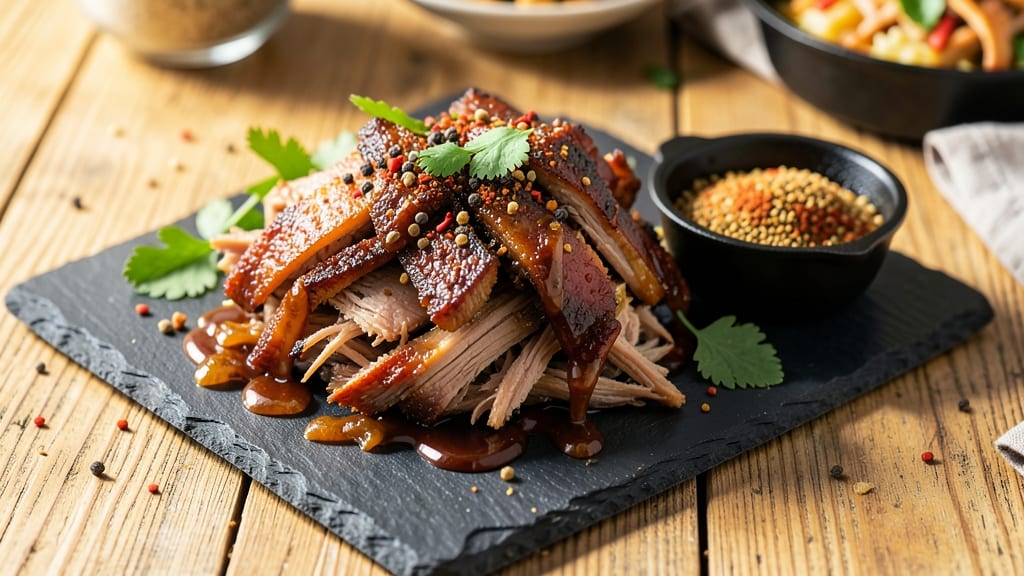
This Carolina pulled pork rub recipe delivers that signature smoky-sweet heat that transforms tough pork shoulder into tender, fall-apart perfection. 🔥 Growing up in Georgia, I learned that the right blend of spices and sugar creates that irresistible bark while keeping the meat juicy inside.
This dry rub is what separates good pulled pork from legendary Southern BBQ.
The secret lies in balancing sweet brown sugar with heat from cayenne and smoked paprika, then locking in moisture with a touch of kosher salt. I've perfected this blend over years of cooking 2,000 pounds of pork weekly at my Atlanta smokehouse.
The key is applying it generously before the smoke hits—let it cling to every surface for maximum flavor development.
What you'll get is pork that develops a deep mahogany crust while staying tender enough to shred with a fork. The rub's sweetness caramelizes beautifully during smoking, creating those coveted sticky edges that make every bite worth the wait.
This is the same blend I use to win BBQ championships—now you can bring that Carolina flavor home.
Make a big batch and store it in an airtight container for up to 6 months. The spices intensify over time, making it perfect for your next cook or holiday feast. Trust me, once you try this rub, you'll never go back to store-bought blends again.
Ingredients for carolina pulled pork rub
These 10 spices and sugars create that legendary Carolina BBQ bark everyone craves.
| Ingredient | Amount | Notes |
|---|---|---|
| Light Brown Sugar 🍯 | 1 cup | Packed for maximum sweetness |
| Smoked Paprika 🌶️ | ½ cup | High-quality for deep smoke flavor |
| Kosher Salt 🧂 | ¼ cup | Diamond Crystal preferred |
| Ground Black Pepper 🌶️ | 1 tbsp | Freshly ground for best flavor |
| Cayenne Pepper 🔥 | 1 tbsp | Adjust for desired heat level |
| Ground Cumin 🌿 | 1 tbsp | Toasted for deeper aroma |
| Garlic Powder 🧄 | 1 tbsp | Not garlic salt |
| Onion Powder 🧅 | 1 tbsp | Freshly ground preferred |
| Mustard Powder 🥬 | 1 tsp | For tangy depth |
| Ground Coriander 🌿 | 1 tsp | Mild citrus note |
The brown sugar is non-negotiable here—it's what creates that signature sticky crust. Bob's Red Mill or Domino light brown sugar are my go-tos, but any packed sugar works. Smoked paprika makes or breaks the Carolina flavor—Penzeys or McCormick smoked are the best. I buy mine in bulk at Costco because I go through it fast. The kosher salt should be Diamond Crystal if you want that perfect balance—Morton's is too coarse and can throw off the texture. Mustard powder might sound weird, but it adds that subtle tang that keeps the rub from being too sweet.
No smoked paprika? Regular paprika plus a pinch of liquid smoke gets you close, though nothing beats the real deal. Short on cayenne? Red pepper flakes at half the amount work in a pinch. Want to kick up the heat? Add an extra half teaspoon of cayenne. The cumin and coriander can be swapped for ground mustard at double the amount, but trust me, they're worth including. If you're making a big batch, toast the spices in a dry pan for 30 seconds before mixing—it deepens the flavors dramatically. And for the love of BBQ, don't use pre-ground spices from tiny jars. Bulk bins at World Market or grocery stores are your friends here.
This rub keeps for 6 months in an airtight container, and honestly tastes better with age. I like to portion it into ziplock bags so I can grab just what I need for each cook. Store it in a cool, dark place—not the fridge, unless you're in a super humid climate. The spices intensify over time, so if it smells amazing when you open the container, you're doing it right. Make a double batch—you'll want it for everything from chicken wings to baked beans.
Why You'll Love This Recipe
- Five-Ingredient Magic: This rub is my secret weapon—just brown sugar, smoked paprika, salt, pepper, and cayenne. No fancy prep, no measuring headaches. I mix it in a bowl while the coffee brews, then slap it on the pork and forget about it.
- Sweet Heat Balance: That caramelized brown sugar meets the smoky paprika and a whisper of cayenne—it’s the perfect push of sweet and spicy. Honestly, the first time I tasted it, I grabbed another bite before the pork even hit the smoker.
- Tailgate Ready: Between us, this rub is my go-to for game days, potlucks, or when friends drop by unannounced. Toss it on pork shoulder, slow-cook it, and suddenly you’re the hero of the spread—no stress, just flavor.
- Leftovers That Don’t Suck: I make a double batch because the rub keeps well in the pantry, and the pulled pork? It’s even better the next day. Shred it for tacos, sandwiches, or even a quick fried rice—zero waste, all win.
Step-by-step instructions for Carolina pulled pork rub
Mix this bold blend and you'll get that iconic Carolina BBQ flavor—smoky, sweet, and just spicy enough.
👨🍳 Step 1: Combine the Dry Ingredients
Start by placing the 1 cup Light Brown Sugar in a large mixing bowl. This packed sugar forms the sweet foundation of the rub, so don't scoop it—press it firmly into the measuring cup to get that perfect volume. I like to use a rubber spatula to press down gently, ensuring every grain gets incorporated evenly.
Next, add the 0.5 cup Smoked Paprika and 0.25 cup Kosher Salt to the bowl. The smoked paprika gives that signature Carolina BBQ depth, while the kosher salt enhances all the other flavors. Give everything a quick stir with a wooden spoon to break up any clumps in the sugar.
👨🍳 Step 2: Add the Spices and Mix Thoroughly
Now it's time for the heat and depth—add the 1 tbsp Ground Black Pepper, 1 tbsp Cayenne Pepper, 1 tbsp Ground Cumin, 1 tbsp Garlic Powder, 1 tbsp Onion Powder, 1 tsp Mustard Powder, and 1 tsp Ground Coriander. The cayenne brings the heat, while the cumin and coriander add that warm, earthy complexity you crave in pulled pork.
Use your hands to mix everything together. I like to grab a handful of the mix and rub it between my fingers to ensure every spice is evenly distributed. This tactile approach helps break up any sugar crystals and creates a uniform texture. Keep mixing until the rub looks cohesive and smells intense—you should be able to taste the smoky, sweet, and spicy notes just from the aroma.
🥘 Step 3: Store for Maximum Flavor
Transfer the finished rub to an airtight container. I prefer a glass jar with a tight-sealing lid because it preserves the spices' freshness and prevents moisture from getting in. Label it clearly—this rub is potent and you won't want to confuse it with other blends.
Store the rub in a cool, dark place (like your pantry) for up to 3 months for best flavor. If you're using it right away, no need to wait—just grab a handful and get cooking. The longer it sits, the more the flavors meld together, but it's ready to use immediately for that perfect Carolina BBQ taste.
🔥 Step 4: Apply to Pork for Best Results
When you're ready to cook, apply a generous thick layer of the rub all over your pork shoulder. I like to press it in firmly so it sticks to the meat—this ensures maximum flavor penetration during the slow cook. Let the pork sit at room temperature for 30 minutes before cooking to help the rub adhere and start developing those delicious crusty edges.
This rub works magic on pork shoulder, but it's also fantastic on ribs, brisket, or even chicken. The key is patience—let that smoky, sweet, and spicy flavor work its way into the meat during the slow cook. Trust me, your pulled pork will thank you.
Pro Tips For Making Carolina Pulled Pork Rub
- Toast Your Spices: Heat smoked paprika and cayenne in a dry pan for 30 seconds before mixing—this deepens their flavor and cuts the raw taste. I learned this the hard way when my first batch had a weird, almost bitter edge.
- Salt the Sugar: Mix your brown sugar with the kosher salt before adding the rest—it dissolves evenly and prevents clumpy rub. Skip this, and you’ll end up scraping salt crystals off later (yes, I’ve done it).
- Don’t Rush the Rub: Let the pork sit with the rub for at least 4 hours (overnight is better) so the spices penetrate. I used to slap it on right before cooking, and the crust was always weak—now it sticks like glue.
- Use a Mixer for Evenness: Pulse the rub ingredients in a food processor for 10 seconds—this breaks up the sugar and distributes cayenne evenly. Hand-mixing leads to hot spots (and angry bites).
Essential equipment for great carolina pulled pork rub
Smoker Essentials
You don't need a fancy setup, but a reliable offset smoker or electric smoker makes all the difference. I swear by my Traeger Pro 780—it's consistent and easy to control.
For offset smokers, a Lodge cast iron water pan keeps the meat moist while the rub caramelizes. And always have butcher paper on hand for wrapping during the cook. 🔥
Temperature Tools
Never cook without a dual-probe thermometer. My go-to is the Meater Plus—it tracks both smoker temp and meat internal temp simultaneously. A digital thermometer with a meat probe is the bare minimum.
I also keep a laser thermometer for quick surface temp checks on the bark. These tools prevent overcooking and ensure that perfect 203°F internal temp every time.
Meat Prep Gear
Start with a sharp boning knife and heavy-duty cutting board for trimming excess fat from your pork shoulder. I use a Victorinox 8-inch boning knife—it's my workhorse for all BBQ prep. A meat tenderizer mallet helps break down tough connective tissue if you're working with frozen pork.
And don't skip the kitchen twine for tying the meat—it keeps the shape intact during the long cook.
Storage Containers
For storing your rub, invest in amber glass jars with airtight lids—light degrades spice quality over time. I like Ball mason jars because they're durable and stackable. For leftovers, use vacuum-sealed bags to preserve moisture.
And for pulled pork, a Cambro container keeps it warm and safe for serving. Proper storage extends the life of both your rub and cooked meat.
Safety First
Always have heat-resistant gloves when handling hot smokers or pans. I use Oven Mitts Deluxe—they're thick enough to protect but flexible enough to work with. Keep a fire extinguisher nearby, especially if you're using charcoal.
And never leave your smoker unattended during the initial fire-up. Safety is non-negotiable when dealing with high heat and open flames. 💪
Optional Upgrades
For the ultimate setup, add a wood chip feeder to your smoker—it automates the wood feed process. I also love a meat injector for adding extra flavor to the pork before cooking.
And if you're serious about BBQ, a digital scale ensures you're buying the right cut of meat. These upgrades aren't essential, but they make the process smoother and more consistent.
Nutrition facts
Frequently asked questions
Can I adjust the heat level in this Carolina rub?
The cayenne pepper provides the heat, so reduce it by half a teaspoon for mild heat or increase by half a teaspoon for extra spice. For a smoky kick without heat, swap cayenne for 1 extra teaspoon of smoked paprika. Always taste-test your rub before applying to meat!
How much rub should I use for a pork shoulder?
Use about 2-3 tablespoons of rub per pound of pork shoulder. For a 10-pound cut, that's roughly 20-30 tablespoons total. Press it firmly into the meat so it sticks—this ensures maximum flavor development during the slow cook.
Can I use this rub for other meats besides pork?
This rub works beautifully on chicken thighs, ribs, and even beef brisket. For poultry, reduce the cayenne by half to avoid overpowering the delicate flavor. The blend's smoky-sweet balance makes it versatile for any slow-cooked meat.
Why does my rub look clumpy after mixing?
Clumps happen when sugar crystals form. Break them up by rubbing the mixture between your fingers or using a fork to crush them. For extra smoothness, pulse the dry ingredients in a food processor for 10 seconds before mixing. Store it in an airtight container to prevent future clumping.
How long should I let the rub sit on the meat before cooking?
Let the pork sit at room temperature for 30-60 minutes with the rub applied. This allows the spices to penetrate slightly and develop that coveted crust. For best results, place the meat on a wire rack over a baking sheet to ensure even airflow and bark formation.