
Main Courses
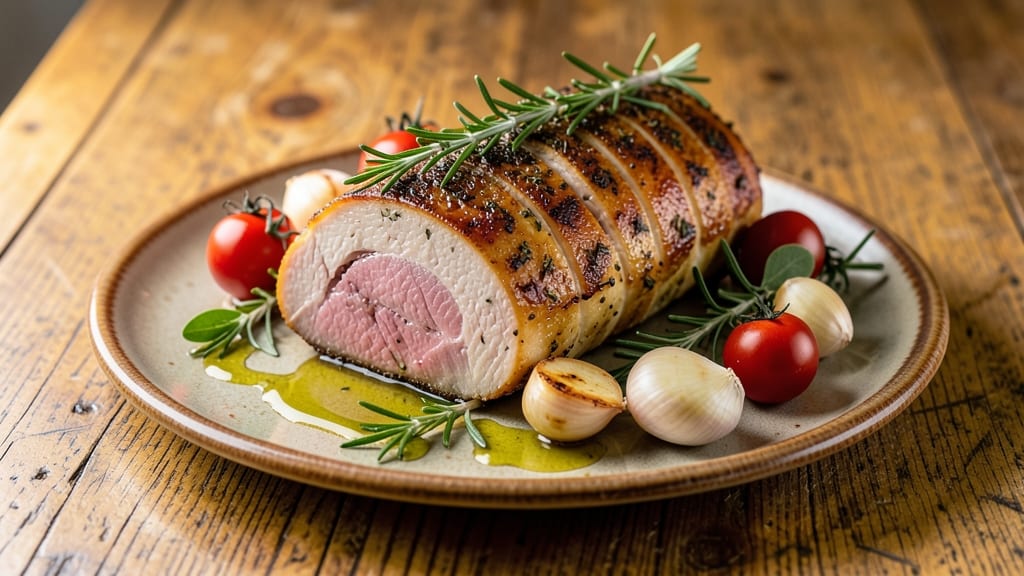
This boneless rolled pork loin roast recipe transforms a simple cut into a showstopping centerpiece with even cooking and maximum flavor. After years of perfecting this technique in my professional kitchen, I've developed a method that ensures tender, juicy meat every time—no guessing required.
The spiral cut and herb crust create a visually stunning dish that's just as impressive to eat as it is to serve.
The secret lies in proper preparation: trimming, tying, and seasoning the roast before roasting it to a perfect medium-rare. I use a blend of fresh herbs and spices for the crust, which forms a flavorful bark while keeping the interior succulent.
This method works equally well in the oven or on the grill, giving you flexibility for any occasion.
What you'll end up with is a beautifully rolled pork roast with crisp edges and tender, juicy meat throughout. The herb crust adds layers of aromatic flavor, while the spiral cut ensures even cooking from edge to center.
This is the kind of dish that elevates any meal from ordinary to extraordinary—whether you're hosting a dinner party or simply treating yourself to a special weeknight dinner.
Pair with roasted vegetables, mashed potatoes, or a fresh salad to complete the meal. The leftovers reheat beautifully, making this an excellent choice for meal prep. Let's get started on creating your perfect pork roast.
Ingredients for boneless rolled pork loin roast
Six ingredients transform simple pork into a restaurant-worthy centerpiece.
| Ingredient | Amount | Notes |
|---|---|---|
| Boneless Pork Loin Roast 🥩 | 4 lb | Center-cut, even thickness |
| Fresh Rosemary 🌿 | ¼ cup | Finely chopped, stems removed |
| Fresh Thyme 🌿 | ¼ cup | Leaves only, stems discarded |
| Fresh Sage 🌿 | ¼ cup | Leaves only, chopped finely |
| Garlic Cloves 🧄 | 8 cloves | Minced, for herb crust |
| Extra-Virgin Olive Oil 🫒 | ¼ cup | For herb crust and basting |
| Dijon Mustard 🍯 | 2 tbsp | For binding herb crust |
| Kosher Salt 🧂 | 1 ½ tbsp | Diamond Crystal preferred |
| Freshly Ground Black Pepper 🌶️ | 1 tbsp | Cracked peppercorns preferred |
| Butter 🧈 | ¼ cup | Unsalted, softened for basting |
| Kitchen Twine 🧵 | 1 package | Butcher's twine, 18-inch pieces |
| Vegetable Oil 🫒 | 2 tbsp | For searing roast |
| Fresh Parsley 🌿 | ⅛ cup | Chopped, for garnish |
The pork loin is everything here—center-cut and even thickness is non-negotiable. Most butchers will trim it for you, but if you're doing it yourself, look for a piece with good marbling. Costco or Whole Foods usually carry pre-trimmed loins, but call ahead to confirm. Fresh herbs make all the difference: Trader Joe's sells pre-chopped herb blends, but I always grab whole sprigs and chop them myself. The garlic should be freshly minced—jarred garlic just doesn't cut it for this dish. For the mustard, Dijon is a must—it adds depth that regular yellow mustard can't match.
No fresh rosemary? Dried works at half the amount, but it won't have the same aroma. Short on thyme? Oregano is a decent swap, though it changes the flavor profile slightly. The butter is for basting—unsalted is key so you control the seasoning. If you're worried about the herb crust sticking, chill the roast for 30 minutes after rolling. The parsley is just for garnish, so don't stress if you're out—skip it or use a sprinkle of fresh thyme instead. And yes, you can make this on the grill too—just use a wire rack over indirect heat.
This roast reheats beautifully—4-5 days in the fridge or 3 months frozen. I always slice it against the grain before reheating for perfect texture. The herb crust keeps well, so you can prep it a day ahead and refrigerate it. For meal prep, slice and store portions in airtight containers—reheat with a splash of water to keep it moist. Leftovers make amazing sandwiches or tacos the next day.
Why You'll Love This Recipe
- One-Pan Wonder: I swear by this recipe when I’m too tired to wash extra dishes. Just sear the pork, stuff it with garlic and herbs, tie it up, and let the oven do the work—no pans to scrub afterward.
- Herb Magic: That trio of rosemary, thyme, and sage? It’s like a flavor bomb wrapped in tender pork. The garlic cloves peeking out as it roasts make every bite taste like a fancy dinner, not a weeknight meal.
- Meal Prep MVP: Between us, this is my go-to for Sunday prep. Slice the roast after cooking, and you’ve got protein for salads, wraps, or even a quick pasta toss all week—no reheating drama, just solid leftovers.
- Budget-Friendly Feast: A single pork loin feeds four, and the herbs stretch the cost further. Honestly, it’s one of those recipes where you end up with seconds, but your wallet stays happy—no takeout splurges here.
Step-by-step instructions for herb-crusted rolled pork loin roast
Transform a simple pork loin into a showstopper with this spiral-cut technique and aromatic herb crust.
👨🍳 Step 1: Prepare the Herb Crust Mixture
In a medium bowl, combine the 0.25 cup finely chopped fresh rosemary, 0.25 cup fresh thyme leaves, 0.25 cup finely chopped fresh sage, and 8 cloves minced garlic cloves. Add 2 tbsp Dijon mustard and 1.5 tbsp kosher salt, then mix thoroughly with your hands to distribute the flavors evenly. This mixture will form the fragrant crust that seals in moisture and adds incredible depth.
Slowly drizzle in 0.25 cup extra-virgin olive oil while stirring with a wooden spoon. The mustard helps bind the herbs to the meat, while the olive oil ensures everything sticks beautifully. Taste the mixture—it should be vibrant and herby, with a slight tang from the mustard. If it needs more salt, adjust now. Set this aside while you prepare the pork.
🔪 Step 2: Roll and Secure the Pork Loin
Place the 4 lb boneless pork loin roast on a clean cutting board, fat-side up. Using a sharp boning knife, make a deep cut along one long side, about ¼ inch deep, to create a pocket. This will help the herb mixture adhere better and prevent unraveling during cooking.
Spread the herb mixture evenly over the entire surface of the pork, including the cut side. Starting from the wide end, tightly roll the pork into a spiral shape, tucking the cut edge underneath as you go. Secure the roll with kitchen twine every 2 inches to maintain its shape. The spiral cut ensures even cooking throughout—no more dry ends or overcooked centers.
🔥 Step 3: Sear the Roast for Maximum Flavor
Heat a large oven-safe skillet over medium-high heat and add 2 tbsp vegetable oil. Once the oil shimmers, carefully place the rolled pork loin in the skillet, seam-side down. Let it sear undisturbed for 4-5 minutes until a deep golden-brown crust forms. This step is crucial—it locks in juices and creates that irresistible caramelized exterior.
Flip the roast and sear the other side for another 4-5 minutes. If the herb crust starts to brown too quickly, reduce the heat slightly to prevent burning. Remove the skillet from the heat and let the roast rest for 2 minutes before transferring it to a 425°F preheated oven.
⏰ Step 4: Roast Until Juicy and Golden
Place the skillet in the oven and roast the pork loin for 30-35 minutes, basting with 0.25 cup softened butter every 10 minutes for extra richness. The butter melts beautifully into the herb crust, adding a luscious sheen and deeper flavor. You'll know it's nearly done when the internal temperature reaches 145°F on a meat thermometer.
For the final touch, increase the oven temperature to 450°F and broil for 3-5 minutes until the herb crust is deeply golden and slightly crispy. Watch closely—broiling can happen fast, and you want that perfect balance of color and texture. Remove from the oven and let the roast rest for 15 minutes before slicing. This resting period is non-negotiable—it allows the juices to redistribute, ensuring every slice is moist and flavorful.
🍽️ Step 5: Slice and Garnish for Serving
Carefully remove the kitchen twine and slice the roast into ½-inch thick portions against the grain for maximum tenderness. The spiral cut makes this easy—just follow the natural curves of the roll. Arrange the slices on a warm platter and drizzle any accumulated pan juices over the top for extra moisture.
Garnish with 0.125 cup chopped fresh parsley for a pop of color and freshness. The herb crust should be fragrant and slightly crispy, while the meat remains juicy and pink in the center. Serve immediately with your favorite sides—roasted vegetables, mashed potatoes, or a crisp green salad all pair beautifully with this herb-crusted masterpiece.
Pro Tips For Making Boneless Rolled Pork Loin Roast
- USE A MEAT THERMOMETER: I learned this the hard way—guessing pork loin doneness leads to either dry meat or undercooked slices. Aim for 145°F internal temp (it’ll rise to 150°F while resting), and don’t rely on color or time. The thermometer is your only friend here.
- BRINE THE PORK OVERNIGHT: Skip the dry rub if you’re short on time—this makes a real difference. Submerge the pork in 4 cups water + ¼ cup kosher salt + 2 tbsp sugar for 12–24 hours. It stays juicy, seasons perfectly, and cuts down on herb prep. (Yes, even if you’re impatient like me.)
- SEAR IN BATCHES: Crowding the pan turns your crust into sad, steamed pork. Sear the roast first, then remove it and work in batches with the garlic and herbs—just until fragrant, not browned. A hot pan + 2 minutes per side is all you need. (Your future self will thank you.)
- LET IT REST LONGER: I know, I know—you’re hungry now. But 15–20 minutes under foil after roasting locks in every last drop of juice. If you slice too soon, you’ll end up with weepy, dry slices. Trust the process. (It’s worth the wait.)
Serving suggestions for this dish
Classic Southern Sides
Nothing complements this herb-crusted pork like classic Southern sides that let the meat shine. I always serve it with creamy mashed potatoes—use Yukon Gold potatoes boiled until tender, then mashed with ½ cup unsalted butter, ½ cup whole milk, and 1 tsp kosher salt.
For extra flair, fold in ¼ cup sharp cheddar cheese and 2 tbsp sour cream. The richness balances the herby pork beautifully. 🥔
Collard greens are my go-to for a hearty, slightly sweet contrast. Sauté 1 lb chopped collards with 2 slices thick-cut bacon, 1 onion, and 3 garlic cloves in 2 tbsp olive oil for 20 minutes. Finish with 1 tbsp apple cider vinegar and ½ tsp red pepper flakes for a tangy kick. The smoky-sweet flavor pairs perfectly with the pork's aromatic crust.
Fresh Spring Vegetables
When spring rolls around, I switch to roasted asparagus and spring pea salads to keep things light. Toss 1 lb asparagus with 2 tbsp olive oil, 1 tsp lemon zest, and ½ tsp sea salt, then roast at 425°F for 12-15 minutes until tender-crisp.
For the salad, mix 2 cups sugar snap peas, 1 cup baby spinach, and ¼ cup shaved fennel with a dressing of 2 tbsp olive oil, 1 tbsp lemon juice, and 1 tsp honey. The bright flavors cut through the richness of the pork.
Grilled zucchini is another fantastic option. Slice 2 medium zucchini lengthwise, brush with 1 tbsp olive oil, and grill over medium-high heat for 3-4 minutes per side. Sprinkle with fresh basil leaves and a pinch of flaky sea salt before serving. The smoky char adds a delightful contrast to the herb crust. 🌿
Elevated Bread Options
For a more rustic presentation, serve with homemade cornbread—I use a mix of 1 cup cornmeal, 1 cup all-purpose flour, 1 tbsp baking powder, and 1 egg, baked until golden.
The slight sweetness complements the savory pork beautifully. If you're short on time, sourdough bread toasted with garlic butter works just as well. 🍞
For a fancier touch, try rosemary focaccia—brush a store-bought loaf with 2 tbsp olive oil, sprinkle with 1 tbsp chopped rosemary, and bake at 375°F for 10 minutes. The aromatic herbs tie back to the pork's crust, creating a cohesive dining experience.
Serve with whipped honey butter for dipping—just mix ¼ cup softened butter with 1 tbsp honey and a pinch of sea salt.
Make-Ahead Garnishes
Prep these ahead to save time on serving day. Pickled red onions add a bright, tangy bite—slice 1 red onion thinly, soak in ½ cup vinegar, 1 tbsp sugar, and ½ tsp salt for 30 minutes. Herb butter is another game-changer: mix ½ cup softened butter with 2 tbsp chopped parsley, 1 tbsp chopped chives, and ½ tsp lemon zest.
Serve it melted over the sliced pork for an extra layer of flavor. ✨
Don't forget about fruit compotes—a peach and blackberry compote made with 2 cups mixed fruit, 2 tbsp brown sugar, and 1 tsp lemon juice simmered for 10 minutes adds a refreshing contrast.
The natural sweetness balances the savory pork, making every bite feel special. This is especially lovely for summer gatherings or holiday feasts.
Nutrition facts
Frequently asked questions
How do I prevent my rolled pork loin from unraveling while cooking?
Secure it tightly with kitchen twine every 2 inches before roasting. The spiral cut makes this easy—just wrap the twine around the roll like a package. For extra security, chill the roast for 30 minutes after rolling to help the herb crust set. This keeps everything neatly contained during cooking.
Can I make this recipe on the grill instead of in the oven?
Sear the roast first in a hot skillet, then transfer it to the grill over indirect medium heat. Cover and cook for 25-30 minutes, turning occasionally, until it reaches 145°F internally. The herb crust will develop beautifully on the grill, with smoky notes that complement the fresh herbs.
What's the best way to store leftovers?
Slice the pork against the grain and store in airtight containers for up to 4-5 days in the fridge. For longer storage, freeze portions for 3 months. To reheat, warm in a skillet with a splash of water or broth over medium-low heat until heated through—this keeps the meat juicy.
Why does my pork turn out dry sometimes?
Overcooking is the most common cause—pork should never exceed 145°F internally. Use a meat thermometer and remove it 5°F before your target temp. Also, never skip the 15-minute rest before slicing—this lets juices redistribute. If you're concerned, try brining the pork for 1 hour before cooking for extra moisture.
Can I substitute dried herbs for the fresh ones in the crust?
Yes, but use half the amount—¼ tsp dried rosemary instead of 1 tbsp fresh. Dried herbs lack the same moisture and aroma, so they won't stick as well to the meat. For best results, toast the dried herbs in a dry skillet for 1 minute to enhance their flavor before mixing with the oil.