
Main Courses
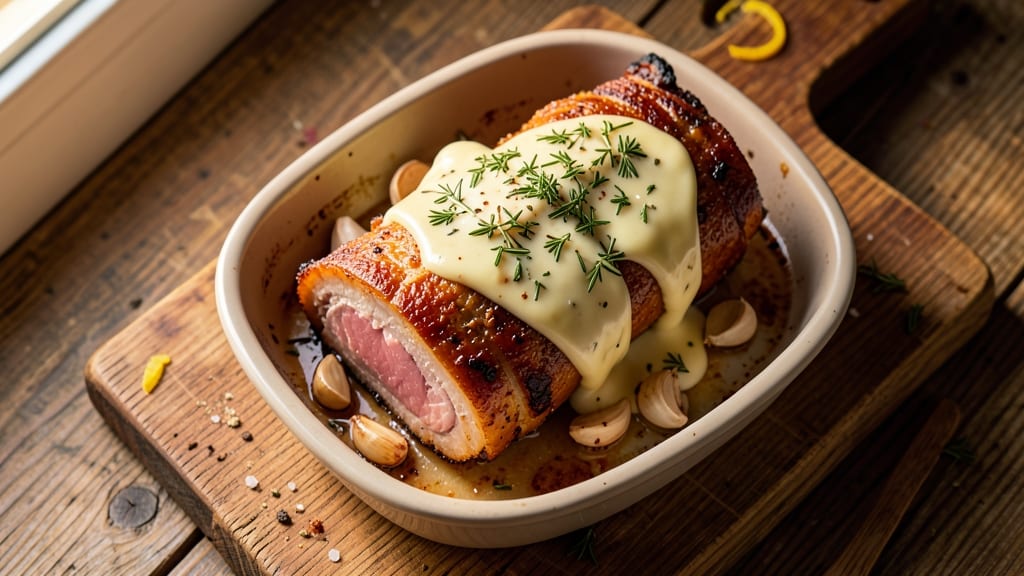
A boneless rolled Boston pork roast transforms tough cuts into melt-in-your-mouth tenderness when rolled, tied, and roasted just right. This technique—perfected over years of cooking for crowds—locks in juicy pink centers while creating a crisp, caramelized crust.
I first mastered it in Charleston, where pork roasts were the centerpiece of every family gathering. The secret lies in the clockwork sear and precise timing that separates good from extraordinary.
What makes this recipe special is the balance between tradition and modern efficiency. We start with a boneless, rolled pork roast—easier to handle than whole cuts but delivering the same restaurant-quality results.
The seasoning blend of black pepper, garlic powder, and a touch of smoked paprika creates layers of flavor that penetrate deeply during the slow roast. This isn't just a pork roast; it's a showstopper that commands attention at any table.
By the time it emerges from the oven, you'll have a roast with a golden-brown exterior and pink, tender meat that practically falls apart at the touch of a fork. The crust is rich and caramelized, while the inside remains moist and flavorful—proof that patience and technique pay off.
This is the kind of pork roast that makes guests ask for seconds and leaves them talking about it for days.
Serve it alongside classic sides like creamy mashed potatoes, roasted root vegetables, or a crisp apple sauce to complete the meal. Pair with a bold red wine or a cold craft beer to elevate the experience.
The best part? This method works equally well for holiday feasts or a special weeknight dinner. Let's get started on creating your perfect roast.
Ingredients for boston pork roast boneless rolled
Six ingredients transform tough pork into melt-in-your-mouth perfection with crisp caramelized crust.
| Ingredient | Amount | Notes |
|---|---|---|
| Boneless Rolled Boston Pork Roast 🥩 | 4 lb | Center-cut for even cooking |
| Unsalted Butter 🧈 | ½ cup | Cold, cut into 1-inch cubes |
| Fresh Rosemary 🌿 | ¼ cup | Chopped, stems removed |
| Garlic Cloves 🧄 | 6 cloves | Smash flat with knife blade |
| Kosher Salt 🧂 | 1 ½ tbsp | Diamond Crystal preferred |
| Freshly Ground Black Pepper 🌶️ | 1 tbsp | Cracked, not pre-ground |
| Smoked Paprika 🌶️ | 1 tsp | For subtle smokiness |
| Olive Oil 🫒 | 1 tbsp | For searing |
| Heavy Cream 🥛 | ½ cup | For basting |
| Apple Cider Vinegar 🍎 | 1 tbsp | For crust development |
| Kitchen Twine 🧵 | 1 piece | For tying roast |
| Fresh Thyme 🌿 | ⅛ cup | Sprigs for aroma |
The pork roast is everything here. Look for a 4-pound center-cut boneless roast—it's easier to tie and cooks more evenly than whole cuts. Costco or local butchers usually carry the best quality. If you're buying whole, ask to have it boned and rolled. The fat cap is key for flavor, so don't trim it too aggressively. I always grab extra rosemary and thyme—fresh herbs make a world of difference in this dish. Smash those garlic cloves flat with the side of your knife before adding them. That extra surface area means more flavor infusion during the roast.
No fresh rosemary? Dried works at one-third the amount, but trust me on the fresh version. Short on time? Garlic powder at half the amount gets you close, though nothing beats the real thing. The butter should be cold when you cube it—take it out of the fridge 30 minutes before prepping. For the crust, I usually mix the heavy cream with apple cider vinegar in a small bowl and keep it nearby. The vinegar helps develop that golden-brown crust while keeping the meat juicy. If you're worried about the roast drying out, baste every 20 minutes—that's when the magic happens.
This roast reheats beautifully—best the next day when flavors meld. Store leftovers wrapped tightly in the fridge for 4-5 days or freeze for 3 months. I always make a double batch because it's perfect for sandwiches later. The twine can be tricky to remove after cooking—use kitchen shears to snip it off once the roast is rested. The crust will be crisp, so serve it immediately with your favorite sides. Leftovers? Slice thin and reheat in a skillet with a splash of broth for pork sandwiches that'll fool anyone.
Why You'll Love This Recipe
- No Fuss, Big Payoff: I swear by this recipe because it’s the kind of meal that feels like a hug—no fancy prep, just a few minutes of hands-on time. The roast is already rolled and tied (or you can do it yourself in under 5 minutes), so you’re basically just searing, basting, and letting the oven do the work.
- Crispy Edge, Melty Core: That butter basting with garlic and rosemary? It’s what turns this into something special. The crust gets golden and crackly while the inside stays juicy—like a fancy restaurant cut but made in my own kitchen.
- Leftovers That Don’t Suck: Between us, so many roasts turn dry the next day. Not this one. The fat stays rich, the meat stays tender, and it’s perfect for sandwiches, fried rice, or just reheating with a splash of broth. Honestly, I make it on Sundays just for leftovers.
- Budget-Friendly Crowd-Pleaser: A single roast feeds six, costs less than takeout, and still feels like a celebration. The rosemary and garlic are cheap staples, and the butter makes it taste like you spent hours (but you didn’t). My college friends used to beg me to bring this to game nights.
Step-by-step instructions for boston pork roast boneless rolled recipe
Here's how to transform your pork roast into melt-in-your-mouth perfection with a crispy exterior and tender pink centers.
Prepare the Pork Roast with Herbs and Seasoning
Start by placing the 4 lb boneless rolled boston pork roast on a cutting board. Pat it dry completely with paper towels—this is crucial for that perfect crust. In a small bowl, mix together 1.5 tbsp kosher salt, 1 tbsp freshly ground black pepper, 1 tsp smoked paprika, 0.25 cup chopped fresh rosemary, and 0.125 cup fresh thyme. Rub this mixture all over the roast, pressing it into the meat so it sticks. Let it sit at room temperature for 30 minutes—this helps the seasoning penetrate and the meat cook more evenly.
While the roast seasons, smash the 6 cloves garlic flat with the blade of a knife. This increases their surface area so they infuse more flavor into the butter. Cut the 0.5 cup unsalted butter into 1-inch cubes and set aside. Here's the thing—don't skip the room temperature step. Cold meat cooks unevenly, and you'll end up with dry edges while the center stays cold.
Sear the Roast for Maximum Flavor and Crisp
Preheat your oven to 325°F. Heat a large oven-safe skillet over medium-high heat and add the 1 tbsp olive oil. Once the oil shimmers, add the pork roast and sear it on all sides for 3-4 minutes per side until it develops a deep golden-brown crust. Press down gently on the roast during the first minute—this prevents it from curling and ensures even contact with the pan.
After searing, remove the roast from the skillet and place it in a roasting pan. Here's where the magic happens: arrange the 1-inch butter cubes and smash garlic cloves around the roast. Pour the 1 tbsp apple cider vinegar into the skillet and scrape up all the browned bits from the bottom with a wooden spoon. This deglazing step captures all that concentrated flavor that would otherwise go down the drain.
Roast to Juicy Perfection with Basting
Transfer the roasting pan to the preheated oven and roast for 2 hours 15 minutes total, basting with the pan juices every 30 minutes. You'll know it's ready when the internal temperature reaches 145°F at the thickest part of the roast. The vinegar in the pan helps develop a beautiful crust, while the butter basting keeps the meat moist and flavorful.
Real talk: your oven might run hot, so start checking the temperature at the 2-hour mark. If it's browning too quickly, tent it loosely with aluminum foil. The roast should have a deep golden-brown crust and juices that run clear when you pierce it with a meat thermometer. If the juices are pink or the meat feels springy, it needs more time.
Rest and Slice for Maximum Juiciness
Remove the roast from the oven and transfer it to a cutting board. Let it rest for 15-20 minutes before slicing—this resting period allows the juices to redistribute throughout the meat. I know it's hard to wait when it smells this good, but trust me, this step makes all the difference between dry meat and juicy perfection.
While it rests, use a sharp carving knife to slice the roast into ½-inch thick slices against the grain. The grain direction will be visible on the cut surface. Serve immediately with the pan juices spooned over the top. Each slice should be tender enough to pull apart with a gentle tug, and the crust should be crispy enough to stand up to a fork. The pink centers should be juicy and tender, not dry or overcooked.
Pro Tips For Making Boston Pork Roast Boneless Rolled
- SEAR THE OUTSIDE FIRST: Hit that roast with high heat—no butter yet—until it’s deep golden brown in spots. I used to skip this and ended up with bland, pale meat; the crust is where all the flavor lives.
- STUFF THE CENTER: Pack the garlic and rosemary deep into the roll before tying—right where the meat’s thickest. Loose stuffing just slides out; tight packing guarantees flavor in every bite.
- DON’T RUSH THE REST: Let that roast sit under foil for 10 minutes after pulling it from the oven. Cutting it early turns juicy meat into dry disappointment—your knife will thank you.
- USE COLD BUTTER: Chill the unsalted butter before slicing it into the roast. Melted butter spreads unevenly; cold slices stay put and baste the meat as it cooks—no drippy mess.
Best sauces and condiments for boston pork roast boneless rolled
Classic Brown Sugar Glaze
This Southern staple elevates the roast with a perfect balance of sweet and savory. I make mine with ½ cup brown sugar, ¼ cup apple cider vinegar, 2 tbsp Dijon mustard, and 1 tbsp honey.
Simmer for 5 minutes until thickened, then brush on the roast during the last 30 minutes of cooking. The vinegar cuts through the sweetness while the mustard adds depth. 🌟
Creamy Horseradish Sauce
For a tangy kick, whip together ½ cup sour cream, 2 tbsp prepared horseradish, 1 tbsp fresh lemon juice, and ½ tsp smoked paprika. This sauce pairs beautifully with the roast's rich flavors and adds a refreshing contrast.
I like to serve it on the side for dipping slices or spooning over the top. The horseradish's heat wakes up the palate between bites.
Apple-Cider Reduction
Use the pan drippings from your roast to create a glossy, fruity reduction. After removing the roast, pour the pan juices into a saucepan and simmer until reduced by half. Stir in 2 tbsp apple cider vinegar and 1 tbsp brown sugar to balance the flavors.
This reduction adds a bright, tangy element that complements the pork's natural sweetness. It's especially good drizzled over the sliced roast before serving.
Whiskey-Infused Gravy
For a luxurious touch, deglaze the roasting pan with 2 tbsp bourbon after removing the roast. Add 1 cup beef broth and 1 tbsp cornstarch mixed with 2 tbsp cold water, then simmer until thickened.
This gravy has a rich, caramelized depth from the pork's fond combined with the whiskey's warmth. It's perfect for serving alongside the roast or spooning over the slices. 🍷
Spicy Mustard Cream
Mix ½ cup mayonnaise, 2 tbsp Dijon mustard, 1 tbsp hot sauce, and 1 tsp smoked paprika for a creamy, spicy accompaniment. This sauce adds a cool contrast to the warm roast and brings a little heat to balance the richness.
I like to serve it in a small bowl for guests to add to their plates as desired. The mustard's sharpness cuts through the pork's fat beautifully.
Herbed Butter Baste
Use the remaining herb butter from your roast preparation to create an aromatic basting sauce. Melt ¼ cup softened butter with 1 tbsp fresh rosemary, 1 tsp thyme, and a pinch of salt.
Drizzle this over the sliced roast before serving. The herbed butter adds another layer of flavor that ties everything together. It's also great for spreading on warm dinner rolls or crusty bread. 🥖
Nutrition facts
Frequently asked questions
Why do you recommend a boneless rolled pork roast instead of a whole cut?
A boneless rolled roast cooks more evenly and develops a better crust than whole cuts. The rolling technique creates a larger surface area for browning while keeping the center tender. Plus, it's easier to handle and slice—no butchering required! This method delivers restaurant-quality results at home.
How do I know when the roast is fully cooked?
Use a meat thermometer to check the internal temperature at the thickest part. It should reach 145°F for juicy pink centers. The juices should run clear when pierced—if they're pink or the meat feels springy, cook 10-15 more minutes. Never rely on color alone!
Can I make this recipe in a slow cooker?
Sear the roast first, then transfer to a slow cooker with butter, garlic, and herbs. Cook on low for 6-8 hours until tender. The crust won't be as crisp, but the meat will be incredibly tender. For extra flavor, add ½ cup apple cider to the pot during cooking.
What's the best way to reheat leftovers?
Slice the roast and reheat in a skillet with 1 tbsp butter and 2 tbsp beef broth over medium-low heat for 5-7 minutes. Or wrap slices in foil and warm in a 350°F oven for 10 minutes. Avoid microwaving—it makes the meat dry.
How can I prevent the roast from drying out?
Never skip the rest time—15-20 minutes after cooking lets juices redistribute. Baste every 30 minutes during roasting, and avoid cutting into it too soon. For extra moisture, add ½ cup heavy cream to the roasting pan during the last hour of cooking.