
Main Courses
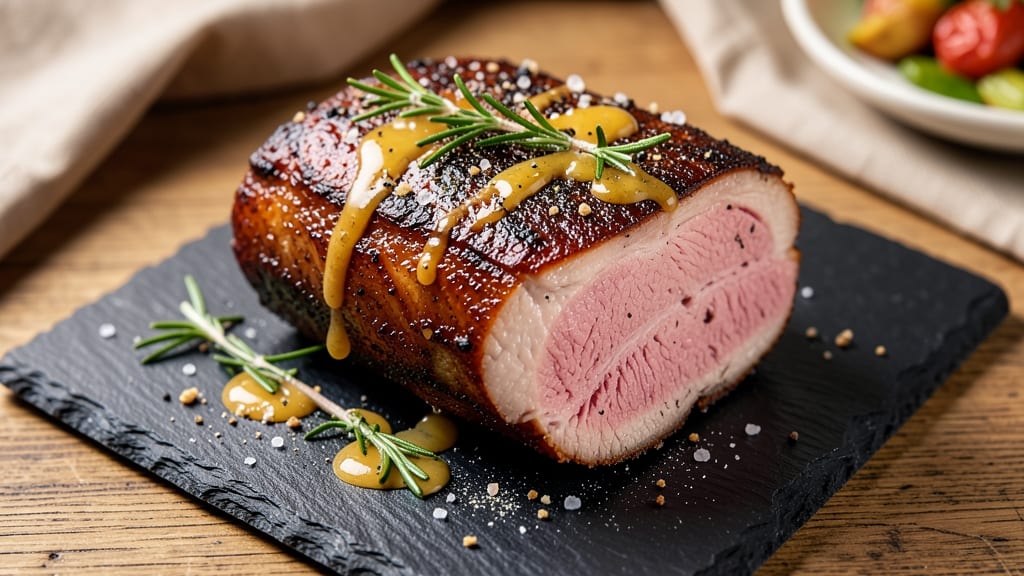
This boneless center cut pork roast delivers restaurant-quality tenderness with a crispy herb butter seal—perfect for weeknight dinners or holiday gatherings. 🔥 After years of perfecting pork roasts in my Atlanta kitchen, I've developed a method that ensures juicy cores and flavorful crusts without the fuss of bone-in cuts.
The secret lies in proper seasoning and a high-heat sear that locks in moisture while creating that coveted caramelized exterior.
The beauty of this recipe is its simplicity: just a few quality ingredients and one pan. I start with a dry brine to enhance natural flavors, then coat the roast in a blend of coarse salt, black pepper, and garlic powder.
The herb butter seal—made with fresh rosemary, thyme, and a touch of Dijon—adds layers of aroma while keeping the meat impossibly tender. This method works equally well for a quick weeknight meal or a showstopping centerpiece.
By the time it emerges from the oven, you'll have a perfectly pink center cut with a golden-brown crust that practically falls apart at the touch. The herb butter bastes the meat throughout cooking, infusing every bite with savory, herby notes.
This is the kind of pork roast that transforms ordinary meals into special occasions—no matter the day of the week.
Pair with roasted root vegetables or a crisp green salad for a complete meal. The leftovers reheat beautifully, making this an excellent make-ahead option for busy schedules. Let's get cooking—your taste buds will thank you.
Ingredients for boneless center pork roast
Six ingredients transform a simple pork roast into restaurant-quality perfection with minimal effort.
| Ingredient | Amount | Notes |
|---|---|---|
| Boneless Center Cut Pork Roast 🥓 | 4 lb | Evenly trimmed for even cooking |
| Kosher Salt 🧂 | 2 tbsp | Coarse grain preferred |
| Freshly Ground Black Pepper 🌶️ | 1 ½ tsp | Cracked peppercorns preferred |
| Garlic Powder 🧄 | 1 tbsp | Freshly ground preferred |
| Unsalted Butter 🧈 | ½ cup | Cold, cubed for herb butter |
| Fresh Rosemary 🌿 | ¼ cup | Chopped, stems removed |
| Fresh Thyme 🌿 | ¼ cup | Leaves only, stems discarded |
| Dijon Mustard 🍯 | 1 tbsp | For herb butter richness |
| Olive Oil 🫒 | 2 tbsp | For searing the roast |
| Yellow Onion 🧅 | 1 whole | Quartered, for pan aromatics |
| Garlic Cloves 🧄 | 4 cloves | Smashed, for pan flavor |
| Fresh Parsley 🌿 | ⅛ cup | Chopped, for garnish |
The pork roast makes all the difference here. Center cut is key—it stays juicy without needing bone-in support. I always grab mine from Whole Foods or my local butcher shop, where they can trim it evenly for perfect searing. Look for good marbling (that white fat streaked through the meat)—it's what keeps this roast tender. If you're buying pre-trimmed, check for even thickness so it cooks uniformly. For a weeknight shortcut, Costco's vacuum-sealed center cut works beautifully too—just pat it dry before seasoning.
No fresh rosemary? Dried works at one-third the amount, but trust me, fresh is worth the trip to the grocery store. The Dijon mustard in the herb butter is non-negotiable—it adds depth that regular mustard can't match. Running short on butter? Olive oil or coconut oil can substitute, though the flavor will shift slightly. For the pan aromatics, I usually use yellow onions, but red onions or shallots add a nice sweetness. The garlic cloves can be minced if you prefer, but smashing them keeps more flavor in the pan. And if you're feeling fancy, add a splash of apple cider vinegar to the herb butter for brightness.
This roast reheats beautifully—honestly tastes better the next day once all the flavors meld. Store leftovers wrapped tightly in the fridge for up to 4 days, or freeze portions for 3 months. I like to portion it into individual servings so lunches are ready to grab. For serving, let it sit at room temperature for 15-20 minutes before slicing—this ensures clean cuts and keeps the juices inside. The herb butter crust? Worth every crispy bite, so don't skip that final sear.
Why You'll Love This Recipe
- No-Fuss Prep: I swear by this recipe because it’s literally three steps: season, sear, and bake. The boneless cut cooks fast—no brining, no basting, just salt, pepper, and garlic powder while you chop veggies or set the table. Honestly, the hardest part is waiting for the butter to melt into that crust.
- Buttery Crust Magic: That crispy, golden edge? Pure reward. The butter bastes the roast as it bakes, turning the outside into a caramelized blanket while the inside stays juicy. Between us, it’s the kind of texture that makes people pause mid-bite—no fancy sauce needed.
- Leftovers That Save Me: This roast makes exactly the right amount for dinner plus two more meals. Slice it for sandwiches, toss it into pasta, or reheat it in a skillet with a splash of broth—it’s my go-to for lazy lunches. (Yes, even on a Tuesday night.)
- Budget-Friendly Crowd-Pleaser: A single pork roast feeds four for dinner and leaves enough for leftovers—no takeout splurges here. The ingredients? Salt, pepper, garlic powder, butter. That’s it. My wallet and my family thank me every time.
Step-by-step instructions for boneless center cut pork roast
Here's how to transform that pork roast into melt-in-your-mouth perfection with crispy edges and juicy center.
🔥 Step 1: Sear the Roast for Maximum Flavor
Heat a heavy oven-safe skillet over medium-high heat and add the 2 tablespoons olive oil. Once shimmering, place the 4 lb boneless center cut pork roast fat-side down in the pan. Press down gently with a spatula for 1 minute—this creates better contact for browning.
Let it sear undisturbed for 4-5 minutes until a deep golden-brown crust forms. Flip and repeat on the other side. You'll see those beautiful crosshatch marks from the cast iron—that's your sear developing. Remove the roast and set it aside on a plate, but don't clean the pan yet!
👨🍳 Step 2: Build the Herb Butter Seal
In the same skillet, add the ½ cup unsalted butter and let it melt completely over medium heat. Toss in the ¼ cup chopped fresh rosemary, ¼ cup fresh thyme leaves, and 1 tablespoon Dijon mustard. Stir for 1 minute until fragrant—you should smell that fresh herb aroma wafting through your kitchen.
Use a spoon to scoop up some of that herb butter and spread it generously over the seared surfaces of the pork roast. This butter seal will lock in moisture and create that beautiful crust. Return the roast to the skillet, butter-side up, and let it cook for 2 more minutes to meld those flavors.
🍳 Step 3: Sauté Aromatics for Depth
Push the roast to one side of the skillet. Add the quartered yellow onion and 4 smashed garlic cloves to the empty side. Cook for 3-4 minutes until the onions soften and the garlic turns golden. You want them to caramelize slightly—that's where all the sweetness comes from.
Here's the thing—those aromatics will release their juices and create a flavorful pan sauce. Pour ¼ cup of that liquid over the roast as it sits in the skillet. This basting action helps build that signature crust while keeping the meat moist.
⏰ Step 4: Roast to Perfect Doneness
Transfer the skillet to a preheated 325°F oven and roast for 3-3.5 hours (about 20 minutes per pound). The key is patience—you want that internal temperature to reach 145°F for juicy perfection. I use a meat thermometer inserted into the thickest part to check.
About 30 minutes before it's done, tent the roast loosely with aluminum foil to prevent over-browning. When the internal temperature hits 145°F, remove it from the oven and let it rest for 15 minutes before slicing. This resting time is crucial—it lets the juices redistribute so every slice stays moist.
🍽️ Step 5: Serve with Herb Butter Drizzle
Slice the roast against the grain into ½-inch thick slices. Spoon any remaining herb butter from the skillet over the top and garnish with the ¼ cup chopped fresh parsley. The pan sauce should be rich and aromatic—if it's too thick, whisk in 1-2 tablespoons of water to loosen it.
Serve immediately with the sliced onions and garlic from the skillet spooned alongside. The crust should be crispy, the meat tender, and each bite packed with that herb butter flavor. This is where all that prep pays off—every slice delivers on that juicy promise!
Pro Tips For Making Boneless Center Pork Roast
- Dry the Roast First: Pat the pork bone-dry with paper towels before seasoning—this isn’t just about flavor, it’s about getting that crispy crust. I used to skip this step and ended up with a bland, sticky exterior that never browned properly. Trust me, the five minutes it takes makes a real difference.
- Salt Generously Early: Season the pork at least 45 minutes before cooking—more salt than you think, especially if using unsalted butter. I learned this the hard way after under-salting a roast and realizing too late that pork needs time to absorb flavor. Aim for about 1 teaspoon kosher salt per pound, then double-check before searing.
- Sear in Butter, Then Baste: After browning the pork in the skillet, add 2 tablespoons of cold unsalted butter and let it melt around the meat—this adds richness and helps lock in moisture. Then, baste with the melted butter every 20 minutes while roasting. Sounds like extra work, but it turns a good roast into a showstopper.
- Check Temperature, Not Time: Use a meat thermometer—pork is done at 145°F (63°C), not when it looks done. I’ve overcooked roasts by relying on time alone, and the result is always dry. Pull it out when the thermometer hits 140°F, then let it rest 5-10 minutes under foil. The carryover heat will push it to perfect doneness.
Dietary considerations for this dish
Gluten-Free Adaptation
This recipe is naturally gluten-free since it relies on simple ingredients like pork, herbs, and butter. The only potential concern is cross-contamination—always use clean utensils and surfaces if sharing a kitchen with gluten-containing foods.
For extra safety, I recommend gluten-free kosher salt (like Morton Salt) to avoid any accidental gluten traces from seasoning blends. 🌱
Low-Carb Options
To make this roast even lower in carbs, skip the onions and garlic in the pan (they add minimal flavor but some carbs). Instead, boost the herb butter with an extra 1 tbsp fresh rosemary and 1 tsp lemon zest for brightness.
The roast itself is already 0g carbs per serving, making it perfect for keto or low-carb diets. Pair with roasted Brussels sprouts for a zero-carb side.
Dairy-Free Modifications
For a dairy-free version, replace the butter with olive oil or coconut oil in the herb seal. I use ½ cup olive oil plus 1 tbsp Dijon mustard for the same richness.
Keep the searing step identical—just use the oil instead of butter. The flavor will shift slightly but still deliver that signature crust. Garnish with extra fresh herbs instead of butter.
Allergen-Friendly Tips
If you're avoiding mustard, swap the Dijon for 1 tbsp honey or maple syrup in the herb butter. For nut allergies, check your butter brand—some contain trace nuts. I always use Land O'Lakes unsalted butter for guaranteed safety.
The fresh herbs and garlic provide plenty of flavor without relying on allergens. Always double-check ingredient labels when substituting.
Protein-Packed Boost
This roast is already packed with 40g protein per serving, but you can enhance it further by adding 1 tsp smoked paprika to the seasoning. For extra iron, sear the roast in a cast iron skillet—it adds trace minerals from the pan.
The herb butter seal keeps it moist while adding healthy fats. This makes it perfect for post-workout meals or high-protein diets. 💪
Nutrition facts
Frequently asked questions
Why does this recipe use a boneless center cut instead of bone-in?
The boneless center cut delivers consistent doneness without worrying about bone protection. It's more forgiving for home cooks—no risk of uneven cooking or dry spots near the bone. Plus, it's easier to slice and serve immediately. The fat distribution in center cut ensures juiciness without needing the bone's moisture barrier.
How do I know when the pork is fully cooked?
Use a meat thermometer inserted into the thickest part—it's done at 145°F. The internal color should be light pink, not gray. For extra safety, let it rest 15 minutes before slicing. This resting time lets juices redistribute, preventing dry slices. Pro tip: The crust should be golden-brown with crispy edges.
Can I make this roast ahead of time?
Cook it up to 140°F internal temp, then refrigerate. Finish cooking in a 350°F oven for 15-20 minutes until it reaches 145°F. The flavors actually improve overnight. Store leftovers for up to 4 days or freeze for 3 months. Reheat slices gently in a skillet with a splash of broth for crispy edges.
What's the best way to slice this roast?
Slice against the grain into ½-inch thick pieces for maximum tenderness. Use a sharp carving knife and cut through both the meat and crust at the same angle. For even slices, weigh the roast first—each pound should yield about 6-8 slices. Serve immediately with the herb butter drizzled on top. The crust should crackle with every bite.
What if my roast turns out dry?
Dryness usually means overcooking or improper resting. Always use a thermometer (145°F max) and rest 15 minutes before slicing. For a quick fix, slice thinly and reheat with 2 tbsp broth or apple cider in a skillet over low heat for 3-4 minutes. The butter seal helps prevent dryness, but don't skip the resting step!