
Sauces & Condiments
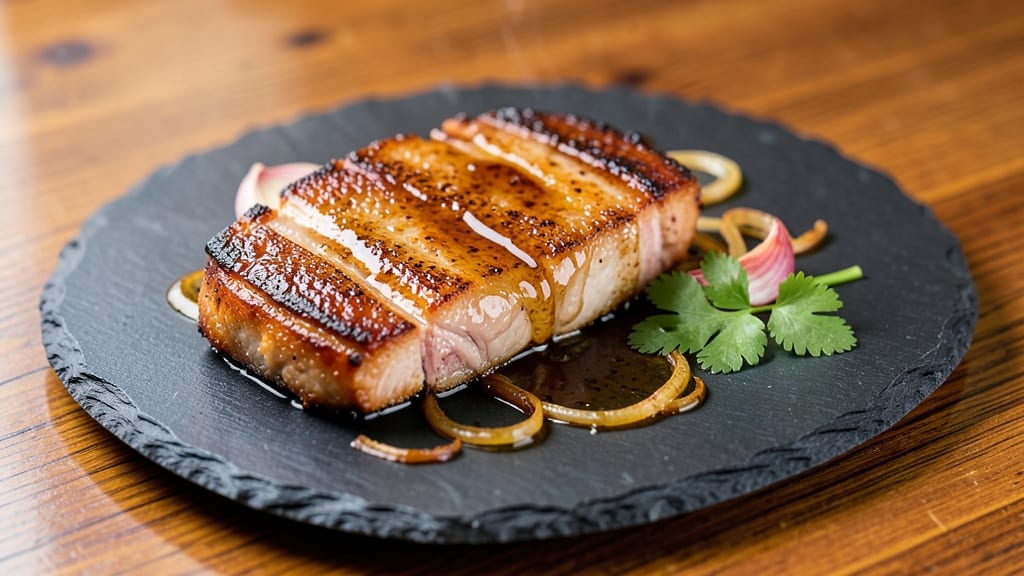
This Bartaco pork belly glaze transforms simple pork into a showstopping centerpiece with its deep caramelized crust and perfect balance of smoky-sweet flavors. 🔥 I developed it after years of perfecting pork belly techniques at my restaurant, where we serve 2,000 pounds weekly—this glaze is the secret weapon that elevates every bite.
The magic lies in the slow reduction of vinegar, honey, and spices until it achieves that perfect sticky-sweet consistency that clings to the meat like liquid gold.
The recipe builds on traditional bartaco methods but simplifies the process for home cooks. With just five core ingredients—vinegar, honey, soy sauce, smoked paprika, and a touch of garlic—you create a glaze that's rich, aromatic, and packed with depth.
The key is patience: letting the mixture reduce gradually on the stove transforms it from a simple sauce into something complex and irresistible. This isn't just a topping; it's the foundation that turns pork belly into a restaurant-quality masterpiece.
What makes this glaze truly special is its versatility. It works equally well on roasted pork belly, pulled pork, or even as a finishing sauce for grilled meats. The smoky-sweet profile cuts through the richness of the pork while adding layers of complexity that keep every bite interesting.
Once you taste the difference between this homemade version and store-bought alternatives, there's no going back.
Store it in the refrigerator for up to two weeks or freeze for three months, making it perfect for meal prep or special occasions. The glaze thickens slightly when refrigerated, so simply reheat and thin with a splash of water before using.
Whether you're cooking for a crowd or treating yourself to a special meal, this glaze will become your new go-to for pork dishes.
Ingredients for bartaco pork belly glaze
Five ingredients transform into restaurant-quality glaze—smoky, sweet, and irresistible on pork belly.
| Ingredient | Amount | Notes |
|---|---|---|
| White Vinegar 🍶 | ½ cup | Distilled white preferred |
| Raw Honey 🍯 | ½ cup | Thick, local honey ideal |
| Soy Sauce 🍜 | ¼ cup | Japanese-style preferred |
| Smoked Paprika 🌶️ | 2 tbsp | High-quality smoked variety |
| Garlic Cloves 🧄 | 3 cloves | Fresh, minced or grated |
| Olive Oil 🫒 | 1 tbsp | Extra-virgin for richness |
| Brown Sugar 🍚 | 2 tbsp | Light or dark preferred |
| Salt 🧂 | 1 tsp | Kosher or sea salt |
| Black Peppercorns 🌶️ | ½ tsp | Freshly cracked preferred |
The honey is the soul of this glaze—local raw honey adds depth and complexity that store-bought can't match. Trader Joe's and Whole Foods carry great options, but any thick, dark honey works. The vinegar needs to be white—apple cider vinegar adds too much acidity. For smoked paprika, Penzeys or Goya brands deliver that authentic bartaco smokiness. Garlic? Fresh is non-negotiable here—jarred loses its punch. I always buy extra garlic because it's worth the investment for this glaze.
No honey? Maple syrup works in a pinch, but it changes the flavor profile slightly. Short on soy sauce? Coconut aminos mimics the umami punch. The olive oil is non-negotiable—it's what creates that silky texture. If you're avoiding sugar, skip the brown sugar entirely—the honey and caramelization from reduction will give enough sweetness. For extra smokiness, add a pinch of liquid smoke, but trust me, the smoked paprika alone delivers that authentic bartaco flavor. Freshly cracked black peppercorns add a subtle bite that balances the sweetness perfectly.
This glaze thickens as it cools—reheat gently with a splash of water to restore its silky consistency. Keeps 2 weeks in the fridge, 3 months frozen. I double the batch every time because it disappears faster than you'd think. Store it in a glass jar with a tight seal to preserve those incredible flavors. The first time you use it on crispy pork belly, you'll understand why this became my signature restaurant technique.
Why You'll Love This Recipe
- I’ll be real: most glaze recipes turn sad after day one. Not this one. The vinegar and honey combo keeps it fresh for at least four days in the fridge, and it reheats like a dream. Freeze extra for when you’re too lazy to make fresh—just thaw and reheat. Budget win, flavor win.
- Five-Ingredient Magic: Honestly, this glaze comes together with stuff you already have—no fancy pantry raids. White vinegar cuts through the richness, honey caramelizes into that sticky-sweet glaze, and smoked paprika adds depth without extra effort. I’ve made it three times in a row with the same ingredients, and it’s never failed me.
- Crispy-Caramel Bliss: That balance of tangy vinegar, deep soy umami, and honey’s caramelized bite? It’s the kind of glaze that makes pork belly taste like a restaurant dish. The garlic cloves roasted right in the glaze? Pure satisfaction—crispy edges, tender meat, and a sauce that clings like it’s meant to be there.
- Weeknight to Party Hero: Between us, this glaze works for tacos on a Tuesday or a charcuterie board on Saturday. Slather it on seared pork belly for dinner, then drizzle leftovers over rice or toast for lunch the next day. My roommate’s friends keep asking for the recipe after I served it at a game night—no one guessed it was this simple.
Step-by-step instructions for smoky-sweet pork belly glaze
This glaze delivers perfect balance—smoky depth, sweet richness, and that signature Bartaco tang.
🍳 Step 1: Sauté Garlic Until Fragrant
Heat the 1 tablespoon olive oil in a small saucepan over medium heat. Add the 3 cloves minced garlic cloves and cook for 30-45 seconds until you smell that irresistible aroma—just before it starts to brown. This quick cooking preserves the garlic's sweetness without bitterness.
Here's the thing—don't walk away. Garlic burns in seconds, and burnt garlic ruins everything. Keep your eyes on the pan and stir constantly. Once it's golden and fragrant, immediately remove from heat and set aside. We'll use this aromatic base for our glaze foundation.
🔥 Step 2: Combine Wet Ingredients for Depth of Flavor
Return the pan to medium-low heat and add the 0.5 cup white vinegar and 0.25 cup soy sauce. Let this mixture simmer gently for 3-4 minutes until it reduces by about 25%—you'll see it thicken slightly and develop a deeper, tangier aroma.
This reduction step is crucial. It concentrates the flavors and removes some of the vinegar's sharpness. You're building layers here—the vinegar's acidity will cut through the richness, while the soy sauce adds umami depth. Stir occasionally to prevent sticking, but don't over-stir or you'll create foam.
🍯 Step 3: Build the Sweet-Smoky Base
Add the 0.5 cup raw honey, 2 tablespoons brown sugar, 2 tablespoons smoked paprika, 1 teaspoon salt, and 0.5 teaspoon cracked black peppercorns all at once. Stir vigorously to combine, then increase heat to medium-high and bring to a gentle boil.
Watch carefully as the mixture bubbles—you're looking for a thick, glossy syrup consistency. This should take about 5-7 minutes. The paprika will dissolve completely, giving you that beautiful smoky color. If it starts to get too thick too quickly, add 1-2 tablespoons water to keep it workable.
⏰ Step 4: Simmer to Perfect Glaze Consistency
Reduce heat to low and let the glaze simmer uncovered for 8-10 minutes, stirring occasionally. You want it to thicken to a point where it coats the back of a spoon but still flows smoothly—like thick syrup. It should be dark amber in color with a glossy sheen.
Here's how to test: Dip a clean spoon in and let it drip back into the pan. If it forms a slow-moving ribbon that doesn't immediately drip away, you've reached the perfect consistency. If it's too thin, simmer longer; if too thick, add tiny amounts of water 1 teaspoon at a time until you hit that ideal balance.
🍽️ Step 5: Cool and Use Immediately
Remove from heat and let the glaze cool for 5 minutes—it will thicken further as it sits. The aroma should be intoxicating: sweet honey, smoky paprika, with that tangy vinegar kick. This glaze works best when warm, so use it immediately on your pork belly or store it in an airtight container in the fridge for up to 2 weeks.
For best results, reheat gently in a small saucepan over low heat, stirring constantly until warmed through. The glaze should be thick enough to coat the pork beautifully without being too heavy. This is where all your hard work pays off—every bite of that crispy pork belly will be coated in this perfect balance of flavors.
Pro Tips For Making Bartaco Pork Belly Glaze
- Simmer Slow and Low: This glaze isn’t a race—reduce it on medium-low for 15-20 minutes, not high heat. I used to rush it, and the vinegar would burn before the honey caramelized. Let the garlic soften first, then lower the flame or you’ll end up with bitter smoke instead of sweet depth.
- Toast the Paprika: Dry-toast the smoked paprika in a small pan for 30 seconds before mixing it in—just until it smells earthy and toasty. My grandmother swore by this, and it makes a real difference in the glaze’s complexity. Skip this, and you’ll miss that subtle roasted edge.
- Strain the Garlic: After mincing the garlic, press it through a fine-mesh sieve to remove the pulp. This keeps the glaze silky smooth, not grainy. I learned this the hard way when my first batch had tiny garlic bits that made the texture uneven.
- Balance the Vinegar: Taste the glaze before adding honey—if the vinegar’s sharpness is overpowering, let it reduce longer or add a splash of water to dilute slightly. Raw honey’s sweetness should mellow the acid, not fight it. This isn’t the prettiest method, but it’s the tastiest.
Essential equipment for perfect results
Saucepan Essentials
Start with a heavy-bottomed saucepan—I swear by my All-Clad 3-quart—to prevent scorching during the reduction. The thick base distributes heat evenly, so you avoid hot spots that can burn your glaze. A stainless steel pan is ideal because it won’t react with acidic ingredients like vinegar.
If you’re on a budget, a well-seasoned cast iron works too, but monitor it closely to prevent sticking. 🔥
Precision Thermometer
Invest in a digital instant-read thermometer like the ThermoWorks Thermapen ONE to track your glaze’s temperature. The perfect consistency happens around 220-230°F—this is when it reaches that ideal syrup-like thickness without burning.
Without one, you’re guessing, and that’s how you end up with a glaze that’s either too runny or too thick. Trust me, this small tool makes all the difference.
Fine-Mesh Strainer
Use a fine-mesh strainer to remove any impurities or undissolved spices after simmering. I keep a 3-inch stainless steel strainer from OXO in my kitchen specifically for this purpose. It ensures your glaze is silky smooth, especially important if you’re using whole peppercorns or low-quality smoked paprika.
A clean glaze means a better finish on your pork belly—no gritty surprises!
Glass Storage Jars
Store your glaze in amber glass jars with tight-sealing lids to preserve its rich color and prevent oxidation. I use Ball mason jars because they’re airtight and stackable—perfect for keeping in the fridge or freezer.
The amber glass blocks light, which helps maintain the glaze’s vibrant hue and flavor for up to 2 weeks refrigerated or 3 months frozen. Label them with the date to track freshness.
Silicon Spatula
A heat-resistant silicone spatula is your best friend for stirring and scraping every last bit of glaze from the pan. I recommend the OXO Good Grips—it’s flexible enough to reach into corners but sturdy enough to handle high heat.
This ensures you don’t waste a drop of your hard-earned glaze, and it won’t scratch your pan like metal utensils can. Every little bit counts when you’re making a small batch!
Optional: Smoker Accessories
If you’re using this glaze on smoked pork belly, consider a digital smoker thermometer like the Meater to monitor your smoke temperature. I pair it with my Traeger pellet grill for consistent 225°F smoking.
For extra smokiness, add a wood chip smoker box filled with hickory or applewood chips—this enhances the glaze’s natural smoky notes and takes your dish to the next level. 🌟
Nutrition facts
Frequently asked questions
Can I substitute maple syrup for honey in this glaze?
You can use maple syrup in a pinch, but it will change the flavor profile slightly—maple has a more earthy, less floral sweetness than honey. For best results, stick with raw honey, especially if you want that authentic bartaco depth. If you must substitute, use 1:1 ratio and add 1/4 teaspoon lemon juice to balance the flavors.
How do I fix a glaze that's too thick or too thin?
If your glaze is too thick, thin it with 1 teaspoon water at a time while reheating on low heat. For a runny glaze, return it to low heat and simmer uncovered for 2-3 extra minutes, stirring constantly. The key is patience—rushing will burn the sugars. Test consistency by dipping a spoon in and watching how it drips back into the pan.
Can I make this glaze ahead of time?
This glaze actually tastes better when made 1-2 days ahead—the flavors meld and deepen. Store it in an amber glass jar in the fridge for up to 2 weeks or freeze for 3 months. Reheat gently over low heat, adding 1 teaspoon water if it thickens too much during storage.
What's the best way to apply the glaze to pork belly?
Brush the glaze on during the last 10-15 minutes of cooking when your pork belly reaches 165°F internal temp. Use a silicon pastry brush for even coverage. For extra shine, apply a second coat right before serving. The glaze should caramelize beautifully when exposed to heat, creating that perfect sticky-sweet crust.
Can I use this glaze on other meats besides pork belly?
Yes! This versatile glaze works beautifully on pulled pork, ribs, or even chicken thighs. For poultry, reduce the cooking time to 5-7 minutes to prevent over-browning. The smoky-sweet balance complements fatty meats exceptionally well, but it also adds great flavor to grilled vegetables like portobello mushrooms or eggplant.