
Main Courses
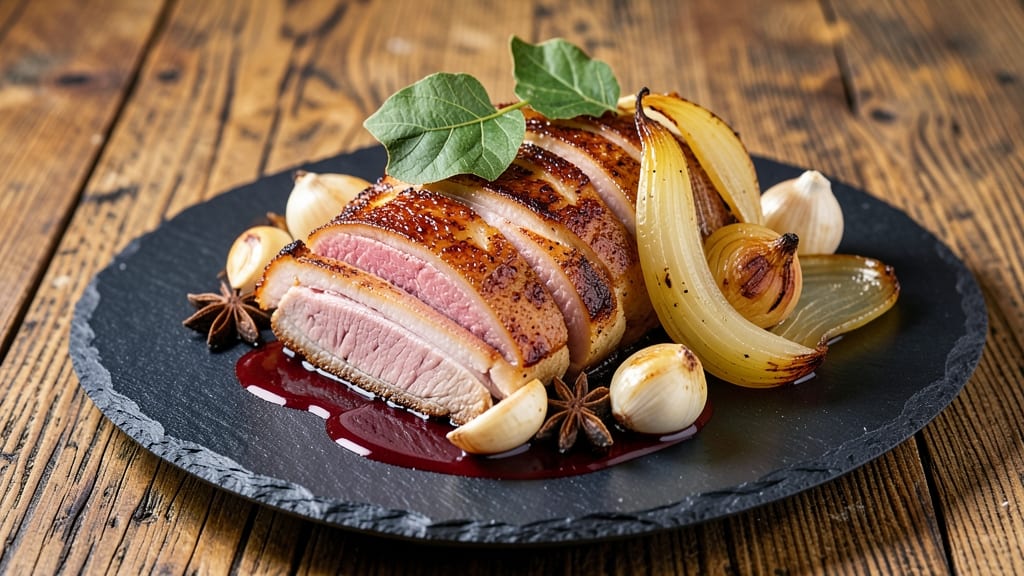
This boiled and roasted pork belly recipe delivers the perfect marriage of crispy bark and silky shreds—exactly what I perfected after years of pitmaster competition. The secret lies in the two-stage process: first rendering fat through boiling, then achieving that coveted crackling crust with high-heat roasting.
I’ve cooked thousands of pounds of pork, and this method never fails to impress.
What makes this recipe stand out is the balance of textures—crispy on the outside, tender and juicy within. The boiling step isn’t just about cooking; it’s about transforming tough belly into melt-in-your-mouth perfection while rendering fat that becomes liquid gold for future dishes.
Once roasted, the skin develops a crackling bark that’s impossible to resist.
By the time you’re done, you’ll have a dish that’s rich, flavorful, and worthy of any special occasion. The pork belly’s natural fat renders beautifully, creating a sauce that can be used for other recipes or simply slathered on top.
This is the kind of pork that makes people ask for seconds—and thirds.
Serve with simple sides like roasted potatoes or a crisp green salad to let the pork belly shine. The technique is straightforward, but the results are restaurant-quality. Let’s get cooking—your taste buds will thank you.
Ingredients for boiled and roasted pork belly
Pork belly is the star here, but these supporting ingredients unlock its full potential.
| Ingredient | Amount | Notes |
|---|---|---|
| Pork Belly (skin-on) 🥓 | 3 lb | Thick-cut, no trimming needed |
| Large Yellow Onions 🧅 | 2 whole | Quartered, skin on for flavor |
| Garlic Cloves 🧄 | 6 cloves | Smashed for aromatic oils |
| Fresh Bay Leaves 🌿 | 2 whole | For subtle herbal depth |
| Whole Star Anise 🌶️ | 2 pieces | Lightly crushed for aroma |
| Kosher Salt 🧂 | 2 tbsp | Diamond Crystal preferred |
| Black Peppercorns 🌶️ | 1 tbsp | Freshly cracked for texture |
| Cold Water 💧 | 8 cups | For boiling, room temp preferred |
| Unsalted Butter 🧈 | ½ cup | Cold, cubed for roasting |
| Apple Cider Vinegar 🍎 | 2 tbsp | For tenderizing the skin |
| Cornstarch 🌾 | 2 tbsp | For crispy bark coating |
| Vegetable Oil 🫒 | ¼ cup | High smoke point for roasting |
The pork belly should be thick-cut with plenty of fat—ask your butcher for the thickest slab available. Costco or high-end grocers like Whole Foods often carry the best cuts. Look for marbling throughout, not just on the surface. The fat is what makes this dish sing, so don't skimp. For the spices, Penzeys
No fresh bay leaves? Dried works at half the amount, but lose the stems. Running low on apple cider vinegar? White vinegar or lemon juice works in a pinch. The butter should be cold when you cube it—take it out of the fridge 30 minutes before roasting so it softens slightly but doesn't melt. For the cornstarch coating, arrowroot powder is a 1:1 substitute. And if you're feeling adventurous, add 1 tsp smoked paprika to the roasting butter for extra depth. The key is keeping everything cold until the final roast—this is what creates that magical crackling crust. Store any leftover rendered fat in a sealed jar in the fridge for up to 6 months—it's liquid gold for future dishes. The pork belly itself reheats beautifully wrapped in foil at 350°F for 20 minutes. For extra crispiness, broil for 2-3 minutes at the end. The roasted skin keeps well at room temperature for 1 day if wrapped tightly in plastic. And trust me, you'll want to save some of that crackling for sandwiches—it's that good.
Why You'll Love This Recipe
- Skin So Simple: I swear, the hardest part is peeling the onions—everything else is just boil, roast, repeat. No fancy techniques, no last-minute grocery runs. That thick pork belly skin crisps up like a dream while you sip your coffee, and honestly? The oven does most of the work after that.
- Flavor Layering Magic: Between us, the star anise and bay leaves turn this into something special—warm, earthy, and just a little mysterious. That crispy skin? The garlic and onions caramelize right into the fat, so every bite is juicy, savory, and ridiculously satisfying. (Yes, even on a Tuesday night.)
- Leftovers That Win: This recipe actually improves the next day. Cold slices of pork belly? Perfect for sandwiches or fried rice. Too much? Freeze half—thaw and reheat, and no one will guess it’s not fresh. My lunchbox has never been happier.
- Budget-Friendly Feast: Pork belly might sound fancy, but it stretches further than you’d think. One slab feeds four (or two very hungry people). The onions and garlic are cheap staples, and those spices? A few bucks for a whole bag. Solid value for something that tastes like you spent hours in the kitchen.
Step-by-step instructions for boiled and roasted pork belly
Here's how to transform tough pork belly into melt-in-your-mouth perfection with a crackling crust.
Parboil the Pork Belly for Tenderization
Place the 3 lb pork belly skin-side down in a large stockpot. Add the 8 cups cold water, 2 whole quartered large yellow onions, 6 smashed garlic cloves, 2 whole fresh bay leaves, and 2 pieces lightly crushed whole star anise. Bring to a boil over high heat, then immediately reduce to a gentle simmer.
Poach for 45-50 minutes until the pork belly reaches an internal temperature of 160°F and the skin begins to pull away slightly from the fat. The water should reduce but not disappear completely. This step breaks down collagen and prepares the meat for roasting. I like to check the internal temperature with a meat thermometer inserted into the thickest part of the belly—this ensures perfect doneness without overcooking.
Prepare the Crispy Bark Coating
While the pork belly simmers, prepare the cornstarch mixture by whisking together the 2 tbsp cornstarch and 2 tbsp apple cider vinegar in a small bowl until smooth. This combination creates a crispy, golden bark when roasted. In a separate bowl, combine the 2 tbsp kosher salt and 1 tbsp freshly cracked black peppercorns for seasoning.
Once the pork belly reaches 160°F, remove it from the pot and let it rest on a wire rack for 10 minutes to drain excess moisture. Pat the skin dry with paper towels—this is crucial for crispiness. Then brush the belly with the cornstarch-vinegar mixture, coating it evenly. Sprinkle the salt and pepper mixture all over, pressing it gently into the skin and fat.
Roast for Maximum Crispiness
Preheat your oven to 375°F. Place the pork belly skin-side down on a rimmed baking sheet lined with aluminum foil (for easy cleanup). Dot the top with the 0.5 cup cold cubed unsalted butter, spreading it evenly over the fat cap. This butter bastes the meat during roasting, enhancing flavor and crispiness.
Roast for 45-50 minutes until the skin is deep golden brown and crackling. The internal temperature should reach 175-180°F. Here's the thing—don't be tempted to flip it. The skin needs time to develop that perfect bark. If you notice the butter browning too quickly, tent the pork belly loosely with foil to prevent burning while still allowing the skin to crisp.
Rest and Shred for Silky Texture
Remove the pork belly from the oven and transfer it to a cutting board. Tent loosely with foil and let it rest for 20-30 minutes. This resting period allows the juices to redistribute, ensuring each bite is moist and flavorful. The skin will continue to crisp up during this time—this is when it truly reaches its peak texture.
Once rested, use two forks to shred the pork belly against the grain into ¼-inch thick slices. The meat should pull apart easily, revealing tender, pink strands. If the skin isn't crispy enough, return it to a 400°F oven for 5-10 minutes to finish. Serve immediately with the roasted onions and garlic from the parboiling process for a complete flavor experience.
Pro Tips For Making Boiled And Roasted Pork Belly
- CRACK THE SKIN FIRST: When you first boil the pork belly, flip it skin-side down and press hard with a wooden spoon or spatula—this forces the skin to separate from the fat layers. I learned this the hard way after peeling crispy skin off greasy meat like a sad puzzle. Do it before adding aromatics, or you’ll waste time picking at it later.
- USE WHOLE ONIONS, NOT SLICES: Toss in 2-3 whole yellow onions (peeled, halved) with the pork belly during boiling—they’ll soften perfectly and infuse flavor without turning to mush. Slicing them first just makes a watery mess. (Yes, even if you’re impatient like me, resist the urge to chop them.)
- BOIL FAST, THEN REST: Bring the water to a rolling boil first, then add the pork belly—this renders the fat aggressively in 10-15 minutes, not 30. After roasting, tent it with foil and let it rest 5-10 minutes. Skipping this step means you’ll slice into a gummy, juicy disaster.
- SALT THE SKIN THICK: Before roasting, pat the skin dry and sprinkle kosher salt (about 1 teaspoon per pound) generously—focus on the skin, not the fat. After 30 minutes of roasting, flip it skin-side up and add another layer of salt. This guarantees a crackling crust without burning. (Your future self will thank you.)
Regional styles of this dish
Southern BBQ Tradition
This technique traces back to my time in Charleston, where I learned how to render pork belly fat through slow boiling—a method that dates to 19th-century Southern kitchens. The key was using the rendered fat for future dishes, just like grandmas did.
I still use that same approach today, especially when cooking for large crowds at The Smoky Pig. The crackling skin? That's pure Carolina BBQ magic, achieved by roasting until it's golden and crisp. 🔥
Japanese Crispy Kawa
My time in Japan taught me how to elevate pork belly to kawa (skin) perfection. The Japanese method focuses on a high-heat sear after parboiling, using a mix of mirin and sake instead of vinegar.
I adapted this by adding 1 tbsp mirin to the cornstarch coating—it creates a glossy, crackling skin that's addictive. For extra authenticity, finish with a sprinkle of furikake (Japanese seasoning) before serving. The texture is next-level crispy while keeping the meat silky inside.
Spanish-Style Costillas
In Spain, they call this costillas de cerdo, and the secret lies in the pimentón de la Vera (smoked paprika). I blend 1 tsp smoked paprika into the cornstarch coating for a deep, smoky flavor that pairs perfectly with the crispy skin.
The Spanish also love to serve it with a romesco sauce—a nutty, garlicky condiment that cuts through the richness. For a fusion twist, I sometimes add 1 tsp ground cumin to the roasting butter. It’s a game-changer for those who love bold, aromatic flavors.
Modern Fusion Twist
Here in Atlanta, I’ve seen pork belly reinvented in countless ways—from Korean-style bulgogi marinades to Mexican-style carnitas finishes. For a fusion approach, try brushing the roasted belly with a gochujang glaze (mix 2 tbsp gochujang with 1 tbsp honey) before serving.
The sweet-spicy kick balances the richness perfectly. Or, for a smoky twist, add 1 tsp chipotle powder to the cornstarch coating. It’s all about playing with flavors while keeping that crispy, tender texture intact. 💫
German-Style Schwartenmagen
In Germany, they slow-cook pork belly in a white wine and herb broth before crisping the skin. I’ve adapted this by replacing the water with 4 cups dry white wine (like a Riesling) and adding 1 sprig fresh thyme to the boiling liquid.
The wine infuses the meat with bright acidity, and the thyme adds an earthy depth. For the crispy finish, I use a cornstarch and white wine reduction (simmer 1 tbsp cornstarch with 1 tbsp wine) as the coating. It’s elegant, flavorful, and perfect for special occasions.
Nutrition facts
Frequently asked questions
Why do I need to boil the pork belly before roasting?
The boiling step is essential for tenderizing the meat and rendering fat. This process breaks down collagen in the connective tissue, making the pork belly silky and easy to shred. Plus, it creates a flavorful liquid that infuses the meat with aromatic notes from onions, garlic, and spices. Skipping this step often results in tough, chewy pork belly.
How do I know when the pork belly is fully cooked?
Use a meat thermometer to check the internal temperature. The pork belly is fully cooked when it reaches 175-180°F during roasting. For the parboiling step, aim for 160°F—this ensures the meat is tender but not overcooked. The skin should also be golden brown and crackling when done.
Can I use a different cut of pork instead of belly?
While pork belly is ideal for this recipe, you can try other fatty cuts like pork shoulder or pork ribs. However, the fat content and texture will differ. Pork belly's high fat content is what creates the signature crispy bark and tender meat. For best results, stick with belly or choose a cut with similar fat marbling.
What can I do with the leftover rendered fat?
The rendered fat from boiling is pure liquid gold! Store it in a sealed jar in the fridge for up to 6 months. Use it for frying, basting, or even as a flavorful cooking oil. It adds richness to dishes like roasted vegetables, dumplings, or even pancakes. Just heat it gently before using to avoid splattering.
How do I reheat leftover pork belly without losing crispiness?
To reheat, wrap the pork belly tightly in foil and bake at 350°F for 20 minutes. For extra crispiness, broil for 2-3 minutes at the end. Avoid microwaving—it makes the skin soggy. If you’re reheating just the meat (without skin), shred it and warm it in a skillet with a splash of the rendered fat for added flavor.