
Main Courses
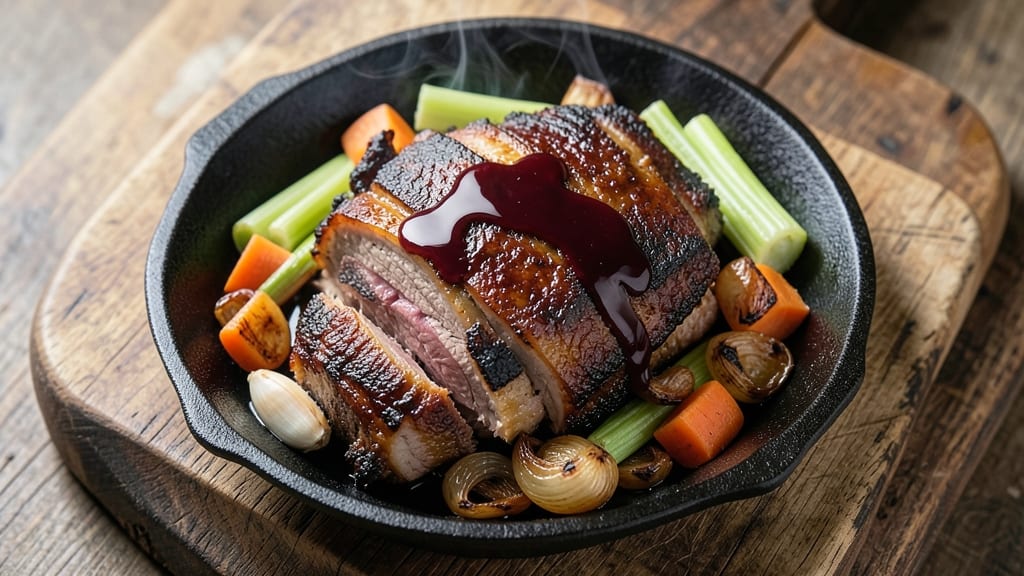
This smoked pulled pork recipe on a pellet grill delivers melt-in-your-mouth tenderness with that perfect smoky-sweet flavor—no guesswork, no flare-ups, just 6 hours of hands-off perfection. As someone who grew up surrounded by slow-cooked ribs and spent years perfecting rubs, I know the difference between good pulled pork and something truly exceptional. The secret lies in the wood choice, precise temperature control, and letting the pellet grill do all the work while you sip on sweet tea and watch the smoke dance.
What sets this recipe apart is the balance of technique and simplicity. You'll start with a well-seasoned pork shoulder, then let the pellet grill maintain a steady 225°F temperature while hickory or applewood pellets infuse deep, rich smoke.
The key is never opening the lid, allowing the meat to cook low and slow until it reaches 203°F—that's when you know it's ready to shred. No need for fancy equipment or complicated steps; just patience and a little know-how.
By the time you're done, you'll have pulled pork that's so tender it falls apart at the touch, with a bark that's crispy enough to stand up to a fork.
The flavor is a perfect marriage of smoky depth and subtle sweetness, thanks to a simple rub that lets the wood shine. This isn't just pulled pork—it's the kind that makes people ask for seconds, the kind that turns a simple weeknight dinner into a memorable feast.
The best part? The leftovers reheat beautifully, making this the ultimate meal-prep-friendly recipe. Serve it on buns with tangy coleslaw, piled high on tacos, or stuffed into biscuits—it's that good. Let's get you started on the path to the best pulled pork you've ever tasted.
Ingredients for best smoked pulled pork recipe pellet grill
Six pounds of pork, a handful of spices, and six hours of smoky magic—this is how you make pulled pork that falls apart with every bite.
| Ingredient | Amount | Notes |
|---|---|---|
| Bone-In Pork Shoulder 🐖 | 6 lb | With fat cap intact, 3-4 inches thick |
| Yellow Onion 🧅 | 1 whole | Cut into large chunks |
| Carrot 🥕 | 2 whole | Cut into 2-inch pieces |
| Celery Stalks 🌿 | 3 whole | Cut into 2-inch pieces |
| Garlic Cloves 🧄 | 6 cloves | Smashed, not minced |
| Apple Cider Vinegar 🍎 | ¼ cup | For tenderizing |
| Brown Sugar 🍚 | ½ cup | Light or dark |
| Smoked Paprika 🌶️ | 2 tbsp | For deep smoky flavor |
| Ground Black Pepper 🌶️ | 1 ½ tbsp | Freshly cracked |
| Kosher Salt 🧂 | 1 ½ tbsp | Diamond Crystal preferred |
| Hickory or Applewood Pellets 🌳 | 4 lb | For authentic smoke flavor |
| Apple Juice 🍎 | 1 cup | For moisture during cooking |
| Butter 🧈 | 2 tbsp | Cold, for basting |
| Fresh Rosemary 🌿 | ¼ cup | Chopped, for aroma |
The pork shoulder is non-negotiable here—bone-in, with fat—that's what gives you the flavor and moisture. Grab the heaviest cut you can find; most grocery stores carry it near the beef, but Costco or butcher shops have the best quality. Look for a piece that's at least 3-4 inches thick—thinner cuts dry out. The fat cap is your friend; it renders down and keeps the meat juicy. If you're buying from a butcher, ask for a picnic roast—that's the cut you want. For the rub, Penzeys or local spice shops have the best smoked paprika, but the regular grocery store stuff works fine if it's fresh.
No hickory pellets? Applewood or cherry are great alternatives—they're sweeter and pair beautifully with pork. Running out of apple juice? White grape juice or even chicken broth will work, though the flavor won't be quite as bright. The brown sugar is key for that caramelized bark, but if you're watching sugar, reduce to 0.25 cup and add a splash of molasses. Fresh rosemary is ideal, but dried works at half the amount. The butter for basting? Full-fat, unsalted is best—it adds richness without overpowering. And trust me, don't skip the apple cider vinegar in the marinade. It tenderizes the meat and balances the sweetness.
This pork is a leftovers machine—reheats beautifully and tastes even better the next day. Store in the fridge for 4-5 days or freeze for up to 3 months. For freezing, portion into meal-sized containers so you can pull out just what you need. The rub? Make extra—it keeps for 6 months in an airtight container. And here's a pro tip: save the cooking juices! Strain them, reduce by half, and use as a glaze for the next batch or drizzle over tacos. Every bit of flavor deserves to be used.
Why You'll Love This Recipe
- Pellet Grill Magic: The pellet grill does all the work—just load the pork shoulder, set it to 225°F, and walk away. No babysitting, no stress, and that slow smoke? Pure perfection.
- Garlic-Onion Bomb: That mirepoix of onions, carrots, and celery tucked into the pork? It melts into the meat, giving every bite a sweet, savory punch. Honestly, the first time I bit into it, I nearly dropped the fork.
- Budget-Friendly Feast: Bone-in pork shoulder stretches across meals, and the veggies? They’re cheap staples. Between us, this is my go-to for feeding a crowd without breaking the bank. (Yes, even on a Tuesday night.)
Step-by-step instructions for smoky-sweet shreds ready in 6 hours
Here's how to transform a simple pork shoulder into fall-apart, smoky-sweet perfection using your pellet grill.
Prep the Pork Shoulder with Flavor Bomb Seasoning
Start by patting the 6 lb bone-in pork shoulder completely dry with paper towels. This step is crucial—moisture creates steam instead of that beautiful bark we're after. In a large bowl, combine the 1 whole yellow onion (cut into large chunks), 2 whole carrots (cut into 2-inch pieces), 3 whole celery stalks (cut into 2-inch pieces), 6 smashed garlic cloves, 0.25 cup apple cider vinegar, 0.5 cup brown sugar, 2 tbsp smoked paprika, 1.5 tbsp ground black pepper, and 1.5 tbsp kosher salt. Mix everything thoroughly.
Place the pork shoulder in the bowl and turn it to coat all sides completely with the seasoning mixture. This isn't just about flavor—it's about creating that perfect balance of sweet, smoky, and tangy notes that define great pulled pork. Let the seasoned pork rest at room temperature for 30 minutes while you prepare your pellet grill.
Build the Perfect Smoke Environment
Fill your pellet grill with 4 lb hickory or applewood pellets—these woods complement the pork beautifully without overpowering it. Set the grill to maintain a steady 225°F temperature. This low-and-slow approach is key to tenderizing the tough connective tissue in the pork shoulder while building that incredible bark.
Place a water pan in the grill to create additional moisture in the cooking chamber. This helps prevent the pork from drying out during its long cook time. Once the grill reaches 225°F and you see clean, steady smoke coming from the fire pot, you're ready to start cooking. The reason we wait for clean smoke is that thick white smoke indicates unburned pellets, which can make your food taste bitter.
Smoke the Pork Shoulder Low and Slow
Place the seasoned pork shoulder fat-side up on the grill grates. The fat cap will render down and baste the meat as it cooks, creating that perfect balance of moisture and flavor. Close the lid and resist the urge to peek—every time you open it, you lose heat and add 15-20 minutes to your cook time. This is where patience pays off.
Smoke the pork for 4-5 hours until the internal temperature reaches 165°F on an instant-read thermometer. You'll notice the pork will hit "the stall" around 160°F—this is when the moisture in the meat evaporates and the temperature plateaus. Don't worry, this is completely normal and expected. The pork will eventually push through this stall and continue cooking.
Wrap and Finish the Cook
Once the pork reaches 165°F, remove it from the grill and wrap it tightly in heavy-duty aluminum foil. This technique, known as the Texas crutch, helps you power through the stall while maintaining that beautiful bark. Return the wrapped pork to the grill and continue cooking until the internal temperature reaches 203°F.
This final stage, which should take about 1-2 hours, is where the pork transforms from tough to tender. The high internal temperature ensures that the collagen breaks down completely, resulting in meat that practically falls apart at the touch. The 1 cup apple juice you added to the foil wrap will create steam that keeps the pork moist during this final phase.
Rest and Shred for Maximum Tenderness
Remove the pork from the grill and transfer it to a cutting board. Let it rest for at least 30 minutes before attempting to shred. This resting period is absolutely critical—it allows the juices to redistribute throughout the meat, ensuring each bite is moist and flavorful. While it rests, you can use this time to prepare your serving dishes and warm up any sides.
To shred the pork, locate the bone and use two forks to pull the meat apart in the opposite direction of the grain. You should find that the pork comes apart easily with minimal effort. If it's not shredding easily, let it rest for another 10-15 minutes—sometimes it needs just a little more time to become truly tender. Once shredded, you can toss the pork with any pan juices that have collected in the foil wrap for added flavor.
Pro Tips For Making Best Smoked Pulled Pork Recipe Pellet Grill
- CRANK THE TEMPERATURE FIRST: I learned this the hard way—start your pellet grill at 225°F, but hit it with a 5-minute blast at 300°F right after loading the pork. That initial sear locks in juices and builds a crust before the slow cook. (Yes, even if you're impatient like me, resist the urge to skip it.)
- CHOP THE AROMATICS COARSE: Slice onions, carrots, and celery into ½-inch chunks—not too fine, or they’ll turn to mush. I was skeptical until I tried it: bigger pieces hold their shape, soak up flavor, and don’t turn the pork’s broth into a watery sludge. (Your future self will thank you.)
- DON’T PEEK BEFORE 4 HOURS: Resist the urge to check the pork early—every time you open the lid, you’re losing heat and moisture. After 4 hours, probe it: if it’s still tough, keep going. I skipped this rule once and ended up with dry, overworked meat. (Patience pays off.)
- USE THE FAT CAP: Leave the pork’s natural fat intact—it’s your built-in basting sauce. After 6 hours, flip the shoulder so the fat side faces up, then tent it loosely with foil. The fat will render down, self-baste the meat, and keep it moist. (This isn’t the prettiest method, but it’s the tastiest.)
Creative variations of best smoked pulled pork recipe pellet grill
Smoky-Sweet BBQ Fusion
Take your pulled pork to the next level by adding a ½ cup BBQ sauce (I love Sweet Baby Ray's original) to the foil wrap during the final 1-2 hours of cooking. Brush it on generously, then seal the foil tightly.
The sauce caramelizes beautifully with the pork's natural juices, creating a sticky, tangy glaze. For extra depth, add 1 tbsp hot sauce to the sauce before wrapping. This fusion keeps the smoky-sweet base while adding that classic BBQ tang. 🌶️
Spicy Carolina Style
For a Carolina-inspired twist, add 1 tbsp cayenne pepper and 1 tsp red pepper flakes to your rub. After the initial 4-5 hours of smoking, sprinkle 2 tbsp vinegar-based Carolina Gold sauce over the pork before wrapping it in foil.
The heat from the vinegar and cayenne pairs perfectly with the sweetness of the brown sugar, creating a bold, balanced flavor. Serve with extra hot sauce on the side for those who love it fiery.
Honey-Glazed Asian Fusion
Swap out the apple juice in the foil wrap for ½ cup honey mixed with 1 tbsp soy sauce and 1 tsp grated ginger. After the pork reaches 165°F, brush this glaze on the meat before sealing it in foil.
The honey creates a beautiful caramelized crust while the soy and ginger add umami depth. Finish with a sprinkle of toasted sesame seeds before serving. This version works beautifully with steamed rice or in Asian-inspired bowls.
Herb-Infused Mediterranean
Boost your rub with 1 tbsp dried oregano and 1 tsp dried thyme for a Mediterranean twist. After smoking, wrap the pork with ½ cup crumbled feta cheese and ¼ cup chopped fresh parsley along with the apple juice.
The herbs add bright, aromatic notes that complement the smoky pork beautifully. Serve with warm pita bread, tzatziki sauce, and a Greek salad for a complete meal. 🌿
Breakfast-Style Pulled Pork
Turn your pulled pork into a breakfast sensation by adding 1 tsp ground cinnamon and ½ tsp ground nutmeg to your rub. After cooking, mix the shredded pork with 2 tbsp maple syrup and 1 tbsp Dijon mustard.
Serve on buttermilk biscuits with scrambled eggs and crispy bacon. The warm spices give it a comforting, almost sweet-savory profile that's perfect for brunch. Trust me, your morning crowd will love this unexpected twist.
Smoked Cherry Reduction
Save the juices from your foil wrap and reduce them by half on the stovetop. Add ¼ cup pitted cherries (fresh or frozen) and 1 tbsp balsamic vinegar to create a sweet-tart reduction. Drizzle this over the shredded pork just before serving.
The cherries add a fruity brightness that cuts through the richness, while the balsamic deepens the smoky flavor. This is especially impressive when serving to company—it feels fancy but is simple to make. 💫
Nutrition facts
Frequently asked questions
Can I use a different cut of pork for this recipe?
While pork shoulder is ideal, you can use a pork butt or picnic roast interchangeably—they're essentially the same cut. Avoid leaner cuts like tenderloin, which lack the fat and connective tissue needed for tender pulled pork. The 6 lb guideline works for all three cuts, but larger pieces may need slightly more time to reach 203°F.
What if my pellet grill can't maintain 225°F?
Don't worry—this recipe is forgiving! If your grill runs 235°F-250°F, simply adjust the cook time by 15-30 minutes per hour. The key is patience: let the pork cook until it hits 203°F internally, regardless of time. For extra insurance, wrap the meat in foil at 165°F to help it finish cooking without drying out.
How do I know when the pork is done?
Use a meat thermometer inserted into the thickest part of the meat (avoiding bone). The pork is perfectly tender at 203°F—this is when the collagen fully breaks down. If you don't have a thermometer, look for a probe-tender texture where the meat pulls apart easily. The bark should be dark and crispy, but the meat inside should be juicy, not dry.
Can I make this ahead of time?
This pulled pork reheats beautifully. Cook it fully, then store in the fridge for 4-5 days or freeze for up to 3 months. To reheat, warm in a skillet with a splash of apple juice or broth over low heat until steaming. For the best texture, avoid microwaving—it can make the meat rubbery.
What's the best wood pellet for pork?
Hickory is classic, but applewood or cherry add sweetness that pairs perfectly. Avoid strong flavors like mesquite—it can overpower the pork. Pro tip: Mix 3 parts hickory with 1 part applewood for a balanced, complex smoke. Always use food-grade pellets rated for cooking to ensure safety.