
Main Courses
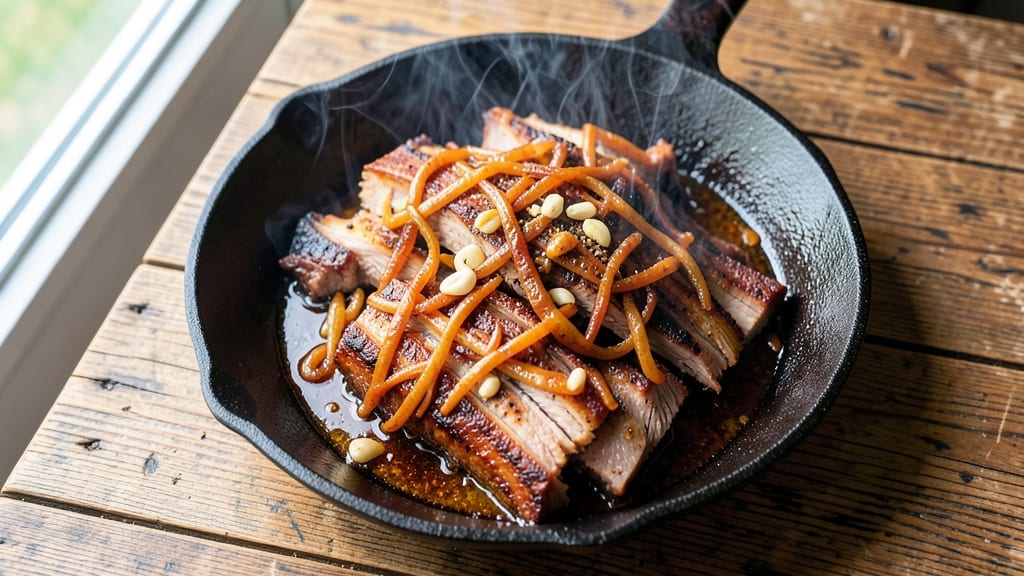
This best pulled pork recipe for smoker pellet grill transforms tough pork shoulder into melt-in-your-mouth perfection with minimal effort. The secret lies in precise temperature control—holding steady at 203°F for hours—while the pellet grill’s automatic fuel feed ensures no fluctuations.
Unlike traditional smokers, the pellet grill’s even heat distribution means no hot spots, just consistent bark development and juicy meat that practically shreds itself.
Start with a dry rub or brine to lock in moisture and build that coveted crust, then let the pellet grill work its magic. The slow cook transforms connective tissue into rich, smoky flavor, while the bark—developed through careful temperature management—adds depth.
Wrapping the pork in butcher paper during the last hour retains moisture, guaranteeing tender, fork-tender results every time.
What you’ll end up with is pulled pork so tender it falls apart at the touch, infused with smoky-sweet flavors that pair perfectly with classic sides like tangy coleslaw or buttery cornbread.
The pellet grill’s precision ensures no guesswork—just consistent, restaurant-quality results with minimal monitoring. This isn’t just pulled pork; it’s a showstopper main course that impresses without the fuss.
Serve it on buns with pickles and onions for a full Southern-style meal, or use it as a protein base for tacos, sandwiches, or even loaded baked potatoes.
The beauty of this recipe is its versatility—once you master the technique, you’ll have a go-to dish for game days, family gatherings, or lazy Sundays. Let’s get smoking!
Ingredients for best pulled pork recipe smoker pellet grill
Six pounds of pork shoulder plus a dry rub that packs smoky-sweet punch.
| Ingredient | Amount | Notes |
|---|---|---|
| Boneless Pork Shoulder 🥩 | 6 lb | Bone-in preferred for flavor |
| Yellow Onion 🧅 | 1 whole | Diced for dry rub |
| Garlic Cloves 🧄 | 8 cloves | Minced for rub |
| Brown Sugar 🍯 | ½ cup | Light or dark |
| Smoked Paprika 🌶️ | 2 tbsp | For deep smoky flavor |
| Ground Black Pepper 🌶️ | 1 tbsp | Freshly cracked preferred |
| Kosher Salt 🧂 | 1 ½ tbsp | Diamond Crystal preferred |
| Ground Cumin 🌿 | 1 tbsp | Toasted for depth |
| Mustard Powder 🍯 | 1 tsp | Yellow or Dijon |
| Apple Cider Vinegar 🍎 | ¼ cup | For brining option |
| Butcher Paper 📄 | 1 sheet | For wrapping during cook |
| Pellet Grill Wood 🌳 | 1 bag | Hickory or apple preferred |
| Unsalted Butter 🧈 | ½ cup | For basting |
| Fresh Parsley 🌿 | ¼ cup | Chopped for garnish |
The pork shoulder is the star—look for a cut with good marbling at Costco or your butcher shop. Bone-in adds flavor, but boneless works too (just trim excess fat). Trader Joe's often has pre-cut shoulders at a decent price if you're short on time. For the rub, Penzeys spices or bulk bins at Whole Foods give you the best quality. Toast your spices in a dry pan for 30 seconds to wake up their flavors—trust me on this. The apple cider vinegar is optional but worth it for extra moisture if you're brining overnight.
No smoked paprika? Regular paprika plus a pinch of liquid smoke gets you close. Short on time? Pre-made BBQ rub from Trader Joe's works in a pinch, but you'll miss that custom depth. The mustard powder is non-negotiable—it cuts through the sweetness. For the wood pellets, hickory gives classic smokiness while apple adds sweetness. Traeger or Camp Chef pellets are reliable brands. If you've got extra time, let the pork sit at room temp for 1-2 hours before smoking—this ensures even cooking. The butcher paper? It's a game-changer for moisture retention during the wrap phase.
Store leftover pulled pork in the fridge for up to 5 days, wrapped tightly in butcher paper. Freeze portions for 3 months—it reheats beautifully. I always make extra for sandwiches the next day. The rub keeps indefinitely in an airtight container, so double it up. For serving, keep the pork warm in a slow cooker on low heat with a splash of broth. The bark? That's the good stuff—save some for tacos or nachos later in the week.
Why You'll Love This Recipe
- Sweet-Smoky Magic: That caramelized brown sugar crust? It’s the star. The smoked paprika gives it depth, but the garlic and onion mashing into the meat as it pulls? Pure satisfaction—every bite has layers, from tender to just-right chew, with a finish that lingers.
- Leftovers for Days: Between us, this recipe makes way more than I need for one meal. I freeze half for lazy Mondays or game days, and the rest gets shredded into tacos, sandwiches, or even loaded nachos—no one ever complains, and my wallet stays happy.
- Tailgate Tried-and-True: Honestly, this is my go-to for parties, potlucks, or when the football’s on. The pellet grill keeps it juicy, the flavors are crowd-pleasing, and I’ve never had someone turn it down. Even my picky uncle, who hates pork, asked for seconds.
Step-by-step instructions for perfect smoked pulled pork
Here's how to transform that pork shoulder into melt-in-your-mouth perfection.
Build the Dry Rub and Prep the Pork
In a medium bowl, combine the diced yellow onion, minced garlic cloves, 0.5 cup brown sugar, 2 tbsp smoked paprika, 1 tbsp ground black pepper, 1.5 tbsp kosher salt, 1 tbsp ground cumin, and 1 tsp mustard powder. Mix thoroughly until the spices coat the onion and garlic evenly - you should see no dry spots remaining. This blend creates the perfect balance of sweet, smoky, and slightly tangy flavors that will penetrate deep into the meat.
Pat the 6 lb boneless pork shoulder completely dry with paper towels - this is non-negotiable for crispy bark. Apply the dry rub generously to all sides, pressing firmly so it adheres well. For best results, let the seasoned pork rest uncovered in the refrigerator for at least 4 hours, or preferably overnight. This resting period allows the rub to penetrate the meat and the spices to develop their full flavor potential.
Set Up Your Pellet Grill for Low and Slow Cooking
Fill your pellet grill with 1 bag of hickory or apple wood pellets and set the temperature to 225°F. This low-and-slow approach is crucial for tender pulled pork - it allows the collagen in the connective tissue to break down gradually over time. Preheat the grill for 15 minutes to ensure consistent temperature throughout the cook. You'll know it's ready when you see clean, blue smoke rather than thick white vapor.
Place the seasoned pork shoulder fat-side up on the grill grates. The fat will render slowly and baste the meat as it cooks, creating that irresistible bark. Resist the temptation to open the lid during the first hour - every time you peek, you lose valuable heat and moisture. Instead, trust the process and let the grill do its work. This initial phase is where all the magic happens.
Monitor the Cook and Handle the Stall
Cook the pork shoulder undisturbed for 6-8 hours, or until the internal temperature reaches 165-170°F. This is when you'll hit "the stall" - a period where the meat's temperature stops rising as moisture evaporates. Don't panic when your thermometer stops climbing. At this point, wrap the pork tightly in 1 sheet of butcher paper (not aluminum foil - paper allows for better bark development). Return it to the grill and continue cooking.
This wrapping technique, known as the Texas crutch, helps power through the stall while maintaining that coveted crispy exterior. The pork is now ready for the final push to tenderness. Continue cooking until the internal temperature reaches 200-203°F and the meat is fork-tender with no resistance. This typically takes an additional 4-6 hours, but trust the probe test over the thermometer - tenderness matters more than temperature.
Rest and Shred the Pork
Once the pork reaches the perfect internal temperature, remove it from the grill and let it rest wrapped in the butcher paper for at least 1 hour, or preferably 2 hours. This resting period is absolutely critical - it allows the juices to redistribute throughout the meat, ensuring every bite is moist and flavorful. During this time, you can prepare your serving setup by melting 0.5 cup unsalted butter in a skillet over medium heat.
After resting, unwrap the pork and transfer it to a cutting board. Using two forks or meat claws, shred the pork against the grain into bite-sized pieces. The meat should pull apart effortlessly with minimal resistance. Discard any large fat chunks or connective tissue. Toss the shredded pork with the melted butter and any accumulated juices from the butcher paper to create a luscious sauce.
Serve with Perfect Garnish
Transfer the pulled pork to a serving dish and stir in 0.25 cup chopped fresh parsley for a pop of color and freshness. The parsley not only adds visual appeal but also balances the rich, smoky flavors with its bright, slightly peppery note. Serve immediately while the pork is still warm and the juices are flowing. Each bite should deliver that perfect combination of tender, smoky meat with just the right amount of sweetness from the brown sugar.
For best results, serve on soft buns with pickles on the side. The acidity of the pickles cuts through the richness of the pork, creating a perfect balance of flavors. This pulled pork is so tender it practically shreds itself, making it ideal for sandwiches, tacos, or even as a hearty topping for loaded baked potatoes.
Pro Tips For Making Best Pulled Pork Recipe Smoker Pellet Grill
- Trim the Fat First: I learned this the hard way—skipping the fat trim means more grease dripping onto the fire, which can cause flare-ups and uneven smoke. Use kitchen shears to snip off the thickest layers before seasoning; your pellet grill will thank you with cleaner smoke and better bark.
- Start Hot, Then Chill: Crank your pellet grill to 250°F for the first hour—yes, even if the recipe says 225°F. This sears the exterior faster, locking in juices before the long slow cook. After that, drop to 225°F and let it go low and slow for the rest of the cook.
- Minimize the Onion: Too much onion in the rub? It’ll turn your pulled pork bitter. Stick to 1-2 thinly sliced cloves (not chopped) in the rub—just enough for flavor, not enough to overpower. Save the rest for serving or a separate slaw.
- Wrap at 160°F: I used to wait until 170°F to wrap my pork, but that’s too late—the meat dries out. When the internal temp hits 160°F, wrap it in butcher paper (not foil) and add a splash of apple cider vinegar. The acid tenderizes while keeping it moist.
Dietary considerations for this best pulled pork recipe smoker pellet grill
Gluten-Free Adaptations
This pulled pork recipe is naturally gluten-free, but watch for hidden gluten in your dry rub ingredients. Check your smoked paprika, cumin, and mustard powder for cross-contamination warnings—Penzeys and Trader Joe's brands are typically safe.
For extra safety, toast your spices in a clean, dedicated dry pan to avoid any potential cross-contact with gluten-containing foods. 🌱
Low-Carb Options
Skip the brown sugar in the dry rub and replace it with 1 tbsp erythritol or 1 tbsp monk fruit sweetener for a keto-friendly version. The pork shoulder itself is already low-carb, with just 2 grams of carbs per 3-ounce serving.
Pair it with lettuce wraps instead of buns, and you’ve got a perfect low-carb meal. The smoky flavors shine without any sugar interference!
Dairy-Free Modifications
While the recipe calls for butter to baste the pork, you can easily substitute it with 1 cup dairy-free butter (like Miyoko’s) or olive oil for a vegan-friendly version.
The butcher paper wrap still works perfectly—just skip the butter toss at the end if you’re avoiding dairy entirely. The pork’s natural richness holds up beautifully without it. 🧈
Allergen-Friendly Tips
For nut allergies, ensure your pellet grill wood (like Traeger hickory pellets) is processed in a nut-free facility—some brands may have cross-contamination risks. If you’re avoiding mustard, omit the 1 tsp mustard powder from the rub; the other spices still deliver deep flavor.
Always double-check labels on store-bought spices, as allergens can hide in unexpected places. Safety first!
Protein-Packed Boost
This recipe already delivers 42 grams of protein per serving, but you can boost it further by adding 1 cup cooked black beans (for fiber) or ½ cup shredded chicken (for extra texture).
Both additions work well with the smoky flavors and add plant-based or lean protein options without altering the core technique. Perfect for meal prep! 💪
Nutrition facts
Frequently asked questions
How long should I let the pork rest before serving?
Always let the pulled pork rest for at least 1 hour, but 2 hours is ideal. This resting time is crucial for juices to redistribute, ensuring every bite stays moist and flavorful. Skipping this step often leads to dry meat, especially with larger cuts like pork shoulder.
Can I use a different wood pellet besides hickory or apple?
Yes! Cherry or pecan pellets add a sweeter, fruitier note, while oak provides a bolder, more traditional smoke. Just avoid fruit woods like mesquite—they can overpower the pork's natural flavor. Always start with a small batch to test the flavor profile before committing to a full cook.
What's the best way to handle the temperature stall?
The "stall" happens around 165°F when moisture evaporates. Wrap the pork in butcher paper (not foil) and return it to the grill. This technique, called the "Texas crutch," helps push through the stall while preserving that coveted bark. Keep cooking until you hit 200-203°F for perfect tenderness.
How do I know when the pork is fully cooked?
Use a meat thermometer to check for 200-203°F internal temperature, but also do the "fork test." If the pork shreds easily against the grain with minimal resistance, it's ready. The probe test is more reliable than time alone, as cooking duration varies based on your pellet grill's efficiency and the pork's size.
Can I make this ahead of time for a party?
Cook the pork as directed, then store it in the fridge for up to 5 days or freeze for 3 months. Reheat gently in a slow cooker with a splash of broth or apple juice to maintain moisture. The flavors actually deepen overnight, making it perfect for meal prep or large gatherings.