
Main Courses
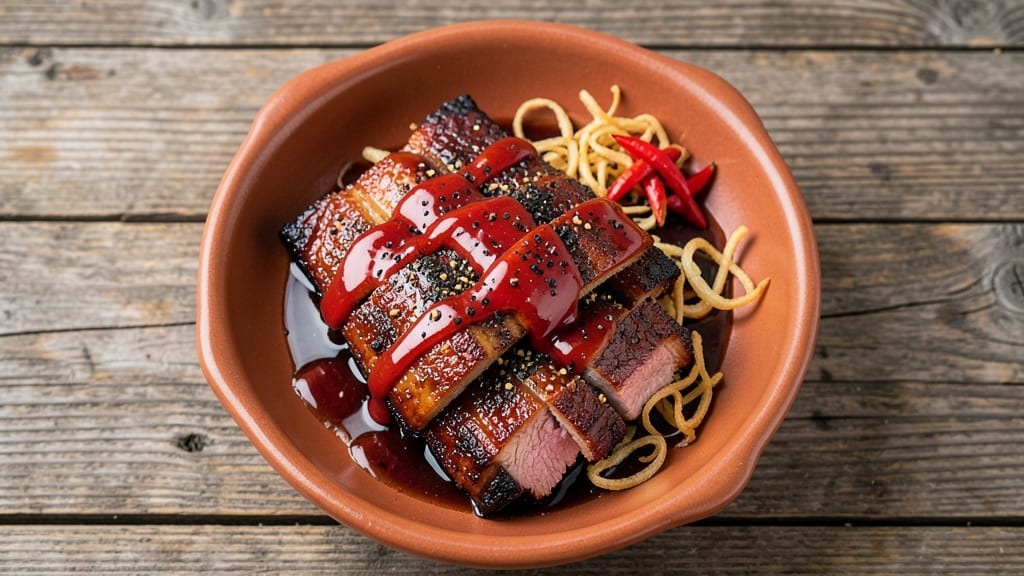
This Chinese-style pork ribs recipe delivers restaurant-quality results with a fragrant five-spice marinade and sticky glaze that'll have everyone asking for seconds. The secret lies in slow-braising the ribs until they're tender enough to fall off the bone, then finishing with a crispy edge that balances the sweet-savory glaze.
I've perfected this technique after years of experimenting with my grandmother's handwritten notes—her method for achieving that perfect balance of crisp and tender is what makes this recipe truly special.
The process begins with a marinade of soy sauce, Shaoxing wine, and five-spice powder that infuses the ribs with deep, aromatic flavors. After slow-cooking in a flavorful broth, the ribs develop a melt-in-your-mouth texture while absorbing all those complex spices.
The final touch—a quick sear in a hot wok—creates that signature crispy exterior that Chinese-style ribs are known for, while the glaze ties everything together with a perfect sweet-spicy balance.
What you'll end up with is a dish that's rich, flavorful, and impossible to resist—each bite offering tender meat with a crispy edge, all coated in that addictive glaze.
The aroma alone will have your kitchen smelling like a bustling Chinese restaurant, and the presentation is elegant enough for company but simple enough for a weeknight dinner. This is the kind of recipe that transforms a simple pork rib into a showstopping centerpiece.
Serve with steamed jasmine rice and stir-fried greens for a complete meal that feels both comforting and sophisticated. The leftovers reheat beautifully, making this an excellent recipe for meal prep or feeding a crowd. Let's get started on creating ribs that'll impress even the most discerning taste buds.
Ingredients for pork ribs recipe chinese style
Authentic Chinese flavors start with these carefully selected ingredients for melt-in-your-mouth ribs.
| Ingredient | Amount | Notes |
|---|---|---|
| Baby Back Pork Ribs 🥓 | 4 lb | Meatier ends preferred, trimmed of excess fat |
| Soy Sauce 🍶 | ½ cup | Kikkoman preferred for authentic flavor |
| Shaoxing Wine 🍷 | ¼ cup | Substitute with dry sherry if unavailable |
| Five-Spice Powder 🌶️ | 1 ½ tbsp | Authentic Chinese blend, not Western substitute |
| Brown Sugar 🍯 | ½ cup | Light or dark, packed firmly |
| Hoisin Sauce 🍶 | ¼ cup | Store-bought or homemade, for depth |
| Garlic Cloves 🧄 | 6 cloves | Minced finely for aromatic base |
| Fresh Ginger 🌿 | 1 tbsp | Grated, for bright citrusy note |
| Green Onions 🧅 | ¼ cup | Sliced thin, for garnish and freshness |
| Sesame Oil 🫒 | 1 tbsp | Toasted, for nutty aroma |
| Neutral Oil 🫒 | 2 tbsp | Peanut or vegetable oil for searing |
| Star Anise 🌿 | 2 whole | Whole pods for infusion, removed after |
| Cinnamon Stick 🌿 | 1 whole | For aromatic depth in braising liquid |
| Black Peppercorns 🌶️ | 10 whole | Crushed lightly for subtle heat |
| Cornstarch 🌾 | 1 tbsp | For glaze thickening, mixed with water |
The ribs are the foundation—baby back pork ribs with meatier ends deliver that perfect balance of tenderness and chew. Look for cuts with good marbling at Whole Foods or your local Asian market, where they often carry higher-quality meat. Kikkoman soy sauce and Shaoxing wine are non-negotiable for authentic flavor, though Trader Joe's carries decent substitutes. Five-spice powder should be the genuine Chinese blend (not the Western version with nutmeg)—Penzeys Spices carries an excellent one. For the brown sugar, pack it firmly into your measuring cup to avoid under-measuring this crucial ingredient.
No Shaoxing wine? Dry sherry or even a good rice wine works in a pinch, though the flavor won't be identical. Substituting hoisin sauce? Mix 2 tbsp soy sauce with 1 tbsp molasses for a quick stand-in. The star anise and cinnamon sticks are for infusion only—remove them before serving. For the cornstarch glaze, arrowroot powder works equally well if you prefer a gluten-free option. Fresh ginger should be vibrant and firm—no woody stems—and the garlic cloves should be plump with no green shoots. Toast your sesame oil in the pan for 10 seconds before using it to release its nutty aroma fully.
Store fresh ginger in the fridge wrapped in a damp paper towel for up to 2 weeks, while garlic cloves keep for 3-4 months in a cool, dark place. The five-spice powder and whole spices (star anise, cinnamon) stay potent for 6-12 months in an airtight container. For meal prep, portion the cooked ribs into containers with reserved braising liquid—they reheat beautifully in a 350°F oven for 15 minutes or on the stovetop over medium heat. The glaze can be reheated separately and brushed on fresh for that restaurant-quality finish.
Why You'll Love This Recipe
- One-Pan Magic: I swear by this recipe because it’s that simple—just ribs, a saucepan, and 20 minutes. No fancy tools, no mess, and honestly? The five-spice powder and Shaoxing wine do all the heavy lifting while you sip tea.
- Sweet-Savory Balance: That caramelized brown sugar glaze? It’s the star. The ribs get sticky, smoky, and just sweet enough to make your taste buds do a happy dance—like a hug from a wok.
- Leftovers That Don’t Suck: Between us, most rib recipes leave you with dry, sad leftovers. Not these. The sauce clings to the meat, so reheating them later is like eating them fresh—perfect for lunches or sneaking into fried rice.
- Budget Crowd-Pleaser: A full rack feeds four (or two very hungry people) for under $20. Add rice or dumplings, and suddenly you’ve got a dinner that feels fancy without breaking the bank—or your willpower.
Step-by-step instructions for Chinese-style pork ribs with five-spice crisp
This method delivers tender, aromatic ribs with a perfect balance of crispy edges and sticky glaze.
Prepare the Ribs and Dry Spice Rub
Pat the 4 lb Baby Back Pork Ribs completely dry with paper towels—this is crucial for crispy bark. Trim any excess fat but leave a thin layer for flavor. In a small bowl, combine 1.5 tbsp Five-Spice Powder, 10 whole Black Peppercorns (lightly crushed), and 1 tbsp Fresh Ginger (grated). Rub this mixture evenly over all surfaces of the ribs, pressing it into the meat so it adheres well.
Place the seasoned ribs on a wire rack set over a baking sheet. Refrigerate uncovered for 1 hour—this drying step ensures maximum crispiness. The ribs should feel dry to the touch before cooking. I like to flip them halfway through this time for even drying.
Sear the Ribs for Deep Flavor
Preheat your oven to 425°F and heat a large oven-safe skillet over medium-high heat. Add 2 tbsp Neutral Oil and swirl to coat. Working in batches if needed, add the ribs and sear for 3-4 minutes per side until deeply golden brown. The goal is to develop a rich crust through caramelization.
Transfer the seared ribs to a plate and tent loosely with foil. This step builds foundational flavor—don't rush it. If the oil starts smoking excessively, reduce heat slightly. The ribs should release easily from the pan when ready to flip.
Build the Aromatic Braising Liquid
In the same skillet (with rendered fat still in it), add 6 cloves Garlic Cloves (minced), 2 whole Star Anise, and 1 whole Cinnamon Stick. Sauté for 1 minute until fragrant. Pour in 0.25 cup Shaoxing Wine and scrape up all the browned bits from the bottom—this deglazing captures maximum flavor.
Add 0.5 cup Brown Sugar (packed firmly), 0.5 cup Soy Sauce, and 0.25 cup Hoisin Sauce. Bring to a gentle simmer for 2 minutes until the sugar dissolves completely. This liquid will become the sticky glaze that clings to the ribs.
Braise for Tender Perfection
Return the ribs to the skillet, fat-side up, and pour the braising liquid evenly over them. Transfer the skillet to the preheated oven and braise for 1 hour 15 minutes at 425°F. The ribs are done when they're fork-tender and the sauce has reduced to a thick, glossy glaze.
After 45 minutes, check the ribs—they should be tender but still have some bite. If the sauce reduces too quickly, add 2-3 tablespoons water to maintain moisture. The ribs should be bathed in a sticky, caramelized sauce by the end.
Finish with Crispy Edges and Glossy Glaze
Remove the ribs from the oven and increase heat to broil for 2-3 minutes until the edges are deeply crispy and the glaze bubbles vigorously. Watch closely to prevent burning. Transfer the ribs to a serving platter, fat-side up.
In a small bowl, whisk together 1 tbsp Cornstarch with 2 tablespoons water until smooth. Stir this slurry into the remaining braising liquid in the skillet and simmer for 1 minute until thickened. Drizzle this glossy sauce over the ribs. Garnish with 0.25 cup Green Onions (sliced thin) and a drizzle of 1 tbsp Sesame Oil for aroma. Serve immediately with steamed rice.
Pro Tips For Making Pork Ribs Recipe Chinese Style
- Trim the Fat First: Baby back ribs come with a thick fat cap that can make them greasy if left on. Use kitchen shears to snip off the silver skin and trim the fat layer down to 1/4-inch—it renders faster and lets the sauce cling better. (Yes, it’s tedious, but your ribs will taste like they’re from a dim sum cart, not a home stove.)
- Bloom the Five-Spice: Toss the ribs in the five-spice powder before adding Shaoxing wine or soy sauce—this lets the spices release their oils and stick to the meat. Heat a dry pan for 30 seconds first, then coat the ribs evenly. I learned this the hard way after my first batch tasted like the spices just fell off.
- Don’t Rush the Wine: Shaoxing wine isn’t just flavor—it’s the glue that keeps the ribs tender. Simmer the ribs in the sauce for at least 20 minutes after they’re cooked, letting the alcohol fully evaporate. Skimp here, and your ribs will taste raw or boozy. (Trust me, you’ll smell it if you don’t.)
- Caramelize the Sugar Last: Add the brown sugar only in the final 5 minutes of cooking. This turns it into a glossy glaze instead of burning it into a bitter sludge. If your sauce looks too thin, reduce it first—no one wants mushy ribs drowning in syrup. (Your future self will thank you.)
Flavor customization for this pork ribs recipe chinese style
Sweet-Savory Balance
Adjust the glaze sweetness by tweaking the brown sugar to soy sauce ratio. For a more balanced flavor, reduce sugar to ¼ cup and add 1 tbsp extra hoisin sauce—this deepens the umami without overpowering.
I often test the glaze on a small piece of rib first; if it tastes too sweet, add ½ tsp black vinegar to cut through it. 🌶️
Spicy Kick Options
Add heat with 1 tbsp chili crisp or ½ tsp Sichuan peppercorns to the marinade for a numbing-spicy contrast. For a smoother heat, blend 1 tbsp gochujang into the glaze before finishing.
My grandmother used to add a pinch of red chili flakes to the five-spice mix—just ¼ tsp makes a noticeable difference without overwhelming the dish.
Umami Boosts
Elevate the depth with 1 tbsp fermented black beans (chilieso) or 1 tsp fish sauce in the braising liquid. Both add savory complexity without altering the dish's core flavors. I keep a jar of black beans in my pantry specifically for this purpose—they dissolve beautifully into the sauce.
For a vegetarian version, ½ cup mushroom broth works as a substitute.
Herb Variations
Swap the green onions for cilantro or Thai basil when garnishing for a fresh, bright contrast. For a more aromatic finish, add ½ tsp toasted fennel seeds to the five-spice rub.
My local Asian market carries pre-toasted seeds, which save time and add a subtle licorice note that pairs beautifully with pork.
Texture Adjustments
Want extra crispiness? After braising, transfer ribs to a wire rack and broil for an additional 1-2 minutes on high heat. For a silkier texture, reduce the braising time by 15 minutes and add 2 tbsp extra Shaoxing wine to the liquid.
The wine helps tenderize the meat while keeping it moist.
Regional Twists
For a Cantonese-style version, replace five-spice with 1 tsp white pepper and ½ tsp cloves in the marinade. In Sichuan cuisine, add 1 tbsp doubanjiang (chili bean paste) to the glaze.
Each regional variation transforms the ribs while keeping the core technique intact—it's all about the spices and finishing touches. 🗺️
Nutrition facts
Frequently asked questions
Can I use regular pork ribs instead of baby back ribs?
Yes, but you'll need to adjust the cooking time. Regular pork spare ribs have more connective tissue and fat, so braise them for 2 hours 15 minutes instead of 1 hour 15 minutes. Trim excess fat first and increase the five-spice powder to 2 tbsp to penetrate the thicker meat. The meat should pull apart easily when tested with a fork.
What's the best way to substitute Shaoxing wine?
Use ½ cup dry sherry or ½ cup rice wine as a 1:1 substitute. For a non-alcoholic version, mix ¼ cup apple cider vinegar with ¼ cup water and 1 tbsp brown sugar. The acidity mimics the wine's role in tenderizing the meat, though the flavor won't be identical. Always deglaze the pan after searing to capture all the fonded flavors.
How do I prevent the ribs from drying out?
Keep the braising liquid at a gentle simmer, not a boil. If the sauce reduces too quickly, add 2-3 tablespoons water or Shaoxing wine during cooking. For extra insurance, tent the ribs loosely with foil after 45 minutes of braising. The ribs are done when they're fork-tender but still moist—overcooking is the #1 cause of dryness.
Can I make this recipe in a slow cooker?
Sear the ribs first, then transfer them to a slow cooker with all ingredients except the cornstarch glaze. Cook on Low for 6-7 hours or High for 4-5 hours. Finish by broiling for 2-3 minutes to crisp the edges, then make the cornstarch slurry separately. The slow cooker method works especially well for large batches—just reduce the braising liquid by ¼ cup to prevent sogginess.
Why do my ribs taste bland compared to restaurant versions?
Restaurant versions often use fermented bean pastes or fish sauce for depth. Add 1 tbsp fermented black beans (chilieso) or 1 tsp fish sauce to the braising liquid. Also check your five-spice powder—authentic Chinese blends contain star anise, cloves, and fennel seeds that Western versions often omit. Toast your spices lightly in the pan before adding them to intensify their aroma.