
Main Courses
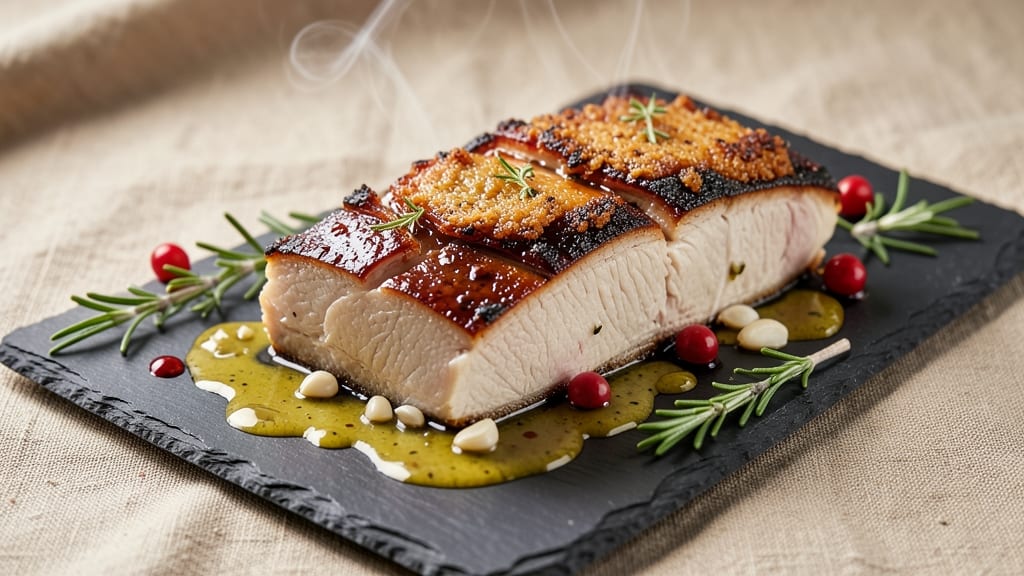
Pork loin with fat cap transforms from ordinary to extraordinary when you master the caramelized edge—this herb-crusted roast delivers melt-in-your-mouth tenderness with a crisp, golden fat cap that adds layers of flavor. The secret lies in searing the fat cap first to render it slowly, creating a rich, savory crust while keeping the meat juicy inside. This technique ensures every bite is packed with depth, making it perfect for special occasions or weeknight dinners when you want to impress.
What sets this recipe apart is the balance of simplicity and sophistication. A blend of fresh herbs, garlic, and Dijon mustard forms the crust, while the fat cap works its magic by basting the meat as it roasts.
Achieving the perfect internal temperature of 145°F is critical—too high, and the meat dries out; too low, and it stays tough. Resting the pork for 10 minutes after cooking ensures juices redistribute, guaranteeing a tender, flavorful result every time.
The result is a pork loin with a crispy, caramelized edge that contrasts beautifully with the tender, juicy interior. The fat cap renders into a glossy, golden crust, infusing the meat with rich, savory notes that elevate every slice.
Serve with roasted root vegetables or a crisp green salad to complement the dish without overpowering its natural flavors.
Pair this herb-crusted pork loin with a bold red wine like Cabernet Sauvignon or a citrusy cocktail to enhance the dish's aromatic profile. The combination of crispy fat cap, herbed crust, and tender meat makes this recipe a standout for any meal—elevated yet approachable for home cooks.
Ingredients for pork loin with fat cap
The secret to this herb-crusted pork loin lies in its fat cap and precise herb blend.
| Ingredient | Amount | Notes |
|---|---|---|
| Pork Loin with Fat Cap 🥩 | 2 lb | Center-cut, 1.5-inch fat cap intact |
| Fresh Rosemary 🌿 | ¼ cup | Finely chopped, stems removed |
| Fresh Thyme 🌿 | ¼ cup | Leaves only, stems discarded |
| Garlic Cloves 🧄 | 6 cloves | Minced, for herb paste |
| Dijon Mustard 🍯 | 2 tbsp | High-quality, for crust adhesion |
| Extra-Virgin Olive Oil 🫒 | 2 tbsp | For crust and searing |
| Kosher Salt 🧂 | 1 ½ tsp | Diamond Crystal preferred |
| Freshly Ground Black Pepper 🌶️ | 1 tsp | Coarsely cracked |
| Unsalted Butter 🧈 | 2 tbsp | For basting, cold |
| Red Wine Vinegar 🍷 | 1 tbsp | For herb paste balance |
| Fresh Parsley 🌿 | ⅛ cup | Chopped, for garnish |
The pork loin with fat cap makes all the difference—look for a center-cut roast with a 1.5-inch thick fat cap at your butcher or grocery store's meat department. Whole Foods or Dartmouth Farms often carry premium cuts, but any quality grocer will have suitable options. The fat cap is non-negotiable; it's what creates that caramelized crust during searing. If your butcher offers to trim it, politely decline. For fresh herbs, Whole Foods or local farmers markets provide the most vibrant rosemary and thyme—avoid wilted stems or yellowing leaves. The Dijon mustard should be high-quality (like Maille) for proper flavor development in the crust.
No fresh rosemary? Dried rosemary at one-third the amount works, but fresh is ideal for that bright aroma. Short on thyme? Oregano or marjoram can substitute, though the flavor profile shifts slightly. The garlic can be roasted ahead for a sweeter taste—simply toss whole cloves with olive oil and roast at 400°F for 10 minutes. For the crust, olive oil must be extra-virgin—regular olive oil lacks the fruity depth needed to complement the herbs. If you're avoiding mustard, substitute with 1 tbsp honey and 1 tbsp apple cider vinegar for a sweeter crust. The vinegar in the herb paste can be swapped for lemon juice if preferred.
Store fresh herbs wrapped in damp paper towels in a sealed container for up to 5 days. The pork loin should be refrigerated uncovered on a wire rack for 1-2 hours before searing to render excess moisture. Once cooked, the roast reheats beautifully—wrap tightly in foil and reheat in a 350°F oven for 10-15 minutes. For meal prep, portion the leftovers into individual containers with a drizzle of pan juices for 3-4 days of lunches. The fat cap renders down during cooking, so any leftover crust can be chopped and used as a topping for mashed potatoes or roasted vegetables—don't waste it!
Why You'll Love This Recipe
- One-Pan Magic: I swear by this recipe on nights when I’d rather not scrub a million dishes. The fat cap renders right onto the pan, basting the pork as it cooks—no extra sauces, no fuss, just that golden crust forming while you sip your wine.
- Herb-Crusted Perfection: That combo of rosemary and thyme? It’s like a hug for your taste buds. The Dijon mustard adds a tangy kick that cuts through the richness, and the garlic—oh, the garlic—makes every bite sing without overpowering.
- Weeknight to Dinner Party: Between us, this is my go-to for when my in-laws drop by unexpectedly. Slice it thin for sandwiches, serve it with roasted veggies for a fancy dinner, or even toss it in a grain bowl for a quick lunch. It handles the role.
- Leftover Goldmine: I make a double batch on Sundays because the leftovers are that good. Cold slices in a salad? Yes. Wrapped in a tortilla with slaw? Absolutely. Even reheated, it’s tender and packed with flavor—no sad, dry pork here.
Step-by-step instructions for herb-crusted pork loin roast
Master this technique and you'll achieve a perfectly pink center with a caramelized crust that cracks like glass.
Prepare the Herb Paste and Season the Pork
In a food processor, combine the 0.25 cup fresh rosemary, 0.25 cup fresh thyme, 6 cloves garlic, 2 tablespoons Dijon mustard, 1 tablespoon red wine vinegar, 1.5 teaspoons kosher salt, and 1 teaspoon freshly ground black pepper. Pulse until you achieve a coarse paste with visible herb flecks—this ensures maximum flavor distribution without turning into a smoothie.
Pat the 2 lb pork loin with fat cap dry with paper towels, pressing firmly to remove all moisture. This step is non-negotiable—wet skin prevents proper crust formation. Transfer the pork to a plate and generously coat all sides with the herb paste, pressing it into the meat so it adheres completely. Let it sit at room temperature for 30 minutes while you preheat the oven.
Sear the Pork for Maximum Flavor
Preheat your oven to 425°F. Heat a large oven-safe skillet over medium-high heat until it's screaming hot—you should see a thin layer of steam evaporate when you sprinkle a few drops of water. Add 2 tablespoons extra-virgin olive oil and swirl to coat.
Place the pork loin fat-side down in the skillet and sear undisturbed for 8-10 minutes, pressing gently with a metal spatula during the first minute to prevent curling. The fat should render beautifully, basting the meat and creating a golden crust. Flip the pork and sear the other side for 6-8 minutes until deeply browned. The internal temperature should reach 140°F at this point.
Roast to Perfect Medium-Rare
Transfer the skillet to the preheated oven and roast for 20-25 minutes, rotating the pan halfway through for even browning. The pork is done when its internal temperature reaches 145°F—use a meat thermometer inserted into the thickest part of the loin, avoiding the fat cap. This temperature yields a perfectly pink center that's tender but still holds shape.
During the last 5 minutes of roasting, add the 2 tablespoons cold unsalted butter to the skillet. The butter will melt and baste the pork, adding richness and helping create that coveted caramelized edge. Watch closely as the butter browns—this is your signal that the crust is developing beautifully.
Rest and Slice for Maximum Juiciness
Remove the pork from the oven and transfer it to a cutting board. Tent loosely with aluminum foil and let it rest for 15-20 minutes. This resting period allows the juices to redistribute throughout the meat—skipping it results in dry slices. The temperature will rise another 5°F during resting, so don't be tempted to slice early.
Slice the pork loin against the grain into ½-inch thick portions. The fat cap should be crisp and caramelized, while the meat beneath will be tender with a beautiful pink center. Garnish each serving with 0.125 cup chopped fresh parsley just before serving to maintain vibrant color and add freshness. Serve immediately with pan juices spooned over the top for maximum flavor impact.
Pro Tips For Making Pork Loin With Fat Cap
- SEAR THE FAT FIRST: That thick fat cap isn’t just for looks—it’s your flavor insurance. Hit the pan on medium-high until the fat renders and sizzles golden (about 5-6 minutes), then pull the pan off heat for 30 seconds to let the garlic and herbs bloom in that rendered fat. I used to rush this, and the whole dish lost depth.
- TRIM THE GARLIC RIGHT: Peel those cloves but leave the root intact—just smash them flat with the side of your knife. This keeps them from burning while roasting and lets their flavor infuse the fat cap like a slow-release perfume. I learned this the hard way after biting into charred garlic that ruined an otherwise perfect roast.
- DON’T OVERMIX THE MUSTARD: Stir that Dijon into the fat cap after searing, not before. A quick swirl with a spoon is all you need—overworking it turns it into glue. For extra richness, mix a teaspoon of honey or maple syrup into the mustard first (trust me, it’s worth the 30 seconds).
- REST IT UNDER FOIL: Cutting into pork loin too soon is like opening a champagne bottle before it’s ready—all the juices rush out. Transfer the roast to a plate, tent loosely with foil, and let it sit for 10 minutes. The fat cap will firm up, and every slice will stay juicy. (Yes, even if you’re impatient like me.)
Regional styles of this pork loin with fat cap
Southern BBQ Style
In the South, pork loin with fat cap often takes on a smoky, sweet profile inspired by traditional BBQ techniques. The herb crust gets a boost with 1 tablespoon smoked paprika and 1 teaspoon brown sugar mixed into the paste.
After searing, brush the pork with a homemade BBQ sauce (I love ½ cup vinegar-based sauce like Texas Pete) during the last 10 minutes of roasting. Serve with classic sides like creamy coleslaw and cornbread. 🔥
Italian Pan-Roasted
For an Italian-inspired twist, swap the herb paste for a blend of 0.25 cup fresh rosemary, 0.25 cup fresh sage, 4 cloves garlic, 1 tbsp lemon zest, and 1 tbsp capers (for briny depth).
After searing, deglaze the pan with ½ cup dry white wine and reduce by half before transferring to the oven. Finish with a sprinkle of grated Parmesan and serve with roasted polenta and a simple arugula salad. 🍷
French Duck Confit Influence
This technique borrows from duck confit by rendering the fat cap more aggressively. After searing, transfer the pork to a baking dish and cover it completely with rendered pork fat (about ½ cup) mixed with 1 tbsp fresh thyme and 1 bay leaf.
Roast at 300°F for 1 hour instead of high heat, then finish under the broiler for 2 minutes to crisp the fat. Pair with duck fat roasted potatoes and a bold red Bordeaux. 🥂
Asian Five-Spice Glaze
For an Asian fusion approach, infuse the herb paste with 1 tsp five-spice powder and 1 tbsp grated ginger.
After searing, brush the pork with a glaze made from 2 tbsp hoisin sauce, 1 tbsp honey, and 1 tsp chili paste during the last 15 minutes of cooking. Garnish with thinly sliced scallions and serve with jasmine rice and stir-fried bok choy. 🌶️
Caribbean Jerk Twist
Add a Caribbean flair by mixing 1 tbsp jerk seasoning (store-bought or homemade with allspice, thyme, and Scotch bonnet) into the herb paste. After searing, baste with a mix of ½ cup pineapple juice and 1 tbsp soy sauce during roasting.
Finish with a sprinkle of toasted coconut flakes and serve with grilled plantains and black beans. 🌴
Midwest Herb Butter
In the Midwest, a simpler approach often wins—focus on a rich herb butter crust. After searing, mix 2 tbsp softened butter with 1 tbsp chopped fresh dill and ½ tsp onion powder, then spread it over the pork before roasting.
Serve with creamy mashed potatoes and sautéed green beans—a comforting, hearty meal perfect for family gatherings. 💛
Nutrition facts
Frequently asked questions
Why is the fat cap so important in this recipe?
The fat cap creates a crispy, caramelized crust that adds depth of flavor while basting the meat during cooking. When seared properly, it renders slowly, infusing the pork with rich, savory notes. Without it, you'd miss that signature texture and mouthwatering aroma that makes this dish special.
Can I use boneless pork loin instead?
While boneless loin will work, the fat cap is what gives this recipe its signature character. If you must use boneless, try adding 1 extra tablespoon olive oil to the crust and increase roasting time by 5 minutes to compensate for the lack of natural fat. The texture won't be identical, but it'll still be delicious.
How do I know when the pork is fully cooked?
Use a meat thermometer to check the internal temperature—it should reach 145°F in the thickest part of the loin (avoiding the fat cap). The pork will continue rising 5°F while resting, so don't overcook it. A properly cooked piece should feel firm to touch but still be tender when sliced.
What's the best way to reheat leftovers?
Wrap the pork tightly in foil and reheat in a 350°F oven for 10-15 minutes until warmed through. For microwave reheating, cover with a damp paper towel and heat in 30-second intervals to prevent drying out. The fat cap may lose some crispness when reheated, so it's best served fresh.
Can I prepare this ahead of time?
Prep the herb paste and coat the pork up to 24 hours ahead, then refrigerate uncovered on a rack. Bring to room temperature before cooking. For a make-ahead meal, cook the pork completely, then refrigerate wrapped in foil. Reheat as directed above—just add 5 extra minutes to the oven time to crisp the fat cap again.