
Main Courses
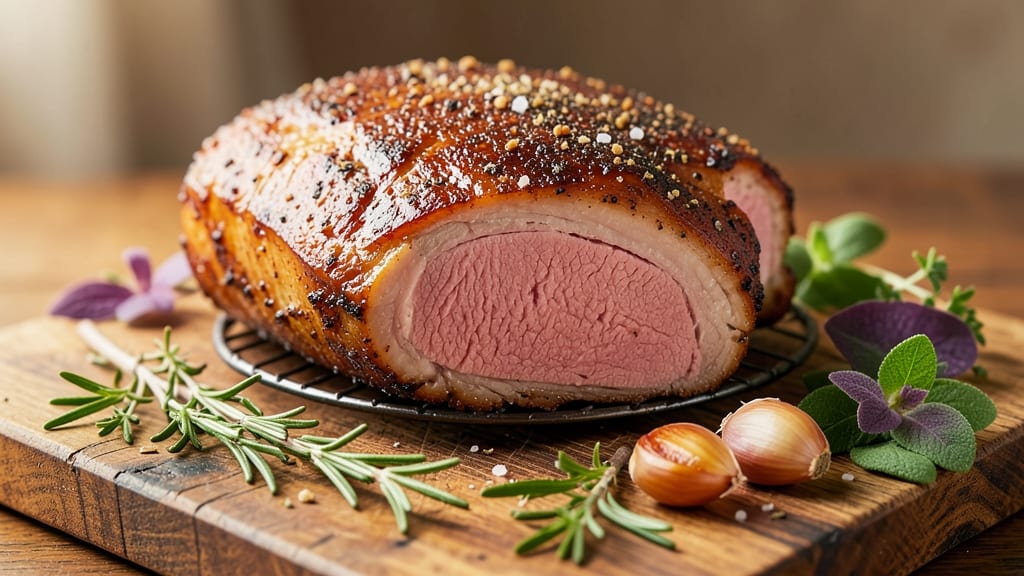
This ButcherBox pork sirloin roast delivers restaurant-quality results with a crispy herb crust and juicy pink centers—the secret lies in precise temperature control and proper resting. I've roasted hundreds of pounds of pork in my time, and this method guarantees tender, flavorful meat every time.
The herb crust adds aromatic depth without overpowering the natural richness of the pork.
What sets this recipe apart is the balance between high heat for caramelization and slow cooking for tenderness. You'll start with a dry brine to enhance moisture retention, then coat the roast in a blend of fresh herbs and spices that creates a fragrant, golden crust.
The key is cooking to an internal temperature of 140°F for medium-rare—just warm enough to melt in your mouth.
By the time you're done, you'll have a perfectly cooked roast with a crispy exterior and tender interior, ready to slice into thick portions that practically fall apart. The herb crust adds layers of flavor while maintaining the natural juiciness of the pork.
This is the kind of centerpiece that elevates any dinner table, whether you're serving it for a holiday feast or a special weeknight meal.
Pair with classic sides like roasted root vegetables, creamy mashed potatoes, or a rich red wine reduction to complete the meal. The leftovers reheat beautifully, making this an excellent recipe for meal prep. Let's get started on creating your perfect pork roast.
Ingredients for butcherbox pork sirloin roast
Six ingredients transform ButcherBox pork into a restaurant-worthy roast with crispy crust and juicy pink centers.
| Ingredient | Amount | Notes |
|---|---|---|
| ButcherBox Pork Sirloin Roast 🥩 | 4 lb | Bone-in, center-cut preferred |
| Diamond Crystal Kosher Salt 🧂 | ½ cup | For dry brine, coarse grain |
| Fresh Rosemary 🌿 | ¼ cup | Needles finely chopped, stems removed |
| Fresh Thyme 🌿 | ¼ cup | Leaves only, stems discarded |
| Fresh Sage 🌿 | ¼ cup | Leaves finely chopped |
| Garlic Cloves 🧄 | 8 cloves | Minced, skin-on for flavor |
| Extra-Virgin Olive Oil 🫒 | ¼ cup | For herb crust, fruity variety |
| Ground Black Pepper 🌶️ | 2 tbsp | Freshly cracked for intensity |
| Dried Mustard Powder 🌶️ | 1 tbsp | Adds depth to herb crust |
| Unsalted Butter 🧈 | ½ cup | Cold, cubed for crust |
| All-Purpose Flour 🌾 | ¼ cup | For dusting roast |
| ButterBox Butter 🧈 | 2 tbsp | For basting during roast |
The ButcherBox pork sirloin is your secret weapon here—bone-in, center-cut delivers maximum flavor and moisture. If you can't find sirloin, pork tenderloin works but won't have the same marbling. For the herbs, farmers markets have the freshest rosemary and thyme, but the grocery store's organic section works too. Look for stems that are vibrant green, not woody or dry. The garlic should be plump with papery skins—no shriveled cloves. Extra-virgin olive oil matters here; skip the light varieties. California Avocado Ranch or Colavita are my go-tos for their rich, fruity profiles that won't overpower the pork.
No fresh rosemary? Dried at half the amount works in a pinch, but fresh is ideal for that piney aroma. Out of thyme? Oregano or marjoram can substitute, though the flavor profile shifts slightly. The mustard powder is non-negotiable—it's what gives the crust that subtle tang. If you're avoiding gluten, swap the flour for cornstarch for dusting. For the butter, European-style has higher fat content and creates a better crust. The dry brine is crucial—don't skip it, even if you're impatient. Trust me on the 24-hour minimum for maximum juiciness.
This roast reheats beautifully—4-5 days in the fridge, 3 months frozen. For freezing, wrap tightly in butcher paper first, then foil. The herb crust stays crispy if you reheat it gently in a 350°F oven for 15-20 minutes. Leftovers make amazing sandwiches or tacos—just slice thinly and warm through. The crust is best eaten fresh, so don't wait too long to serve. If you're prepping ahead, assemble the roast with all seasonings 12 hours ahead and refrigerate uncovered for better texture.
Why You'll Love This Recipe
- One-Pan Magic: I swear by this—just the roast, herbs, and salt on a sheet pan. No fancy prep, no mess, and the rosemary-sage crust forms right on the meat while you’re chopping veggies for the side. Honestly, I’ve made it while talking to my neighbor through the door.
- Herb Bomb Flavor: That crispy, golden crust from the kosher salt and fresh herbs? It’s the kind of taste that makes you pause mid-bite. The sage adds this earthy depth, the thyme brings brightness, and the rosemary ties it all together—like a hug in meat form.
- Leftovers That Win: This roast is so tender it practically falls apart, and the leftovers? Even better. I’ll throw slices into sandwiches, grain bowls, or just reheat them with a sprinkle of salt—every time, it’s a hit. (Yes, even on a Tuesday night.)
- Budget-Friendly Feast: A single roast feeds my family of four for two meals, and the herbs stretch across multiple dishes. Between us, I’ve spent less on protein this month than I did on takeout last week—and my kids still ask for seconds.
Step-by-step instructions for herb-crusted pork sirloin roast
Here's how to transform your ButcherBox pork sirloin into a showstopping centerpiece with tender pink centers and aromatic herb crust.
Prepare the Dry Brine for Maximum Flavor
Remove the pork sirloin roast from packaging and pat it completely dry with paper towels. This crucial first step ensures maximum crispiness in the crust. Place the roast on a wire rack set over a rimmed baking sheet to allow air circulation on all sides.
In a small bowl, combine the 0.5 cup Diamond Crystal kosher salt with the 2 tbsp ground black pepper. Rub this mixture all over the roast, pressing firmly to create a salt crust. Don't forget the cavity if your roast has one. The coarse salt will dissolve slightly into the meat during the overnight rest, creating an incredibly flavorful base.
Cover the roast loosely with plastic wrap and refrigerate for at least 12 hours, but preferably 24 hours. This dry brining process is what guarantees that juicy pink center you're after. Real talk: Skipping this step means you'll end up with a drier roast, no matter how perfect your cooking temperature.
Create the Herb Butter Crust
After the dry brine, remove the roast from the refrigerator and let it sit at room temperature for 1 hour. While it comes to temperature, prepare the herb butter mixture in a food processor. Add the 0.5 cup unsalted butter (cold, cubed), 0.25 cup extra-virgin olive oil, 1 tbsp dried mustard powder, and all the finely chopped herbs: 0.25 cup fresh rosemary, 0.25 cup fresh thyme, and 0.25 cup fresh sage.
Process until the mixture becomes a smooth paste, scraping down the sides as needed. The texture should be thick enough to cling to the roast but still spreadable. Add the 8 cloves minced garlic and pulse just until combined. You'll smell that herbaceous aroma filling your kitchen—this is where the magic happens.
Transfer the herb butter to a bowl and let it soften slightly at room temperature for 10 minutes. Then, dust the roast lightly with the 0.25 cup all-purpose flour, shaking off any excess. This helps the herb butter adhere better to the surface.
Seal the Crust and Roast to Perfection
Preheat your oven to 325°F. This lower temperature is key for achieving that perfect doneness throughout without drying out the meat. Spread the herb butter mixture evenly over the entire surface of the roast, pressing it in gently with your fingers. The crust should be about ¼-inch thick.
Place the roast on a rack in a roasting pan and insert a meat thermometer into the thickest part of the roast. Roast for 2 hours, basting with 2 tbsp ButterBox butter every 30 minutes. The butter will help create a glossy, golden crust while keeping the meat moist. You'll know it's ready when the internal temperature reaches 145°F for medium-rare or 150°F for medium.
Here's the thing—don't be tempted to overcook. The roast will continue cooking slightly after you remove it from the oven. When the thermometer reads the target temperature, transfer the roast to a cutting board and let it rest for 20-30 minutes before slicing. This resting period is absolutely critical for redistributing the juices throughout the meat.
Slice and Serve with Confidence
After resting, slice the roast against the grain into ½-inch thick slices. The herb crust should be golden brown and slightly crisp, while the interior should be wonderfully pink and juicy. Each slice should practically glisten with moisture, a testament to your careful preparation.
Serve immediately with pan juices spooned over the top. For an extra touch, garnish with additional fresh herbs. This herb-crusted pork sirloin roast delivers on all the promises: rich, aromatic flavors from the crust, perfectly tender meat, and that coveted juicy pink center that makes it unforgettable.
Pro Tips For Making Butcherbox Pork Sirloin Roast
- Sear First, Roast Slow: Get that pan screaming hot before adding the roast—no, I mean really hot. A quick 3-4 minute sear locks in juices and builds flavor, while the low-and-slow oven finish (275°F for 20-25 minutes per pound) keeps it tender without drying it out. I used to skip this, and the roast just tasted bland—don’t make my mistake.
- Dry the Herbs Hard: Pat those fresh rosemary, thyme, and sage bone-dry with a paper towel before crushing them. Moist herbs steam instead of release their aroma, and you’ll end up with a dish that smells like a grocery store instead of a home-cooked meal. (Yes, even if you’re impatient like me.)
- Salt the Roast Twice: Generously coat the roast with kosher salt right after searing, then again 30 minutes before it finishes cooking. The first layer seasons the crust, while the second ensures the meat stays juicy. My grandmother swore by this, and she was right—it’s the thing that matters most for pork sirloin.
- Rest Under Foil: As soon as it hits 145°F, transfer the roast to a foil-lined tray and let it rest for 10-15 minutes. Skipping this step means sliced meat that’s dry and sad—your future self will thank you. (And yes, foil keeps it warm while you prep sides.)
Best sauces and condiments for butcherbox pork sirloin roast
Classic Red Wine Reduction
This rich, velvety sauce elevates your roast to next-level restaurant quality. I use 1 cup dry red wine (like Cabernet Sauvignon or Merlot) reduced with 2 tbsp butter and 1 tbsp shallots until syrupy.
Deglaze the roasting pan with the wine after removing the meat, then simmer until reduced by half. Strain and whisk in the butter for a glossy finish. The wine's acidity cuts through the pork's richness beautifully. 🍷
Honey-Mustard Glaze
For a sweet-savory contrast, combine 3 tbsp Dijon mustard, 2 tbsp honey, and 1 tbsp apple cider vinegar. Simmer for 5 minutes until thickened, then brush generously over the roast during the last 15 minutes of cooking.
The glaze caramelizes beautifully, creating pockets of flavor that complement the herb crust. I like to drizzle extra glaze over the sliced roast before serving.
Garlic-Herb Butter
This simple but powerful sauce transforms into a luxurious topping. Mix ½ cup softened butter with 2 minced garlic cloves, 1 tbsp chopped parsley, and a pinch of salt. Spread a thin layer over the roast during the last 30 minutes of cooking.
The butter melts into the crust, infusing it with extra garlic aroma while keeping the meat moist. This is my go-to for when I want minimal effort with maximum flavor. 🧄
Apple Cider Pan Sauce
Use the pork's natural juices to create a tangy, aromatic sauce. After roasting, remove the meat and place the pan on the stovetop. Add 1 cup apple cider, 1 tbsp brown sugar, and 1 sprig fresh thyme.
Simmer for 8-10 minutes until reduced by half, then whisk in 2 tbsp butter. The cider's acidity brightens the pork's richness while adding a subtle sweetness that pairs perfectly with the herb crust.
Spiced Brown Butter
For a nutty, aromatic touch, melt ½ cup butter in a saucepan over medium heat until golden brown. Add ½ tsp smoked paprika and ¼ tsp cayenne, then immediately whisk in 2 tbsp heavy cream.
Pour over the sliced roast just before serving. The brown butter adds depth while the cream smooths out any bitterness. This sauce works especially well with the rosemary in the crust.
Whiskey Reduction
For a bold, smoky flavor, deglaze the roasting pan with ½ cup bourbon after removing the meat. Add 1 cup beef stock and reduce by half. Finish with 2 tbsp butter and a pinch of black pepper.
The whiskey adds warmth that pairs beautifully with the herb crust. I recommend using Maker's Mark for its balanced flavor profile. This sauce is perfect for special occasions when you want to impress your guests. 🥃
Nutrition facts
Frequently asked questions
What's the difference between pork sirloin and pork tenderloin?
Pork sirloin has more marbling and connective tissue, giving it a richer flavor and slightly firmer texture when cooked. Pork tenderloin is leaner and more delicate, cooking faster but with less fat. For this roast, sirloin's marbling creates that perfect juicy pink center you want—tenderloin would dry out more easily. The ButcherBox sirloin is ideal for roasting because of its balanced fat-to-lean ratio.
Can I cook this roast without the dry brine?
Technically yes, but you'll sacrifice flavor and moisture. The dry brine (especially overnight) enhances the pork's natural juices and creates that perfect pink center. If you're short on time, do a 4-hour wet brine with ¼ cup salt per quart of water instead. Just don't expect the same restaurant-quality results without it.
How do I know when the roast is fully cooked?
Use a meat thermometer—pork sirloin is safe at 145°F for medium-rare (pink centers) or 150°F for medium. The crust should be golden brown and slightly crisp. Never rely on time alone; different ovens vary. Remember, the roast continues cooking while resting, so pull it out just before your target temp.
What's the best way to reheat leftovers?
Slice the roast first, then reheat in a 350°F oven for 10-15 minutes with a splash of broth or water. For crispy crust, broil for 2-3 minutes at the end. Microwaving works in a pinch, but it makes the crust soggy. The herb butter crust reheats best when gently warmed—never high heat!
Can I substitute any of the herbs in the crust?
Swap sage for marjoram or thyme for oregano, but keep the same total volume. For a bolder flavor, add 1 tsp crushed juniper berries (common in European pork dishes). Just avoid heavy herbs like parsley—they won't brown as nicely. The key is maintaining that aromatic balance with fresh herbs.