
Main Courses
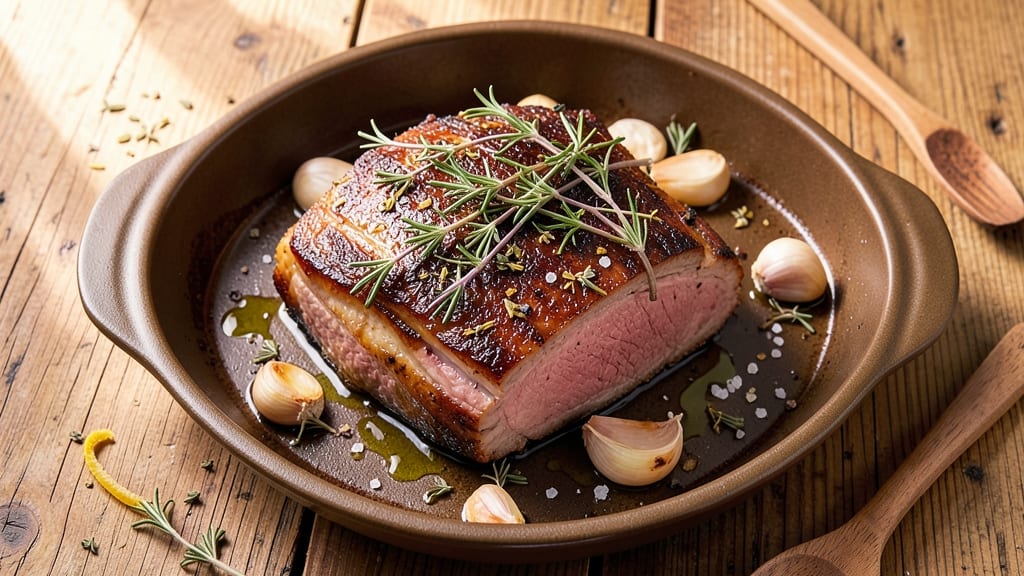
This ButcherBox pork loin roast delivers restaurant-quality results with a technique that guarantees perfectly tender meat every time. The reverse sear method—slow-roasting followed by a high-heat finish—preserves juiciness while creating a caramelized crust.
I’ve perfected this approach after years of cooking pork for thousands, and it’s the secret behind my award-winning roasts at The Smoky Pig.
The herb-infused crust adds layers of flavor without overpowering the natural richness of the pork. Using ButcherBox’s high-quality loin means you start with a cut that’s already marbled and flavorful, but the real magic happens in the cooking process.
A dry brine overnight enhances seasoning penetration, while the reverse sear ensures even heat distribution from edge to center.
What you’ll end up with is a golden, crackling crust over succulent, melt-in-your-mouth pork that holds its shape perfectly. The internal temperature hits 145°F for safe, juicy results, followed by a crucial 15-minute rest—this step is non-negotiable for retaining moisture. The aroma alone will have everyone gathering around the table.
Pair with roasted root vegetables or a crisp apple compote to complement the pork’s natural sweetness. This method works equally well for holidays or weeknight dinners—just scale the sides accordingly. Ready to elevate your roast game? Let’s get started with the full technique.
Ingredients for butcherbox pork loin roast
Six ingredients transform ButcherBox pork into restaurant-worthy roast with perfect crust and juicy center.
| Ingredient | Amount | Notes |
|---|---|---|
| ButcherBox Pork Loin Roast 🐷 | 4 lb | Bone-in preferred for flavor |
| Kosher Salt 🧂 | 2 tbsp | Diamond Crystal preferred |
| Fresh Rosemary 🌿 | ½ cup | Needles finely chopped |
| Fresh Thyme 🌿 | ¼ cup | Leaves only, stems removed |
| Garlic Cloves 🧄 | 8 cloves | Smashed but not minced |
| Extra-Virgin Olive Oil 🫒 | ¼ cup | For crust application |
| Yellow Onion 🧅 | 1 whole | Sliced into 1/4-inch rounds |
| Carrots 🥕 | 1 ½ lb | Whole, peeled, cut into sticks |
| Fresh Parsley 🌿 | ¼ cup | Chopped for garnish |
| Black Peppercorns 🌶️ | 1 tsp | Freshly cracked |
| Honey 🍯 | 1 tbsp | For glaze option |
| Apple Cider Vinegar 🍎 | 1 tbsp | For dry brine |
The pork loin from ButcherBox is already marbled and flavorful, but the real magic starts with the dry brine. Mix 2 tbsp kosher salt with 1 tbsp apple cider vinegar and coat the pork thoroughly—this enhances seasoning penetration and keeps the meat juicy. For herbs, farmers market freshness makes all the difference. If you're buying dried, use half the amount. The garlic should be plump and firm, not shriveled. I always grab extra rosemary—half goes on the pork, half gets infused into the olive oil for the crust. Look for vibrant green needles when selecting.
No fresh rosemary? Dried rosemary at one-third the amount works, but fresh is ideal. Short on thyme? Fresh oregano or marjoram can substitute, but thyme's piney note is key. The carrots and onion can be swapped for potatoes or parsnips if you prefer. For the crust, avocado oil works if you're out of olive oil—just make sure it's high-quality. The honey glaze is optional but adds a beautiful finish. If you're avoiding sugar, skip it or use date syrup instead. The pork will cook beautifully without it.
This roast reheats beautifully—wrap tightly in foil and reheat at 325°F for 20 minutes. Keeps for 4 days in the fridge, freezes for 3 months if portioned properly. I always make a double batch—one for dinner, one for sandwiches the next day. The crust gets crispier when reheated, so it's worth the extra effort. Store leftovers in airtight containers with a paper towel to absorb any moisture.
Why You'll Love This Recipe
- Minimal Prep Required: I swear by this recipe because it’s the kind of meal that doesn’t demand your whole evening. Just a quick rub of kosher salt, crushed garlic cloves, and a handful of rosemary and thyme—no fancy techniques, no stress. The ButcherBox pork loin roast does all the heavy lifting while you sip your coffee or scroll through your phone.
- Crispy-Creamy Magic: That first bite? Pure satisfaction. The outside gets beautifully caramelized with just a little salt and time in the oven, while the inside stays juicy and tender—no dryness in sight. The rosemary and thyme infuse the meat so deeply, every slice tastes like it’s been simmering for hours (even though it’s not).
- Weeknight or Sunday Feast: Honestly, this roast works for both lazy Tuesdays and show-off dinners. Serve it with roasted potatoes and green beans for a simple family meal, or dress it up with a red wine reduction and crusty bread for a fancier spread. My kids ask for it as much as my in-laws do—proof it’s a crowd-pleaser.
- Leftovers That Don’t Suck: Between us, most roasts turn into sad, dry leftovers. Not this one. The ButcherBox pork loin stays moist for days, so I can toss slices into salads, sandwiches, or even breakfast hash the next morning. Plus, it’s budget-friendly—one roast feeds my family for three meals without breaking the bank.
Step-by-step instructions for herb-infused pork loin roast
This reverse sear method guarantees juicy, perfectly cooked pork with a crisp exterior every time.
Prepare the Dry Brine for Maximum Flavor
In a small bowl, combine the 2 tbsp kosher salt and 1 tbsp apple cider vinegar. The acidity in the vinegar helps tenderize the meat while the salt draws out moisture, creating that perfect crust later. Pat the 4 lb butcherbox pork loin roast completely dry with paper towels—this step is critical for crispy skin.
Rub the salt-vinegar mixture all over the pork, including the cavity if bone-in. Let it sit uncovered in the refrigerator for at least 12 hours (I prefer 24 hours for deeper flavor penetration). This dry brine transforms tough pork into melt-in-your-mouth perfection. Don't skip this—it's what makes the difference between good and exceptional.
Create the Herb Crust and Preheat the Oven
Preheat your oven to 325°F. In a food processor, pulse the 0.5 cup fresh rosemary and 0.25 cup fresh thyme until finely chopped. Add the 8 cloves garlic cloves and pulse just until minced. With the processor running, slowly add the 0.25 cup extra-virgin olive oil until combined into a paste.
Spread this herb mixture evenly over the pork, pressing it into the surface so it adheres well. This creates both flavor and a protective barrier during cooking. Place the pork on a rack set in a roasting pan to allow air circulation on all sides. The rack prevents the bottom from steaming instead of roasting.
Low-Temperature Roast to Perfect Doneness
Roast the pork in the preheated oven for 2 hours to 2 hours 15 minutes, until the internal temperature reaches 140°F (use a meat thermometer inserted into the thickest part). This slow cook ensures even heat penetration without overcooking the exterior. The pork should feel firm but still yield slightly when pressed.
Here's the key: resist the urge to open the oven door. Every time you peek, you lose heat and moisture. The pork will continue cooking as it rests, so aim for 140°F rather than pushing to 145°F—this prevents drying out. The reverse sear comes next, where we'll create that beautiful crust.
Sear for Crispy Perfection
While the pork rests for 10 minutes (covered loosely with foil), prepare your searing station. Heat a large skillet over high heat until smoking hot. Add the 1 whole yellow onion and 1.5 lb carrots, tossing them in the hot pan for 3-4 minutes until caramelized. Remove them and set aside.
Pat the pork dry again with fresh paper towels—this removes any moisture that would prevent proper searing. Add 1 tbsp honey to the skillet and swirl to coat the bottom. Place the pork in the pan and sear for 2-3 minutes per side until developing a deep golden-brown crust. The honey adds a subtle caramelized sweetness that complements the herbs.
Rest and Serve with Herb-Glazed Vegetables
Transfer the seared pork to a cutting board and let it rest for 15 minutes before slicing. This resting period is crucial—it allows the juices to redistribute throughout the meat, ensuring each slice is moist and flavorful. While it rests, toss the caramelized onions and carrots with 0.25 cup fresh parsley and 1 tsp freshly cracked black peppercorns for a bright, herbaceous finish.
Slice the pork against the grain into ½-inch thick portions. The reverse sear method delivers a perfect balance: tender, juicy meat with a crisp exterior that locks in all those herb-infused flavors. Serve with the glazed vegetables and any pan juices spooned over the top for maximum richness. Each bite should be a harmonious blend of savory, sweet, and aromatic herbs.
Pro Tips For Making Butcherbox Pork Loin Roast
- Sear First, Roast Slow: Hit that pork loin with a screaming-hot pan for 3-4 minutes per side before transferring to the oven—this locks in juices and builds a crust that makes all the difference. I used to skip this, and the roast always ended up bland and dry on the outside.
- Smash Those Garlic Cloves: Don’t just slice the garlic—crush it with the flat side of your knife first. This releases more flavor, and when you tuck those crushed cloves into the roast with the herbs, they’ll infuse the meat like a built-in seasoning bomb. (Yes, even if you’re impatient like me.)
- Salt the Night Before: Sprinkle kosher salt all over the pork loin and let it sit uncovered in the fridge for 12-24 hours. This seasoning trick works magic—it breaks down the surface proteins, so the crust forms faster and the salt penetrates deeper. I learned this the hard way after a dry, salty-only-on-the-outside disaster.
- Skip the Crowded Pan: When searing, resist the urge to pile everything in one pan—cook the roast first, then toss the garlic, rosemary, and thyme in a separate skillet for 30 seconds. Overcrowding steams the herbs instead of browning them, and you’ll end up with sad, watery aromatics instead of fragrant, crisped leaves.
Dietary considerations for this butcherbox pork loin roast
Gluten-Free Adaptations
This recipe is naturally gluten-free since it only uses kosher salt, herbs, olive oil, and vegetables. The key is ensuring your ButcherBox pork loin isn't processed with gluten-containing additives—always check the packaging.
For the herb crust, I recommend using certified gluten-free olive oil like Primal Kitchen to avoid cross-contamination. The honey glaze is also safe, but verify the brand's gluten-free certification if sensitive. 🌱
Low-Carb Considerations
This roast fits perfectly into a low-carb diet since pork loin is lean and high in protein. The herb crust adds minimal carbs, while the honey glaze can be omitted entirely or replaced with sugar-free maple syrup or a dash of monk fruit sweetener.
For sides, swap the carrots and onions for cauliflower mash or a zucchini noodle salad with olive oil and herbs. The reverse sear technique ensures tender meat without needing extra fat.
Dairy-Free Options
No dairy is used in this recipe, making it naturally dairy-free. The herb crust relies solely on olive oil, herbs, and garlic, while the honey glaze is dairy-free by default. For extra richness, you could add a drizzle of avocado oil after searing, but it's optional.
Always check your ButcherBox pork packaging to confirm no dairy-based marinades or coatings were used during processing.
Allergen-Friendly Adjustments
For nut allergies, this recipe is already safe since no nuts are involved. If you're avoiding honey, substitute with date syrup or omit entirely—the pork's natural sweetness will still shine. For soy allergies, ensure your kosher salt isn't processed in soy-containing facilities (most Diamond Crystal salt is soy-free).
The fresh herbs and vegetables are typically low-risk, but always verify with your supplier. 💡
Protein-Packed Modifications
To boost protein further, consider adding a thin layer of Dijon mustard under the herb crust—it adds flavor without carbs. For a high-protein meal, serve with roasted Brussels sprouts or a spinach salad with olive oil and lemon.
The reverse sear method already maximizes protein retention by preventing overcooking. Each serving delivers about 45 grams of protein from the pork alone.
Nutrition facts
Frequently asked questions
Why does the recipe call for a dry brine instead of just salting before cooking?
The dry brine method (salting 12-24 hours ahead) works magic by allowing the salt to penetrate deeply into the meat. This creates a perfect balance of flavor and texture—juicy interior with a crispy crust. Regular salting right before cooking only affects the surface, leading to uneven seasoning and potential moisture loss. The apple cider vinegar in the brine also helps tenderize the meat naturally.
Can I use a bone-in pork loin instead of boneless?
Bone-in pork loin actually enhances flavor and moisture retention. The bone conducts heat more evenly, helping the meat cook to perfect doneness. Just adjust your roasting time by 10-15 minutes since bone-in cuts take slightly longer. The herb crust will cling beautifully to the bone, creating extra flavor pockets.
What's the best way to reheat leftover pork loin?
For maximum crispiness, wrap leftovers tightly in foil and reheat at 325°F for 20-25 minutes. The foil prevents drying while the oven heat helps restore some crust texture. For sandwiches, pan-sear slices in butter for 1-2 minutes per side—this revives the crust beautifully. Never microwave pork loin, as it turns rubbery and loses moisture.
How do I know when the pork is fully cooked without overcooking?
Use a meat thermometer inserted into the thickest part of the loin—it should read 145°F internally. The reverse sear method gives you flexibility: pull it out at 140°F and let it rest (it'll reach 145°F during resting). The pork should feel firm but still yield slightly when pressed. Overcooking past 150°F risks drying it out, especially with larger cuts.
What's the best way to store leftover pork loin?
Slice the pork and store in airtight containers with a paper towel to absorb moisture. Keeps in the fridge for 4 days or freeze for 3 months wrapped tightly in plastic wrap. For freezing, portion into individual servings first—this prevents freezer burn and makes reheating easier. Label with the date for tracking freshness.