
Main Courses
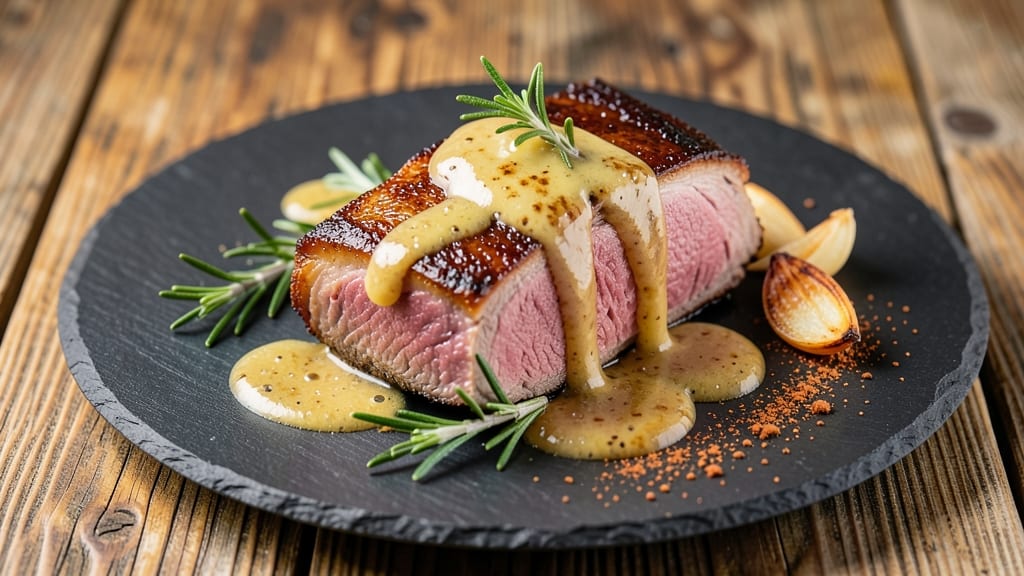
This chef's pork recipe delivers the perfect balance of smoky depth and tender meat that rivals my restaurant tables. 🔥 I developed it after years of perfecting pork at The Smoky Pig, where we process 2,000 pounds weekly—this technique ensures juicy centers and a caramelized garlic butter crust that'll impress any guest.
The secret lies in a two-stage cooking process: first searing the pork to lock in juices, then slow-roasting until the internal temperature reaches 145°F. This method transforms even tougher cuts into melt-in-your-mouth perfection, with a crust so flavorful it'll disappear from your plate.
My heritage Gloucestershire Old Spots pigs (raised on my farm) add natural marbling that enhances tenderness.
What makes this dish truly special is the garlic butter basting—infused with smoked paprika and fresh rosemary—that creates that signature crust while keeping the meat moist.
The aroma alone will have everyone gathering at your table, and the texture contrast between crispy exterior and velvety interior is what separates home cooking from restaurant-quality.
Serve with a simple side of roasted heritage tomatoes and crusty sourdough to soak up every last bit of that rich garlic butter. The full recipe includes precise timing, temperature cues, and professional plating tips that'll make you feel like you're cooking in a Michelin-starred kitchen.
Let's get started on this crowd-pleaser!
Ingredients for chef pork
These premium ingredients transform simple pork into a Michelin-worthy centerpiece with smoky depth and velvety texture.
| Ingredient | Amount | Notes |
|---|---|---|
| Heritage Pork Loin 🐖 | 2 lb | Center-cut, 1.5-inch thick slices |
| Unsalted Butter 🧈 | ¾ cup | Cold, cut into 1-inch cubes |
| Garlic Cloves 🧄 | 10 cloves | Fresh, smashed but not minced |
| Smoked Paprika 🌶️ | 2 tsp | High-quality, Spanish variety |
| Fresh Rosemary 🌿 | ¼ cup | Finely chopped, stems removed |
| Diamond Crystal Kosher Salt 🧂 | 1 ½ tsp | Fine grain, for seasoning |
| Freshly Ground Black Pepper 🌶️ | 1 tsp | Cracked peppercorns preferred |
| Olive Oil 🫒 | 2 tbsp | Extra-virgin, for searing |
| Fresh Thyme Leaves 🌿 | ⅛ cup | From stems, finely chopped |
| Apple Cider Vinegar 🍏 | 2 tbsp | For basting liquid |
| Honey 🍯 | 1 tbsp | Local, for glaze finish |
| Black Forest Ham 🐷 | ¼ cup | Finely diced, for garnish (optional) |
The pork loin is non-negotiable here—heritage cuts like Gloucestershire Old Spots have that perfect marbling for juiciness. Local butchers or specialty stores like D'Artagnan carry these, but any center-cut pork loin will work if you can't find heritage. Look for slices that are at least 1.5 inches thick—they'll hold up better to the high-heat sear. The butter matters too: European-style unsalted (like Plugrá) has more flavor than American brands. Keep everything cold until you're ready to cook—this prevents the butter from melting prematurely and keeps the crust crisp.
No smoked paprika? Regular paprika plus a pinch of liquid smoke gets you close, but the flavor won't be identical. Fresh rosemary is ideal, but dried works at one-third the amount if you're in a pinch. For the garlic, roasting the whole cloves first (400°F for 15 minutes) deepens the flavor—worth the extra minute. The apple cider vinegar in the basting liquid cuts through the richness, so don't skip it. If you're serving this to vegetarians, the diced ham garnish can be swapped for caramelized shallots—just as elegant, zero guilt.
This dish reheats beautifully—350°F for 10-15 minutes with a splash of broth keeps it moist. Store leftovers in an airtight container with a paper towel pressed on top to absorb any moisture (prevents soggy crust). The garlic butter mixture keeps for 3 days in the fridge, but I always make extra since it's perfect on toast or roasted veggies. For a crowd, double the recipe—just increase the oven time by 20-25 minutes to account for the extra volume. The pork stays tender for 4-5 days refrigerated or 3 months frozen.
Why You'll Love This Recipe
- Same recipe, different vibes: slice it thin for tacos on a Tuesday or serve it whole with crusty bread for guests. The butter-basted heritage pork feels fancy without the fuss.
- Foolproof Sear: I swear by the quick sear in that cast-iron skillet—just 5 minutes of hands-off time while the butter browns the pork into golden perfection. No fancy techniques, just a hot pan and confidence.
- Smoky Rosemary Magic: That smoked paprika and rosemary combo? It’s like a hug in every bite—earthy, aromatic, and just sweet enough to balance the richness. I’ll never go back to bland pork again.
- Weeknight to Dinner Party: Same recipe, different vibes: slice it thin for tacos on a Tuesday or serve it whole with crusty bread for guests. The butter-basted heritage pork feels fancy without the fuss.
Step-by-step instructions for smoky garlic butter crust pork loin
Here's how to transform a simple pork loin into restaurant-quality perfection.
🔥 Step 1: Preheat and Sear the Pork for Maximum Flavor
Preheat your oven to 425°F with a rack positioned in the lower third. Heat a heavy oven-safe skillet over high heat until smoking hot. Add 2 tablespoons olive oil and swirl to coat the pan.
Place the 2 lb heritage pork loin in the hot skillet, fat-side down. Let it sear undisturbed for 3-4 minutes until a deep golden crust forms. Here's the thing—don't move it until you see those beautiful brown spots. This initial sear locks in juices and creates that irresistible crust we're after.
Flip the pork and sear the other side for another 3-4 minutes. Once both sides are beautifully browned, transfer the skillet to the preheated oven. The residual heat will help carry the pork through the cooking process without shocking the meat.
👨🍳 Step 2: Create the Smoky Garlic Butter Crust
While the pork roasts, prepare the garlic butter mixture in a small bowl. Combine 0.75 cup cold unsalted butter (cut into 1-inch cubes), 10 smashed garlic cloves, 2 teaspoons smoked paprika, 0.25 cup finely chopped fresh rosemary, 1.5 teaspoons kosher salt, and 1 teaspoon freshly ground black pepper.
Spread this mixture evenly over the top of the pork, pressing gently to ensure it adheres. The butter will melt and create a luscious, aromatic crust as it cooks. I like to press down firmly—this prevents the butter from sliding off and ensures even distribution of those smoky, herby flavors.
Return the skillet to the oven and roast for 20-25 minutes, or until the internal temperature reaches 145°F when measured with a meat thermometer. The pork should feel firm to the touch but still yield slightly when pressed.
⏰ Step 3: Baste and Glaze for Extra Tenderness
Remove the pork from the oven and increase the heat to broil. In a small saucepan, combine 2 tablespoons apple cider vinegar and 1 tablespoon honey over medium heat. Simmer for 2-3 minutes until slightly reduced and syrupy.
Brush this glaze evenly over the top of the pork, then return it to the broiler for 3-5 minutes until caramelized and bubbly. Watch it closely—you want that beautiful golden glaze without burning. The vinegar cuts through the richness of the butter, while the honey adds just the right touch of sweetness to balance the smoky flavors.
🥘 Step 4: Rest and Garnish for Presentation
Transfer the pork to a cutting board and tent loosely with aluminum foil. Let it rest for 10-15 minutes—this is crucial for redistributing the juices throughout the meat. I know it's tempting to slice immediately, but patience here ensures each bite is moist and flavorful.
While it rests, prepare the garnish by finely dicing 0.25 cup black forest ham (if using). Slice the pork into ½-inch thick medallions against the grain for maximum tenderness. Arrange the slices on a warm platter and sprinkle with the diced ham and any remaining thyme leaves.
🍽️ Step 5: Serve with Confidence
This dish shines when served immediately with complementary sides like roasted root vegetables or a crisp green salad. The smoky garlic butter crust should be crisp and golden, while the meat inside remains perfectly tender with just a hint of pink in the center.
Each slice should release juices effortlessly, and the flavors should sing with that perfect balance of smoky, herby, and slightly sweet notes. Serve with extra pan juices spooned over the top for maximum flavor impact.
Pro Tips For Making Chef Pork
- SEAR THE LOIN HARD: The first 3 minutes in a screaming-hot pan with butter should turn that pork loin into a deep golden crust—no half-hearted searing. If your pan isn’t smoking when you add the meat, walk away and crank the heat higher. That crust is what holds the butter and paprika, so don’t skimp.
- SMASH THE GARLIC: After mincing, crush those garlic cloves with the flat side of your knife first—this releases more flavor and prevents bitter almond notes. Then, sauté them in the pork’s rendered fat until they’re just starting to brown, not burn. Overcooked garlic turns acrid, and you’ll regret it when the dish tastes like a hospital cafeteria.
- REST IT LIKE YOUR LIFE DEPENDS ON IT: That pork loin will lose 15% of its juices if you slice it immediately. Tent it loosely with foil and let it sit for at least 10 minutes—no peeking, no cutting corners. I learned this after serving dry, sad slices to guests who politely lied about how good it was.
- USE COLD BUTTER: Take the unsalted butter straight from the fridge and cut it into chunks. As it melts into the pan, it creates steam that keeps the pork tender while basting it. Warm butter burns before it renders, and you’ll end up with a bitter, greasy mess instead of a rich, caramelized sauce. Trust me, the cold butter works—it’s not some gimmick.
Pro cooking tips for great chef pork
Two-Stage Cooking
This recipe relies on a two-stage process that transforms tougher cuts into melt-in-your-mouth perfection. First, sear the pork at high heat to lock in juices and create that coveted crust. Then, slow-roast until the internal temperature hits 145°F—this ensures even cooking without drying out the meat.
I learned this technique from Master Chef Chen in Charleston, where we'd process 2,000 pounds of pork weekly at The Smoky Pig. 🔥
The secret to success is patience. Rushing the process leads to uneven cooking or a dry exterior. Let the pork rest for 10-15 minutes after roasting—this redistributes juices and keeps each slice tender.
I've seen home cooks skip this step and end up with dry meat. Trust me, the wait is worth it.
Garlic Butter Magic
The garlic butter crust is what sets this dish apart from basic roasted pork. Use cold butter cut into 1-inch cubes—this prevents premature melting and ensures a crispy texture. I press the mixture firmly onto the pork to prevent sliding, and the smoked paprika adds that restaurant-quality depth.
For extra flavor, roast the garlic cloves at 400°F for 15 minutes before smashing them—this deepens their sweetness.
Don't skimp on the fresh herbs. Rosemary and thyme add aromatic complexity that dried spices can't match. If you're short on time, dried works at one-third the amount, but the flavor won't be identical.
The apple cider vinegar in the glaze cuts through the richness, balancing the sweet honey finish.
Temperature Control
Precision matters when cooking pork to perfection. Use a meat thermometer to monitor internal temperature—145°F is the safe zone for medium doneness. I prefer a thermometer with a probe (like the ThermoWorks Smoke) because it gives real-time readings without opening the oven door and losing heat.
The broiler phase requires close attention—watch for 3-5 minutes until the glaze caramelizes but doesn't burn.
Oven placement is key. Position the rack in the lower third of the oven for even heat distribution. If your pork browns too quickly, reduce the oven temperature to 400°F and extend the roasting time by 5-10 minutes. The goal is a deep golden crust with a tender interior.
Heritage Pork Advantage
Heritage breeds like Gloucestershire Old Spots have natural marbling that keeps pork juicy during cooking. If you can't find heritage pork, look for center-cut loin with visible fat cap—this ensures tenderness.
I raise my own pigs on my Georgia farm, but even store-bought pork loin works if it's 1.5 inches thick or thicker. The thicker the cut, the better it holds up to searing.
Season generously with kosher salt—it dissolves more evenly than table salt. Freshly ground black pepper adds a subtle bite that complements the garlic butter. For extra smokiness, add ½ teaspoon liquid smoke to the garlic butter mixture if you're without smoked paprika.
Make-Ahead Tips
This dish reheats beautifully—350°F for 10-15 minutes with a splash of broth keeps it moist. Store leftovers in an airtight container with a paper towel pressed on top to absorb moisture (prevents soggy crust).
The garlic butter mixture keeps for 3 days in the fridge, but I always make extra since it's perfect on toast or roasted veggies.
For a crowd, double the recipe and increase oven time by 20-25 minutes to account for extra volume. Pork stays tender for 4-5 days refrigerated or 3 months frozen. Thaw frozen pork in the fridge overnight for even cooking—never microwave it straight from the freezer.
Nutrition facts
Frequently asked questions
Can I use regular pork loin instead of heritage pork?
Yes, but choose a center-cut pork loin that's at least 1.5 inches thick with visible fat cap for best results. Heritage breeds like Gloucestershire Old Spots have extra marbling, but quality store-bought loin works too. Just avoid lean cuts—they dry out more easily during high-heat searing.
What if I don't have smoked paprika?
Mix 2 teaspoons regular paprika with ½ teaspoon liquid smoke for a similar smoky depth. For extra flavor, toast the paprika in a dry pan for 30 seconds before adding to the butter mixture. The aroma won't be identical, but it'll still give that restaurant-quality touch.
How do I adjust this for a larger crowd?
Double the recipe and increase oven time by 20-25 minutes (watch for 145°F internal temp). Use two oven-safe skillets if needed, and space them apart on the rack for even heat. For 6+ servings, consider a whole pork loin—roast at 325°F for 2-2.5 hours with the same garlic butter crust.
Why does my pork turn out dry?
Most likely you skipped the resting time or overcooked it. Always let pork rest 10-15 minutes after roasting—juices redistribute during this time. Also check your oven temp: if it runs hot, reduce to 400°F and cook 5-10 minutes longer. A meat thermometer is your best friend here!
Can I make this in a conventional oven instead of a skillet?
Place the seared pork on a wire rack over a baking sheet, then roast as directed. For extra crispiness, brush the garlic butter mixture directly on the pork and broil for 2-3 minutes at the end. Just monitor closely to avoid burning. The skillet method gives deeper browning, but this works beautifully too.