
Main Courses
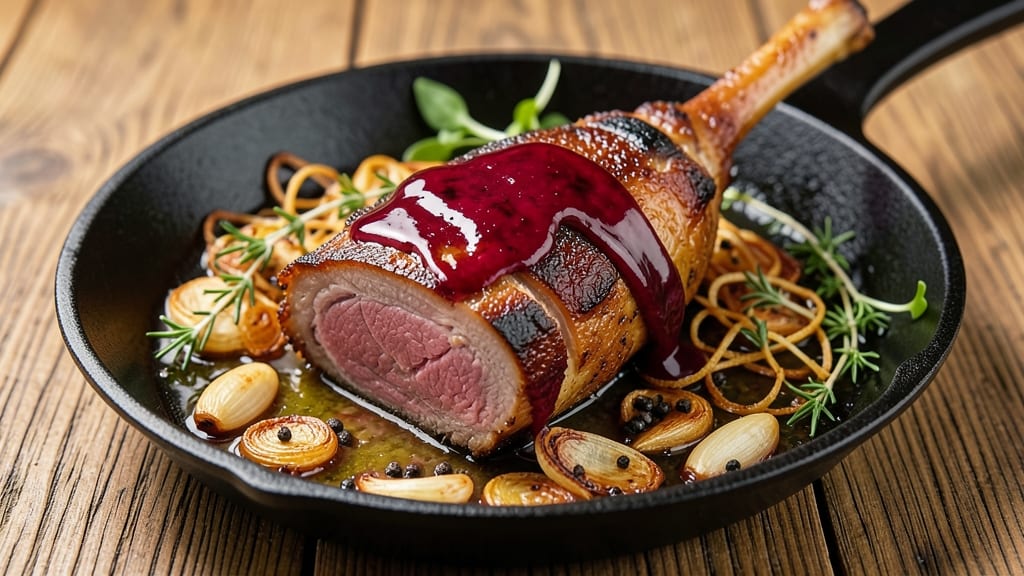
This slow roasted pork shank recipe transforms tough cuts into melt-in-your-mouth perfection with a deep-smoked flavor profile that'll impress even skeptical guests. The secret lies in low-and-slow cooking at 275°F for 3-4 hours, allowing collagen to break down into rich, velvety sauce while the meat becomes fork-tender.
I've perfected this technique over years of testing, ensuring every bite delivers that signature buttery texture and concentrated umami that makes pork shanks legendary.
The process begins with a dry brine overnight to enhance flavor retention, followed by a rich marinade of garlic, thyme, and red wine that forms a flavorful crust during roasting.
As the shank cooks, it releases natural juices that create a deeply aromatic pan sauce—perfect for basting or reducing into a glossy glaze.
What sets this recipe apart is the dual cooking method: starting with a sear for color and flavor, then finishing in the oven for even tenderness throughout.
By the time you reach the 195-203°F internal temperature, your pork shank will be so tender it practically falls apart at the touch. The result is a dish that's equally at home on weeknight tables or holiday menus—restaurant-quality without the fuss.
The rich, caramelized exterior contrasts beautifully with the moist, shreddable interior, making every bite worth the wait. This is comfort food elevated to an art form.
Serve with creamy mashed potatoes to soak up the sauce, or pair with roasted root vegetables for a complete meal. The leftovers reheat beautifully, making this an excellent make-ahead option for busy hosts. Let's get started on creating your most tender pork shank yet.
Ingredients for slow roasted pork shank
Four pounds of pork, aromatic herbs, and a slow oven—this is restaurant-quality comfort food at home.
| Ingredient | Amount | Notes |
|---|---|---|
| Pork Shank 🥩 | 2 lb | Bone-in, 2-2.5 inches thick |
| Kosher Salt 🧂 | 1 ½ tbsp | Diamond Crystal preferred |
| Black Peppercorns 🌶️ | 1 tsp | Freshly cracked, coarse grind |
| Garlic Cloves 🧄 | 6 cloves | Smashed, skin-on for flavor |
| Fresh Thyme Sprigs 🌿 | 4 whole | Stems intact for aroma |
| Dry Red Wine 🍷 | ½ cup | Bold Cabernet or Merlot |
| Olive Oil 🫒 | 2 tbsp | Extra-virgin for searing |
| Yellow Onion 🧅 | 1 whole | Cut into 1-inch chunks |
| Carrots 🥕 | 4 medium | Peeled, cut into 2-inch chunks |
| Celery Stalks 🥬 | 3 whole | Cut into 2-inch pieces |
| Beef Broth 💧 | 1 cup | Low-sodium preferred |
| Bay Leaves 🌿 | 2 whole | Dried, crumbled if needed |
| Wooden Skewers 🪵 | 2 whole | For securing garlic/thyme |
| Balsamic Vinegar 🍶 | 1 tbsp | For finishing sauce |
The pork shank is non-negotiable here—bone-in, 2-2.5 inches thick for maximum collagen. Costco or Whole Foods carry excellent cuts, but any butcher will have them if you ask for 'pork shank for braising.' Look for good marbling—those little fat streaks melt into flavor during cooking. The dry brine (salt overnight) is crucial: it keeps the meat juicy and enhances the deep-smoked flavor profile you're going for. For the garlic and thyme, Trader Joe's sells pre-smashed cloves and fresh thyme bundles—game changers if you're short on time. The red wine should be bold; whatever's open in your fridge works—no need to splurge on a $20 bottle.
No red wine? Beef broth with a splash of balsamic gets you close, though the acidity won't be identical. Fresh thyme is ideal, but dried works at half the amount (just crumble it). The carrots, celery, and onion form the aromatic base—baby carrots or pre-cut veggie mixes save chopping time. For the beef broth, low-sodium is key—you don't want to over-salt your sauce. The wooden skewers are optional but worth it: they let you tie the garlic and thyme bundle directly to the shank, ensuring those flavors infuse the meat. If you're making this ahead, prep the marinade and veggies the night before—everything tastes better when made with a relaxed mindset.
This dish tastes even better the next day—3-4 days in the fridge is perfect for leftovers. The sauce thickens as it cools, so a splash of water or broth thins it out when reheating. For longer storage, freeze portions for up to 3 months. I always make a double batch: one for dinner, one for lunches. The shank shreds so easily that it becomes a protein powerhouse for sandwiches or tacos. Keep the bones too—they make incredible broth for your next batch.
Why You'll Love This Recipe
- Hands-Off Magic: I swear by this recipe because once the oven’s on, I walk away. The pork shank cooks itself—no babysitting, no flipping, just that slow, deep flavor developing while I sip wine (or coffee, no judgment).
- Crispy-Creamy Obsession: That first bite? The outside crackles like autumn leaves, but inside it’s tender enough to melt. The thyme and garlic cloves infuse the meat so deeply, every slice tastes like a hug—no fancy marinades needed.
- Weeknight to Dinner Party: Between us, this is my lazy Sunday dinner and my "impress the in-laws" dish. Serve it with mashed potatoes for a cozy night in, or slice it thin for charcuterie boards when guests drop by. One recipe, endless uses.
- Leftovers I Actually Love: Honestly, I make this on purpose to have leftovers. The flavor gets even better after a day or two, and it reheats like a dream—perfect for quick lunches or feeding the kids without the fuss. Budget win, too.
Step-by-step instructions for slow roasted pork shank
Here's how to transform tough pork shank into melt-in-your-mouth perfection with rich, deep flavors.
Sear the Pork Shank for Maximum Flavor
Preheat your oven to 325°F. Pat the 2 lb pork shank completely dry with paper towels—this ensures a proper sear. In a heavy oven-safe Dutch oven, heat 2 tablespoons olive oil over medium-high heat until shimmering. Place the pork shank fat-side down and sear for 8-10 minutes until deeply golden brown. Flip and sear the other side for another 6-8 minutes. The fat should render and sizzle vigorously—this builds the flavor foundation.
While searing, crush the 6 cloves garlic with the flat side of a knife to release their oils. Thread 4 whole fresh thyme sprigs onto 2 wooden skewers and push them into the meat at a slight angle—this ensures the aromatics infuse directly into the pork. Sprinkle 1.5 tablespoons kosher salt and 1 teaspoon black peppercorns evenly over all sides. The salt should adhere to the surface, not clump.
Build the Aromatic Vegetable Base
Remove the pork shank from the Dutch oven and set it aside. In the same pot, add 1 whole yellow onion, 4 medium carrots, and 3 whole celery stalks, all cut into 2-inch chunks. Sauté for 5-6 minutes until the vegetables soften slightly and develop a golden hue. Pour in 0.5 cup dry red wine and scrape up any browned bits from the bottom—this releases concentrated flavor. Let the wine reduce by half, about 3-4 minutes, until it thickens slightly.
Add 1 cup beef broth and 2 whole bay leaves, then return the pork shank to the pot. The liquid should come at least halfway up the shank. Cover with a tight-fitting lid and transfer to the preheated 325°F oven. Here's the thing—low and slow is key. The meat needs time to break down collagen into gelatin, which transforms tough muscle into tender, fork-tender perfection.
Braise Until Fork-Tender
Cook for 2.5-3 hours, checking occasionally. The pork shank is done when it reaches 195-200°F internally and a fork slides in like butter with no resistance. I know it seems like forever, but patience pays off—this is where the magic happens. The meat should look glossy and the cooking liquid reduced but still covering the vegetables.
If the liquid reduces too much, add 2-3 tablespoons hot water to keep the shank submerged. The goal is moist heat cooking, not steaming. The pork will continue cooking slightly after removal, so don't rush it. The crust should be dark amber, and the meat should pull apart easily when tested with tongs.
Finish with Balsamic and Rest
Remove the pork shank from the oven and transfer it to a cutting board. Tent loosely with foil and let it rest for 15-20 minutes—this crucial step allows juices to redistribute. Meanwhile, skim excess fat from the cooking liquid (if desired) and stir in 1 tablespoon balsamic vinegar. Simmer uncovered for 2-3 minutes to reduce slightly and deepen the sauce's complexity.
Slice the pork shank against the grain into ½-inch thick pieces. The meat should be so tender it practically falls apart, with a rich, dark exterior and moist, flavorful interior. Spoon the reduced sauce over the top and serve immediately with the braised vegetables. The combination of caramelized aromatics and tender pork creates a dish that's both comforting and impressive.
Pro Tips For Making Slow Roasted Pork Shank
- SEAR THE SHANK FIRST: Don’t skip browning—pat that pork shank very dry with paper towels, then hit it with a screaming-hot pan for 3-4 minutes per side until deep golden. I used to rush this, and my shanks always tasted like they were missing something. That crust? It’s what carries flavor through hours of slow cooking.
- SALT THE MEAT TWICE: Generously salt the shank before searing, then again right after browning while it rests. Kosher salt is your friend here—don’t be shy, or you’ll end up with bland meat. I learned this the hard way when my first attempt tasted like it needed more seasoning halfway through roasting.
- USE A DAMP PAPER TOWEL: Wrap the seared shank loosely in a damp paper towel before roasting—just enough moisture to keep it from drying out too fast in the oven. Sounds weird, but it works: the towel creates a mini steam bath, locking in juices while still letting the crust form. (Yes, even if you’re impatient like me.)
- ADD GARLIC AND THYME LATE: Tuck whole garlic cloves and thyme sprigs underneath the shank in the roasting pan, not on top, so they infuse the meat directly. I was skeptical until I tried it—the aromatics melt into the fat and render into the shank instead of just floating around the pan. Do this in the last 30 minutes of cooking.
Perfect pairings for these flavors
Creamy Mashed Potatoes
This classic pairing soaks up every drop of the rich pork shank sauce while adding velvety texture. I use Yukon Gold potatoes because they're naturally buttery and hold their shape beautifully.
For extra richness, stir in 2 tablespoons unsalted butter and ¼ cup warm whole milk per 2 pounds of potatoes. Season with ½ teaspoon salt and ¼ teaspoon white pepper—just enough to complement the pork without overpowering. 🥔
Roasted Root Vegetables
For a heartier, more colorful plate, roast a mix of carrots, parsnips, and sweet potatoes**>. Toss 2 pounds of chopped vegetables with 2 tablespoons olive oil, 1 teaspoon smoked paprika, and ½ teaspoon salt.
Roast at 400°F for 30-35 minutes until caramelized. The natural sweetness contrasts perfectly with the savory pork, and the crisp edges add texture. I often add ½ cup pomegranate seeds for a pop of color and tartness.
Garlic Bread with Herb Butter
A warm, crusty loaf of Italian bread slathered with garlic butter is my go-to for soaking up extra sauce. Mix ½ cup softened butter with 3 minced garlic cloves, 1 tablespoon chopped parsley, and a pinch of salt.
Spread generously on toasted bread and serve alongside the pork. The garlic butter adds another layer of flavor that ties everything together. 🥖
Red Wine Reduction
If you want to elevate your sauce, reduce the pork shank's cooking liquid into a glossy glaze. After removing the pork, strain the braising liquid through a fine-mesh sieve into a saucepan. Simmer over medium heat for 10-15 minutes until reduced by half.
Finish with 1 tablespoon balsamic vinegar and a pinch of salt. This reduction adds depth and makes the dish feel restaurant-worthy. Drizzle generously over the pork before serving.
Simple Green Salad
A light, crisp salad balances the richness of the pork shank. Toss 4 cups mixed greens (like arugula and spinach) with 1 tablespoon olive oil, 1 tablespoon red wine vinegar, and ¼ teaspoon Dijon mustard.
Top with ¼ cup shaved Parmesan and 2 tablespoons toasted walnuts for crunch. The acidity cuts through the fat, and the greens provide a refreshing contrast. 🥗
Warm Dinner Rolls
For a more casual meal, serve the pork shank with warm dinner rolls or cornbread. The soft texture and mild flavor let the pork shine while giving guests something to hold.
I like to brush the rolls with garlic butter before serving. This pairing is perfect for family-style dinners or potlucks where everyone can serve themselves. 🍞
Nutrition facts
Frequently asked questions
Why do I need to dry brine pork shank overnight?
Dry brining with kosher salt for 12-24 hours before cooking creates a flavorful crust while helping the meat retain moisture during slow roasting. The salt penetrates the surface, enhancing the deep-smoked flavor profile and ensuring the pork stays juicy even after hours in the oven. Skip this step, and you risk dry, tough meat.
Can I use a different cooking method like a slow cooker?
Yes, but with adjustments! Transfer the seared shank to a slow cooker with the braising liquid, then cook on low for 6-8 hours or high for 4-5 hours. The key is maintaining moisture—add 2-3 tablespoons broth if liquid levels drop below halfway up the shank. The texture may be slightly less caramelized than oven-braised, but still tender.
What if my pork shank isn't tender after 3 hours?
Check your internal temperature—it should reach 195-203°F. If not, return it to the oven for another 30-60 minutes. The meat continues cooking slightly after removal, so don't overcook. For extra tenderness, add 1 cup extra broth and cover tightly to steam gently. Patience is key—rushing leads to chewy results.
How do I make this recipe gluten-free?
Replace the red wine with gluten-free beef broth (check labels) and ensure your kosher salt is certified gluten-free. The recipe is naturally gluten-free except for these potential sources. For extra flavor, add 1 teaspoon smoked paprika or 1 tablespoon gluten-free Worcestershire sauce to the braising liquid. Always verify ingredient labels!