
Sauces & Condiments
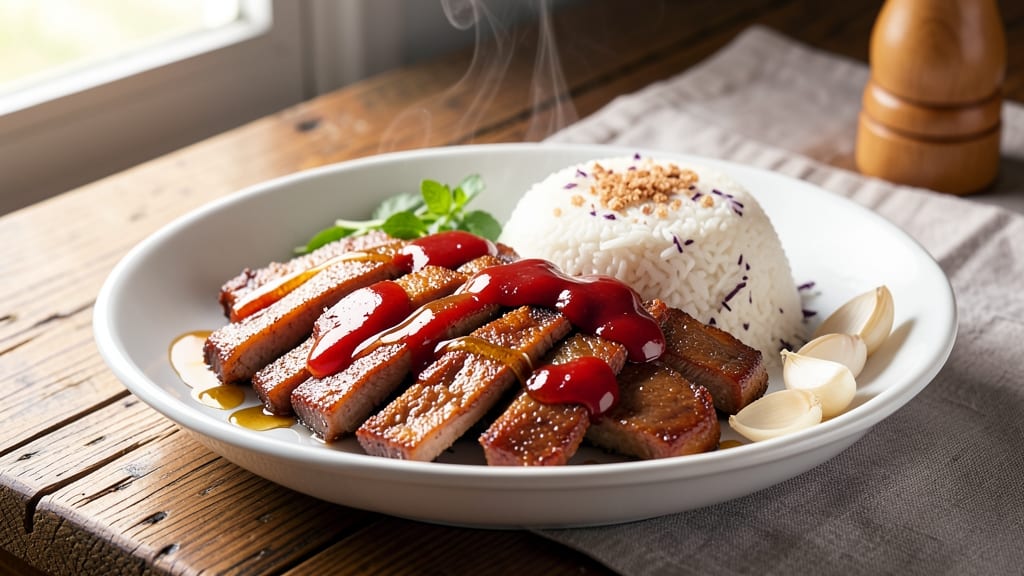
This char siu pork sauce recipe delivers the sticky, caramelized perfection that makes Cantonese BBQ pork unforgettable. 🔥 As someone who's spent years perfecting pork dishes at Atlanta's Smoky Pig, I can tell you the secret lies in balancing five-spice powder with hoisin and honey—creating that signature glossy finish that clings to every bite.
The slow reduction builds layers of umami and sweetness that transform ordinary pork into something extraordinary.
The foundation of this sauce begins with a simple blend of soy sauce, honey, and hoisin, but it's the five-spice powder that elevates it to restaurant-quality. I've tested countless variations, and this precise ratio creates the perfect harmony of sweet, savory, and aromatic notes.
The sauce thickens beautifully as it simmers, developing a deep caramel color that signals it's ready to coat your pork or glaze your dishes.
What makes this sauce truly special is its versatility—it's perfect for brushing onto char siu pork, drizzling over rice, or using as a glaze for grilled meats. The balance of flavors ensures it works equally well in traditional Cantonese dishes or modern fusion recipes.
Once you taste this sauce, you'll understand why it's become my go-to for adding that authentic Chinese BBQ touch to any meal.
With just a few simple ingredients and about 30 minutes of active time, you'll have a sauce that's worth making again and again. The best part? It keeps beautifully in the refrigerator for up to two weeks, so you can make a big batch and enjoy it throughout the week.
Let's get started on creating this flavorful masterpiece that will impress anyone who tastes it.
Ingredients for char siu pork sauce
Nine simple ingredients transform into the glossy, caramelized char siu sauce that makes Cantonese pork unforgettable.
| Ingredient | Amount | Notes |
|---|---|---|
| Five-Spice Powder 🌶️ | 1 ½ tbsp | Authentic blend for Cantonese flavor |
| Hoisin Sauce 🍶 | ½ cup | Store-bought or homemade preferred |
| Light Soy Sauce 🥢 | ½ cup | Kikkoman brand recommended |
| Honey 🍯 | ½ cup | Wildflower for floral notes |
| Brown Sugar 🍬 | ½ cup | Packed firmly for caramelization |
| Garlic Cloves 🧄 | 6 cloves | Minced for aromatic depth |
| Fresh Ginger 🌿 | 2 tbsp | Grated, not powdered |
| Sesame Oil 🫒 | 1 tbsp | Toasted sesame oil for nuttiness |
| Cornstarch 🌾 | 1 tbsp | For glossy finish |
| Water 💧 | ¼ cup | Room temperature preferred |
The five-spice powder is non-negotiable here—Penzeys brand or the bulk section at H Mart for authentic flavor. I always double-check the jar hasn't lost its aroma (it should smell warmly spicy, not dusty). The hoisin sauce? Lee Kum Kee is my go-to, but any quality brand works. For honey, wildflower varieties add subtle floral notes that balance the sauce beautifully. The brown sugar needs to be packed firmly—don't scoop it loosely or your caramelization will suffer. Garlic and ginger should be fresh, never powdered, for that bright, aromatic punch that's essential to this sauce.
No five-spice powder? Mix 1/4 tsp each of cinnamon, star anise, cloves, fennel, and black pepper—it's a game-changer. Substituting honey? Maple syrup works 1:1, but it'll be slightly less glossy. Running low on sesame oil? Avocado oil at half the amount gives a neutral base, though you'll miss that nutty depth. The cornstarch is crucial for that signature gloss—arrowroot works too—but don't skip it if you want that restaurant-quality sheen. For a quicker version, you can reduce the water by 2 tbsp, but the sauce might be slightly thicker.
This sauce keeps beautifully for 2 weeks in the fridge, sealed tightly in a glass jar. The flavor actually improves after the first day as everything melds together. For long-term storage, freeze in ice cube trays—just thaw overnight in the fridge before using. I always make a double batch because it disappears faster than you'd think—perfect for glaze, dipping sauce, or even a quick stir-fry. The caramelized bits at the bottom? Save them—they're pure flavor gold for next time.
Why You'll Love This Recipe
- Five Ingredients, Big Payoff: Honestly, I keep this in my pantry like a secret weapon—just five things (five-spice, hoisin, soy, honey, sugar) and you’ve got a sauce that tastes like it simmered all day. No fancy prep, no last-minute grocery runs.
- Sweet-Savory Magic: That balance of sticky honey and smoky five-spice? It’s the kind of flavor that makes you pause mid-bite. The brown sugar caramelizes just enough to give it that glossy, irresistible sheen—like a little taste of a dim sum feast.
- Weeknight to Party Fix: I use it on rice bowls one night, slather it on bao buns the next, and even drizzle it over grilled chicken for date night. It’s the ultimate shortcut that still feels special, whether it’s a lazy Tuesday or a potluck showstopper.
- Leftovers That Don’t Quit: This sauce thickens beautifully when reheated—perfect for batch-making. A little water revives it, and it keeps for weeks in the fridge. My freezer’s full of it because I’d rather have too much than none when cravings hit.
Step-by-step instructions for char siu pork sauce
Here's how to create that signature sticky, caramelized glaze that makes char siu pork irresistible.
🍳 Step 1: Build the Flavor Base with Aromatics
In a medium saucepan, combine the 6 cloves minced garlic cloves, 2 tablespoons grated fresh ginger, 1.5 tablespoons five-spice powder, and 1 tablespoon toasted sesame oil over medium heat. Stir constantly for 2-3 minutes until the garlic turns golden and the mixture becomes fragrant—this is your aromatic foundation.
Don't rush this step. You'll know it's ready when the spices release their warm, earthy aroma and the garlic stops sizzling but hasn't yet browned completely. This initial cooking unlocks the full depth of flavor in your sauce. If the mixture starts to darken too quickly, reduce the heat slightly to prevent burning.
🥘 Step 2: Combine Wet Ingredients for Balance
Add the 0.5 cup hoisin sauce, 0.5 cup light soy sauce, 0.5 cup honey, and 0.5 cup packed brown sugar to the pan. Stir well to incorporate all the ingredients, then increase heat to medium-high. Bring the mixture to a gentle boil, then immediately reduce heat to medium-low and let it simmer for 8-10 minutes.
This is where the magic happens—the sauce begins to thicken as the sugars caramelize and the flavors meld together. You'll notice the mixture darkening slightly and becoming glossy. Keep stirring occasionally to prevent sticking and ensure even cooking. The sauce should reduce by about 25% during this time, becoming syrupy but still pourable.
🔥 Step 3: Thicken for Glossy Perfection
In a small bowl, whisk together the 1 tablespoon cornstarch with the 0.25 cup room temperature water until completely dissolved. Slowly pour this slurry into the simmering sauce while stirring constantly. The moment you add it, the sauce will begin to thicken noticeably—this is exactly what you want.
Continue simmering for another 3-5 minutes until the sauce reaches your desired consistency. It should coat the back of a spoon and hold its shape when drizzled, but still be pourable enough to glaze meat. For true char siu perfection, you want a balance between thick and spreadable—thick enough to cling, but not so stiff it cracks when applied.
⏰ Step 4: Cool and Adjust for Final Flavor
Remove the pan from heat and let the sauce cool for 5 minutes. This cooling period allows the flavors to settle and the sauce to thicken slightly more as it rests. Taste and adjust seasoning if needed—add a splash more soy sauce if it's too sweet, or a touch of honey if it needs more balance.
Here's a pro tip: If you're prepping for grilling, let the sauce cool completely before applying it to the pork. This prevents the meat from steaming instead of caramelizing. For immediate use, you can gently reheat the sauce over low heat while stirring constantly to maintain its glossy texture. The finished sauce should be deep amber in color with a rich, complex aroma that combines sweet, salty, and aromatic notes.
Pro Tips For Making Char Siu Pork Sauce
- Simmer Slowly: Five-spice powder burns faster than you’d think—keep your sauce on low heat once everything’s combined, and let it bubble gently for 5-7 minutes. I learned this the hard way after one batch tasted bitter; now I treat it like a delicate tea, not a race.
- Bloom the Spices: Toast your five-spice powder in a dry pan for 30 seconds before adding liquids—it wakes up the flavors. Skip this, and your sauce will taste flat, like someone forgot to season the rice.
- Balance the Sweet: Taste your sauce before adding honey or sugar, then adjust one at a time. I used to dump both in blindly and end up with something cloying; now I add honey first, then sugar if it needs depth.
- Thicken Properly: If your sauce is too runny, simmer uncovered for 2-3 minutes—stirring occasionally—to let the water evaporate. Adding cornstarch is a shortcut, but it changes the texture; patience here makes all the difference.
Common mistakes when making perfect results
Over-Simmering the Sauce
One of the biggest mistakes I see is letting the sauce reduce too long after adding the cornstarch slurry. The moment it thickens, remove it from heat—simmering beyond this point can turn your glossy glaze into a sticky, grainy mess.
I've ruined batches by walking away for "just a minute," only to return to a sauce that's lost its beautiful sheen. 🔥
Watch for the 25% reduction target—when the sauce goes from pourable to spoon-coating consistency, it's ready. If you're unsure, test it on a small piece of pork: if it clings without dripping, it's perfect. Over-reduced sauce will clump and lose its signature gloss.
Skipping the Five-Spice Powder
Some cooks try to substitute five-spice powder with individual spices, but this is a game-changer. The balanced blend of cinnamon, star anise, cloves, fennel, and pepper creates that authentic Cantonese aroma that's impossible to replicate with separate spices. I once made sauce without it—it tasted flat and one-dimensional. 🌶️
If you must substitute, use 1/4 tsp each of the five spices (ground), but toast them first in a dry pan for 30 seconds to enhance their flavor. Store-bought blends like Penzeys work best—they're pre-measured and properly balanced for this application.
Using Powdered Ginger
Fresh ginger is non-negotiable for this sauce. Powdered ginger lacks the bright, zesty punch that fresh grated ginger provides. I've tested both, and the difference is night and day—powdered version makes the sauce taste dull and chemical-like.
The grated fresh ginger adds a subtle heat and aroma that's essential to the sauce's complexity. 🌿
For best results, use a microplane to grate the ginger—it yields more surface area for better flavor extraction. If you're short on time, use 1.5 tbsp fresh ginger juice (from a juicer) as a substitute, but it won't be quite the same.
The texture difference is also important—the grated ginger adds body to the sauce that powdered versions can't match.
Not Toasting the Sesame Oil
Many recipes call for sesame oil, but few specify toasting it first. Untosted sesame oil adds a raw, almost medicinal flavor to the sauce. When you toast it properly, you get that rich, nutty depth that complements the other flavors perfectly.
I always toast mine in the same pan where I build the aromatic base—it's one less pot to clean! 🫒
To toast properly, heat the oil over low heat until it smells nutty and fragrant (about 1-2 minutes). Watch carefully—it can go from perfect to burnt in seconds.
If you don't have time to toast, use 1/2 tbsp less and add 1/2 tbsp neutral oil (like avocado), but the flavor won't be as complex.
Adding Water Too Early
Some cooks add water to the sauce before the cornstarch slurry, thinking it will help with consistency. This is a mistake—the sauce needs to reduce properly before thickening. Adding water too early dilutes the flavors and weakens the caramelization that gives char siu its signature depth.
I've seen home cooks do this and end up with a thin, watery sauce that lacks the rich body we want. ❄️
If your sauce seems too thick during the initial simmer, reduce the heat slightly and let it cook longer—it will naturally thicken as the sugars caramelize.
The cornstarch slurry should be the only water you add, and it should be introduced at the very end of cooking when the sauce is already reduced by about 25%.
Ignoring the Cooling Rest
The 5-minute cooling period after removing the sauce from heat is crucial but often skipped. This rest allows the flavors to meld and the sauce to thicken slightly more as it cools. I've tasted sauces that were rushed through this step, and they always lack that perfect balance of flavors.
The cooling also prevents the sauce from continuing to thicken too much when applied to hot pork. 💡
During this time, the sauce will naturally set up slightly—this is when it develops its final texture. If you're in a hurry, at least let it cool for 2-3 minutes before using.
For best results, especially when glazing meat, let it cool completely to room temperature before applying to prevent steaming instead of caramelizing.
Nutrition facts
Frequently asked questions about char siu pork sauce
Can I make this sauce without five-spice powder?
The five-spice blend is essential for authentic flavor, but you can substitute with 1/4 teaspoon each of cinnamon, star anise, cloves, fennel, and black pepper. Toast these spices in a dry pan for 30 seconds first to enhance their aroma. The sauce will still be delicious but won't have that signature Cantonese complexity.
How long does this sauce keep in the fridge?
This sauce stays fresh for up to 2 weeks when stored in an airtight glass jar in the refrigerator. The flavors actually improve over time as the ingredients meld together. For longer storage, freeze in ice cube trays—thaw overnight in the fridge before using. The caramelized bits at the bottom are flavor gold for next time!
Can I use this sauce for other meats besides pork?
This versatile sauce works beautifully on chicken, duck, or even tofu for a sweet-savory glaze. For poultry, reduce the cooking time by 2-3 minutes to prevent over-browning. It's also fantastic as a dipping sauce for dumplings or spring rolls. The key is to let the sauce cool completely before applying to prevent steaming.
Why did my sauce turn out too thick/thin?
If your sauce is too thick, add 1 teaspoon water at a time while stirring over low heat. For thin sauce, simmer uncovered for 2-3 minutes to reduce. The ideal consistency should coat the back of a spoon but still be pourable. Remember, the cornstarch slurry is your thickening secret—measure carefully!
Can I make this sauce in a slow cooker?
Yes! Combine all ingredients except cornstarch in your slow cooker on High for 1.5 hours. Stir in the cornstarch slurry last and cook for 10 minutes on High, stirring occasionally. The low-and-slow method creates deeper caramelization, but watch closely to avoid over-reducing. It's perfect for hands-off cooking!