
Main Courses
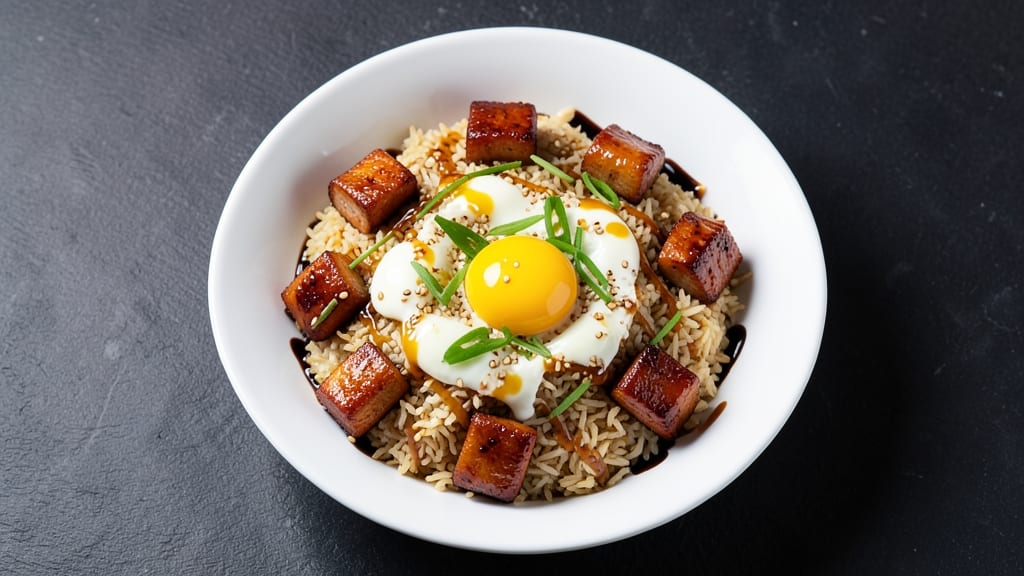
This char siu pork fried rice transforms leftover Cantonese BBQ pork into a smoky-sweet masterpiece with crispy rice and tender eggs. The secret lies in high-heat stir-frying—where wok hei (breath of the wok) creates that signature smoky aroma while keeping the rice perfectly separate and the pork bites caramelized.
I've perfected this technique after years of restaurant-style practice, and it delivers restaurant-quality results in your own kitchen.
What makes this recipe special is the balance of textures and flavors: crispy rice edges, silky scrambled eggs, and tender char siu pork that's sweet yet slightly smoky from the original marinade.
The sauce—just a touch of soy, sesame oil, and a splash of oyster sauce—ties everything together without overpowering the star ingredients. This isn't just fried rice; it's a flavor-packed meal that comes together in under 20 minutes with minimal prep.
Ingredients for char siu pork fried rice
Restaurant-quality char siu pork fried rice starts with these carefully selected ingredients for perfect texture and smoky-sweet balance.
| Ingredient | Amount | Notes |
|---|---|---|
| Char Siu Pork 🥩 | 1 ½ cups | Diced into 1-inch pieces, store-bought or homemade |
| Day-Old Cooked Jasmine Rice 🍚 | 4 cups | Cold and slightly dried for crispy edges |
| Large Eggs 🥚 | 4 whole | Fresh, room temperature for silky scrambling |
| Light Soy Sauce 🥄 | 2 tbsp | Kikkoman preferred for authentic flavor |
| Dark Soy Sauce 🥄 | 1 tbsp | For deeper color and umami |
| Sesame Oil 🫒 | 1 tbsp | Toasted, for aromatic finish |
| Oyster Sauce 🍲 | 1 tbsp | Lee Kum Kee for authentic Cantonese flavor |
| Garlic Cloves 🧄 | 4 cloves | Minced, for aromatic base |
| Scallions 🧅 | 4 whole | White and green parts, thinly sliced |
| Neutral Oil 🫒 | 3 tbsp | Avocado or vegetable oil for high heat |
| Sesame Seeds 🌾 | 1 tsp | Toasted, for garnish |
| Salt 🧂 | ½ tsp | Diamond Crystal kosher salt |
| White Pepper 🌶️ | ¼ tsp | Freshly ground for subtle heat |
The char siu pork is the star—store-bought from Asian markets delivers that authentic smoky-sweet flavor, but homemade works too if you've got the time. For the rice, day-old jasmine rice is non-negotiable; freshly cooked rice turns mushy. Look for Koshihikari or Calrose varieties at specialty stores—they hold up best. The eggs should be fresh and room temperature for that silky texture when scrambled. I always grab Kikkoman soy sauce for that classic umami punch, but any light soy will do in a pinch. The dark soy adds color without overpowering.
No char siu pork? Substitute leftover roast pork or even smoked ham, but increase the soy sauce by 1 tbsp to compensate for the lack of sweetness. Running short on jasmine rice? Basmati works in a bind, though it lacks the floral aroma. Fresh garlic and scallions are ideal, but dried garlic powder and scallion flakes work at half the amount. The sesame oil is crucial—never substitute vegetable oil for the finishing touch. For the oyster sauce, vegetarian oyster sauce works if you're avoiding seafood. And if you're missing the toasted sesame seeds, crushed peanuts or chopped cashews add a nice crunch instead.
This dish reheats beautifully—3-4 days in the fridge or 3 months frozen. Store in airtight containers with parchment between layers to prevent sticking. For best texture, reheat in a skillet with a splash of oil over medium heat. The char siu pork keeps well for 5 days refrigerated or 6 months frozen, so you can prep it ahead. I always make extra—leftover fried rice is perfect for lunchboxes or quick dinners.
Why You'll Love This Recipe
- I swear by this trick: just tear that char siu into bite-sized pieces—no knife skills required. The day-old rice sticks together perfectly when I toss it with the eggs and pork, and honestly? That’s half the battle won before I even hit the stove.
- No-Chop Necessary: I swear by this trick: just tear that char siu into bite-sized pieces—no knife skills required. The day-old rice sticks together perfectly when I toss it with the eggs and pork, and honestly? That’s half the battle won before I even hit the stove.
- Sweet-Savory Magic: Between us, the combo of light and dark soy sauce—plus that sticky, caramelized char siu—is chef’s kiss. The eggs add that creamy contrast, and the pork’s smoky-sweetness? It turns a simple rice bowl into something you’ll crave for days.
- Lunchbox Hero: Pack this for work or school—it reheats beautifully and tastes just as good cold. My kids actually ask for it in their bento boxes, and I’ve sent it to potlucks where it disappears faster than the veggie tray. (Yes, even on a Tuesday night.)
Step-by-step instructions for char siu pork fried rice
Here's the professional method to transform smoky char siu pork into a perfect fried rice dish.
Prepare the Char Siu Pork and Aromatics
Begin by cutting the 1.5 cups char siu pork into ½-inch cubes if they aren't already uniformly diced. This size ensures even cooking and maximum flavor distribution throughout the fried rice. In a small bowl, combine the 4 cloves minced garlic cloves, 4 whole scallions (thinly sliced), 1 tablespoon oyster sauce, 1 tablespoon dark soy sauce, and ½ teaspoon salt. Mix well to create your aromatic base.
Here's the thing—using both light and dark soy sauces separately is crucial. The dark soy sauce gives that signature deep color, while the light soy sauce adds the essential umami punch. For best results, let this mixture sit for 5 minutes while you prepare the eggs and heat your wok.
Scramble the Eggs Silky Smooth
Crack the 4 whole large eggs into a bowl and whisk vigorously until the yolks and whites are fully combined and the mixture is uniform in color. The eggs should be at room temperature for the best texture—this prevents rubbery scrambled eggs. Heat 1 tablespoon neutral oil in your wok or large skillet over medium-high heat until shimmering.
Pour the eggs into the hot oil and let them sit undisturbed for 10-15 seconds until the edges begin to set. Then, using a spatula, gently push the eggs from one side to the other, creating soft, silky curds. Remove the eggs from the wok and set aside on a plate—we'll add them back later to finish cooking.
Stir-Fry the Char Siu and Aromatics
Return the wok to medium-high heat and add the remaining 2 tablespoons neutral oil. Once the oil is hot and shimmering, add the char siu pork cubes and cook for 2-3 minutes until they're heated through and slightly caramelized. Add the garlic-scallion mixture and stir-fry for 30 seconds until fragrant—this is where all the aromatic flavors develop.
Here's where it gets critical: don't overcrowd the wok. If your pan is too full, the pork will steam instead of sear. Work in batches if needed, but aim to keep the heat high and the cooking time quick. The pork should maintain its vibrant color and slight caramelized edges.
Combine with Day-Old Rice and Season
Add the 4 cups day-old cooked jasmine rice to the wok in one motion, spreading it out evenly. Stir-fry for 1-2 minutes until the rice is heated through and begins to develop crispy edges. This is the moment that matters: the rice should be hot but not soggy. If it sticks, add 1 tablespoon neutral oil to help release it.
Pour in the 2 tablespoons light soy sauce, 1 tablespoon sesame oil, and ¼ teaspoon white pepper. Toss everything together vigorously for 1-2 minutes, letting the flavors meld. The sesame oil will add that distinctive nutty aroma, while the white pepper provides subtle heat without overpowering the dish.
Finish with Eggs and Garnish
Return the scrambled eggs to the wok and gently fold them into the rice mixture. Cook for an additional 30 seconds just to heat through. The eggs should be warm but still maintain their silky texture. Taste and adjust seasoning if needed—you might need a touch more light soy sauce for saltiness or a splash of water to loosen the rice if it's too dry.
Transfer the fried rice to serving plates and garnish immediately with 1 teaspoon toasted sesame seeds. The contrast of the toasted seeds against the vibrant rice creates visual appeal, and their nutty flavor complements the smoky char siu perfectly. Serve while hot for the best texture and flavor experience.
Pro Tips For Making Char Siu Pork Fried Rice
- CHOP PORK SMALL: Tiny, even pieces of char siu pork cook faster and soak up flavors better. Use kitchen shears or a sharp knife to cut into ½-inch cubes—no bigger than a pea. I used to leave chunks in there, thinking they’d caramelize nicely, but they just sit there like stubborn guests who won’t eat.
- PREP RICE RIGHT: Spread day-old jasmine rice on a tray and microwave it for 1-2 minutes to dry it out. Cold, clumpy rice steams instead of frying—you want it loose and slightly crisp at the edges. Sounds counterintuitive, but this is the thing that actually changes the texture from sad to chef’s kiss.
- SCRAMBLE EGGS SEPARATELY: Fry the eggs in a clean, dry pan first, then remove them to a plate. Adding them to the rice mix later keeps them soft and creamy instead of rubbery. I learned this the hard way after a batch turned out like eggy hockey pucks—no one wants that.
- SAUCE IN STAGES: Start with 1 teaspoon of light soy sauce when frying the rice, then add the rest (including dark soy for color) at the very end. Too much too soon makes the rice mushy. Dark soy should go in last—just a splash—to coat everything without overpowering. This is how you get that glossy, restaurant-style finish without drowning the dish.
Essential equipment for this dish
Wok Essentials
A carbon steel wok is my go-to for char siu pork fried rice—it heats up fast and develops that signature wok hei (breath of the wok) aroma. I use a 14-inch Made In wok from Amazon for its perfect balance of heat retention and even cooking.
For beginners, a non-stick skillet (like GreenPan) works in a pinch, though it lacks the same depth of flavor. 🔥
Heat Source Matters
Gas stoves are ideal for fried rice—they give you precise temperature control and that quick, high-heat response. If you're on electric, a griddle attachment helps mimic gas burners. I avoid induction unless using a flat-bottomed wok, as uneven heating can ruin your rice texture.
Pro tip: Keep your wok clean—season it regularly with oil to prevent rust and improve heat conduction.
Essential Tools
You'll need a wide spatula (I love OXO's silicone-coated version) for tossing rice without sticking, and a sharp chef's knife for quick chopping. A fine-mesh strainer helps drain excess oil from the pork if you're using pre-cooked slices.
For egg scrambling, a small ladle gives you better control than a spatula. Don't forget a wooden spoon for stirring aromatics—it prevents scorching better than metal.
Optional Upgrades
A wok lid helps contain heat and speed up cooking, while a wok ring elevates it for better airflow. For serious cooks, a thermometer (like ThermoWorks One) ensures your oil reaches 350°F before adding ingredients.
I also keep a small bowl nearby for tossing aromatics, as it keeps everything organized during the stir-fry process. These extras make a world of difference for restaurant-quality results. ✨
Nutrition facts
Frequently asked questions
Why does my char siu pork fried rice turn out mushy?
Freshly cooked rice contains too much moisture—always use day-old jasmine rice that's been refrigerated overnight. Spread it on a tray to dry slightly before cooking. Also, avoid overcrowding the wok; cook in batches if needed to maintain high heat for crispy edges.
Can I make this with regular pork instead of char siu?
Yes, but you'll need to adjust flavors. Use boneless pork shoulder marinated in a mix of 1 tbsp soy sauce, 1 tbsp honey, 1 tsp five-spice powder, then pan-sear until caramelized. Increase the soy sauce in the fried rice by 1 tbsp to compensate for the lack of sweetness.
How do I prevent the eggs from getting rubbery?
Use fresh, room-temperature eggs and whisk them vigorously until fully combined. Cook over medium-high heat until just set, then remove immediately. Add them back at the very end to warm through—don't overcook! The key is silky, not firm, texture.
What's the best way to reheat leftovers?
Sprinkle 1 tsp oil over cold fried rice and heat in a skillet over medium heat for 3-4 minutes, stirring occasionally. Add 1 tsp water if too dry. Microwaving works but loses the crispy texture—always reheat in a pan for best results.
Can I add vegetables to this recipe?
Try shredded carrots, peas, or chopped water chestnuts—they add texture and color. Stir-fry veggies separately first, then mix into the rice at the end. For extra flavor, toss them with ½ tsp soy sauce before adding. Just don't overcrowd the wok!