
Main Courses
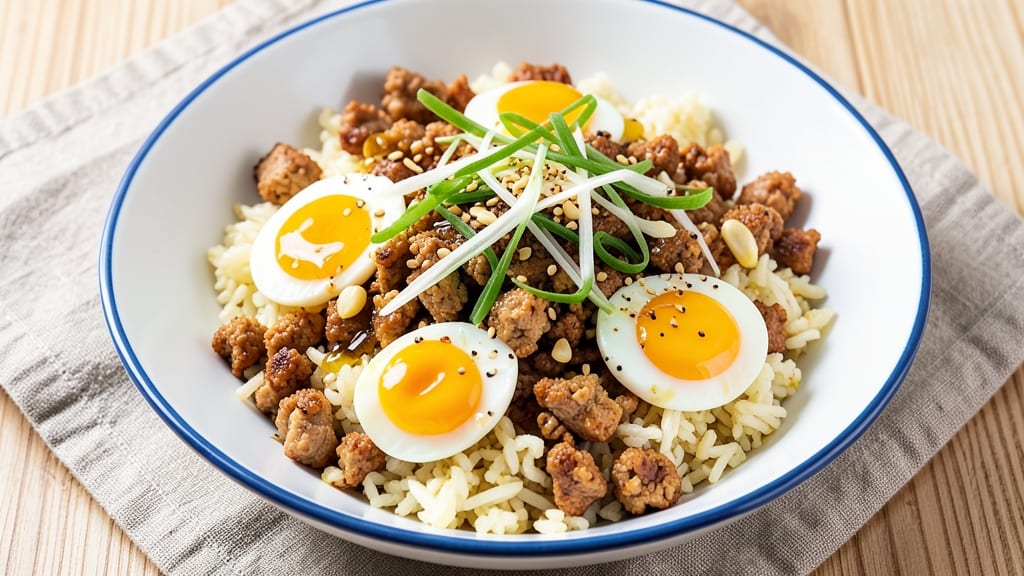
This cauliflower pork fried rice recipe delivers restaurant-quality texture—crispy rice and juicy pork bites—without sacrificing flavor. The secret lies in high-heat stir-frying and a balance of savory, umami-packed ingredients that transform simple cauliflower rice into a satisfying, protein-rich meal.
Whether you're adapting for low-carb diets or simply craving a lighter take on fried rice, this method ensures every bite is packed with texture and depth.
Perfect for weeknight dinners or meal prep, this recipe combines tender pork, crispy cauliflower rice, and aromatic seasonings for a dish that’s both comforting and nutritious. The key steps—properly searing the pork and achieving the right rice texture—make all the difference.
With just 20 minutes of active time, you’ll have a meal that feels indulgent yet aligns with healthier eating goals.
Ingredients for cauliflower pork fried rice
High-quality pork and crispy cauliflower rice transform this low-carb fried rice into a restaurant-worthy dish.
| Ingredient | Amount | Notes |
|---|---|---|
| Ground Pork 🐖 | 1 lb | 90% lean or leaner for juiciness |
| Fresh Cauliflower Rice 🥬 | 4 cups | Riced fresh or pre-riced bagged |
| Large Eggs 🥚 | 2 whole | Room temperature for even cooking |
| Green Onions 🧅 | ½ cup | White and green parts, sliced |
| Garlic Cloves 🧄 | 4 cloves | Minced for aromatic depth |
| Sesame Oil 🫒 | 1 tbsp | Toasted sesame oil preferred |
| Soy Sauce 🍶 | ⅓ cup | Low-sodium preferred for balance |
| Oyster Sauce 🍜 | 2 tbsp | Vegetarian substitute if needed |
| Vegetable Oil 🫒 | 3 tbsp | High smoke point for frying |
| Salt 🧂 | 1 ½ tsp | Diamond Crystal kosher salt |
| Black Pepper 🌶️ | ½ tsp | Freshly ground for brightness |
| White Pepper 🌶️ | ¼ tsp | For subtle heat |
| Fresh Ginger 🌿 | 1 tbsp | Grated finely for zing |
| Sesame Seeds 🌰 | 1 tsp | Toasted for garnish |
The pork cut matters here—ground pork with at least 10% fat ensures juicy bites. Whole Foods or local butchers often carry higher-quality cuts than standard grocery stores. For cauliflower rice, freshly riced is ideal—it crisps better than pre-shredded bags. If using frozen, thaw and pat completely dry before cooking. The eggs should be room temperature for even cooking, so take them out 15 minutes before starting. Sesame oil adds depth, but toasted sesame oil from Trader Joe's or Asian markets elevates the flavor significantly.
No oyster sauce? Vegetarian oyster sauce or extra soy sauce works in a pinch. Fresh ginger loses potency quickly, so buy it whole and grate only what you need. The green onions should be white and green parts—discard any wilted ends. For extra crispiness, double the cauliflower rice and stir-fry in batches. The pork can be pre-cooked and chilled overnight for easier handling. If you prefer less heat, reduce the white pepper to 1/4 teaspoon or omit entirely.
Cauliflower rice crisps best when cooked immediately after ricing—don't soak it. Store leftovers in airtight containers for 3-4 days, but the texture degrades after the first day. For meal prep, freeze portions in single servings—they reheat well but may lose some crispiness. The sesame seeds should be toasted in a dry pan for 30 seconds before garnishing to maximize their nutty flavor. This dish reheats beautifully—microwave with a splash of water for best results.
Why You'll Love This Recipe
- No Rice, No Problem: I keep a bag of fresh cauliflower rice in the freezer just for this—no chopping, no soaking, and it cooks in minutes. The texture? Light and tender, like a cloud that somehow holds its shape.
- Garlic-Pork Magic: That moment when the ground pork hits the pan with garlic and green onions? Pure savory euphoria. The pork stays juicy, the garlic caramelizes just enough, and the eggs? Perfectly runny in the center—like a little surprise at every bite.
- Lunchbox Hero: Pack it cold or reheat it hot—this keeps better than regular fried rice. My kids grab it for school lunches, and honestly? It’s the only thing they’ll eat after soccer practice. (Yes, even on a Tuesday night.)
- Budget Meal, Big Payoff: Ground pork is cheaper than steak, cauliflower rice cuts carbs without sacrificing flavor, and a dozen eggs stretch farther than you’d think. I make this twice a week and still have cash left for takeout—when I want it.
Step-by-step instructions for crispy cauliflower pork fried rice
Master this technique for perfectly crisp cauliflower rice and tender pork bites every time.
Prepare the Pork and Aromatics
In a large mixing bowl, combine the 1 lb ground pork with 1.5 tsp salt, 0.5 tsp black pepper, 0.25 tsp white pepper, and 1 tbsp grated fresh ginger. Use your hands to break up the pork into small, even crumbles—this ensures quick, even cooking and maximum surface area for flavor absorption. Set aside while you prepare the aromatics.
In a separate small bowl, mix the 4 cloves minced garlic cloves and 0.5 cup sliced green onions (white and green parts separated). The garlic should be finely minced—almost paste-like—to distribute flavor evenly throughout the dish. Keep these separate for now; we'll add them at different stages for optimal texture and flavor development.
Cook the Pork to Juicy Perfection
Heat 2 tbsp vegetable oil in a large, non-stick skillet or wok over medium-high heat until shimmering. Add the seasoned pork in small batches, pressing down gently with a spatula during the first 30 seconds of cooking. This prevents curling and ensures even contact with the pan. Cook undisturbed for 2-3 minutes until the pork loses its raw color and becomes light golden brown—this indicates proper doneness while maintaining juiciness.
Transfer the cooked pork to a plate and set aside. If needed, add another 1 tbsp vegetable oil to the pan to maintain proper heat for the next steps. The pork should be cooked through but still retain moisture—overcooking at this stage leads to dry, tough bites. The residual fat in the pan will serve as the flavor base for the entire dish.
Create the Egg and Aromatic Base
Return the skillet to medium heat and add the remaining 1 tbsp vegetable oil. Pour in the 2 whole room-temperature eggs and let them sit undisturbed for 5-7 seconds until the edges begin to set. Using a spatula, gently scramble the eggs into soft, peanut butter-like curds—this texture creates a creamy base that coats the rice beautifully. Remove the eggs and set aside with the pork.
In the same pan, add the 4 cloves minced garlic and cook for 30 seconds until fragrant but not browned. Immediately add the white parts of the 0.5 cup green onions and stir for 15 seconds until softened. This quick cooking preserves their bright color and crisp texture. Remove the aromatics and set aside with the pork and eggs.
Sauté the Cauliflower Rice for Crispy Texture
Wipe out the skillet with a paper towel to remove any excess fat. Return it to medium-high heat and add the remaining 1 tbsp vegetable oil. Add the 4 cups fresh cauliflower rice in a single layer, spreading it evenly across the pan. Cook undisturbed for 3-4 minutes until the edges begin to brown and crisp—this is the secret to achieving that perfect texture.
Stir the cauliflower rice gently with a spatula, breaking up any large clumps. Continue cooking for another 2-3 minutes until the rice is golden brown in spots and slightly crisp around the edges. The rice should be tender but still retain some bite—overcooking turns it mushy. If the rice begins to stick, add a splash of water and scrape up any browned bits from the bottom of the pan.
Combine and Finish with Sauce
Return all the pork, eggs, and green onion whites to the skillet with the cauliflower rice. Add the 0.33 cup soy sauce, 2 tbsp oyster sauce, and 1 tbsp sesame oil. Using tongs or a spatula, gently fold everything together for 1-2 minutes until the rice is evenly coated and heated through.
Taste and adjust seasoning if needed—you may need a pinch more salt or a splash of water to achieve the perfect balance of umami and moisture. The dish should be vibrant, with crispy rice, juicy pork bites, and a glossy sauce. Garnish with the remaining green onion greens and 1 tsp toasted sesame seeds just before serving to add freshness and texture contrast.
Pro Tips For Making Cauliflower Pork Fried Rice
- PREP CAULIFLOWER FIRST: Squeeze the fresh cauliflower rice hard in a clean kitchen towel before cooking—it removes excess moisture that turns your fried rice soggy. I used to skip this and ended up with a mushy pile; now I do it immediately after grating, even if it feels like overkill.
- COOK PORK LOW AND SLOW: Brown the ground pork on medium-low heat until fully cooked through, breaking it into tiny pieces with a wooden spoon. High heat makes it rubbery; I learned this after a batch tasted like chewy pork bits instead of tender, flavorful crumbles.
- SCRAMBLE EGGS SEPARATELY: Fry the eggs in a clean, dry pan first—no pork fat leftovers—until just set, then remove them. Mixing them in later risks overcooking, and you’ll end up with dry, stringy eggs instead of creamy curds. (Yes, it’s an extra step, but it’s worth it.)
- STIR-FRY IN BATCHES: Divide the cauliflower rice into two pans if needed—overcrowding steams it instead of searing. I used to toss everything in at once and got limp, pale florets; now I cook half, then the other, keeping the heat high the whole time.
Common mistakes when making this dish
Overcooking the Pork
One of the biggest mistakes is overcooking the pork, which turns it dry and tough. The pork should be cooked just until it loses its raw color—about 2-3 minutes over medium-high heat.
I’ve seen people walk away from the stove or underestimate the cooking time, leading to rubbery bites. Keep an eye on it and remove it as soon as it’s lightly browned. 🌡️
Skipping the Resting Step
After cooking the pork, let it rest for 2-3 minutes before mixing it back into the rice. This allows the juices to redistribute, keeping the meat tender.
I’ve rushed this step before and ended up with dry pork—don’t make that mistake! It’s a small pause that makes a huge difference in texture.
Underseasoning the Rice
The cauliflower rice needs seasoning just like regular rice. Many people forget to salt it before cooking, which leaves the dish bland. Sprinkle ½ teaspoon salt over the cauliflower rice before stir-frying to enhance its natural flavor.
Taste as you go—you can always add more soy sauce later, but you can’t fix underseasoned rice by adding salt after cooking. 🧂
Crowding the Pan
Overfilling your pan causes steaming instead of crisping. Cook the cauliflower rice in batches if needed—this ensures it gets that golden, crispy texture. I’ve made the mistake of trying to rush it all at once, and the result was sad, soggy rice.
A crowded pan also makes it harder to stir evenly, leading to uneven cooking. Work in layers!
Adding Wet Ingredients Too Early
Introducing sauces or water before the cauliflower rice is fully cooked will steam it instead of crisping it. Save the soy sauce and oyster sauce for the final 1-2 minutes of cooking.
I’ve learned this the hard way—adding sauce too soon turns the rice mushy. Build flavor layer by layer for the best results.
Ignoring the Egg Texture
Scrambling the eggs too aggressively creates dry, grainy curds that don’t coat the rice well. For the creamiest base, scramble them into soft, peanut butter-like curds. Remove them from the pan as soon as they’re just set—overcooking makes them rubbery.
This step is the secret to that restaurant-quality texture we all crave! 🥚
Nutrition facts
Frequently asked questions
Can I use pre-riced cauliflower instead of fresh?
Yes, but with a few adjustments! Pre-riced cauliflower often has more moisture, so pat it completely dry with a towel before cooking. For extra crispiness, spread it in a single layer on a baking sheet and broil for 2-3 minutes at 400°F before stir-frying. This mimics the texture of fresh riced cauliflower.
How do I make this recipe gluten-free?
Use a tamari or gluten-free soy sauce, and ensure your oyster sauce is also gluten-free. Double-check sesame oil labels for gluten cross-contamination warnings. The rest of the ingredients are naturally gluten-free, so this swap keeps the dish safe for gluten-sensitive diets without sacrificing flavor.
Can I prep this ahead of time?
Cook the pork and eggs completely, then refrigerate in an airtight container for up to 2 days. Reheat in the pan with a splash of water to restore moisture. For the cauliflower rice, cook it fresh before combining—it loses crispiness when stored. Assemble everything just before serving for the best texture.
What's the secret to crispy cauliflower rice?
High heat and minimal stirring are key! Use a wok or non-stick skillet over medium-high heat and cook the rice undisturbed for 3-4 minutes before stirring. The Maillard reaction creates those golden, crispy edges. Avoid overcrowding—work in batches if needed. A splash of water can help release stuck bits without steaming the rice.
Can I add vegetables to this recipe?
Try adding ½ cup diced bell peppers or ½ cup snap peas with the green onions—they cook quickly and add color. For heartier veggies like broccoli or carrots, cut them small and stir-fry separately before combining. Just be mindful of cooking times to avoid soggy additions.