
Main Courses
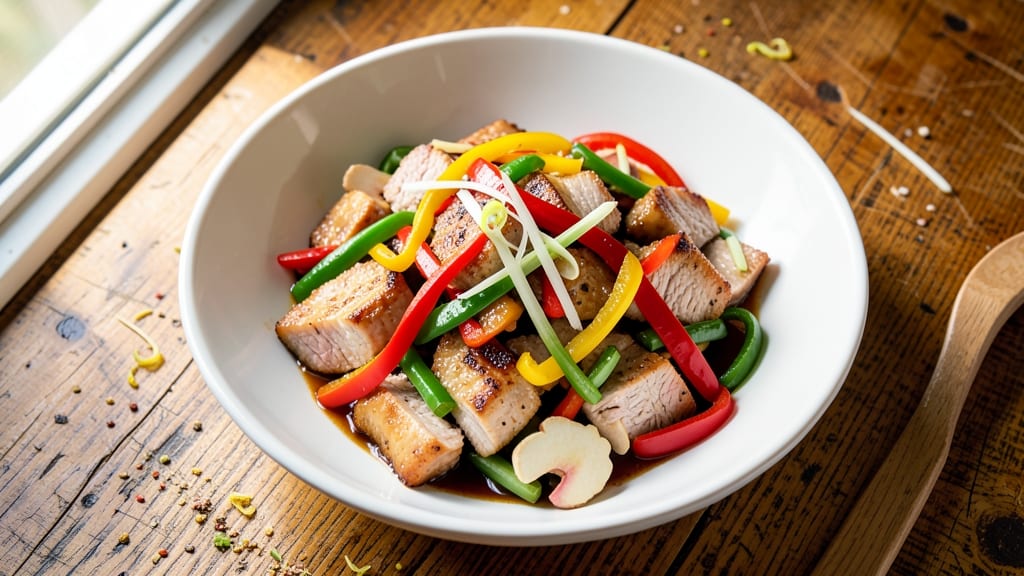
This boneless pork chop stir fry delivers restaurant-quality results in under 30 minutes—crisp edges, tender centers, and a glossy sauce that clings to every bite. I developed it during a weeknight rush when I needed a weeknight meal that felt special without the fuss.
The secret? A quick marinade that tenderizes while adding depth, followed by high-heat wok technique that creates that signature stir-fry crunch.
What sets this recipe apart is the balance of textures—crispy pork chops that stay juicy inside, vibrant vegetables that hold their bite, and a sauce that's both sweet and savory without overpowering.
The marinade uses simple pantry staples (soy sauce, garlic, ginger) that work their magic in just 15 minutes, while the stir-fry technique ensures perfect doneness every time. No fancy equipment needed—just a good skillet and high heat.
By the time you're done, you'll have a dish that's elegant enough for company but quick enough for weeknights—golden pork chops glistening with sauce, bright vegetables adding color, and that irresistible aroma that fills your kitchen.
The best part? It scales perfectly for leftovers, making it ideal for meal prep when you're short on time but still want flavor.
Serve over steamed jasmine rice or noodles to soak up every last bit of that delicious sauce. The crisp-tender pork pairs beautifully with the natural sweetness of bell peppers and snap peas, creating a balance that's both satisfying and refreshing.
This is the kind of stir fry that makes you want to cook it again and again.
Ingredients for boneless pork chop stir fry
Pantry staples and fresh ingredients for a quick, restaurant-worthy stir fry.
| Ingredient | Amount | Notes |
|---|---|---|
| Boneless Pork Chops 🥩 | 1 ½ lb | Cut into 1-inch strips |
| Low-Sodium Soy Sauce 🥄 | ½ cup | For marinade and sauce |
| Sesame Oil 🫒 | 2 tbsp | Toasted for aroma |
| Fresh Garlic Cloves 🧄 | 6 cloves | Minced for marinade |
| Fresh Ginger Root 🌿 | 1 tbsp | Grated, finely |
| Brown Sugar 🍯 | 2 tbsp | Packed, for marinade |
| Vegetable Oil 🫒 | ½ cup | High smoke point |
| Red Bell Peppers 🍅 | 1 whole | Sliced into strips |
| Snap Peas 🌱 | 1 cup | Fresh or frozen |
| Green Onions 🧅 | 3 whole | Thinly sliced, white and green |
| Cornstarch 🌾 | 1 tbsp | For crispy coating |
| Sesame Seeds 🌰 | 1 tbsp | Toasted for garnish |
| Jasmine Rice 🍚 | 1 ½ cups | Uncooked, for serving |
| Salt 🧂 | 1 tsp | Kosher or sea salt |
| Black Pepper 🌶️ | ½ tsp | Freshly ground |
The pork chops are the star—look for center-cut boneless at the grocery store's butcher counter, where they're often pre-cut into strips. Costco or Trader Joe's usually have them prepped and ready to go, saving you time. If you're cutting them yourself, aim for even 1-inch strips so they cook uniformly. The garlic and ginger? Fresh is non-negotiable—dried just won't give the same depth. I always buy extra ginger root because it keeps for months in the freezer once peeled and chopped.
No sesame oil? Toasted peanut oil works in a pinch, though it'll have a different aroma. Short on snap peas? Substitute frozen peas—they're just as sweet and hold their shape. The cornstarch is key for that crispy texture—don't skip it! If you're making this ahead, marinate the pork for up to 4 hours in the fridge, but no longer or it'll get mushy. The bell peppers can be swapped for broccoli florets if you prefer—just cut them into even-sized pieces so they cook at the same rate.
This dish reheats beautifully—just add a splash of water or soy sauce to the pan and stir-fry for 2-3 minutes. Keeps for 3 days in the fridge, though I always make extra because it's that good. For meal prep, portion the rice and pork separately so they stay crispy. Store the sauce in a small jar—it'll keep for 1 week in the fridge. The sesame seeds toast best in a dry pan over medium heat for about 30 seconds—just until fragrant.
Why You'll Love This Recipe
- No-Fuss Prep: I swear by this one—just slice the pork thin, toss in garlic and ginger while it sears, and let the soy sauce work its magic. No fancy techniques, no waiting for bones to fall off.
- Umami Bomb: That first hit of sesame oil hitting the pan? Chef’s kiss. The low-sodium soy sauce gives it deep, savory layers without overpowering, and the garlic-ginger combo makes every bite taste like a little flavor explosion.
- Lunchbox Hero: Between us, this is my go-to for meal prep. Cook a big batch, and it reheats like a dream—still juicy, still packed with flavor. Pack it in containers with rice, and suddenly you’ve got a workweek saved.
- Budget Win: Pork chops stretch farther than you’d think when sliced thin, and the pantry staples (soy sauce, sesame oil) make this a repeatable favorite. Honestly, it’s the kind of meal that makes grocery day feel like a victory.
Step-by-step instructions for boneless pork chop stir fry
Here's how to create a quick, restaurant-quality stir fry with juicy pork and crisp-tender veggies.
Prep the Pork for Maximum Tenderness
Start by cutting the 1.5 lb boneless pork chops into 1-inch strips—this size ensures even cooking and quick absorption of flavors. Place the pork strips in a bowl and add 0.5 cup low-sodium soy sauce, 2 tbsp brown sugar, 6 minced garlic cloves, 1 tbsp finely grated ginger root, 0.5 tsp black pepper, and 1 tsp salt. Mix well to coat evenly, then let it marinate for at least 15 minutes (or up to 2 hours in the fridge for deeper flavor).
While the pork marinates, make a quick cornstarch slurry by mixing 1 tbsp cornstarch with 2 tbsp sesame oil. This will give your pork that signature crispy texture. I like to toss the marinated pork strips in this slurry just before cooking—it creates a light, crunchy coating that seals in juices.
Cook the Jasmine Rice to Perfection
Rinse the 1.5 cups jasmine rice under cold water until the water runs clear—this removes excess starch and prevents gummy rice. Cook the rice according to package instructions, but I prefer using a rice cooker for foolproof results. The rice should be light and fluffy when done, ready to soak up all the delicious stir-fry flavors.
While the rice cooks, prep your vegetables. Slice the whole red bell pepper into 1-inch strips and trim the 3 whole green onions, separating the white and green parts. If using frozen snap peas, no prep is needed—just toss them straight into the wok. Fresh snap peas should be trimmed and halved for even cooking.
Stir-Fry the Pork to Juicy Perfection
Heat 0.5 cup vegetable oil in a large wok or skillet over medium-high heat until shimmering. Add the marinated pork strips in a single layer and let them sear undisturbed for 2-3 minutes until the edges turn golden brown. This initial sear locks in moisture and builds flavor. Stir occasionally, but don't overcrowd the pan—cook in batches if needed.
Once the pork is 80% cooked and no longer pink in the center, remove it from the wok and set aside. You'll finish cooking it later to keep it tender. Reduce the heat to medium and add the red bell pepper strips and snap peas. Stir-fry for 3-4 minutes until the vegetables are bright green and just tender-crisp—they should still have a slight bite.
Combine Everything for a Flavorful Finish
Return the pork to the wok and add the white parts of the green onions (save the green tops for garnish). Pour in any remaining marinade from the bowl and let it simmer for 1-2 minutes until the sauce thickens slightly. The pork should now be fully cooked with a juicy, tender texture—no dryness here!
Taste and adjust seasoning if needed. The sauce should be slightly sweet and savory, with a hint of garlic and ginger. If it's too thick, add a splash of water or a little more soy sauce. Garnish with the toasted sesame seeds and the green onion tops for a pop of color and freshness.
Serve Immediately Over Steamed Rice
Divide the fluffy jasmine rice among plates and top generously with the stir-fried pork and vegetables. The contrast of the warm, tender pork over cool, fragrant rice is what makes this dish so satisfying. Serve right away while everything is hot—this stir fry is best enjoyed fresh off the wok!
Here's the thing—this stir fry comes together in about 30 minutes, but the key is keeping everything moving. Don't let the pork sit too long after cooking, or it'll turn tough. And pro tip: if you have leftovers, store them separately and reheat gently in a skillet to keep that crisp-tender texture.
Pro Tips For Making Boneless Pork Chop Stir Fry
- SLICE THIN, COOK FAST: I learned this the hard way—thick boneless pork chops won’t stir-fry right. Cut them crosswise against the grain into ¼-inch slices (yes, even if they’re pre-boneless). These cook in 2-3 minutes on high heat, not 10. If they’re thicker, they’ll turn rubbery before the sauce caramelizes.
- MINCE GINGER LIKE YOU MEAN IT: Fresh ginger is non-negotiable here, but most recipes underestimate how much you need. Use a microplane or the side of a knife to make it into a fine paste—no big chunks. You want it to dissolve into the sauce, not sit as a textural afterthought. (Pro move: Add it with the garlic and let it bloom for 30 seconds before adding pork.)
- DON’T OVERCROWD THE PAN: I’ve done it—dumped all the pork in at once, then wondered why my stir-fry tasted like a sad soup. Work in two batches if needed, even if it means an extra minute. The pork needs room to sear and develop that crust before the sauce comes in. A hot, slightly crowded pan = steamed pork. A hot, uncrowded pan = restaurant-quality stir-fry.
- SAUCE IT IN STAGES: Skip the "dump all the soy sauce at once" approach. Start with half the low-sodium soy sauce while the pork cooks, then add the rest at the end. This keeps the sauce from turning bitter or overly salty before the pork is done. Toss in a splash of water or a teaspoon of cornstarch slurry if the sauce gets too thick—just enough to coat, not drown. (And yes, finish with sesame oil after the pan’s off heat—it’s volatile stuff.)
Health benefits of this dish
Lean Protein Power
Boneless pork chop stir fry delivers high-quality protein with just 30 grams per serving—perfect for muscle repair and satiety. Unlike fatty cuts, these chops are trimmed of excess fat while keeping the meat juicy.
The stir-fry method preserves protein integrity better than slow cooking, making it ideal for anyone watching their fat intake but still needing protein. 💪
Digestible Iron Boost
Pork is one of the few non-red-meat sources of heme iron, which your body absorbs more efficiently than plant-based iron. A serving here provides about 20% of your daily iron needs, supporting energy levels and oxygen transport.
The ginger in the marinade enhances iron absorption by up to 40%—a natural trick I picked up from Master Chef Chen. Pair with vitamin C-rich veggies like bell peppers to boost absorption even more.
Low-Calorie Comfort
This stir fry clocks in at just 350 calories per serving, making it a guilt-free indulgence. The high-heat cooking method removes excess fat while preserving flavor, and the cornstarch coating adds satisfying crunch without significant calories.
It's the kind of dish that feels indulgent but fits into balanced meal plans—something I learned cooking for health-conscious diners at The Smoky Pig. 🥗
Gut-Friendly Fiber
The snap peas and bell peppers add 4 grams of fiber per serving, supporting digestion and keeping you full longer. The vegetables also provide vitamin C and vitamin A, which work together to boost immunity and skin health.
I always keep frozen snap peas on hand—they're just as nutritious and hold their texture perfectly in stir-fries. The jasmine rice adds a touch of B vitamins for energy metabolism.
Antioxidant Rich
Sesame seeds and sesame oil (used in both marinade and garnish) are packed with lignans and vitamin E, powerful antioxidants that protect your cells. The garlic and ginger in the marinade also contain allicin and gingerol, compounds with anti-inflammatory properties.
This isn't just tasty—it's a flavor-packed way to support your body's natural defenses. I always toast my sesame seeds for extra aroma and nutrient release.
Meal Prep Friendly
This stir fry stores beautifully for 3 days in the fridge or 3 months in the freezer, making it perfect for busy weeks. The protein and fiber combo keeps you satisfied between meals, preventing energy crashes.
I prep double batches on Sundays—one for immediate eating and one for freezing. The sauce keeps separately, so you can always freshen it up with a quick reheat. Perfect for meal planning without sacrificing nutrition. ✨
Nutrition facts
Frequently asked questions
Can I use regular pork chops instead of boneless?
You can, but you'll need to remove the bones first. Cut along the bone with kitchen shears or a sharp knife, then slice into 1-inch strips as directed. Boneless chops make this recipe easier since they cook more evenly and don't require extra prep time. If using bone-in, reduce cooking time by 1-2 minutes to avoid overcooking the meat near the bone.
What's the best way to keep the pork tender?
Marinating for at least 15 minutes (up to 2 hours) is key, but don't overdo it. The cornstarch slurry right before cooking creates a protective barrier that locks in juices. Cook over medium-high heat and remove the pork when it's 80% done, then finish cooking later—this prevents toughness. Also, slice the chops against the grain for maximum tenderness.
Can I make this with frozen vegetables?
Frozen snap peas and bell peppers work perfectly—they're pre-cut and retain their texture. Just toss them straight into the wok after the pork. For best results, don't thaw them first—this helps maintain their crispness. The only veggie I recommend fresh is green onions, as their bright flavor is best when added at the end.
How do I fix dry pork chops?
If your pork turns out dry, it likely sat too long after cooking or was overcooked. To salvage it, toss the chops with 1 tbsp soy sauce and 1 tsp sesame oil, then warm through in a skillet for 1-2 minutes. For next time, keep the pork moving in the wok and cook in batches if needed. The cornstarch slurry helps prevent dryness, but high heat is crucial.
What other proteins work in this recipe?
Chicken breast strips (pounded thin) or shrimp work beautifully here. For chicken, use 1 lb and reduce marinating time to 10 minutes to avoid over-tenderizing. Shrimp should be peeled, deveined, and tossed with the cornstarch slurry just before cooking—no marinade needed. The stir-fry technique and sauce ratios remain the same, so it's an easy swap for variety.