
Side Dishes
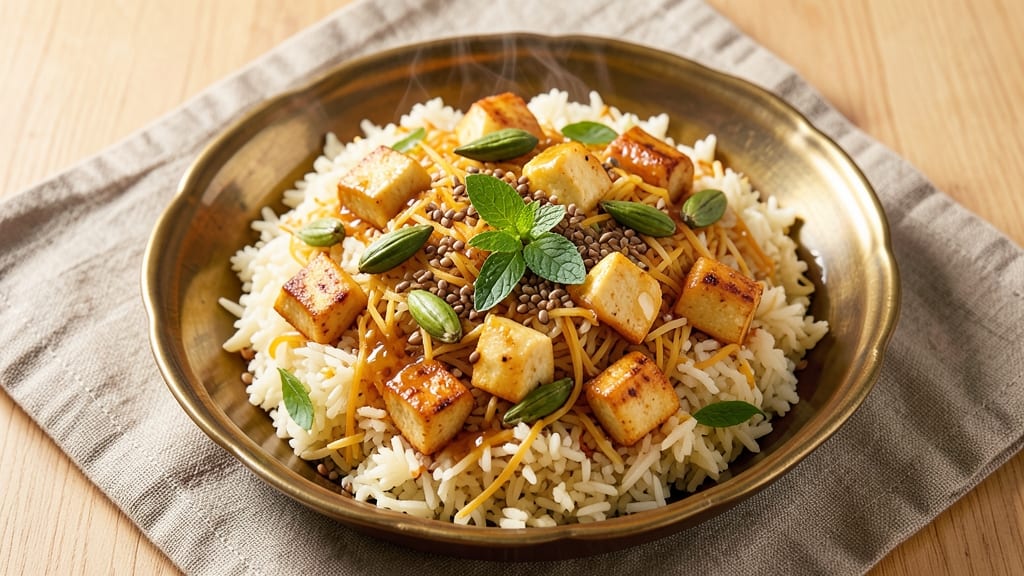
This cauliflower rice biryani transforms a simple side into a fragrant, spice-packed centerpiece that rivals traditional rice dishes. The secret lies in perfectly parboiled cauliflower rice layered with aromatic basmati, tender paneer, and a tempering of whole spices that infuse every bite with warmth.
I developed this recipe to create a lighter yet equally satisfying biryani that delivers restaurant-quality depth without the heavy carbs.
The process begins with preparing the cauliflower rice just right—parboiling it until tender yet still holding its shape, then layering it with basmati rice, paneer, and a blend of fragrant spices.
The tempering, where whole spices are toasted in ghee, creates that signature biryani aroma that fills your kitchen and makes your mouth water. This one-pot method ensures minimal cleanup while delivering maximum flavor, making it perfect for both weeknight dinners and special occasions.
What you'll end up with is a dish that's vibrant in color and rich in flavor—golden cauliflower rice with tender paneer, speckled with toasted nuts and fresh herbs.
The saffron-infused layers create a delicate aroma that's both comforting and sophisticated, while the spices deliver a perfect balance of heat and sweetness. Each bite offers a mix of textures: the slight crunch of nuts, the creaminess of paneer, and the fluffy yet firm cauliflower rice.
This recipe is naturally vegetarian but can easily be adapted for vegan diets by substituting paneer with marinated tofu or additional vegetables. The beauty of biryani lies in its customization—swap in your favorite spices, proteins, or vegetables while maintaining the essential technique of layering and slow cooking.
Let's create this fragrant, spice-packed masterpiece that will impress even the most discerning palates.
Ingredients for cauliflower rice biryani
Fragrant spices, golden cauliflower rice, and saffron-infused layers create a vegetarian masterpiece that rivals traditional biryani.
| Ingredient | Amount | Notes |
|---|---|---|
| Fresh Cauliflower 🥬 | 1 lb | Riced finely, stems removed |
| Basmati Rice 🌾 | 1 cup | Uncooked, long-grain preferred |
| Paneer 🧀 | 8 oz | Fresh, cubed into bite-sized pieces |
| Saffron Threads 🌼 | ⅛ tsp | High-quality, soaked in 2 tbsp warm water |
| Ghee 🧈 | ½ cup | Clarified butter, for tempering |
| Whole Green Cardamom Pods 🌿 | 6 whole | Lightly crushed for aroma |
| Bay Leaves 🍃 | 2 whole | Fresh, for tempering |
| Cinnamon Sticks 🌳 | 2 whole | 1-inch pieces, lightly toasted |
| Cloves 🌶️ | 4 whole | Whole, for tempering |
| Cashew Nuts 🥜 | ¼ cup | Toasted until golden |
| Fresh Cilantro 🌿 | ¼ cup | Chopped, for garnish |
| Fresh Mint Leaves 🍃 | ¼ cup | Chopped, for garnish |
| Ground Cumin 🌶️ | 1 tsp | Toasted for deeper flavor |
| Turmeric Powder 🧂 | ½ tsp | Freshly ground preferred |
| Garam Masala 🌶️ | 1 tsp | Homemade or store-bought |
| Salt 🧂 | 1 ½ tsp | Diamond Crystal preferred |
| Lemon Juice 🍋 | 2 tbsp | Freshly squeezed |
The cauliflower is the star here—freshness matters. Grab a head with tight florets and vibrant color from Whole Foods or your local Indian market. For basmati rice, Tilda or India Gate brands are my go-to—they stay fluffy and separate. Paneer should be firm, not crumbly, and Amul or Gowardhan are reliable choices. Saffron is pricey, so buy it in small quantities from Penzeys or specialty spice shops. Ghee? Gujarat or Patanjali brands are widely available and add that authentic richness. Toast your whole spices (cardamom, cinnamon, cloves) in a dry pan until fragrant—this unlocks their full aroma.
No saffron? Turmeric plus a pinch of paprika mimics the golden hue, though it won't have that floral note. Paneer too pricey? Marinated tofu or extra cauliflower works beautifully. Short on ghee? Olive oil or coconut oil in a pinch, though ghee's higher smoke point is ideal. The cashews can be swapped for peanuts or almonds, but toast them first. Fresh herbs? Dried cilantro at half the amount gets you close. For the rice, if you can't find basmati, jasmine rice works in a bind—just rinse it thoroughly to remove excess starch. The lemon juice brightens everything up, so don't skip it.
Prep ahead to save time: soak the saffron in warm water, toast your nuts and spices, and cube the paneer. The biryani reheats beautifully—3-5 minutes in the microwave with a damp paper towel over it keeps it moist. Stores for 3 days in the fridge or 2 months frozen. I always make a double batch—one for dinner, one for lunches. The flavors deepen overnight, so leftovers taste even better. Garnish with fresh herbs right before serving to keep them vibrant.
Why You'll Love This Recipe
- No Rice Burnout: I swear by this when I’m tired of the same old grains—cauliflower rice soaks up all those biryani spices like a dream, and you still get that satisfying texture. Plus, the rice-to-cauliflower swap cuts prep time in half (no rinsing, no soaking).
- Saffron Magic: That first pinch of ghee and saffron threads? Instant luxury. I’ll be real: it’s the one ingredient that makes this feel like a restaurant dish, not a weeknight hack. The paneer adds this creamy contrast that balances the heat perfectly.
- Lunchbox Hero: Between us, this is my go-to for meal prep—holds up for days in containers, reheats like a charm, and my kids actually eat it. Pack it with roasted veggies or a fried egg on top, and suddenly lunch is exciting again.
- Budget-Friendly Feast: Cauliflower stretches the rice, so you’re feeding a crowd without breaking the bank. I’ve made this for 6 people for under $10, and honestly? No one ever guesses it’s not the traditional version. Leftovers taste just as good the next day.
Step-by-step instructions for cauliflower rice biryani
Here's how to create a fragrant, spice-packed biryani that's lighter yet equally satisfying.
Prepare the Cauliflower Rice and Paneer
Begin by ricing the 1 lb fresh cauliflower using a food processor or grater. Spread the cauliflower rice on a clean kitchen towel and squeeze out any excess moisture - this prevents a soggy biryani. In a separate bowl, toss the cubed 8 oz paneer with 0.5 tsp turmeric powder and 0.5 tsp salt, setting aside.
Heat 2 tablespoons ghee in a large pot over medium heat. Add the paneer cubes and cook until lightly golden on all sides (3-4 minutes). Remove and set aside with the cauliflower rice. The key here is gentle cooking - you want the paneer to stay firm but develop a subtle golden crust.
Layer and Parboil the Rice
Rinse the 1 cup basmati rice until the water runs clear, then soak in warm water for 20 minutes. Drain well before using. In the same pot with remaining ghee, add the 6 whole green cardamom pods, 2 whole bay leaves, 2 whole cinnamon sticks, and 4 whole cloves. Toast for 30 seconds until fragrant - this releases their essential oils.
Add the drained rice and 1.5 cups water. Bring to a boil, then reduce heat to low and simmer for 10 minutes. This partial cooking (called parboiling) prevents the rice from becoming mushy during the final cooking phase. Stir once halfway through to ensure even cooking.
Create the Saffron-Tempered Gravy
In a small bowl, soak the 0.125 tsp saffron threads in 2 tablespoons warm water for 10 minutes to release their vibrant color and aroma. In a separate pan, heat the remaining 0.3 cup ghee over low heat. Add 1 tsp ground cumin and toast for 30 seconds until aromatic.
Add the soaked saffron mixture, 0.25 cup toasted cashew nuts, and 1 tsp garam masala. Cook for 2 minutes until the cashews turn golden. This creates a rich, nutty base that carries the saffron's delicate flavor throughout the dish. Keep this mixture warm while you prepare the final assembly.
Assemble and Dum Cook
Spread half of the partially cooked rice in an even layer in a heavy-bottomed pot. Arrange the cauliflower rice and paneer mixture on top, followed by the remaining rice. Pour the saffron-tempered gravy evenly over the layers. The goal is to create distinct layers that maintain their textures while blending flavors.
Seal the pot tightly with aluminum foil or a tight lid. Cook on low heat for 20 minutes. This dum cooking method steams the biryani gently, allowing flavors to meld without overcooking the delicate cauliflower rice. The pot should feel warm to the touch but not hot.
Garnish and Serve
Remove from heat and let rest for 5 minutes before carefully opening the pot. Garnish with 0.25 cup chopped fresh cilantro and 0.25 cup chopped fresh mint leaves. Drizzle with 2 tbsp fresh lemon juice just before serving to brighten the flavors.
Serve immediately with a side of raita or a simple cucumber salad. The biryani should have distinct layers visible when cut - fluffy rice, tender paneer, and slightly charred cauliflower rice all infused with saffron's golden hue. Each bite should deliver a perfect balance of textures and aromatic spices.
Pro Tips For Making Cauliflower Rice Biryani
- Steam Cauliflower First: I learned this the hard way—raw cauliflower rice soaks up moisture like a sponge and turns mushy. Steam the florets whole for 8-10 minutes until tender but not falling apart, then pulse in a food processor. This keeps the texture light and prevents a soggy biryani.
- Use Warm Ghee for Saffron: Cold ghee won’t release saffron’s color or aroma properly. Heat 1 tablespoon of ghee until just smoking, then steep the saffron threads for 5 minutes before adding to the rice. The warmth unlocks that floral punch—your biryani will look and taste richer.
- Layer Rice and Paneer Dry: Wet paneer sticks to rice like glue, ruining the biryani’s fluffy texture. Pat paneer cubes completely dry with paper towels, then lightly toast them in ghee for 2 minutes before layering. This keeps them firm and prevents a gummy finish.
- Cook Rice Halfway, Then Layer: I skip this when I’m lazy, but the dish is noticeably better when I don’t. Parboil the basmati rice for 5 minutes (until 70% done), drain well, and spread it on a tray to cool. Layering partially cooked rice traps steam better, giving you that signature biryani aroma and even cooking.
Regional styles of this cauliflower rice biryani
Hyderabadi Style
In Hyderabad, biryani often features a rich, layered approach with biryani potatoes—but here, we swap them for cauliflower rice while keeping the signature Hyderabadi spice blend. Add 1 tbsp fried onions and ½ tsp black pepper to the saffron gravy for that signature depth.
Garnish with fried cashews and a sprinkle of kewra water (available at Indian grocery stores) for an authentic touch. 🌶️
Mumbai Street Food
Mumbai's street biryanis are bold and aromatic. For this version, boost the heat with 1 tsp Kashmiri red chili powder in the paneer marinade and add 1 tbsp chopped green chilies to the saffron gravy.
Serve with a side of spicy tamarind chutney for a true Mumbai-style experience. The cauliflower rice soaks up the flavors beautifully, making it a lighter yet equally satisfying street-food-style dish.
South Indian Twist
In Kerala and Tamil Nadu, biryani often includes coconut milk for creaminess. Replace ½ cup of the water in the parboiling step with ½ cup coconut milk and add ½ tsp grated coconut to the saffron gravy.
Garnish with curry leaves and a squeeze of lime instead of lemon. The coconut milk adds a subtle sweetness that pairs perfectly with the cauliflower rice’s mild flavor. 🥥
Punjabi Kachori-Inspired
Punjabi biryani often features whole spices like fennel seeds and poppy seeds. Toast ½ tsp fennel seeds and ½ tsp poppy seeds with the cardamom and cinnamon in Step 2.
Add 1 tbsp chopped coriander seeds to the saffron gravy for an earthy note. Serve with a side of punjabi chole (chickpea curry) for a hearty, Punjabi-inspired meal that’s still vegetarian-friendly.
Bengali Saffron Special
Bengali biryani is known for its sweet and fragrant profile. Reduce the garam masala to ½ tsp and add ½ tsp sugar to the saffron gravy. Garnish with chopped pistachios and a sprinkle of rose water (just ¼ tsp) for a floral, aromatic finish.
The cauliflower rice absorbs the sweet-spiced gravy beautifully, creating a lighter yet equally luxurious Bengali-style biryani. ✨
Nutrition facts
Frequently asked questions
Can I make this cauliflower rice biryani vegan?
Replace the paneer with marinated tofu or extra cauliflower rice for a protein boost. Use vegan ghee (like coconut oil) and ensure all spices are certified vegan. The dish will maintain its rich flavors while becoming completely plant-based.
Why does my cauliflower rice turn mushy?
Overcooking is the main culprit! Parboil the cauliflower rice for just 3-4 minutes until tender but still slightly firm. Also, squeeze out excess moisture before layering. For extra insurance, spread the cauliflower rice on a towel to dry for 10 minutes before assembling.
How do I adjust the spice level for kids?
Reduce the garam masala to ½ tsp and omit the green chilies. For extra mildness, toast the cumin seeds without adding the whole spices (cardamom, cinnamon, cloves) to the rice. The saffron and nuts will still provide that beautiful aroma without the heat.
Can I make this ahead of time?
Yes! Assemble the biryani up to 24 hours ahead and refrigerate. When ready to serve, cook on low heat for 15-20 minutes with a cup of water sealed in the pot. The flavors actually deepen overnight. For freezer storage, cook the biryani completely, then freeze for up to 3 months. Reheat gently with a splash of water.
What's the best way to reheat leftovers?
Place the biryani in a pot with 2-3 tablespoons water and seal tightly. Cook on low heat for 10-15 minutes until heated through. For microwave reheating, cover with a damp paper towel and heat in 1-minute intervals on medium power. Avoid high heat to prevent drying out the cauliflower rice.