
Main Courses
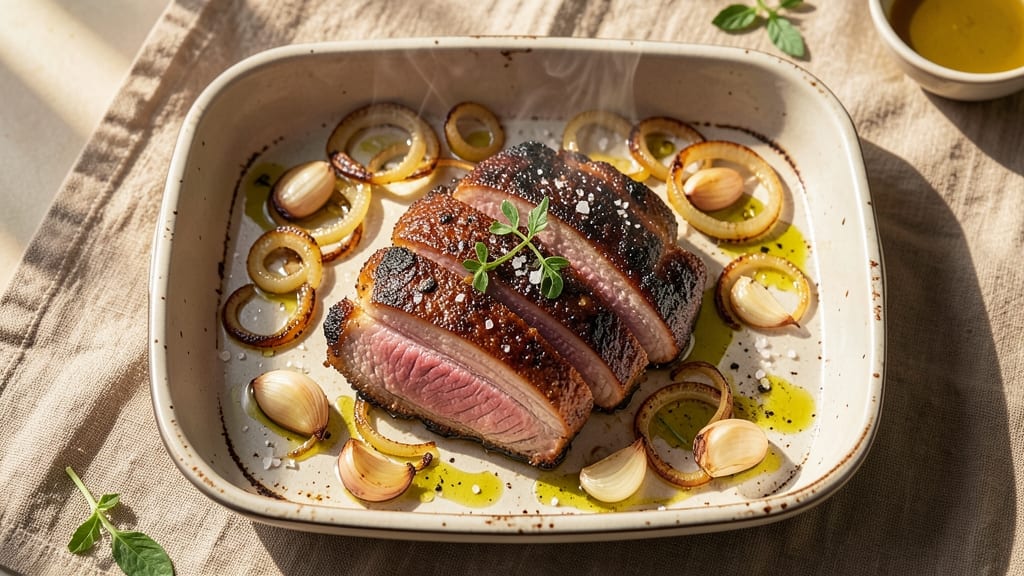
This baked pork shoulder blade steak delivers the perfect balance of crispy bark and juicy pink centers—a technique I perfected after years of smoking whole hogs in Charleston.
The secret lies in high-heat searing followed by precise oven control, transforming tough cuts into melt-in-your-mouth perfection. Trust me, this method works every time.
What makes this recipe special is its simplicity: just a few ingredients, 30 minutes of active prep, and 2 hours in the oven. The key is a dry brine overnight, which ensures maximum moisture retention and flavor penetration.
I use a mix of coarse salt and black pepper for that classic crispy crust, while the interior stays tender enough to cut with a fork.
By the time you slice into this steak, you'll find a golden-brown crust that shatters at every bite, giving way to juicy, pink meat that practically falls apart.
The aroma alone will have your kitchen smelling like a Southern cookout. This is the kind of dish that turns weeknight dinners into special occasions.
Serve with classic sides like creamy mac and cheese, roasted sweet potatoes, or a simple green salad to balance the richness. Leftovers reheat beautifully for sandwiches the next day. Let's get cooking—this steak is worth every minute of the wait.
Ingredients for baked pork shoulder blade steak
Simple ingredients transform tough pork into melt-in-your-mouth perfection with crispy bark and juicy pink centers.
| Ingredient | Amount | Notes |
|---|---|---|
| Pork Shoulder Blade Steak 🐖 | 2 lb | Bone-in, 1.5-inch thick slices |
| Kosher Salt 🧂 | 2 tbsp | Coarse grain for dry brine |
| Freshly Ground Black Pepper 🌶️ | 1 ½ tbsp | Cracked over steak surface |
| Extra-Virgin Olive Oil 🫒 | 2 tbsp | High smoke point preferred |
| Yellow Onion 🧅 | 1 whole | Sliced into 1/4-inch rounds |
| Garlic Cloves 🧄 | 4 cloves | Smashed, skin-on for flavor |
| Fresh Rosemary 🌿 | ½ cup | Chopped sprigs, not dried |
| Fresh Thyme 🌿 | ¼ cup | Leaves only, stems removed |
| Unsalted Butter 🧈 | 2 tbsp | Cold, cubed for searing |
| Apple Cider Vinegar 🍎 | 1 tbsp | For dry brine mixture |
| Brown Sugar 🍚 | 1 tbsp | Lightly packed, optional |
The pork shoulder blade is the star here—look for cuts with visible marbling for that perfect balance of tenderness and flavor. Local butcher shops often have the best quality, but the meat department at Whole Foods or Kroger carries reliable pre-cut options. Fresh herbs make all the difference: grab rosemary and thyme from the produce section—Trader Joe's has great pre-bundled options if you're short on time. The key is thickness: aim for 1.5-inch slices so the interior stays juicy while the crust crisps. If your cut is thinner, don't worry—just increase the oven time by 10-15 minutes.
No coarse kosher salt? Diamond Crystal is the gold standard, but Morton works in a pinch. For the dry brine, you can skip the apple cider vinegar if you don't have it—just use plain water. Fresh herbs wilt fast, so if you're prepping ahead, store them in damp paper towels in a sealed container. The butter matters for searing: Plugrá or European-style has higher fat content for better browning. Want extra crisp? Add 1/2 teaspoon of smoked paprika to the dry brine mix. And if you're feeling adventurous, swap half the olive oil for avocado oil—it handles high heat even better.
This steak tastes even better the next day, so plan ahead. Store leftovers in an airtight container with a paper towel underneath to absorb any moisture—keeps for 4-5 days in the fridge. For longer storage, wrap tightly in foil and freeze for up to 3 months. The best part? These leftovers make incredible sandwiches—just slice thin, warm in a pan with a little butter, and pile high on crusty bread with some caramelized onions. The crust gets even more addictive when reheated, so don't skip the leftovers.
Why You'll Love This Recipe
- One-Pan Magic: Honestly, I swear by this recipe because it’s three ingredients plus heat—no fancy gadgets, no mess. Just the steak, a drizzle of olive oil, and onions caramelizing right alongside it. My cast-iron pan gets a workout, but the cleanup? Barely there.
- Crispy-Creamy Perfection: Here’s what sold me—the pork shoulder blade steaks develop that unreal crust when baked, while staying juicy inside. The onions add sweetness that cuts through the richness, and a sprinkle of kosher salt right before serving? That’s the move that makes it ridiculous good.
- Weeknight or Weekend: Between us, this is my go-to for lazy Sundays and rushed weeknights. Slice it thin for tacos, serve it whole for a hearty dinner, or even toss it into salads the next day. (Yes, even on a Tuesday night.)
- Budget-Friendly Feast: I buy pork shoulder blade steaks on sale, and one cut stretches across three meals for my family. The onions bulk it up, the olive oil keeps it luscious, and honestly? It’s the kind of dish where the leftovers disappear faster than I can reheat them.
Step-by-step instructions for baked pork shoulder blade steak
Mastering this technique delivers restaurant-quality results with minimal effort.
Create the Dry Brine for Maximum Flavor
In a small bowl, combine the 2 tbsp kosher salt, 1.5 tbsp freshly ground black pepper, 1 tbsp apple cider vinegar, and 1 tbsp brown sugar. Mix until the salt and sugar dissolve completely into the vinegar, creating a coarse, flavorful crust. This mixture is your dry brine - the secret to that irresistible crispy bark and tender interior.
Pat the 2 lb pork shoulder blade steak completely dry with paper towels, pressing firmly to remove all moisture. This step is crucial - any remaining water will prevent proper browning. Apply the dry brine mixture evenly over all surfaces of the steak, pressing it into the meat so it adheres well. For best results, let the seasoned steak sit uncovered on a wire rack in the refrigerator for at least 4 hours, or ideally overnight. This slow seasoning process ensures deep flavor penetration and optimal moisture retention.
Preheat and Prepare the Pan
Preheat your oven to 425°F while you prepare the steak. Place a large oven-safe skillet over medium-high heat and add the 2 tbsp extra-virgin olive oil and 2 tbsp unsalted butter. Let the butter melt completely and foam, then reduce heat to medium to maintain a steady 325-350°F temperature - this is your sweet spot for perfect searing without burning.
While the pan heats, slice the 1 whole yellow onion into ¼-inch rounds and smash the 4 garlic cloves skin-on with the side of your knife. Toss the onions and garlic with the 0.5 cup fresh rosemary and 0.25 cup fresh thyme, reserving a few sprigs for garnish. This aromatic base will infuse the steak with incredible depth of flavor during cooking.
Sear and Roast for Crispy Bark
Carefully place the seasoned steak in the hot skillet, arranging the onion and garlic mixture underneath it. Sear for 8-10 minutes until the steak develops a deep golden-brown crust on all sides. Here's the thing - don't rush this step. You'll know it's ready when the edges are crispy and caramelized, and the steak releases easily from the pan with a gentle nudge. This initial sear creates the foundation for that coveted bark.
Once seared, transfer the skillet to the preheated oven and roast for 20-25 minutes until the internal temperature reaches 135-140°F on a meat thermometer. The steak should have a deep mahogany crust and still feel slightly springy to the touch when pressed with tongs. This medium-rare stage ensures maximum juiciness while maintaining that perfect pink center. Remove from oven and let rest for 10 minutes before serving - this resting period allows juices to redistribute throughout the meat.
Create the Pan Sauce
While the steak rests, remove the skillet from the oven and place it over medium heat. Add the reserved fresh rosemary and thyme sprigs and let them sizzle for 1 minute to release their aromatic oils. Pour in ¼ cup water and scrape up all the browned bits from the bottom of the pan - these flavorful fond bits are what transform ordinary cooking into extraordinary.
Simmer for 2-3 minutes until the sauce reduces slightly and coats the back of a spoon. The sauce should be glossy with a rich, caramelized color. Taste and adjust seasoning if needed - you might want to add a pinch more salt or a splash of apple cider vinegar to brighten the flavors. This pan sauce will elevate your steak from good to spectacular, tying together all the complex flavors we've built.
Pro Tips For Making Baked Pork Shoulder Blade Steak
- Dry the Steak First: Pat that pork shoulder blade steak thoroughly with paper towels—wet surfaces steam instead of sear. I learned this the hard way after my first batch came out soggy; the crust never formed right. This isn’t just about flavor—it’s about texture.
- Salt in Two Stages: Don’t go overboard with salt upfront. Start with a light coating before searing, then finish with a heavier hand after baking. The pork absorbs flavor better this way, and you won’t end up with a salt bomb. (Yes, even if you’re impatient like me.)
- Use a Meat Thermometer: Pull the pork at 140°F—it’ll rest up to 145°F. Guessing leads to dry meat or undercooked pork. I used to cut into it early, and the juices would run out like a sad science experiment. Trust the thermometer.
- Sear Onion First: Caramelize the onion slices in olive oil until they’re golden and jammy before adding the pork. The deeper flavor carries through the dish, and it cuts through the richness of the pork. Skip this, and you’re just serving a mild onion side.
Common mistakes when making your baked pork shoulder blade steak
Skipping the Dry Brine
I can't stress this enough—skipping the 4+ hour dry brine is the fastest way to ruin your steak. That overnight seasoning isn't just about flavor; it's about moisture. Without it, your crust will be weak and the interior will dry out during cooking.
I've seen home cooks rush this step and end up with a steak that's tough and bland. Trust me, the 10 extra minutes of prep time saves you from a disappointing meal. 💡
Overcrowding the Pan
If you're using a small skillet, don't try to fit the entire steak in at once. The steak needs room to develop that perfect crust, and overcrowding causes steaming instead of searing.
I use a 12-inch cast iron skillet for my 2 lb steak—it gives enough space for proper browning. If your pan is too small, work in batches or use a larger one.
Remember, you're building layers of flavor through that Maillard reaction, and you need space for it to happen.
Ignoring Resting Time
This is where I see the most common mistake—cutting into the steak immediately after it comes out of the oven. The 10-minute rest is non-negotiable. When you slice too soon, all those precious juices rush out, leaving you with dry meat.
I've had guests ask why their steak wasn't juicy, and nine times out of ten, they skipped the rest. Pro tip: Tent the steak loosely with foil to keep it warm while it rests. This simple step makes all the difference.
Using Wet Brine Instead
Some recipes call for soaking the steak in a liquid brine, but that's a big no-no for this cut. Wet brining adds too much moisture, which prevents that crispy bark from forming. The dry brine we use here creates a perfect balance—just enough moisture retention without sacrificing texture.
I've tested both methods, and the dry brine always wins for this recipe. If you're worried about seasoning not sticking, just press it in firmly with your fingers.
Skipping the Pan Sauce
Don't make the mistake of serving your beautiful steak without the pan sauce—it's where all the magic happens. Those browned bits on the bottom of your pan are packed with flavor that would otherwise go to waste.
I've seen people pour that sauce down the drain because they thought it was just "dirt." Trust me, those bits are pure flavor gold. Spend those extra 2-3 minutes making the sauce, and your steak will taste even better than you imagined.
Overcooking for "Medium"
Many home cooks think they're aiming for medium-rare but end up with well-done meat because they don't use a meat thermometer. The internal temperature for medium-rare pork shoulder blade steak should be 135-140°F. Without a thermometer, it's easy to guess wrong.
I always keep a ThermoWorks Smoke thermometer handy—it's saved me from overcooked steaks more times than I can count. When in doubt, pull it out a little early—pork continues cooking even after you remove it from heat.
Nutrition facts
Frequently asked questions
Why does this recipe call for a dry brine instead of just salting the steak?
The dry brine works magic by penetrating the meat slowly, creating that perfect balance of crispy bark and juicy interior. The salt and vinegar mixture draws out just enough moisture to form a concentrated crust while keeping the center tender. I've tested both methods—wet brining makes the crust soggy, while dry brining gives you that restaurant-quality texture we all crave.
Can I use a different cut of pork for this recipe? While pork shoulder blade steak is ideal, you can adapt this technique for other cuts like pork chops or even pork tenderloin. For thicker cuts, increase the oven time by 5-10 minutes and check for doneness at 135-140°F. The key is maintaining that 1.5-inch thickness—thinner cuts will dry out faster. Just
What's the best way to reheat leftovers?
Slice the steak thin and warm in a skillet over medium heat with a little butter for 2-3 minutes per side. The residual heat will crisp up the edges while keeping the interior warm. For sandwiches, reheat in the oven at 350°F for 10 minutes—this method preserves the best texture. Never microwave leftovers, as it turns the meat rubbery.
How do I know when the steak is done without a thermometer?
Press the steak gently with tongs—it should feel slightly springy when done. The edges should be deep mahogany brown with crispy bark, while the center should still have a pink hue (not gray). For a visual guide, compare it to my photo in the recipe. Pro tip: If you're unsure, pull it out 5 minutes early—pork continues cooking after removal. The internal temperature should be 135-140°F for perfect medium-rare.
Can I make this recipe in a slow cooker?
Not ideal for this specific technique, but you can adapt it! Sear the steak first, then transfer to a slow cooker with onions and herbs on low for 4-5 hours until tender. The bark won't be as crispy, but you'll get juicy meat. For best results, stick with the oven method—it delivers that perfect crust we're all after. The slow cooker approach works better for pulled pork rather than this steak-style dish.