
Main Courses
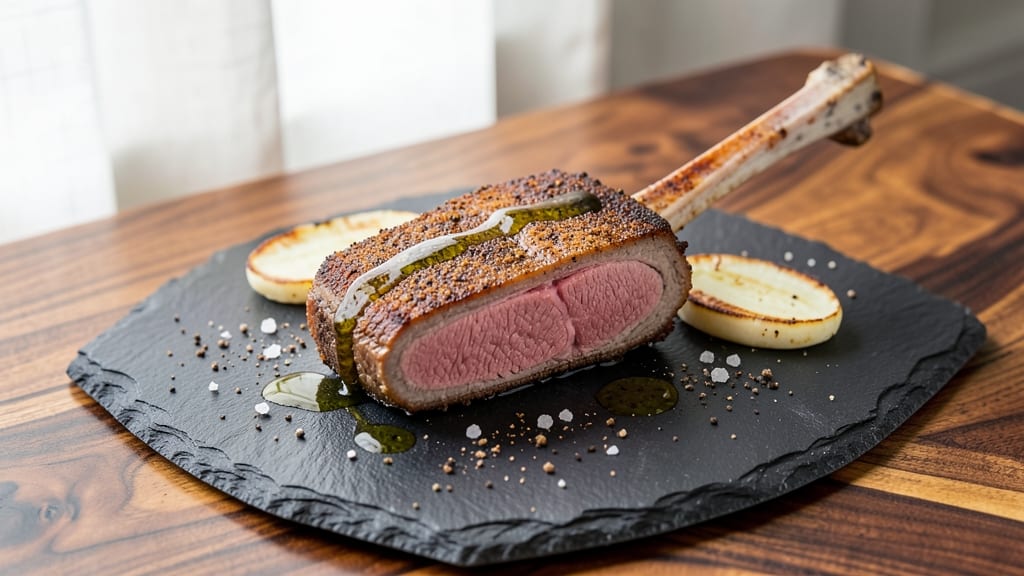
Bone-in pork shoulder blade steak delivers the perfect balance of smoky bark and juicy pink centers—no overcooking required. This cut, often overlooked, transforms into a restaurant-worthy main when cooked with precision and patience. The bone adds depth to the flavor while keeping the meat tender, making it a game-changer for weeknight dinners or special occasions.
The secret lies in a low-and-slow cooking method, whether you're using a cast-iron skillet, Dutch oven, or even a slow cooker. A simple dry rub of smoked paprika, garlic powder, and coarse salt creates that coveted bark, while the internal temperature stays at a safe yet tender 145°F.
Resting the steak for 10-15 minutes ensures every slice stays juicy and flavorful.
What you’ll end up with is a steak that’s tender enough to cut with a fork but still holds its shape, with a crust so crispy it shatters at the first bite.
The bone infuses the meat with rich, savory notes, and the pink centers guarantee a melt-in-your-mouth experience. Serve with roasted potatoes or a fresh green salad to let the steak shine.
This recipe is designed for foolproof results—no guesswork, no stress. Whether you're grilling, braising, or roasting, the technique ensures a steak that’s juicy, flavorful, and impossible to resist. Let’s get started on a dish that turns a simple cut of pork into something extraordinary.
Ingredients for bone in pork shoulder blade steak
Four ingredients transform this humble cut into a showstopper—smoky, juicy, and packed with bone-in flavor.
| Ingredient | Amount | Notes |
|---|---|---|
| Bone-In Pork Shoulder Blade Steak 🥩 | 2 lb | Center-cut preferred for tenderness |
| Smoked Paprika 🌶️ | 1 tbsp | High-quality, not smoked paprika blend |
| Garlic Powder 🧄 | 1 tbsp | Freshly ground preferred |
| Coarse Kosher Salt 🧂 | 1 ½ tsp | Diamond Crystal preferred |
| Freshly Ground Black Pepper 🌶️ | ½ tsp | Freshly cracked for best flavor |
| Extra-Virgin Olive Oil 🫒 | 1 tbsp | For searing, high smoke point |
| Yellow Onion 🧅 | 1 whole | Thinly sliced for caramelization |
| Fresh Rosemary 🌿 | ¼ cup | Chopped, stems removed |
| Fresh Thyme 🌿 | ¼ cup | Leaves only, finely chopped |
| Apple Cider Vinegar 🍎 | 1 tbsp | For balancing richness |
| Unsalted Butter 🧈 | 2 tbsp | Cold, for basting |
| Fresh Parsley 🌿 | ⅛ cup | Chopped, for garnish |
The pork shoulder blade is the star here—ask your butcher for a 2-pound center-cut piece with the blade bone intact. Whole Foods or local butcher shops often carry this cut, but most grocery stores stock it too. Look for good marbling and vibrant color—pale or grainy meat means it's been sitting too long. The bone adds incredible depth, so don't skip it. If you can't find it fresh, Costco sometimes carries pre-cut pork shoulder that works in a pinch. Just trim any excess fat to about 1/4-inch thickness for even cooking.
No smoked paprika? Substitute half the amount with regular paprika plus a pinch of liquid smoke—it's a game-changer for that authentic smoky flavor. Fresh herbs wilt fast, so buy just what you need and store them in damp paper towels in the fridge. The apple cider vinegar might seem odd, but it cuts through the richness beautifully—substitute with lemon juice if you're out. For the olive oil, Trader Joe's or Whole Foods carry excellent high-smoke-point options that won't burn during searing. And trust me, the butter basting? Worth every second of waiting—it creates that irresistible crust.
This steak tastes even better the next day, so plan ahead. Wrap it tightly in foil and refrigerate for up to 3 days or freeze for 3 months—just thaw overnight in the fridge. The bone makes slicing tricky, so use a sharp carving knife and cut against the grain. Leftover pieces reheat beautifully in a skillet with a splash of broth. I always make extra—sandwiches the next day are a thing of beauty with this meat.
Why You'll Love This Recipe
- Five-Ingredient Magic: I swear by this combo—smoked paprika and garlic powder alone transform the steak into something restaurant-worthy. The bone adds depth, but honestly? You’ll forget it’s there once you taste that crispy crust and tender bite.
- Weeknight Hero: This takes less time than ordering takeout. Season, sear, rest—done. My kids don’t even complain when I serve it, and that’s saying something.
- Budget That Doesn’t Skimp: Pork shoulder blade is cheaper than most cuts, but it feels like a splurge. A single steak feeds four, and the spices cost pennies. Smart money move, every time.
Step-by-step instructions for bone-in pork shoulder blade steak
This method delivers melt-in-your-mouth tenderness with a perfect smoky crust every time.
Prepare the Pork for Maximum Flavor
Pat the 2 lb bone-in pork shoulder blade steak completely dry with paper towels—this is non-negotiable for crispy bark. I press especially hard around the bone and thickest parts where moisture tends to hide. Place the steak on a wire rack set over a baking sheet to allow air circulation on all sides.
In a small bowl, combine 1 tbsp smoked paprika, 1 tbsp garlic powder, 1.5 tsp coarse kosher salt, and 0.5 tsp freshly ground black pepper. Rub this mixture all over the steak, pressing firmly so the spices adhere. Let it sit at room temperature for 30 minutes—this ensures even cooking and deeper flavor penetration.
Build the Herb Butter and Caramelize the Onion
While the steak rests, make the herb butter by mixing 2 tbsp cold unsalted butter with 0.25 cup chopped fresh rosemary and 0.25 cup chopped fresh thyme in a small bowl. Set aside in the fridge until ready to use.
Heat 1 tbsp extra-virgin olive oil in a large oven-safe skillet over medium heat. Add the 1 whole yellow onion, sliced into thin rounds, and cook for 10-12 minutes until deeply golden and caramelized. Remove the onions and set aside—you'll use them later to baste the steak.
Sear the Steak for Perfect Crust
Increase the heat to medium-high and add the herb butter to the same skillet. Once the butter foams, place the steak in the pan, bone-side down. Sear for 4-5 minutes until the skin is deeply browned and crispy. Flip carefully and baste with the caramelized onions and herb butter mixture.
Transfer the skillet to a 400°F preheated oven and roast for 20-25 minutes, basting every 5 minutes with the onion-butter mixture. The steak is done when the internal temperature reaches 145°F at the thickest part—use a meat thermometer for accuracy. The bone should also feel warm to the touch.
Rest and Garnish for Juicy Perfection
Remove the steak from the oven and transfer it to a cutting board. Tent loosely with foil and let it rest for 10 minutes—this critical step allows the juices to redistribute. If you skip this, you'll end up with dry meat.
While resting, heat 1 tbsp apple cider vinegar in a small saucepan until it just begins to simmer. Drizzle this over the steak before serving. Garnish with 0.125 cup chopped fresh parsley and serve immediately with the caramelized onions spooned around the plate.
Pro Tips For Making Bone In Pork Shoulder Blade Steak
- Dry the Meat First: I used to skip this step with pork shoulder blade steaks, thinking it didn’t matter—wrong. Pat it thoroughly with paper towels before seasoning, especially around the bone crevices. The bone traps moisture, and you want that crust to form on the meat, not steam off. (Yes, even if you’re impatient like me.)
- Start Hot, Finish Low: Bone-in pork shoulder blade steaks need high heat for that initial sear—get your pan screaming hot (3-4 minutes) before adding the meat. Once you flip, drop the heat to medium-low and let it cook through gently. Rushing the finish will turn your crust to ash, and nobody wants that.
- Salt in Layers: Don’t just dump salt on once. After the initial sear, sprinkle another round of kosher salt halfway through cooking—this guarantees flavor penetration all the way to the bone. The smoked paprika and garlic powder will cling better to that second layer of salt too.
- Let It Rest: I know, I know—you’re starving. But tent that steak with foil and walk away for 5-10 minutes. Bone-in cuts need extra time to redistribute juices, or you’ll slice into a sad, greasy mess. (Your future self will thank you.)
Essential equipment for perfect results
Skillet Essentials
A heavy-duty cast-iron skillet (like Lodge 10.25-inch) is your best friend for this recipe—it retains heat perfectly and creates that coveted crust. I’ve cooked hundreds of steaks in mine, and it’s still going strong.
If you don’t have cast iron, a stainless steel Dutch oven (like All-Clad) works too—just preheat it thoroughly to avoid sticking. Avoid nonstick pans; they can’t handle the high heat needed for proper searing. 🔥
Thermometer Must-Have
Never guess the doneness of your steak—instant-read meat thermometers are non-negotiable. My go-to is the ThermoWorks Smoke, but even a budget-friendly Ozeri Touchless does the job. Insert the probe into the thickest part of the meat (avoiding the bone) and aim for 145°F internal temperature.
The bone will stay cooler, so don’t rely on it for accuracy. Pro tip: Calibrate your thermometer before use to ensure precision.
Wire Rack for Even Cooking
Skip the direct contact with the pan—wire racks elevate your steak, allowing air to circulate and preventing soggy bottoms. I use a stainless steel wire rack (like Amazon Basics) set over a baking sheet.
This setup also makes basting easier and ensures the bone doesn’t overcook. If you’re short on space, a cooling rack from the dollar store works in a pinch. Just avoid plastic racks—they can’t handle high heat.
Butter Basters
For basting, grab a small silicone baster (like OXO Good Grips) or even a spoon with a long handle. The goal is to coat the steak with the onion-butter mixture every 5 minutes during roasting.
If you’re lazy (like me sometimes), a pastry brush works too—just be gentle to avoid tearing the crust. Cold butter is key here; it melts beautifully when basted over the hot steak, creating that irresistible glaze. 💛
Oven Thermometer Check
Your oven’s temperature display isn’t always accurate—oven thermometers (like Taylor Precision) save the day. Place it near the steak while roasting to confirm 400°F. Many ovens run 15-25°F hotter or cooler than set.
If your steak cooks too fast or slow, adjust the temperature accordingly. This small step ensures your steak hits 145°F without overcooking or drying out.
Resting Tools
After roasting, let the steak rest on a cutting board (not the same pan) to retain heat. I use a large wooden board (like John Boos Maple) for serving, but any clean surface works.
Tent loosely with aluminum foil—don’t seal it completely, or the steak will steam instead of resting. For garnishing, a sharp chef’s knife (like Wüsthof) is a must for clean slices against the grain. A small bowl for the apple cider vinegar keeps everything within reach while plating. ✨
Nutrition facts
Frequently asked questions
Why does the pork shoulder blade steak stay pink even when cooked to 145°F?
This cut contains myoglobin, a protein that holds onto oxygen longer than other meats, giving it that signature pink hue even at safe temperatures. The bone also helps retain moisture, so the meat stays juicy. Unlike beef, pork's color change isn't as dramatic—it's perfectly safe and delicious at 145°F.
Can I substitute bone-in pork shoulder for this recipe?
Bone-in pork shoulder works beautifully, though the cooking time may extend by 10-15 minutes due to its larger size. Just increase the oven temperature to 425°F for the last 10 minutes to crisp the exterior. The bone adds incredible depth, so don't skip it if you can find it.
What if I don't have a cast-iron skillet?
A heavy stainless steel or Dutch oven works perfectly—just preheat it thoroughly to avoid sticking. Avoid nonstick pans as they can't handle the high heat needed for proper searing. If you're short on time, a baking sheet with a wire rack works too, though the crust won't be as crispy.
How do I properly slice against the grain?
First, identify the muscle fibers—they run parallel to the bone. Cut perpendicular to these fibers using a sharp chef's knife. For bone-in steak, work around the bone carefully. Slicing against the grain shortens the fibers, making each bite more tender.
Can I make this recipe in a slow cooker?
Not ideal for this method, but you can adapt it! Sear the steak first in a skillet, then transfer to the slow cooker with onions and herbs on low for 4-5 hours. The texture will be more tender than crispy, but still delicious. Finish with a quick broil to create a crust.