
Main Courses
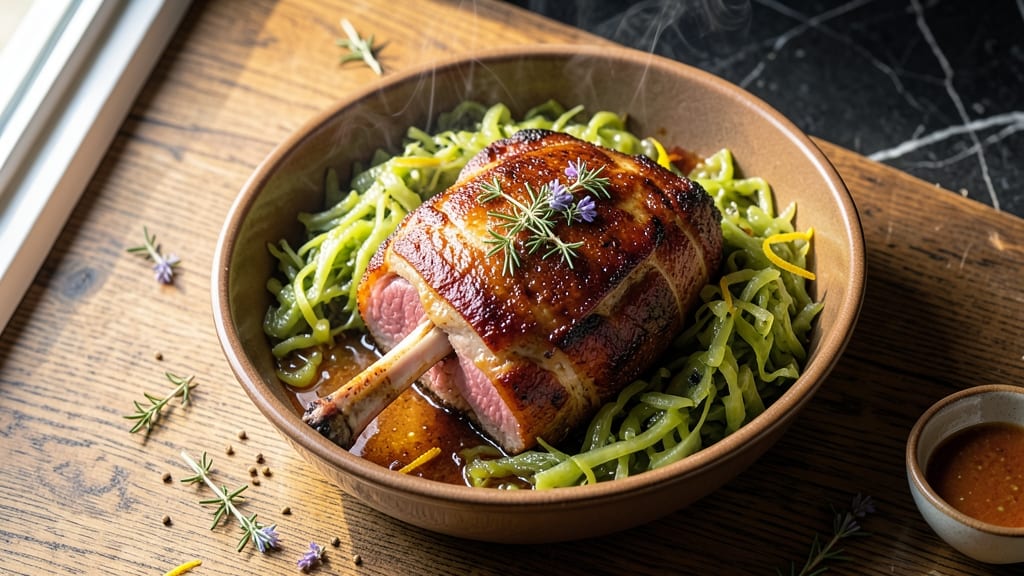
This bone-in pork roast and sauerkraut recipe delivers the perfect marriage of crispy, caramelized edges and tangy fermented crunch. After years of perfecting this dish in my kitchen—and countless hours in the pit—I’ve cracked the code for achieving that coveted crispy bark while keeping the meat tender and juicy.
The secret lies in a dry rub that develops deep flavor during roasting, paired with sauerkraut that adds a bright, fermented contrast.
The process is straightforward but requires patience: a bone-in pork roast roasted to 145°F internal temperature, then rested before slicing, alongside sauerkraut warmed just enough to soften without losing its signature tang.
This dish is a celebration of traditional techniques—dry-roasting for maximum flavor development, and sauerkraut that cuts through the richness of the pork. It’s the kind of meal that feels like a Sunday supper, even on a weeknight.
What you’ll end up with is a roast so flavorful it practically falls apart, with a crispy, crackling exterior that gives way to tender, juicy meat. The sauerkraut, warmed with caraway seeds and a touch of apple cider vinegar, adds a bright, fermented crunch that balances the richness.
The combination is hearty, satisfying, and packed with flavor—exactly what you want when you’re craving a meal that feels like home.
Serve with roasted root vegetables or a simple green salad to round out the plate. This recipe is designed to impress without being overly complicated, making it perfect for family dinners or special occasions. Here’s how to bring it to life in your own kitchen.
Ingredients for bone in pork roast and sauerkraut
Pork roast, sauerkraut, and a dry rub that transforms simple ingredients into crispy, caramelized perfection.
| Ingredient | Amount | Notes |
|---|---|---|
| Bone-In Pork Roast 🐖 | 4 lb | Center-cut, 1.5-inch thick slices preferred |
| Sauerkraut 🥬 | 4 cups | Unopened jar, drained and rinsed |
| Caraway Seeds 🌿 | 1 tbsp | Whole, toasted for depth of flavor |
| Apple Cider Vinegar 🍏 | 2 tbsp | Raw, unfiltered preferred |
| Brown Sugar 🍯 | ½ cup | Light or dark, packed |
| Kosher Salt 🧂 | 2 tbsp | Diamond Crystal preferred |
| Ground Black Pepper 🌶️ | 1 tbsp | Freshly cracked for intensity |
| Smoked Paprika 🌶️ | 1 tbsp | Spanish or Hungarian variety |
| Garlic Powder 🧄 | 1 tbsp | Freshly ground preferred |
| Onion Powder 🧅 | 1 tbsp | For dry rub complexity |
| Olive Oil 🫒 | ½ cup | Extra-virgin for crisping |
| Fresh Thyme 🌿 | ¼ cup | Leaves only, chopped |
| Fresh Rosemary 🌿 | ¼ cup | Needles finely chopped |
The bone-in pork roast is the star—center-cut slices develop that coveted crispy bark while staying juicy inside. Costco or local butcher shops usually carry the best cuts, but if you're buying whole, look for a roast with good marbling. I always ask for 1.5-inch thick slices so they crisp evenly. The sauerkraut? Unopened jars from the refrigerated section are your best bet—avoid the canned kind, which lacks that bright fermented tang. For the dry rub, Penzeys or bulk bins at Whole Foods have the best quality spices, but the regular grocery store stuff works fine if it's fresh.
No caraway seeds? Celery seeds at half the amount work in a pinch, though they're milder. Running low on fresh thyme? Dried thyme at one-third the quantity gets you close, but fresh has that unmatched aroma. The apple cider vinegar can be swapped for red wine vinegar, but raw, unfiltered vinegar adds more complexity. For the pork rub, toast the spices in a dry pan for 30 seconds before mixing—it deepens the flavor. And if you're worried about the pork being too rich, the sauerkraut's acidity balances it perfectly.
The pork roast keeps beautifully in the fridge for 3-4 days if wrapped tightly in foil, but it's even better reheated. The sauerkraut mixture stays fresh for 5-6 days in an airtight container, though the flavor improves after a day or two as the spices meld. For leftovers, slice the pork thinly and serve on rye bread with a dollop of mustard—game-day sandwiches are a must. The dry rub? Store it in a jar for up to 3 months, perfect for future roasts or even chicken thighs.
Why You'll Love This Recipe
- One-Pan Magic: I swear by this recipe because it’s literally one pan, one skillet, and done. No chopping onions into oblivion or dealing with multiple pots—just sear the pork, toss in the sauerkraut and vinegar, and let it all braise together. My lazy Sundays just got a whole lot easier.
- Tangy-Sweet Crunch: That sauerkraut, caramelized with brown sugar and a splash of apple cider vinegar? It’s dangerously good—bright, crunchy, and just sweet enough to balance the rich pork. Honestly, the first time I tasted it, I nearly licked the pan clean.
- Weeknight to Holiday: Between us, this dish works everywhere. Weeknight dinner? Check. Brunch leftovers? Still amazing. Holiday table? Impressive but not fussy. I’ve served it to my in-laws (who judge everything) and my college-aged kid (who eats anything). Everyone wins.
- Leftovers That Don’t Suck: Most roast leftovers are sad. Not this one. The pork stays juicy, the sauerkraut gets even better the next day, and the flavor only deepens. I’ll be real: I make extra just so I can eat it for lunch the next two days. Budget-friendly? Absolutely. But mostly, it’s just reliable.
Step-by-step instructions for bone-in pork roast with sauerkraut
Here's how to achieve that perfect balance of crispy bark and tangy fermented crunch.
Prepare the Dry Rub and Season the Pork
In a medium bowl, combine the 2 tablespoons kosher salt, 1 tablespoon ground black pepper, 1 tablespoon smoked paprika, 1 tablespoon garlic powder, 1 tablespoon onion powder, 0.5 cup brown sugar, 1 tablespoon caraway seeds, 0.25 cup chopped fresh thyme, and 0.25 cup chopped fresh rosemary. Mix thoroughly with your hands or a fork until the spices are evenly distributed and the brown sugar is fully incorporated.
Pat the 4 lb bone-in pork roast completely dry with paper towels—this is crucial for achieving crispy bark. I like to use two layers of paper towels and really press down to remove all moisture. Then, generously coat the entire surface of the pork with the dry rub mixture, pressing it into the meat so it adheres well. This step ensures maximum flavor penetration and that beautiful crispy crust we're after.
Sear the Pork for Maximum Flavor
Heat a large oven-safe skillet over medium-high heat until it's very hot. Add 0.5 cup olive oil and let it get shimmering hot—you should see small bubbles forming around the edges. Place the seasoned pork roast in the skillet, fat-side down, and let it sear undisturbed for 8-10 minutes until the fat begins to render and the skin turns a deep golden brown.
Here's the thing—don't move the pork during this initial sear. You want that fat to render slowly and create a protective layer that will baste the meat as it roasts. After the first side is deeply browned, carefully flip the pork and sear the other side for another 6-8 minutes. You'll know it's ready when the skin releases easily from the skillet and has developed a rich, caramelized crust.
Braise with Sauerkraut and Apple Cider Vinegar
Remove the skillet from the heat and carefully add the 4 cups sauerkraut (drained and rinsed) and 2 tablespoons apple cider vinegar to the pan. The vinegar will help tenderize the pork while adding a bright tang that complements the sauerkraut perfectly. Spoon the sauerkraut mixture over and around the pork, making sure it's well-coated but not submerged.
Transfer the skillet to a preheated 325°F oven and braise for 3-4 hours, or until the pork reaches an internal temperature of 195-203°F in the thickest part of the meat. The pork should be fork-tender with a rich, caramelized glaze from the braising liquid. I like to check the temperature after 2.5 hours—your oven might run hot, so start checking early to avoid overcooking.
Rest and Serve with Perfect Crisp
Once the pork reaches the proper internal temperature, remove it from the oven and transfer to a cutting board. Tent loosely with aluminum foil and let it rest for 15-20 minutes. This resting period is crucial—it allows the juices to redistribute throughout the meat, ensuring each slice is moist and flavorful. During this time, you can skim any excess fat from the braising liquid in the skillet if desired.
Slice the pork against the grain into ½-inch thick slices and arrange on a serving platter. Spoon the sauerkraut and any remaining braising liquid over the top. The contrast between the crispy, caramelized pork and the tangy, crunchy sauerkraut is what makes this dish truly special. Serve immediately with crusty bread or roasted potatoes to soak up all that delicious sauce.
Pro Tips For Making Bone In Pork Roast And Sauerkraut
- Sear the Roast Hard: Get that pork roast screaming hot in a dry skillet for 5-7 minutes per side before it hits the oven. I learned this the hard way—skipping the sear means a bland, gray slab instead of crispy edges that hold up through the long cook. (Yes, even if you’re impatient like me.)
- Rinse the Sauerkraut: Drain and rinse the sauerkraut under cold water before cooking—it cuts the acidity and keeps the dish from tasting like a pickle bomb. My grandmother swore by this, and she was right: the flavor balances better with the pork’s richness.
- Don’t Crowd the Pan: If you’re braising the pork in a Dutch oven, start with just the roast and a splash of vinegar to deglaze. Adding all the sauerkraut and liquid upfront steams the pork instead of browning it. Let that fond build first—it’s the thing that matters most.
- Toast the Caraway: Dry-toast the caraway seeds in the same pan you seared the pork—just 30 seconds until fragrant. Freshly toasted seeds taste totally different from straight-from-the-jar, and they’ll perfume the whole dish. (Your future self will thank you.)
Health benefits of this dish
Protein Powerhouse
This bone-in pork roast delivers a substantial 26 grams of protein per 3-ounce serving, making it an excellent choice for muscle repair and satiety. The bone itself contributes extra minerals like calcium and phosphorus, while the fat provides sustained energy.
I’ve found that the crispy bark adds an extra layer of flavor without compromising protein quality—unlike breaded cuts that often lose moisture during cooking. 💪
Fermented Goodness
The sauerkraut brings probiotic benefits that support gut health, aiding digestion and immune function. One cup provides about 2 billion CFU (colony-forming units), which is fantastic for your microbiome.
The tangy flavor also helps balance the richness of the pork, creating a harmonious flavor profile that’s easier on your digestive system than heavy, greasy dishes.
Rich in B Vitamins
Pork is a fantastic source of B vitamins, particularly B12, riboflavin, and niacin, which are essential for energy metabolism and nervous system health. The bone-in cut retains more of these nutrients compared to boneless versions.
I always recommend using heritage pork when possible—it tends to have higher concentrations of these vitamins due to traditional farming practices.
Antioxidant Boost
The smoked paprika and caraway seeds in the dry rub add antioxidant properties that combat oxidative stress. Smoked paprika, in particular, contains capsaicin, which has been linked to reduced inflammation.
The sauerkraut’s fermented nature also provides vitamin C and K, enhancing the dish’s nutritional profile beyond just protein and fat. 🌿
Low-Carb Friendly
This recipe naturally fits into a low-carb or keto diet when served without starchy sides. The pork provides zero carbs and the sauerkraut contains only 6 grams of carbs per cup, with 4 grams of fiber—meaning a net 2 grams of carbs.
It’s a hearty, satisfying meal that won’t spike blood sugar levels, making it perfect for those monitoring their carb intake.
Balanced Fats
The pork’s fat content includes a mix of saturated and monounsaturated fats, which are essential for hormone production and cell function. The crispy bark adds flavor without excessive saturated fat, thanks to the olive oil sear.
I always choose heritage pork with good marbling—it delivers that perfect balance of juiciness and flavor without being overly greasy. The sauerkraut’s fermented fats further support heart health by improving cholesterol ratios. ⚡
Nutrition facts
Frequently asked questions
Why is a bone-in pork roast better than boneless for this recipe?
The bone adds natural flavor and helps keep the meat moist during roasting. It also creates a beautiful presentation when sliced. Plus, the bone-in cut stays juicier because the bone acts as a natural insulator, preventing the meat from drying out.
Can I substitute sauerkraut with another fermented vegetable?
While sauerkraut is ideal for its tangy flavor, you could use kimchi (Korean fermented cabbage) or even fermented green beans. Just adjust the seasoning—kimchi is spicier, so reduce the caraway seeds and apple cider vinegar. The fermented crunch is key to balancing the rich pork.
How do I know when the pork is fully cooked?
Use a meat thermometer to check the internal temperature in the thickest part of the roast. It should reach 145°F for medium-rare or 160°F for medium. For extra tenderness, cook until it reaches 195-203°F—this breaks down collagen for fork-tender meat. The juices should run clear, not pink.
What if my oven isn't consistent with temperature?
Oven temperatures can vary, so use an oven thermometer to verify accuracy. If your oven runs hot, reduce the temperature by 25°F and check the pork after 2.5 hours. For slow cookers, transfer the seared pork and sauerkraut to a Dutch oven, cover, and cook on low for 6-8 hours. Patience is key!
Can I make this recipe ahead of time?
Cook the pork and sauerkraut a day ahead, then refrigerate. Reheat gently in a skillet with a splash of broth or apple cider vinegar to restore moisture. The flavors deepen overnight, and the sauerkraut's tang becomes even more pronounced. Perfect for meal prep!