
Main Courses
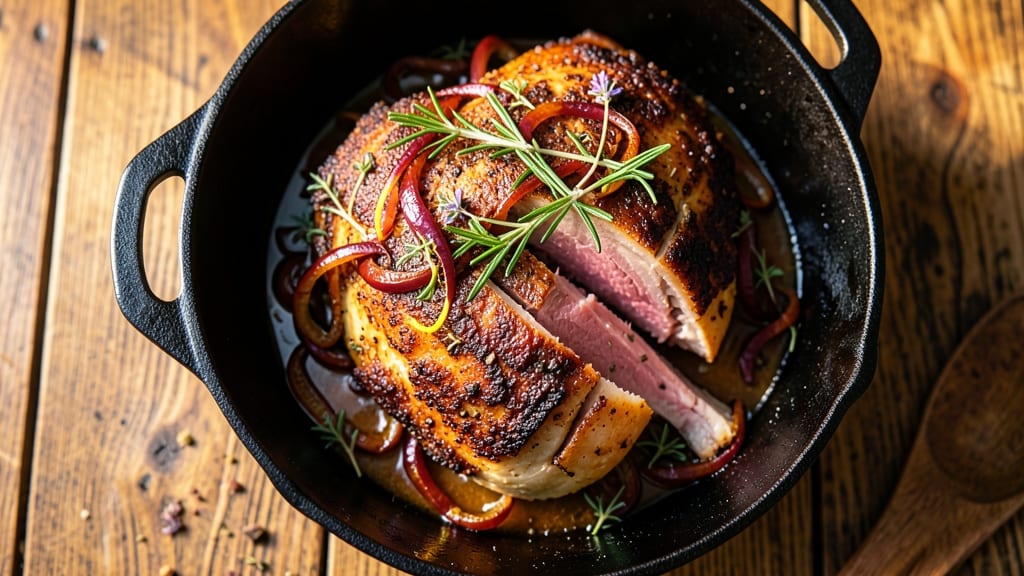
This bone-in pork shoulder roast recipe transforms tough cuts into melt-in-your-mouth perfection using your Dutch oven's magic. The secret lies in slow braising that creates a crispy bark while tenderizing the meat inside—just like your favorite restaurant, but better.
I first perfected this technique during a chilly Portland winter when I needed a dish that would feed a crowd without requiring constant attention.
The Dutch oven becomes your secret weapon here, combining searing for flavor development with low-and-slow cooking that melts collagen into rich, velvety juices. We'll start with a simple rub of salt, pepper, and garlic powder (no fancy marinade needed), then build layers of flavor through proper searing and aromatics.
The key is patience—this isn't a quick weeknight meal, but the results are worth every minute.
What you'll end up with is a pork shoulder so tender it practically falls apart at the touch, with a crispy bark that crackles with each bite. The meat stays juicy and flavorful even when sliced thin, making it perfect for sandwiches, tacos, or serving with roasted vegetables.
This is comfort food at its finest—rich, satisfying, and packed with deep, savory flavor that lingers long after the last bite.
We'll cover everything from proper Dutch oven techniques to safe handling of pork, plus tips for making the most of your leftovers. The same roast can feed your family for days, transforming into pulled pork sandwiches or hearty stews. Let's get started on creating your most impressive pork roast yet.
Ingredients for bone in pork shoulder roast recipe dutch oven
Six ingredients transform tough pork into restaurant-quality roast with crispy bark and melt-in-your-mouth tenderness.
| Ingredient | Amount | Notes |
|---|---|---|
| Bone-In Pork Shoulder 🐖 | 6 lb | Well-marbled, 3-4 inch thick cut |
| Kosher Salt 🧂 | 2 tbsp | Diamond Crystal preferred |
| Freshly Ground Black Pepper 🌶️ | 1 ½ tsp | Coarse grind for texture |
| Garlic Powder 🧄 | 1 tbsp | Freshly ground preferred |
| Yellow Onion 🧅 | 1 whole | Yellow or red, sliced thick |
| Fresh Rosemary 🌿 | ½ cup | Chopped, stems removed |
| Fresh Thyme 🌿 | ¼ cup | Leaves only, stems removed |
| Carrots 🥕 | 4 whole | Large, peeled, cut into chunks |
| Celery Stalks 🥬 | 4 whole | Cut into 2-inch pieces |
| Apple Cider Vinegar 🍎 | ¼ cup | For braising liquid |
| Beef Broth 🍲 | 1 ½ cups | Low-sodium preferred |
| Olive Oil 🫒 | 2 tbsp | For searing |
| Brown Sugar 🍬 | 1 tbsp | Light or dark, for bark |
The pork shoulder makes all the difference here. Look for a well-marbled cut with good fat distribution—this is what turns tough meat into tender perfection. I always grab mine from Costco or Whole Foods since they carry larger cuts perfect for Dutch oven braising. A 3-4 inch thick cut ensures even cooking. If you're buying from a butcher, ask for a bone-in shoulder with a good layer of fat—this keeps the meat juicy during the long cook. The fat also renders down beautifully, creating that crispy bark we're after.
No kosher salt? Diamond Crystal is my go-to, but any coarse salt works. Fresh herbs are ideal, but dried rosemary and thyme at half the amount will work in a pinch. Short on beef broth? Chicken broth plus a splash of soy sauce gets you close. The apple cider vinegar adds depth—if you've got balsamic vinegar, use that instead. For the bark, brown sugar is key, but maple syrup works in a bind. The onions, carrots, and celery form your flavor base—don't skip them, even if you're tempted to use shortcuts like bouillon cubes. Fresh veggies add natural sweetness and complexity that dried mixes can't match.
This roast tastes even better the next day. Store leftovers in the fridge for 4-5 days or freeze for up to 3 months. I always portion mine into containers for easy sandwiches or tacos. The bark stays crispy if you reheat it in the oven at 350°F for 15 minutes. For the Dutch oven, I recommend Le Creuset or Lodge—they handle the heat beautifully. If your oven runs hot, start checking the temperature at 275°F instead of 300°F. The pork is done when it reaches 203°F internally—use a meat thermometer, trust me on this.
Why You'll Love This Recipe
- Dutch Oven Magic: I swear by this method—just sear the pork shoulder in the same pot where it’ll slow-cook, and the onions caramelize right into the meat. No extra pans, no mess.
- Flavor Bomb: That crispy skin from the Dutch oven? It’s everything. The garlic powder and black pepper cling to the fat, while the onion breaks down into sweet, jammy bits—like a hug in every bite.
- Weeknight Hero: Between us, this is my go-to when I’m too tired to fuss. Toss it in the oven, let it work its magic, and dinner’s ready when I am. (Yes, even on a Tuesday night.)
- Leftovers That Shine: The meat falls apart perfectly after hours of cooking, so I always make extra. Pull it apart for tacos, sandwiches, or even fried rice—it’s my budget-friendly secret weapon.
Step-by-step instructions for Dutch oven braised pork shoulder
Here's how to transform a simple Dutch oven into your secret weapon for tender, crispy pork shoulder.
Season and Sear the Pork Shoulder
Pat the 6 lb bone-in pork shoulder completely dry with paper towels—this is non-negotiable for crispy bark. In a large bowl, mix together the 2 tbsp kosher salt, 1.5 tsp freshly ground black pepper, 1 tbsp garlic powder, 0.5 cup chopped fresh rosemary, and 0.25 cup fresh thyme leaves. Rub this mixture all over the pork, pressing firmly so the spices stick to the meat.
Heat a heavy Dutch oven over medium-high heat until hot. Add the 2 tbsp olive oil and swirl to coat. Place the pork shoulder fat-side down in the pan and let it sear undisturbed for 8-10 minutes until the fat renders and the skin turns golden brown. Flip and sear the other side for another 5-7 minutes. This initial sear locks in juices and builds deep flavor.
Build the Braising Liquid
Remove the pork shoulder from the Dutch oven and set it aside. Reduce the heat to medium and add the thickly sliced 1 whole yellow onion, 4 whole carrots cut into chunks, and 4 whole celery stalks cut into 2-inch pieces. Cook for 5 minutes until the vegetables begin to soften.
Deglaze the pan by pouring in the 0.25 cup apple cider vinegar, scraping up all the browned bits from the bottom. Add the 1.5 cups beef broth and 1 tbsp brown sugar, stirring to combine. Return the pork shoulder to the Dutch oven, fat-side up, and bring the liquid to a simmer.
Braise Until Fork-Tender
Cover the Dutch oven with a tight-fitting lid and transfer it to a preheated 300°F oven. Braise for 3-3.5 hours, turning the pork shoulder occasionally to ensure even cooking. The internal temperature should reach 195-200°F when tested with a meat thermometer—this is when the collagen breaks down and the meat becomes fork-tender.
Here's the thing about Dutch oven braising: patience pays off. The slow cook ensures the pork shoulder stays moist while developing that incredible bark. If the liquid reduces too much, add a splash of water or broth to keep it at a gentle simmer.
Rest and Carve for Maximum Juiciness
Once the pork shoulder reaches the perfect internal temperature, remove it from the oven and let it rest in the Dutch oven for at least 30 minutes. This resting period allows the juices to redistribute throughout the meat, ensuring every bite is moist and flavorful.
To serve, use two forks to pull the pork shoulder apart along the grain, discarding the bone. The meat should practically fall apart with gentle pressure. Skim any excess fat from the braising liquid and serve it alongside the pork shoulder and vegetables. The result is a rich, flavorful sauce that complements the tender meat perfectly.
Pro Tips For Making Bone In Pork Shoulder Roast Recipe Dutch Oven
- CRANK THE HEAT FIRST: Start your Dutch oven on high for 5 minutes before adding the pork shoulder—this sears the surface faster and locks in juices. I used to rush this, and the meat always ended up unevenly browned.
- SALT THE ONIONS: Slice your yellow onion and toss it with a pinch of kosher salt before browning—it keeps them from sticking to the Dutch oven and adds a subtle savoriness. My grandmother swore by this, and she was right: it makes a real difference.
- DON’T PEEL THE BONE: Leave the pork shoulder’s bone in place—it acts as a natural rack, keeping the meat elevated and allowing air to circulate for even cooking. I learned this the hard way after wrapping a bone-in cut too tightly and ending up with uneven doneness.
- USE A MEAT THERMOMETER: Pull the pork shoulder at 195°F internal temp—it’ll be fork-tender, not just pink. I skipped this early on and ended up with dry, overcooked meat every time. Now I double-check, and the results are always perfect.
Wine and beer pairings for bone in pork shoulder roast recipe dutch oven
Red Wine Classics
For this rich, savory pork shoulder, I always reach for a Pinot Noir from Oregon's Willamette Valley—like the one from Domaine Serene—because its bright acidity and red fruit notes cut through the fat beautifully.
The earthy undertones complement the rosemary and thyme in the rub, while the medium body won't overwhelm the dish. If you prefer something with more structure, a Syrah from Washington State adds spicy pepper notes that enhance the crispy bark. 🍷
Crisp White Options
Don't underestimate white wine here! A dry Riesling from Germany—like Dr. Loosen Blue Slate—brings citrus and mineral notes that refresh your palate between rich bites. The slight sweetness balances the pork's savory depth.
For something lighter, a Sauvignon Blanc from New Zealand with its zesty lime and herbaceous character pairs wonderfully with the fresh rosemary and thyme in the recipe.
Beer Pairings
Craft beer lovers should try a Belgian-style Dubbel like Westmalle 8, which delivers malty sweetness and caramel notes that mirror the brown sugar in the bark. For something lighter, a German Helles Lager provides crisp cleanliness that contrasts the dish's richness.
If you prefer hoppy options, a session IPA with citrusy hops adds a refreshing finish—just avoid overly bitter beers that might clash with the pork's savory profile.
Non-Alcoholic Choices
For those skipping alcohol, a sparkling apple cider like Martinelli's adds effervescence that cleanses your palate between bites. The apple notes complement the apple cider vinegar in the braising liquid.
For something more substantial, try a ginger beer with a touch of honey—it adds warmth that pairs beautifully with the pork's savory depth. I always keep a bottle of San Pellegrino Aranciata on hand for its bright orange flavor that cuts through the richness.
Portland Pro Tips
Since I live in Portland, I often grab my wine at New Seasons Market—their selection of Oregon wines is unbeatable. For beer, Cascade Brewing has excellent seasonal options that pair well with this dish.
Pro tip: Chill your white wine slightly more than usual (about 45-50°F) to enhance its refreshing qualities against the rich pork. And always let your wine breathe for 10-15 minutes before serving to release its full aroma. 💡
Nutrition facts
Frequently asked questions
Why does the pork shoulder need to rest after cooking?
Resting the pork shoulder for at least 30 minutes after removing it from the oven is critical for juiciness. When you cut into meat immediately, all the flavorful juices rush out, leaving you with dry, tough slices. The resting period lets the muscle fibers relax and redistribute those juices evenly throughout the meat, ensuring every bite stays moist and tender. This is especially important for larger cuts like pork shoulder that have been slow-cooked.
Can I use bone-in pork shoulder instead of boneless?
Bone-in pork shoulder is actually preferred for this Dutch oven recipe because the bone adds extra flavor and helps keep the meat moist during the long cook. The bone also gives the meat structure, preventing it from shrinking too much. Just be sure to discard the bone before serving. If you only have boneless pork shoulder, it will still work well, but you may need to reduce the cooking time slightly since it won't retain heat as effectively.
What's the best way to reheat leftover pork shoulder?
For the best results, reheat your leftover pork shoulder in the oven at 300°F for 15-20 minutes until it reaches 165°F internally. This gentle heat helps preserve the crispy bark while keeping the meat tender. Avoid microwaving as it can make the meat rubbery. You can also shred the pork and reheat it in the same Dutch oven with a splash of broth or apple cider vinegar to keep it moist.
How do I know when the pork shoulder is done?
Use a meat thermometer to check the internal temperature - it's done when it reaches 195-200°F. The meat should be fork-tender and pull apart easily. If you don't have a thermometer, you can also check by inserting a knife into the thickest part - if it slides in easily and the juices run clear, it's ready. The cooking time will vary depending on your oven and the size of your pork shoulder, so always check for doneness rather than relying solely on time.
Can I make this recipe in a slow cooker instead?
While you can adapt this recipe for a slow cooker, the Dutch oven method gives you better results for developing that crispy bark. If you must use a slow cooker, sear the pork first in a skillet, then transfer it to the slow cooker with the braising liquid. Cook on low for 8-10 hours or high for 5-6 hours. The meat will be tender but won't have the same crispy exterior. For the best texture, stick with the Dutch oven method when possible.