
Side Dishes
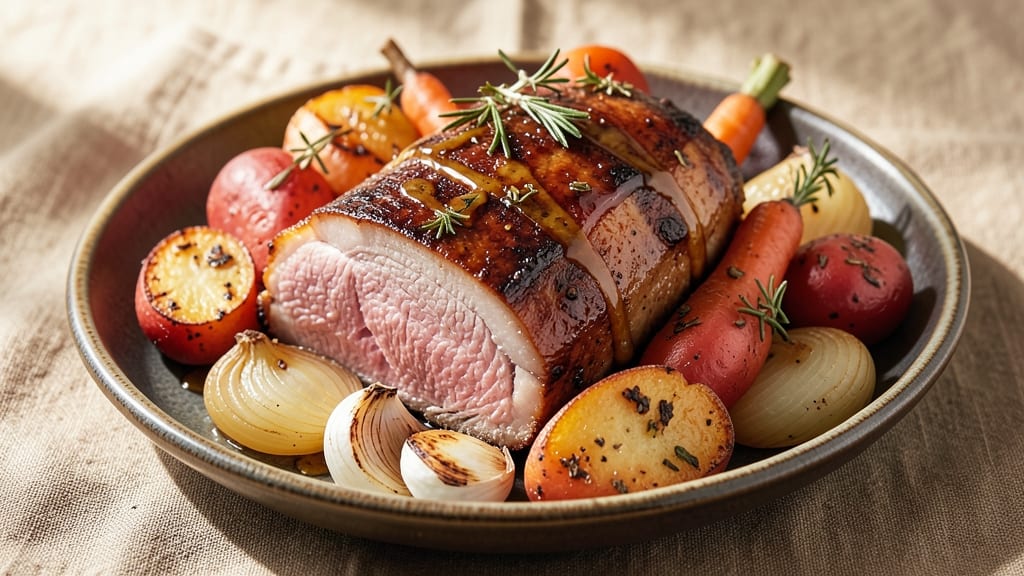
This boneless pork roast with vegetables recipe delivers restaurant-quality results with minimal effort—juicy, tender meat and crispy vegetables all on one pan. I perfected this method after years of testing, ensuring the pork stays moist while the vegetables caramelize beautifully.
The secret? High heat, proper seasoning, and a simple technique that transforms a simple roast into a showstopping meal.
What makes this recipe special is its simplicity and versatility. You'll use a one-pan approach, which means less cleanup and more time enjoying the meal.
The pork roast, seasoned with herbs and spices, roasts alongside root vegetables like carrots, potatoes, and onions, creating a harmonious blend of flavors and textures. It’s the kind of dish that feels indulgent but is actually straightforward to prepare.
By the time you pull this out of the oven, you’ll have perfectly tender pork with a golden crust and vegetables that are crispy on the edges and tender inside.
The aromas alone will have everyone gathering around the table, and the flavors—savory pork, caramelized vegetables, and aromatic herbs—will make this a new family favorite.
This recipe is ideal for weeknight dinners or special occasions, and it pairs beautifully with a simple green salad or crusty bread. Let’s get started on creating a meal that’s both impressive and effortless.
Ingredients for boneless pork roast with vegetables
High-quality pork and seasonal vegetables transform into a restaurant-worthy one-pan masterpiece.
| Ingredient | Amount | Notes |
|---|---|---|
| Boneless Pork Roast 🥩 | 2 lb | Center-cut preferred for tenderness |
| Yellow Onions 🧅 | 1 whole | Cut into 1-inch chunks |
| Carrots 🥕 | 1 ½ lb | Whole, peeled, cut into 2-inch pieces |
| Russet Potatoes 🥔 | 2 lb | Cut into 2-inch chunks, skin on |
| Garlic Cloves 🧄 | 6 cloves | Minced for even distribution |
| Fresh Rosemary 🌿 | 2 tbsp | Chopped, stems removed |
| Fresh Thyme 🌿 | 1 tbsp | Leaves only, chopped |
| Olive Oil 🫒 | ½ cup | Extra-virgin for richness |
| Kosher Salt 🧂 | 2 tbsp | Diamond Crystal preferred |
| Ground Black Pepper 🌶️ | 1 tbsp | Freshly ground for best flavor |
| Dried Oregano 🍃 | 1 tsp | For earthy depth |
| Honey 🍯 | 1 tbsp | For caramelized crust |
The pork roast is the foundation—center-cut stays juicier than shoulder cuts. Look for uniformly marbled meat at Whole Foods or your local butcher; avoid pale, grainy roasts. Vegetables should be firm and free of soft spots. Carrots and potatoes work best when cut to similar sizes for even cooking. Fresh herbs elevate the dish; Costco's organic herb bundles are a cost-effective choice if you're prepping ahead. The extra-virgin olive oil should have a peppery finish—California Olive Ranch is a reliable brand for restaurant-quality results.
No fresh rosemary? Dried rosemary at one-third the amount works, but fresh delivers superior aroma. Substitute potatoes with Yukon Golds for creamier texture or sweet potatoes for natural sweetness. Honey can be swapped with maple syrup for vegan adaptation, though it may darken the crust more aggressively. The kosher salt is non-negotiable—Diamond Crystal measures differently than Morton's, so adjust if substituting. For extra crispiness, toss vegetables in 1 tbsp cornstarch before roasting. Pre-cut vegetables from the store? Pat them thoroughly dry to prevent steaming instead of caramelizing.
Pork roast reheats beautifully—350°F for 20-25 minutes covered with foil restores moisture. Store leftovers in airtight containers for up to 5 days; freeze portions for 3 months by wrapping tightly in parchment. The vegetables crisp best when eaten fresh but can be reheated at 400°F for 10 minutes. For meal prep, portion the pork and vegetables separately—the pork stays tender longer when reheated alone. Double the recipe for crowd-friendly servings; simply increase pan size to 12-inch for even cooking.
Why You'll Love This Recipe
- One-Pan Magic: I swear by this for lazy nights—just toss everything on a sheet pan, roast, and walk away. No pots, no pans, no stress. The potatoes caramelize while the pork stays juicy, and honestly? That’s my kind of dinner.
- Garlic-Pork Magic: The moment that roasted garlic scent hits the kitchen, I know I’m in for something special. The pork soaks up the caramelized onion and garlic flavors until every bite is rich, savory, and just a little crispy on the edges.
- Leftovers for Days: Between us, this recipe makes way more than I can eat in one sitting. The pork stays tender, the veggies hold up, and reheating it? Pure comfort. I’ll be real—my lunchbox thanks me every week.
- Budget-Friendly Feast: A single pork roast stretches across multiple meals, and the veggies? Basic, cheap, and always in stock. It’s the kind of dish that makes grocery day feel like a win—no fancy ingredients, just solid, satisfying food.
Step-by-step instructions for boneless pork roast with vegetables
Master this one-pan technique for perfectly tender pork and caramelized vegetables every time.
Prep the Vegetables for Even Cooking
Start by preheating your oven to 375°F. While it heats, cut the 1 whole yellow onion into 1-inch chunks and peel the 1.5 lb carrots, cutting them into 2-inch pieces. For the 2 lb russet potatoes, cut into 2-inch chunks while leaving the skins on for texture. Toss all vegetables together in a large bowl.
In a separate small bowl, combine 2 tbsp chopped fresh rosemary, 1 tbsp chopped fresh thyme, 1 tbsp minced garlic cloves, 1 tsp dried oregano, 2 tbsp kosher salt, and 1 tbsp ground black pepper. Pour the 0.5 cup olive oil over the vegetables and toss to coat evenly. Sprinkle the herb mixture over the vegetables and toss again until everything is thoroughly coated. This ensures the vegetables develop crispy edges while staying tender inside.
Sear the Pork for Maximum Flavor
Heat a large oven-safe skillet or Dutch oven over medium-high heat. Add the 2 lb boneless pork roast and sear on all sides until golden brown, about 3-4 minutes per side. This step creates a flavorful crust while preventing the pork from drying out during the long cook. Once browned, remove the pork from the skillet and set it aside on a plate.
Real talk: Don't rush this searing step. You want that deep, caramelized crust that adds layers of flavor. If your skillet isn't hot enough, you'll steam the pork instead of searing it. You'll know it's ready when you see golden brown spots forming on the surface.
Layer and Roast for Tender Pork and Crispy Vegetables
Return the skillet to the stovetop and add the prepared vegetables. Spread them evenly in the pan, creating a single layer. Place the seared pork roast on top of the vegetables, then drizzle 1 tbsp honey over the entire pan. The honey will caramelize during roasting, adding sweetness that balances the savory flavors.
Transfer the skillet to the preheated oven and roast for 45-50 minutes, or until the pork reaches an internal temperature of 145°F and the vegetables are tender with crispy edges. I check the pork temperature with a meat thermometer inserted into the thickest part of the roast. The vegetables should be golden brown in spots and easily pierced with a fork.
Rest and Serve for Perfect Texture
Once the pork reaches the proper temperature, remove the skillet from the oven and transfer the pork roast to a cutting board. Tent loosely with aluminum foil and let it rest for 10-15 minutes. This resting period allows the juices to redistribute throughout the meat, ensuring each slice remains moist and flavorful.
While the pork rests, stir the vegetables in the skillet and return them to the oven for an additional 5-10 minutes if they need to brown further. Serve the pork sliced into medallions alongside the crispy vegetables. The contrast between the tender pork and caramelized vegetables creates a harmonious balance of textures and flavors that will impress even the most discerning palates.
Pro Tips For Making Boneless Pork Roast With Vegetables
- Par-Cook the Potatoes: Toss halved russets in cold water for 10 minutes before roasting—this keeps them from drying out into sad, mealy lumps. (Yes, even if you’re impatient like me, the extra 10 minutes makes a real difference.)
- Sear the Pork Hard: Get that pork roast screaming hot in a dry pan for 3-4 minutes per side before adding liquid—this locks in flavor and prevents it from turning into a bland, gray slab. (I learned this the hard way after serving a dinner that tasted like "meatloaf’s sad cousin.")
- Peel Carrots After Cooking: Skip the peeling step entirely and toss whole carrots (scrubbed) into the pot—they’ll soften beautifully and caramelize into sweet, tender bites. (Your future self will thank you for not wasting time peeling something you’re going to chop up anyway.)
- Layer Onions Last: Add sliced yellow onions to the pot only in the final 15 minutes of cooking—they’ll soften perfectly without dissolving into mush. (This isn’t the prettiest method, but it’s the tastiest.)
Flavor customization for boneless pork roast with vegetables
Sweet and Savory Balance
Add 1 tbsp balsamic vinegar to the honey drizzle before roasting for a tangy contrast that cuts through the richness. I often use Balsamic Glaze from Costco for that perfect balance—just reduce it on the stovetop first to thicken.
For extra depth, sprinkle 1 tsp smoked paprika over the pork before searing. 🔥
Herb Variations
Swap rosemary and thyme for 1 tbsp each of fresh sage and marjoram to bring a more Mediterranean flair. Or try 1 tbsp fresh oregano and 1 tsp lemon zest for a bright, citrusy twist.
I keep dried herbs on hand for convenience, but fresh always tastes better. Store-bought herb bundles work in a pinch!
Spicy Kick Options
For heat lovers, toss the vegetables with ½ tsp cayenne pepper before roasting. Or add 1 tbsp hot honey (mix 1 tbsp honey + ½ tsp chili flakes) to the drizzle. I like Penzeys' hot honey for an instant upgrade—just drizzle it over the pork right before serving.
Umami Boosters
Add 1 tbsp soy sauce or 1 tsp fish sauce to the vegetable toss for deeper savory notes. For a Southern touch, sprinkle 1 tbsp crushed black pepper (not ground) over the pork before roasting. The coarse texture adds a fun crunch that contrasts beautifully with the tender meat.
Vegetable Swaps
Replace potatoes with 2 lb butternut squash cubes for natural sweetness, or swap carrots for 1 lb Brussels sprouts (halved)—they crisp up beautifully. I love adding 1 red bell pepper (sliced) for color and a slight crunch.
Just make sure all veggies are cut to similar sizes for even cooking!
Cheesy Finish
Top the roasted vegetables with ½ cup shredded Gruyère or sharp cheddar in the last 5 minutes of roasting. The cheese melts into a golden blanket, adding richness. For a lighter option, use feta crumbles—they add briny contrast instead. 🧀
Nutrition facts
Frequently asked questions
Can I use a different cut of pork for this recipe?
This recipe works best with center-cut boneless pork roast (like tenderloin or loin roast) for maximum tenderness. Shoulder cuts will work but require longer cooking times (2-3 hours) and may need basting to prevent drying. If using shoulder, increase oven temp to 325°F and check doneness at 195°F internal temp.
How do I prevent the pork from drying out?
The key is proper searing and resting! First, sear the pork on medium-high heat until golden brown before roasting. Then, use a meat thermometer to pull it at 145°F—don't guess! Finally, let it rest 10-15 minutes before slicing. This redistributes juices and keeps every bite moist.
What vegetables work best with pork roast?
Root vegetables like carrots, potatoes, and onions are classic, but you can swap in Brussels sprouts, sweet potatoes, or butternut squash for variety. Just cut them to similar sizes so they cook evenly. Avoid leafy greens—they'll wilt instead of crisp up in the oven.
Can I make this recipe ahead of time?
Cook the pork and vegetables as directed, then store in airtight containers for up to 5 days in the fridge. Reheat pork separately at 350°F for 20 minutes (covered with foil) to prevent drying. Vegetables can be reheated at 400°F for 10 minutes—they'll lose some crispness but still taste great.
Why does my pork turn out tough?
Overcooking is the #1 culprit. Pork should reach 145°F—not higher! Another issue is skipping the rest time. If you slice immediately, juices escape, leaving dry meat. Also, avoid cutting the pork too thin—½-inch slices stay juicier. For extra tenderness, brining the pork for 30 minutes in saltwater before cooking helps too.