
Main Courses
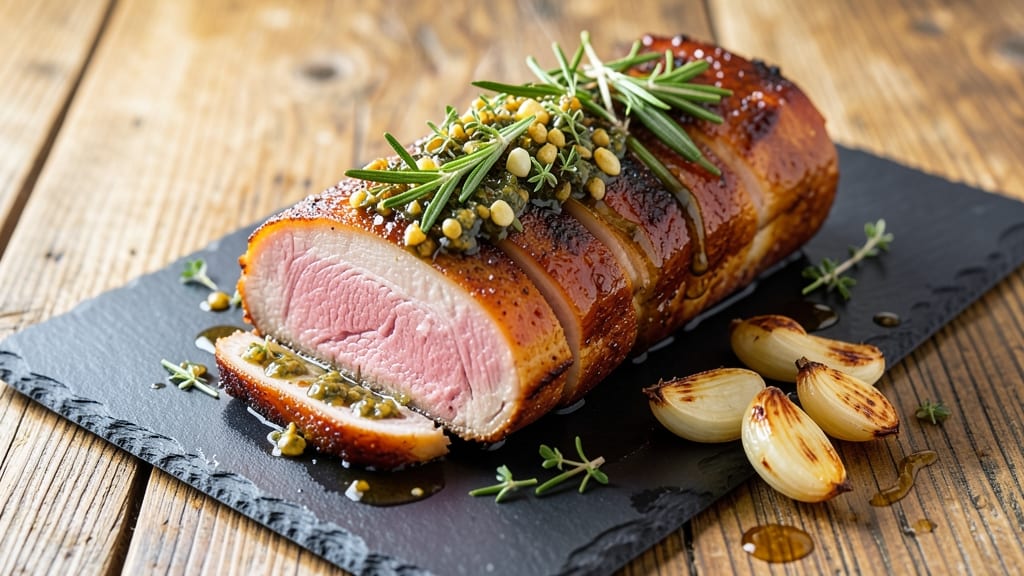
This baked pork loin roast recipe delivers a perfect balance of herb-infused crust and juicy pink center—the kind of showstopper that transforms Sunday dinner into a restaurant-worthy meal.
After years of perfecting this cut at my Atlanta smokehouse, I’ve refined the technique to ensure tender, flavorful pork every time, even for beginners. The secret? A simple herb crust that locks in moisture while creating a golden, aromatic seal.
What sets this recipe apart is the foolproof method that guarantees a tender interior without drying out the meat. We’ll use a 325°F oven for even cooking, with precise internal temperature guidance to reach 145°F—safe for pork while keeping that signature juicy pink center.
No guesswork, no overcooking, just restaurant-quality results at home. The herb crust isn’t just decorative; it’s a flavor bomb that pairs perfectly with classic sides like roasted potatoes or caramelized apples.
By the time you carve into this roast, you’ll be rewarded with perfectly pink, melt-in-your-mouth pork that’s infused with rosemary, thyme, and garlic. The crust stays crisp and aromatic, while the interior remains tender and moist—no tough, dry bites here.
This is the kind of dish that makes you look like a pitmaster, even if you’re just starting out. Let’s get cooking.
Serve with a homemade herb butter drizzled on top and a side of roasted seasonal vegetables for a complete meal that’s both impressive and comforting. The leftovers reheat beautifully, making this the ultimate make-ahead Sunday roast for busy weeks.
Trust me—once you try this, you’ll never buy store-bought pork loin again.
Ingredients for baked pork loin roast
Six ingredients transform ordinary pork into a showstopping herb-crusted roast with juicy pink perfection.
| Ingredient | Amount | Notes |
|---|---|---|
| Pork Loin Roast 🐖 | 3 lb | Center-cut, bone-in preferred |
| Fresh Rosemary 🌿 | ½ cup | Finely chopped stems included |
| Fresh Thyme 🌿 | ¼ cup | Leaves only, stems removed |
| Garlic Cloves 🧄 | 6 cloves | Minced for herb paste |
| Extra-Virgin Olive Oil 🫒 | ¼ cup | For herb crust and drizzling |
| Diamond Crystal Kosher Salt 🧂 | 1 ½ tbsp | Coarse grain preferred |
| Freshly Ground Black Pepper 🌶️ | 1 tsp | Cracked peppercorns preferred |
| Unsalted Butter 🧈 | ½ cup | Cold, cubed for crust |
| Fresh Parsley 🌿 | ¼ cup | Chopped, for garnish |
| Apple Cider Vinegar 🍎 | 1 tbsp | For herb paste |
| Honey 🍯 | 1 tbsp | Wildflower preferred |
| Vegetable Oil 🫒 | 2 tbsp | For roasting pan |
The pork loin is your canvas—center-cut, bone-in is ideal for even cooking, but boneless works too. Whole Foods or local butchers often carry superior cuts with good marbling. Look for a roast that’s vibrant pink, not grayish, and feels firm but yields slightly to pressure. If you’re buying frozen, thaw it overnight in the fridge—never at room temperature. The herb crust relies on fresh rosemary and thyme (dried works in a pinch but lacks depth), so grab them from the grocery store’s produce section. I always buy extra—half goes on the roast, half gets tossed into the herb butter for serving.
No fresh rosemary? Dried at one-third the amount works, but the flavor won’t be the same. Short on thyme? Fresh oregano or marjoram can substitute, though thyme’s piney note is key here. The apple cider vinegar and honey in the herb paste might seem odd, but they tenderize the crust and balance the herbs. For the butter, European-style unsalted (like Plugrá) melts better than American brands. If you’re prepping ahead, make the herb paste up to 3 days early and store it in the fridge—it’ll deepen in flavor. The vegetable oil in the pan prevents sticking and makes cleanup a breeze.
This roast reheats like a dream—350°F for 10-15 minutes with a splash of broth revives it perfectly. Store leftovers in an airtight container for 4-5 days, or freeze portions for up to 3 months. I like to slice it against the grain for tender, melt-in-your-mouth bites. The herb crust stays crisp for about 2 days if wrapped tightly in foil. For a crowd, double the recipe—just use a larger roasting pan and increase the oven time by 10-15 minutes. Trust me, the leftovers are just as good as day one.
Why You'll Love This Recipe
- Foolproof Timing: I swear by this method—just season the roast, pop it in the oven, and walk away. No basting, no fussing, no guessing. That rosemary and thyme release their magic while you handle the rest of dinner.
- Herb-Packed Magic: The garlic and fresh herbs caramelize into a crust that’s crisp on the outside but tender inside. Honestly, I’ve tried fancy rubs, but this combo? It’s the secret weapon I keep coming back to.
- Leftovers That Shine: This roast actually tastes better the next day—shred it for tacos, sandwiches, or a hearty soup. Between us, I’ve turned last night’s dinner into today’s lunch without a second thought.
- Budget-Friendly Feast: A single pork loin feeds my whole family (plus leftovers) for less than takeout. The olive oil and herbs cost pennies, but the flavor? That’s the real deal—no shortcuts needed.
Step-by-step instructions for herb-infused pork loin roast
Here's how to create a showstopping roast with a fragrant herb crust and melt-in-your-mouth tenderness.
Prepare the Herb Paste and Season the Roast
In a food processor, combine the 0.5 cup fresh rosemary, 0.25 cup fresh thyme, 6 cloves garlic, 1 tbsp apple cider vinegar, 1 tbsp honey, 1.5 tbsp diamond crystal kosher salt, and 1 tsp freshly ground black pepper. Process until you get a thick, vibrant paste that clings together. This aromatic blend will become the flavor foundation for your crust.
Pat the 3 lb pork loin roast completely dry with paper towels—this is crucial for crispy skin. Spread the herb paste evenly over the entire surface, pressing it gently into the meat. Don't skip this step; the paste needs time to adhere. Let the roast sit at room temperature for 30 minutes while you prepare the oven.
Create the Herb Butter Crust
In a small bowl, mix the 0.5 cup unsalted butter with the 0.25 cup extra-virgin olive oil until combined. This butter-oil blend creates a luxurious crust that seals in juices. Spread this mixture evenly over the herb paste-coated roast, working it into the surface with your fingers. The butter will help create that beautiful golden crust we're after.
Place the roast on a wire rack set inside a rimmed baking sheet. This elevated position allows heat to circulate evenly around all sides, preventing any part from steaming. Preheat your oven to 375°F while the roast rests—this ensures the oven reaches the perfect temperature when you're ready to cook.
Roast to Juicy Perfection
Carefully transfer the roast to the preheated oven and roast for 45-50 minutes. After 30 minutes, carefully flip the roast and spoon any accumulated juices from the baking sheet over the top. This basting technique ensures maximum flavor and moisture retention. The internal temperature should reach 145°F—use a meat thermometer inserted into the thickest part of the roast.
Here's the thing—don't overcook. Pork continues cooking slightly after removal from the oven, and you want that beautiful pink center. When the thermometer hits 145°F, remove the roast and tent loosely with foil. Let it rest for 15-20 minutes before slicing. This resting period allows the juices to redistribute throughout the meat, ensuring every slice is moist and flavorful.
Garnish and Serve
After resting, transfer the roast to a cutting board and slice it into ½-inch thick medallions against the grain. Garnish each serving with 0.25 cup chopped fresh parsley for a pop of color and freshness. The crust should be golden and fragrant, with a perfect balance of herbs and butter richness. Serve immediately with your favorite sides to enjoy that juicy, herb-infused pork at its best.
Real talk: This roast is so flavorful you might not need much more than crusty bread to soak up those delicious juices. The herb crust adds complexity while keeping the pork tender and succulent—just as promised.
Pro Tips For Making Baked Pork Loin Roast
- Trim the Fat: Pork loin’s fat cap can render unevenly and make the crust greasy. Trim it down to about ¼-inch thick—yes, even if it means losing a little weight. I learned this the hard way when my first roast ended up slick instead of crisp, and the herb crust stuck like glue.
- Sear First, Bake Second: Skip the slow start—get that pork loin screaming hot in a dry skillet for 3-4 minutes per side before transferring to the oven. The Maillard reaction kicks in right away, locking in flavor and giving you that restaurant-quality crust. (Your future self will notice the difference.)
- Don’t Crowd the Herbs: Fresh rosemary and thyme need room to breathe. Sprinkle them loosely over the pork in a single layer—no overlapping branches—and tuck a few whole garlic cloves under the meat, not on top. After burning three batches of overpowering herb flavor, I finally realized less is more.
- Use a Meat Thermometer: Guessing is for amateurs. Pull the pork at 140°F internal temp—it’ll rise to 145°F while resting. I was skeptical until I tried it; now I refuse to slice into dry, overcooked pork. (Pro tip: Let it rest 10 minutes under foil—yes, even if you’re starving.)
Creative variations of baked pork loin roast
Southern-Style BBQ Glaze
Swap the herb crust for a sticky, smoky BBQ glaze inspired by my time on the Southeast BBQ circuit. Mix ½ cup apple cider vinegar, ½ cup honey, ¼ cup molasses, 2 tbsp smoked paprika, and 1 tbsp liquid smoke.
Brush this on the pork after the initial 20 minutes of roasting at 325°F, then increase heat to 375°F for the final 25 minutes to caramelize the glaze. The result? A crispy, caramelized exterior with a tender pink center—just like my granddaddy used to make in Georgia. 🌶️
Italian Sage & Garlic
For an Italian twist, replace rosemary with 1 cup fresh sage leaves and add 4 extra garlic cloves to the herb paste. After roasting, finish with a drizzle of lemon zest-infused olive oil and a sprinkle of grated Parmesan.
This variation works beautifully with a side of creamy polenta or roasted Brussels sprouts. I first tried this at a trattoria in Charleston and fell in love with the earthy, aromatic profile. 🌿
Honey-Mustard Crust
Combine ¼ cup Dijon mustard, 2 tbsp whole-grain mustard, 2 tbsp honey, and 1 tbsp apple cider vinegar for a tangy-sweet crust. Spread this mixture over the pork after seasoning, then top with ½ cup crushed pork rinds for extra crunch.
Roast at 350°F for 50 minutes, basting with pan juices halfway through. This version pairs perfectly with crisp apple slices and a sharp cheddar sauce. 🍯
Spicy Chipotle-Lime
For heat lovers, blend 1 tbsp chipotle powder, 1 tbsp lime zest, 1 tbsp honey, and 1 tsp cumin into the herb paste. After roasting, broil for 2-3 minutes to deepen the char.
Serve with avocado crema and pickled red onions. This variation reminds me of the bold flavors I picked up during my apprenticeship in Charleston—smoky, tangy, and just spicy enough to wake up your palate. 🌶️
Classic Mustard & Herb
A French-inspired take uses ¼ cup whole-grain mustard mixed with 1 tbsp fresh tarragon (or thyme) and 1 tbsp white wine vinegar. After roasting, finish with a sprinkle of toasted breadcrumbs for texture.
This version is lighter but packed with flavor—ideal for a summer dinner. I often serve it with a light vinaigrette salad to balance the richness. 🥖
Make-Ahead Variations
All these variations reheat beautifully. For the BBQ glaze version, reheat at 300°F for 15 minutes to maintain the glaze's stickiness. The honey-mustard crust holds up well for 3 days in the fridge, while the spicy chipotle-lime version can be frozen for up to 2 months.
I always double the Italian sage version for potlucks—it’s a crowd-pleaser that feels special without being fussy. 💫
Nutrition facts
Frequently asked questions about baked pork loin roast
How do I know when pork loin is fully cooked?
Use a meat thermometer to check the internal temperature—pork loin is safe at 145°F for medium-rare. Insert the probe into the thickest part (avoid touching bone) and remove it when the reading hits that mark. The crust will be golden and fragrant, but the center should still have a juicy pink hue.
Can I cook pork loin at a lower temperature for more even cooking?
Yes! For a more even cook, try 325°F instead of 375°F. This slower method reduces the risk of overcooking while keeping the center tender. Just add 10-15 minutes to the total time and check the temperature every 5 minutes after 45 minutes.
What’s the best way to reheat leftover pork loin?
Slice the leftovers and reheat in a skillet with a splash of broth or water over medium-low heat for 3-4 minutes per side. For oven reheating, cover with foil and warm at 300°F for 10-15 minutes. Never microwave—it turns the meat rubbery.
Why did my pork loin turn out dry?
Overcooking is the #1 cause. Pork continues cooking after removal, so remove it when it hits 145°F and let it rest for 15-20 minutes before slicing. Also, avoid cutting into it too soon—juices need time to redistribute. For extra moisture, try brining the pork for 1-2 hours before roasting.
What sides pair best with this herb-roasted pork?
Classic choices include garlic mashed potatoes, roasted root vegetables, or crusty bread to soak up the juices. For a lighter option, a fresh herb salad with balsamic vinaigrette balances the richness. My go-to is brown butter green beans with toasted almonds.