
Main Courses
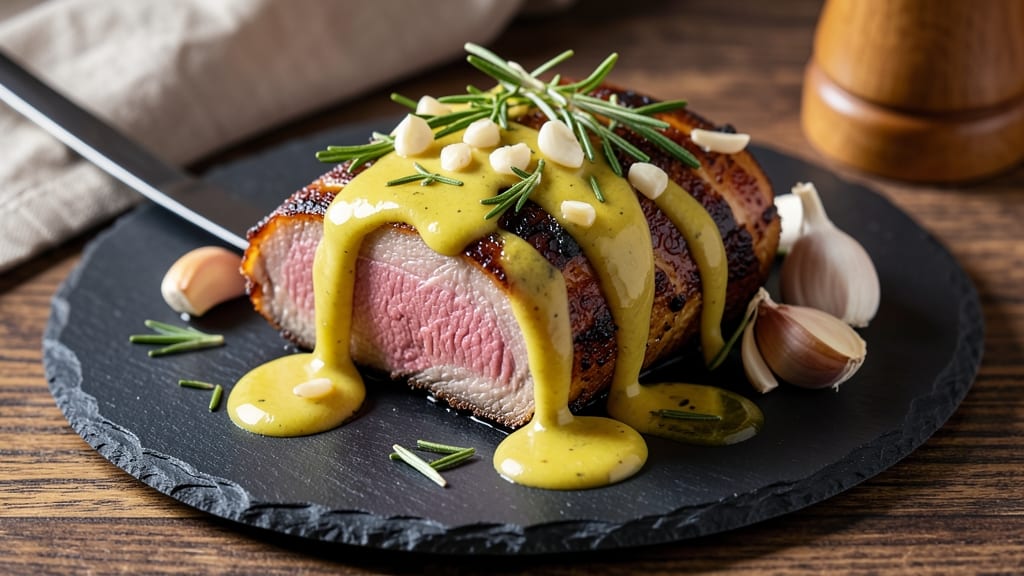
This broiled pork recipe delivers that perfect balance of smoky crust and juicy pink centers—the kind of dish that transforms a simple weeknight meal into something restaurant-worthy. 🔥 I developed this technique during my time in Charleston, where we learned that high-heat broiling creates an irresistible caramelized exterior while keeping the interior tender and moist.
The secret lies in proper seasoning and precise timing, ensuring every bite is packed with flavor without drying out the meat.
What sets this recipe apart is its adaptability—whether you're cooking for a family dinner or a special occasion, the method remains consistent. You'll start with a simple marinade of mustard, garlic, and herbs, which tenderizes the meat and infuses it with deep, savory notes.
The broiling process itself is straightforward but requires attention to detail: high heat, proper rack placement, and just enough time to achieve that perfect sear without overcooking.
By the time you're done, you'll have pork chops or tenderloin slices with a crispy, golden-brown crust that crackles with every bite, while the inside remains tender and succulent.
The aroma alone will have everyone gathering around the table, and the flavor is rich, smoky, and deeply satisfying—exactly what you want from a well-executed broiled pork dish.
Serve with a side of roasted vegetables, mashed potatoes, or a fresh salad to round out the meal. This recipe is designed to impress, whether you're cooking for a crowd or treating yourself to a special dinner. Let's get started on creating that perfect broiled pork experience.
Ingredients for broiled pork
This smoky, juicy pork recipe needs just 13 ingredients—all pantry staples or quick grocery finds.
| Ingredient | Amount | Notes |
|---|---|---|
| Pork Tenderloin 🐖 | 1 ½ lb | Center-cut, trimmed of fat |
| Yellow Mustard 🍯 | ¼ cup | Dijon preferred for depth |
| Garlic Cloves 🧄 | 4 cloves | Minced for marinade |
| Fresh Rosemary 🌿 | 1 tbsp | Finely chopped, fresh only |
| Fresh Thyme 🌿 | 1 tbsp | Leaves only, fresh preferred |
| Olive Oil 🫒 | ¼ cup | Extra-virgin for richness |
| Salt 🧂 | 1 ½ tsp | Diamond Crystal preferred |
| Black Pepper 🌶️ | 1 tsp | Freshly cracked |
| Smoked Paprika 🌶️ | ½ tsp | For smoky depth |
| Brown Sugar 🍚 | 1 tbsp | Lightly packed |
| Honey 🍯 | 1 tbsp | Wildflower preferred |
| Lemon Juice 🍋 | 1 tbsp | Freshly squeezed |
| Balsamic Vinegar 🍶 | 1 tbsp | For tangy balance |
The pork tenderloin is your star—center-cut and trimmed for even cooking. Costco or local butchers usually carry the best quality, but any grocery store's fresh pork section works. Look for pieces with good marbling and a vibrant pink color. If you can't find tenderloin, boneless pork chops work too, but slice them thinner for consistent broiling. The marinade ingredients are all about balance: the mustard tenderizes, garlic and herbs add depth, while honey and brown sugar create that caramelized crust we're after.
No Dijon mustard? Regular yellow mustard works—just add a pinch of sugar to mimic the depth. Fresh herbs missing? Dried rosemary and thyme at half the amount get you close. Out of smoked paprika? Regular paprika plus a dash of liquid smoke creates that smoky flavor. The honey and brown sugar combo is non-negotiable for that perfect crust—substitute maple syrup if you're avoiding honey. For extra tenderness, let the pork soak in the marinade for at least 2 hours, or overnight if you can.
Marinated pork keeps 2-3 days in the fridge, but broil it same-day for best results. The marinade itself lasts 1 week in an airtight container. Leftovers reheat beautifully—10 seconds in the microwave or 30 seconds in a skillet with a splash of water. For meal prep, slice the cooked pork thin and store in portions. The crust gets crispier when reheated, so it's worth the extra minute.
Why You'll Love This Recipe
- Two-Ingredient Rub: I swear by this combo—just mustard and herbs. No fancy marinades, no waiting. The mustard clings to the pork like glue, and the rosemary-thyme mix? It’s like a little flavor bomb that doesn’t require a degree to pull off.
- Crispy Without Fuss: Broiling gives you that perfect crust—golden edges, juicy inside—without standing over a pan. I’ve tried grilling this same recipe, and honestly? The broiler wins for hands-off ease. Ten minutes, one flip, done.
- Weeknight to Dinner Party: Same recipe, totally different vibes. Serve it sliced thin with crusty bread for a lazy Tuesday, or platter-style with roasted veggies for guests. The garlic and rosemary smell alone makes everything feel special—no extra effort needed.
- Leftovers That Don’t Suck: Cold pork tenderloin? Actually delicious. Shred it for sandwiches, dice it into salads, or reheat slices in a pan for breakfast hash. Between us, I’ve eaten this for lunch three times this week and still crave it. That’s the test of a winner.
Step-by-step instructions for broiled pork with smoky crust
Here's how to transform simple ingredients into tender, juicy pork with a perfect smoky crust.
👨🍳 Step 1: Create the Flavor-Packed Marinade
In a medium bowl, whisk together all 0.25 cup yellow mustard, 0.25 cup olive oil, 1 tbsp brown sugar, 1 tbsp honey, 1 tbsp lemon juice, 1 tbsp balsamic vinegar, 1.5 tsp salt, 1 tsp black pepper, 0.5 tsp smoked paprika, 4 cloves minced garlic, 1 tbsp chopped fresh rosemary, and 1 tbsp fresh thyme. This marinade packs a flavor punch with tangy, sweet, and herby notes that'll penetrate every inch of the pork.
I like to mix it vigorously with a fork until the sugar and honey dissolve completely. The mustard helps emulsify the oil, so you won't end up with a separated marinade. Let it sit for 5 minutes while you prep the pork—this gives the flavors time to meld together beautifully.
🥘 Step 2: Coat and Rest the Pork
Pat the 1.5 lb pork tenderloin completely dry with paper towels—this is crucial for getting that perfect crust. The drier the surface, the better the sear. Place the pork in a shallow dish and pour the marinade over it, turning to coat all sides thoroughly. You'll want to get every inch covered, including the ends.
Cover the dish with plastic wrap and refrigerate for at least 2 hours (I prefer 4 hours for maximum flavor penetration). This resting time allows the pork to absorb the marinade while keeping it tender. If you're short on time, even 30 minutes at room temperature will help, but don't skip this step entirely—it makes all the difference.
🔥 Step 3: Preheat and Broil to Perfection
Preheat your broiler to high and position the oven rack 4 inches from the heating element. This close proximity is key for getting that beautiful smoky crust without overcooking the interior. Line a baking sheet with aluminum foil for easy cleanup, then place a wire rack on top to allow air circulation underneath the pork.
Remove the pork from the marinade (let any excess drip off) and place it on the rack, fat-side up if possible. Broil for 8-10 minutes until the exterior develops a deep golden-brown crust with visible grill marks. Here's the thing—don't walk away! Check it frequently after the first 5 minutes to prevent burning. The pork is done when the internal temperature reaches 145°F on a meat thermometer.
⏰ Step 4: Rest and Slice for Maximum Juiciness
Once the pork reaches 145°F, immediately transfer it to a cutting board and let it rest for 10 minutes (this is non-negotiable for juicy meat). The resting period allows the juices to redistribute throughout the pork instead of running out when you slice it. If you cut into it too soon, you'll end up with dry pork—trust me, it's worth the wait.
Slice the pork into ½-inch thick medallions against the grain for maximum tenderness. The exterior should be beautifully caramelized with a smoky aroma, while the inside remains juicy and pink in the center. Serve immediately with any leftover pan juices drizzled on top for extra flavor. This dish pairs perfectly with roasted vegetables or a fresh salad to balance the richness.
Pro Tips For Making Broiled Pork
- USE HIGH HEAT FIRST: The broiler’s job is to sear, not bake—blast that pork tenderloin on high for the first 4-5 minutes until the mustard glaze turns golden and sticky. After that, drop it to medium if your oven runs hot, or you’ll end up with charred rosemary and sad garlic.
- CHOP HERBS FINE: Fresh rosemary and thyme look pretty whole, but they’ll cling better and release flavor faster if you snip them into tiny pieces with kitchen shears. I used to toss in sprigs and wonder why the seasoning felt half-hearted—now the aroma clings to every bite.
- DON’T SKIP THE REST: Pork tenderloin finishes cooking fast, but cutting into it right off the broiler means dry, stringy meat. Tent it with foil and let it sit for 5-10 minutes—your knife will glide through it like butter, and the juices redistribute.
- BRUSH MUSTARD THINLY: A thick layer of mustard will burn before the pork is done. Mix it with a splash of olive oil (about 1 tsp per 2 tbsp mustard) to thin it out—this way, it caramelizes instead of turning bitter. Trust me, you’ll taste the difference.
Dietary considerations for these flavors
Gluten-Free Adaptations
This recipe is naturally gluten-free, but I always double-check marinade ingredients—some mustards contain hidden gluten. Use Dijon-style mustard from brands like Maille or French's Classic Yellow Mustard, both certified gluten-free. The smoked paprika and balsamic vinegar are also safe, but verify labels if you're highly sensitive. 🌾
Low-Carb Options
For a lower-carb version, reduce the brown sugar to ½ tbsp and omit the honey entirely. The marinade still delivers depth with garlic, herbs, and mustard. If you're strict keto, use sugar-free maple syrup (like Lakanto) instead of honey—it mimics the caramelization without the sugar spike.
The crust will be slightly less pronounced but still delicious.
Dairy-Free Considerations
This recipe is dairy-free by default, but always check your olive oil and balsamic vinegar for processing additives. If you're avoiding all animal products, substitute honey with agave nectar (though it lacks the same depth).
The mustard and herbs provide enough richness to keep the flavor profile intact without dairy. 🥑
Allergen-Friendly Swaps
For nut allergies, ensure your olive oil is refined (not cold-pressed) to avoid potential cross-contamination. If you're allergic to mustard, replace it with 1 tbsp apple cider vinegar plus 1 tsp soy sauce (or coconut aminos for soy-free).
The vinegar adds tang while the soy sauce provides umami depth. Always test for cross-contamination if allergies are severe.
Protein Adjustments
If you need higher protein, increase the pork portion to 2 lbs and adjust marinade quantities proportionally. For lower protein (like for diabetic diets), reduce to 1 lb pork and pair with extra vegetables.
The marinade's flavor intensity means even smaller portions pack a punch. I've served this with cauliflower mash for a lighter meal that still satisfies.
Nutrition facts
Frequently asked questions
Can I use pork chops instead of tenderloin for this recipe?
For bone-in pork chops, choose 1-inch thick cuts and broil for 10-12 minutes per side. For boneless chops, slice them ½-inch thick and broil 6-8 minutes total. The marinade works perfectly on chops, but reduce the marinating time to 1 hour since they're thinner.
Why does my broiled pork turn out dry?
Overcooking is the #1 cause! Use a meat thermometer and stop at 145°F—never let it reach 160°F. Also, skip the resting time? Big mistake! Let the pork rest 10 minutes after broiling so juices redistribute. For extra moisture, brush with 1 tbsp olive oil before broiling.
How do I get that perfect smoky crust without a grill?
The broiler creates that smoky flavor through high, dry heat. For extra smokiness, add ½ tsp liquid smoke to the marinade. For a deeper crust, broil on a wire rack over a baking sheet with 1 cup hot wood chips (soaked in water first) placed on the rack below.
Can I make this ahead of time?
Marinate the pork overnight for maximum flavor, but broil it fresh. For meal prep, slice the cooked pork and store in portions with a drizzle of pan juices. Reheat in a 350°F oven for 10 minutes or 1 minute in a skillet with a splash of water to restore moisture. The crust gets crispier when reheated!
What's the best way to serve this broiled pork?
Pair with roasted Brussels sprouts with bacon or creamy mashed sweet potatoes for Southern comfort. For a lighter option, serve with a spinach salad topped with balsamic glaze. The smoky pork also works beautifully in sandwiches** with whole-grain bread and mustard mayo.