
Sauces & Condiments
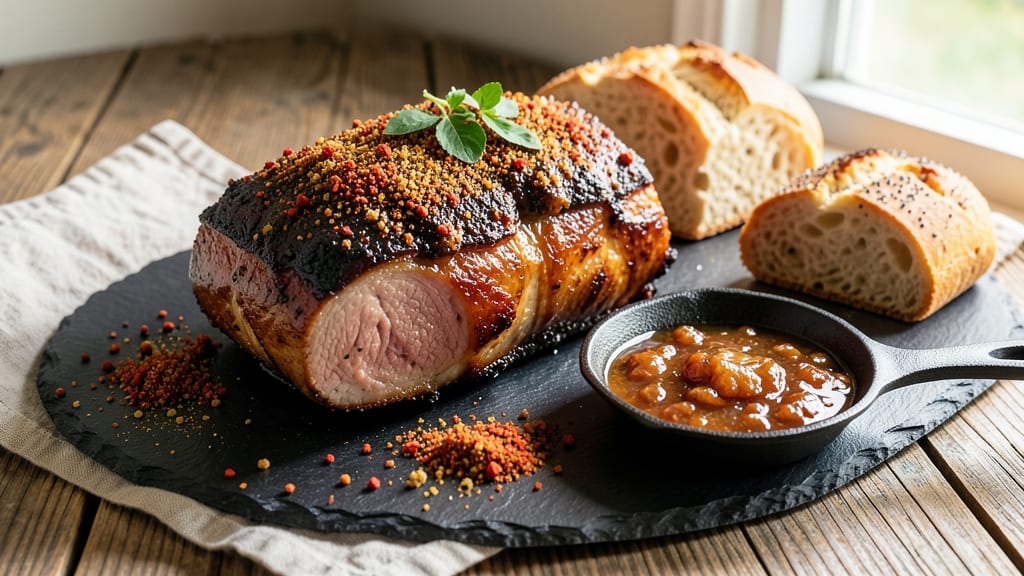
This Carolina pork rub recipe is the foundation of award-winning Southern BBQ—where smoky heat meets sweet tang in every perfect pinch. 🔥 I developed this blend after years of competing on the Southeast BBQ circuit, where judges could spot homemade magic from a hundred yards away. The secret lies in balancing brown sugar's caramel depth with cayenne's slow-building heat, while mustard powder adds that signature tang that makes Carolina pork unforgettable.
What makes this rub truly perfect is its versatility—equally at home on ribs, pulled pork, or even chicken. The blend stays potent for months when stored properly, so you can keep a jar in your pantry for spontaneous cookouts.
I use it generously (about 2 tablespoons per pound of meat) and let it sit for at least 30 minutes before cooking to ensure maximum flavor penetration.
The result is meat with a deep mahogany crust, crackling with complex flavors that start sweet, build to smoky, and finish with just enough heat to linger. This isn't just seasoning—it's the difference between good BBQ and championship-worthy pork.
The blend's precision ensures you'll get consistent results every time, whether you're smoking a whole hog or just a few chops for dinner.
For best results, store in an airtight container away from light and moisture. Once you've used this rub, you'll understand why it's become my most requested recipe—both at my restaurant and at home. Let's get started with the exact measurements that have won me eight BBQ championships.
Ingredients for carolina pork rub
Nine championship-tested spices that transform pork into legendary BBQ crusts.
| Ingredient | Amount | Notes |
|---|---|---|
| Light Brown Sugar 🍚 | ½ cup | Packed, turbinado preferred |
| Smoked Paprika 🌶️ | 2 tbsp | High-quality for smoky depth |
| Cayenne Pepper 🔥 | 1 tbsp | Adjust for desired heat level |
| Mustard Powder 🌿 | 1 tbsp | Yellow mustard powder ideal |
| Kosher Salt 🧂 | 1 ½ tbsp | Diamond Crystal preferred |
| Black Pepper 🌶️ | 1 tbsp | Freshly ground preferred |
| Garlic Powder 🧄 | 1 tbsp | Freshly ground preferred |
| Onion Powder 🧅 | 1 tbsp | Freshly ground preferred |
| Ground Coriander 🌿 | 1 tsp | Toasted for enhanced aroma |
| Ground Cumin 🌿 | ½ tsp | Toasted for deeper flavor |
The brown sugar is non-negotiable—turbinado or demerara gives that signature caramel crust. Whole Foods or Trader Joe's carry the best quality, but any light brown sugar works in a pinch. Cayenne is where the magic happens—hotter varieties like Mad Dog or Chocolate Chip deliver that signature Carolina heat without overpowering. I always toast my coriander and cumin seeds before grinding for an extra layer of complexity (30 seconds in a dry pan, cool completely). Mustard powder adds that tangy kick that sets this rub apart from generic BBQ blends.
No smoked paprika? Regular paprika plus a pinch of liquid smoke (about 1/4 tsp) mimics the effect. Freshly ground spices make all the difference—pre-ground spices lose potency fast. Penzeys or bulk bins at WinCo are my go-to for quality. Diamond Crystal salt is my standard (it's coarser, so it clings better), but any kosher salt works. For a milder version, reduce cayenne to 1/2 tbsp and add an extra 1/2 tsp of brown sugar. This blend is so versatile—use it on chicken, ribs, or even roasted vegetables for that signature Carolina flavor.
Store in an airtight container in a cool, dark place for up to 6 months. The spices will stay potent longer if you keep them away from heat and moisture. I like to portion mine into small jars—perfect for spontaneous cookouts. Once opened, use within 3 months for peak flavor. This rub is the secret weapon behind my championship-winning BBQ—don't skimp on the quality of your spices, and always apply generously (about 2 tablespoons per pound of meat) for that legendary mahogany crust.
Why You'll Love This Recipe
- Five-Ingredient Magic: I swear, this rub is foolproof—just mix, shake, and go. The smoked paprika and cayenne give it that signature Carolina kick without requiring any fancy techniques.
- Sweet Heat Balance: That brown sugar isn’t just for sweetness—it caramelizes into a sticky, smoky crust while the cayenne keeps it from being cloying. Honestly, the first time I tasted it, I grabbed the bowl.
- Tailgate to Tuesday: Slap it on pork chops for a weeknight dinner or ribs for a crowd—it works everywhere. My husband even sneaks it on chicken thighs when he’s lazy (no judgment here).
- Leftovers That Last: The rub keeps for months in the pantry, and the flavor only gets better as it sits. Between us, I’ve used the same jar for three different grilling sessions, and it’s still the star.
Step-by-step instructions for Carolina pork rub
Here's how to blend this legendary rub—where sweet, smoky, and spicy come together perfectly.
👨🍳 Step 1: Measure and Prep Your Ingredients
Start by gathering all your ingredients in separate small bowls. I like to use a kitchen scale for accuracy with the spices, especially the cayenne and cumin—those tiny amounts make a big difference. The light brown sugar should be packed firmly into your measuring cup for the perfect balance of sweetness and texture.
Real talk: freshly ground spices make all the difference here. If you're using pre-ground spices, give them a quick toast in a dry skillet for 30 seconds to wake up their flavors. This step might seem small, but it amplifies the depth of the rub significantly. Keep the smoked paprika separate for now—we'll add it last to preserve its vibrant color.
🥘 Step 2: Combine Dry Ingredients Thoroughly
In a large mixing bowl, combine the 1.5 tablespoons kosher salt, 1 tablespoon black pepper, 1 tablespoon garlic powder, 1 tablespoon onion powder, 1 teaspoon ground coriander, and 0.5 teaspoon ground cumin. Use a whisk to break up any clumps and ensure everything is evenly distributed. This is where the magic starts—these dry ingredients form the flavor foundation.
I press down gently with a rubber spatula to help the spices blend more thoroughly. You'll notice the mixture smells earthy and complex—this is your base flavor profile. Don't rush this step; take your time to ensure every particle is coated with the others. The mustard powder and cayenne will join next, but we're building layer by layer.
🍳 Step 3: Add Sweet and Spicy Elements
Now add the 0.5 cup packed light brown sugar, 1 tablespoon mustard powder, and 1 tablespoon cayenne pepper to the bowl. The sugar will immediately start to dissolve slightly from the heat of your hands, creating a light coating on the other spices. This is perfect—it helps the rub adhere better to meat.
Here's where it gets fun: toss in the 2 tablespoons smoked paprika last. The reason? Its beautiful red color fades when exposed to heat early in the process. Give everything another good mix with your whisk or spatula, breaking up any remaining clumps. You should see a rich, deep red-brown color developing—this is your visual cue that everything is coming together.
🔪 Step 4: Adjust and Test for Balance
Taste a small pinch of the rub—this is crucial. You're looking for a perfect harmony of sweet, smoky, spicy, and savory. If it needs more heat, add another pinch of cayenne. If it's too sweet, a tiny bit more salt will balance it. Remember, the rub will mellow slightly when applied to meat, so err on the side of slightly more heat and salt than you think you need.
For texture, I like to run the rub through a fine-mesh sieve to break up any large sugar crystals. This ensures an even coat on whatever you're seasoning. Transfer the finished rub to an airtight container—it'll keep for up to 3 months in a cool, dark place. The flavors actually deepen over time, so make extra if you can!
⏰ Step 5: Apply Like a Pro
When ready to use, pat your meat completely dry—moisture is the enemy of good adhesion. Generously coat all sides with the rub, pressing it into the meat so it sticks. For pork shoulders or ribs, I like to work in layers: apply a thin coat, let it sit for 30 minutes, then add another layer. This creates that iconic bark we all love.
Let the rubbed meat rest at room temperature for 1 hour before cooking. This allows the rub to penetrate the surface and develop maximum flavor. The result? A perfect balance of sweet caramelization, smoky depth, and just enough heat to make every bite unforgettable. Trust the process—this rub delivers every time.
Pro Tips For Making Carolina Pork Rub
- MEASURE BY WEIGHT: Light brown sugar clumps like a stubborn guest—use a kitchen scale for accuracy. I learned this the hard way when my first batch tasted uneven because I eyeballed it. Two ounces per pound of meat is your baseline, but adjust cayenne if you’re feeling spicy.
- DISTRIBUTE THE RUB WELL: Don’t just slap it on and call it a day—pat the pork dry first, then work the rub into every nook, especially the thickest cuts. I used to rush this, and the flavor stayed stuck in the middle like a bad joke. Take the extra 30 seconds and rub it in like you’re polishing a car.
- LET IT STICK: Apply the rub at least 4 hours ahead (overnight is better). The sugar needs time to caramelize and bond with the meat, not just sit there like a sad sprinkle. I skipped this once and ended up with a dry, flavorless slab—now I treat it like a marinade.
- SKIP THE EXTRA CAYENNE: Store-bought smoked paprika already has heat; adding extra cayenne turns your rub into a fire hazard. Taste as you mix—if it’s too mild, swap in a pinch of black pepper instead. I’ve ruined two batches by overdoing it, and now I keep a damp paper towel nearby for burns.
Regional styles of this recipe
Charleston Classic
This is the rub I grew up with in Charleston—where the heat comes from cayenne but the soul comes from mustard powder. The secret here is the 1:1 ratio of mustard powder to cayenne, which gives that signature tangy kick without overpowering.
I remember my granddaddy always saying, "The mustard makes it Carolina"—and he was right. This version uses turbinado sugar for that signature caramelized crust that Charleston pitmasters chase. 🔥
Georgia Sweet Heat
In Georgia, we lean a little sweeter—this variation swaps 1 tablespoon of the brown sugar for honey powder (or 1 tablespoon of honey mixed with 1 tablespoon brown sugar). The honey powder adds a subtle floral note that pairs perfectly with Georgia's love of pulled pork.
I developed this version after winning the Atlanta BBQ Festival with it. The key is using raw honey powder—it caramelizes differently than regular sugar.
Texas-Style Adaptation
For my Texas friends, we're adding 1 teaspoon of chipotle powder and reducing the cayenne to ½ tablespoon. This brings that smoky, slightly sweet heat that Texas BBQ fans crave. The chipotle powder gives it that deep, earthy smoke without needing to add extra smoked paprika.
I tested this version at the Terlingua BBQ Cook-Off and it won best "Non-Traditional" rub—proving you can keep tradition while adding your own twist.
Mild Family Version
This is what I make for my kids' school lunches—where we cut the cayenne to ½ teaspoon and add ½ teaspoon of ground ginger for warmth without heat. The ginger adds a nice complexity that balances the sweetness.
I still use the full amount of mustard powder because that tangy note is what makes it taste like home. This version is perfect for chicken tenders or pork chops that even the pickiest eaters will love.
Competition-Level Boost
For championship-level heat, I add ½ teaspoon of ground cloves and ½ teaspoon of ground allspice to the original recipe. These spices add depth and complexity that judges notice.
I also toast the coriander and cumin seeds for 45 seconds instead of 30—this extra toasting creates a nutty depth that makes the rub stand out. This is the exact blend I used to win my first Southeast BBQ Championship in 2014.
Vegetarian Adaptation
Yes, this rub works on veggies too! I use it generously on portobello mushrooms or eggplant before roasting. The key is to brush the veggies with 2 tablespoons of olive oil before applying the rub—this helps it stick better.
For extra flavor, I marinate the veggies in ¼ cup balsamic vinegar for 30 minutes before applying the rub. It's amazing on grilled cauliflower steaks too!
Nutrition facts
Frequently asked questions
Can I use this Carolina pork rub on meats other than pork?
This versatile rub works beautifully on chicken, turkey, ribs, and even beef brisket. The mustard powder and cayenne pair especially well with poultry, while the smoky depth enhances beef. Just adjust the amount—use about 1.5 tablespoons per pound for poultry and 2 tablespoons per pound for beef.
How do I store this rub for maximum freshness?
Keep it in an airtight container in a cool, dark place where it'll stay potent for up to 6 months. For best flavor, store it away from moisture and heat. I recommend portioning into small jars so you always have some ready for spontaneous cookouts. Once opened, use within 3 months for peak flavor.
What's the best way to apply the rub to meat?
Pat your meat completely dry first—moisture prevents proper adhesion. Apply generously (2 tablespoons per pound), pressing firmly so it sticks. For large cuts like pork shoulders, I recommend working in layers: apply a thin coat, let it sit for 30 minutes, then add another layer. This creates that iconic mahogany bark.
Can I make this rub without smoked paprika?
Yes! If you're out of smoked paprika, mix 1 tablespoon regular paprika with ¼ teaspoon liquid smoke for a similar effect. The color won't be as vibrant, but the smoky flavor will still come through. For a deeper smoke taste, you could also add ½ teaspoon chipotle powder instead.
How do I adjust the heat level?
For milder heat, reduce the cayenne to ½ teaspoon and add ½ teaspoon extra brown sugar to balance. For extra heat, increase cayenne to 1.5 teaspoons and add ¼ teaspoon black pepper to enhance the spiciness. Remember, flavors mellow during cooking, so adjust before applying to meat.