
Sauces & Condiments
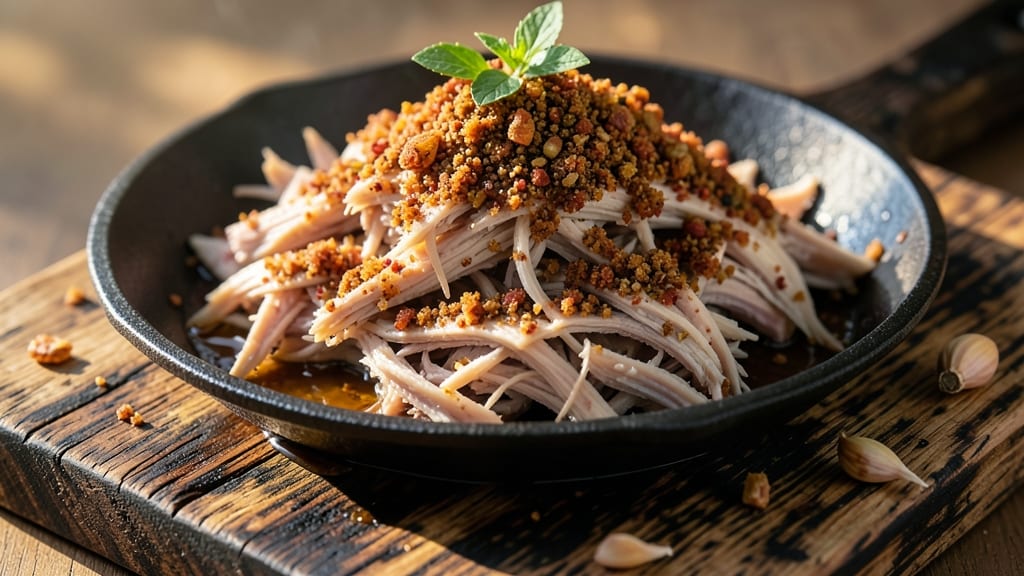
This Big Green Egg pulled pork rub recipe transforms ordinary pork shoulder into tender, flavor-packed masterpieces with a smoky-spiced crust that falls apart perfectly. 🔥 I developed this blend after years of perfecting competition-winning pulled pork, where the right rub makes all the difference between good and unforgettable.
The secret lies in balancing heat, sweetness, and earthy depth—creating that signature bark while keeping the meat juicy inside.
What sets this rub apart is its precision: coarse-ground spices cling to the meat without overwhelming it, while brown sugar caramelizes beautifully during smoking. I use a mix of paprika, garlic powder, and cayenne for heat, but it's the black pepper and mustard powder that elevate it to championship-level flavor.
This isn't just a rub—it's the foundation for show-stopping pulled pork that'll have your guests asking for seconds.
The beauty of this dry blend is its versatility. Store it in an airtight container for up to 6 months, ready to transform any pork shoulder into tender perfection. Whether you're cooking for a crowd or a family gathering, this rub delivers restaurant-quality results with minimal effort.
The key is applying it generously before smoking—let that crust develop, and you'll have meat so flavorful it practically shreds itself.
Perfect for your Big Green Egg, pellet grill, or even the oven, this rub works every time. The spices are measured to create a bold yet balanced flavor profile that complements the natural richness of pork.
Once you try it, you'll never go back to store-bought blends again. Let's get started on that smoky, spiced magic.
Ingredients for big green egg pulled pork rub
Nine spices and one sugar—this dry rub transforms pork shoulder into competition-worthy magic.
| Ingredient | Amount | Notes |
|---|---|---|
| Smoked Paprika 🌶️ | 3 tbsp | Spanish smoked for deep flavor |
| Coarse Kosher Salt 🧂 | 2 tbsp | Diamond Crystal preferred |
| Brown Sugar 🍚 | 2 tbsp | Light or dark variety |
| Garlic Powder 🧄 | 1 ½ tbsp | Freshly ground preferred |
| Ground Black Pepper 🌶️ | 1 ½ tbsp | Coarsely ground for texture |
| Mustard Powder 🟡 | 1 tbsp | Yellow or Dijon style |
| Ground Cayenne Pepper 🔥 | 1 tsp | Adjust for heat preference |
| Ground Coriander 🌿 | 1 tbsp | Toasted for enhanced aroma |
| Ground Cumin 🌿 | 1 tsp | Freshly toasted preferred |
| Onion Powder 🧅 | 1 tbsp | Freshly ground for brightness |
The paprika is non-negotiable here—Spanish smoked paprika gives that signature Big Green Egg bark, while regular paprika just won't cut it. Penzeys Spices or the bulk bins at Whole Foods carry the best quality. Brown sugar caramelizes beautifully during smoking, creating that perfect crust without burning. I always toast my coriander and cumin seeds in a dry pan for 30 seconds before grinding—game-changer for depth. For the salt, Diamond Crystal dissolves more evenly than table salt, and the coarse texture helps the rub adhere better to the meat. The garlic powder should be freshly ground if possible, or at least labeled '100% pure' on the package.
No smoked paprika? Substitute with a mix of regular paprika and a pinch of liquid smoke—about 1/8 tsp per tablespoon of paprika. Mustard powder can be swapped for 1/2 tsp of Dijon mustard powder if you're in a pinch, but the ground version works better for even distribution. The cayenne can be adjusted—start with 1/2 tsp if you're sensitive to heat. For a sweeter profile, swap half the brown sugar for turbinado sugar. If you're using a pre-ground spice blend, sift it to remove any clumps—clumpy rub won't stick properly. The onion powder is key for that savory backbone, but if you're out, a pinch of granulated onion works in a bind.
Store this dry rub in an airtight container—glass jars with silicone lids work best—to keep the spices fresh for up to 6 months. I portion mine into small containers so I always have it ready for spontaneous cookouts. The rub stays potent longer if you keep it in a cool, dark place, away from heat sources. Once mixed, it's ready to transform any pork shoulder into tender, smoky perfection—just apply generously before smoking. Leftovers? Toss them in the trash after use, as moisture will degrade the quality over time.
Why You'll Love This Recipe
- Five-Ingredient Magic: I swear by this rub—just mix, coat, and let the Big Green Egg do the work. No fancy prep, no stress, and honestly? The hardest part is deciding when to pull it out of the smoker.
- Smoky-Sweet Obsession: That smoked paprika and brown sugar combo? It’s like a hug for your taste buds—deep, slightly sweet, with a kick of heat that lingers just right. The garlic powder ties it all together without overpowering, and the pepper keeps it sharp.
- Tailgate to Tuesday: Between us, this rub works for everything: slather it on pork for a tailgate, toss it on chicken thighs for a weeknight, or even dust it over roasted potatoes. I’ve used it for slow-cooked shoulders, quick grilled chops—it’s my go-to for any occasion that needs that smoky charm.
- Leftovers That Pay Off: Make a big batch of the rub first, and you’ll thank me later. A single jar lasts me months, and the pork? It gets better the next day—tender, sticky, and ready to shred for sandwiches, tacos, or even a pot of beans. Budget-friendly? Absolutely. Versatile? Even more so.
Step-by-step instructions for Big Green Egg pulled pork rub
Transform your pork into tender, flavor-packed perfection with this bold, smoky-spiced blend.
👨🍳 Step 1: Measure and Toast the Dry Ingredients
Start by measuring all ingredients precisely using the exact quantities from your list. I like to toast the spices first in a dry skillet over medium heat for 2-3 minutes—this enhances their aromatic oils and deepens the flavor profile. Watch carefully as the spices begin to dance and release their fragrance.
Toast the ground coriander and ground cumin first until they're fragrant but not burned. Remove them immediately and set aside. Then lightly toast the onion powder and garlic powder for just 30 seconds to warm their flavors. This step is optional but makes a noticeable difference in complexity.
🥘 Step 2: Combine All Ingredients in a Bowl
In a medium mixing bowl, combine the toasted spices with the remaining ingredients: 3 tbsp smoked paprika, 2 tbsp coarse kosher salt, 2 tbsp brown sugar, 1.5 tbsp ground black pepper, 1 tbsp mustard powder, and 1 tsp ground cayenne pepper. I use a silicone spatula to gently fold everything together.
Here's the thing—don't worry if the mixture looks uneven at first. The spices vary in texture, and that's perfectly normal. The key is to distribute the cayenne pepper evenly throughout so you get consistent heat in every bite. I like to press the mixture together with my fingers to break up any clumps.
🔪 Step 3: Grind for Maximum Flavor Development
Transfer the mixture to a high-powered spice grinder or clean coffee grinder. Pulse in 10-second bursts until you achieve a fine, powdery consistency. You're aiming for a texture that's smooth but still has some visible specks of color—this ensures even distribution on your pork.
If you don't have a grinder, you can use a mortar and pestle for 5-7 minutes of vigorous grinding. This method takes more effort but creates an intense, aromatic paste. The grinding process is crucial—it releases the essential oils that will create that signature bark on your pulled pork.
⏰ Step 4: Rest and Test the Rub
Once finely ground, transfer the rub to an airtight container. Let it rest at room temperature for at least 1 hour before using. This resting period allows the flavors to meld and intensify. I often make this rub a day ahead—it develops even better depth of flavor over time.
Before applying, taste a small amount on your finger. You should get a perfect balance of smoky, sweet, spicy, and savory notes. If it needs more heat, add an extra pinch of cayenne. If it's too sweet, you can reduce the brown sugar slightly next time. This rub is designed to be versatile enough for different heat preferences.
Pro Tips For Making Big Green Egg Pulled Pork Rub
- CRANK THE HEAT FIRST: The Big Green Egg’s lid traps heat like a sauna, so blast those coals to 400°F before adding the pork—even if the recipe says "medium heat." I learned this the hard way when my first batch spent 20 minutes fighting a lukewarm oven. Once the pork hits the egg, drop to 250°F and let it slow-cook, but that initial sear? Non-negotiable for caramelizing the brown sugar.
- TOAST YOUR SPICES: Skip the jarred rub shortcut—lightly toast your smoked paprika and garlic powder in a dry skillet for 2 minutes. The nutty aroma jumps off the plate, and the flavors meld better with the pork’s fat. (Yes, even if you’re impatient like me.) Pro tip: Use a fine-mesh sieve to sift out any burnt bits—your rub’s texture matters more than you’d think.
- SALT IN LAYERS: Don’t dump all the kosher salt at once. Sprinkle half before searing, then the rest after the pork’s been in the egg for 45 minutes. The first layer helps the crust form, while the second seasoning penetrates deeper. I used to salt everything at the start, and my pulled pork always tasted flat until I realized the salt needed time to work its magic.
- WRAP IT TIGHT AT 160°F: When the pork hits 160°F, pull it from the egg, wrap it in butcher paper (not foil—it traps too much steam), and let it rest for 30 minutes. This keeps the meat juicy while you finish the rub. I skipped this once and ended up with dry, shredded sawdust. (Your future self will thank you.)
Flavor customization for this big green egg pulled pork rub
Sweet Heat Balance
This rub's magic lies in its perfect balance of sweetness and heat—the 2 tbsp brown sugar caramelizes beautifully during smoking, while the 1 tsp cayenne adds just enough kick without overpowering.
I find that turbinado sugar works even better for a crunchier bark, but light brown sugar is my go-to for everyday cooking. For milder heat, reduce the cayenne to ½ tsp—trust me, your guests will still notice the depth without the burn. 🌶️
Smoky Depth Boosters
The 3 tbsp smoked paprika is non-negotiable here—it's what gives that signature Big Green Egg bark that everyone craves. If you're using regular paprika, add ¼ tsp liquid smoke per tablespoon to mimic the smoky depth.
I also love toasting the ground coriander and cumin for 2-3 minutes in a dry skillet before mixing—this step unlocks their full aromatic potential. For an extra layer of complexity, add ½ tsp ground fennel seeds to the blend.
Savory Foundation
The mustard powder and onion powder create the savory backbone that makes this rub truly special. Mustard powder adds a subtle tang that cuts through the sweetness, while onion powder provides that essential umami depth.
I always use freshly ground spices from Penzeys or my local butcher shop—they make a world of difference. For a richer profile, swap ½ tbsp of the onion powder for ground shallot powder—it adds a sophisticated sweetness that pairs perfectly with pork.
Texture Secrets
Coarse spices cling better to meat than fine powders, so I recommend using coarse kosher salt and coarsely ground black pepper. The texture should be uneven but still powdery—this ensures even distribution when you apply it.
If your rub turns clumpy, sift it through a fine-mesh sieve before using. For a restaurant-quality finish, I sometimes add 1 tsp ground celery salt to the mix—it adds an earthy note that complements the pork beautifully.
Regional Twists
In North Carolina, they often add 1 tsp ground black pepper and ½ tsp ground mustard to their rubs for a sharper kick. For a Texas-style twist, swap ½ tbsp of the brown sugar for ground chili powder—this creates a deeper, spicier crust.
If you're cooking in Georgia, where I grew up, try adding ½ tsp ground sage for a subtle herbal note that reminds me of my grandmother's cooking. Each region has its own secret ingredient, but this base rub travels well no matter where you smoke it. 🗺️
Spice Storage Tips
Store your rub in an airtight glass jar with a silicone lid to keep it fresh for up to 6 months. I keep mine in the freezer for even longer shelf life—just take it out 30 minutes before using so it's not icy when you apply it.
For maximum potency, store it in a cool, dark place away from heat sources. If you notice the spices losing their aroma, toast them lightly in a dry pan before using again. The fresher the spices, the better your pork will taste. 💫
Nutrition facts
Frequently asked questions
Can I use this rub on other meats besides pork?
This versatile rub works beautifully on chicken thighs, ribs, and even brisket. The sweet-spicy balance translates well, though pork remains the perfect match. For chicken, reduce the cayenne to ½ tsp to avoid overpowering the delicate flavor. Always adjust seasoning based on the meat's fat content and cooking time.
How much rub should I use per pound of pork?
For a 3-4 pound pork shoulder, use about 2-3 tablespoons of rub total—generously coat all sides and pat it in. For larger cuts (8+ pounds), increase to 4-5 tablespoons. The key is even distribution so every bite gets that perfect bark. Don't skimp on the salt—it's what makes the rub adhere and develop flavor.
Why does my rub turn clumpy? How can I fix it?
Clumps happen when spices absorb moisture or aren't ground evenly. Sift the rub through a fine-mesh sieve before using, or pulse it again in your grinder until smooth. Store it in an airtight container with a silica gel packet to prevent future clumping. Toasting spices lightly before mixing also helps maintain their dry, powdery texture.
Can I make this rub without a grinder?
Yes! Use a mortar and pestle for 5-7 minutes of vigorous grinding, or a rolling pin in a ziplock bag. The goal is to break down any large particles so the rub sticks evenly. You won't get the same fine texture, but it'll still create delicious flavor. Just press the rub firmly onto the meat to compensate for uneven distribution.
How long can I store leftover rub?
Properly stored in an airtight container, this rub stays fresh for 6 months at room temperature. For longer storage, freeze it in 1-tablespoon portions—just thaw completely before using. If you notice the spices losing aroma, toast them lightly in a dry pan to revive their flavor. Discard any rub that smells stale or develops moisture.