
Main Courses
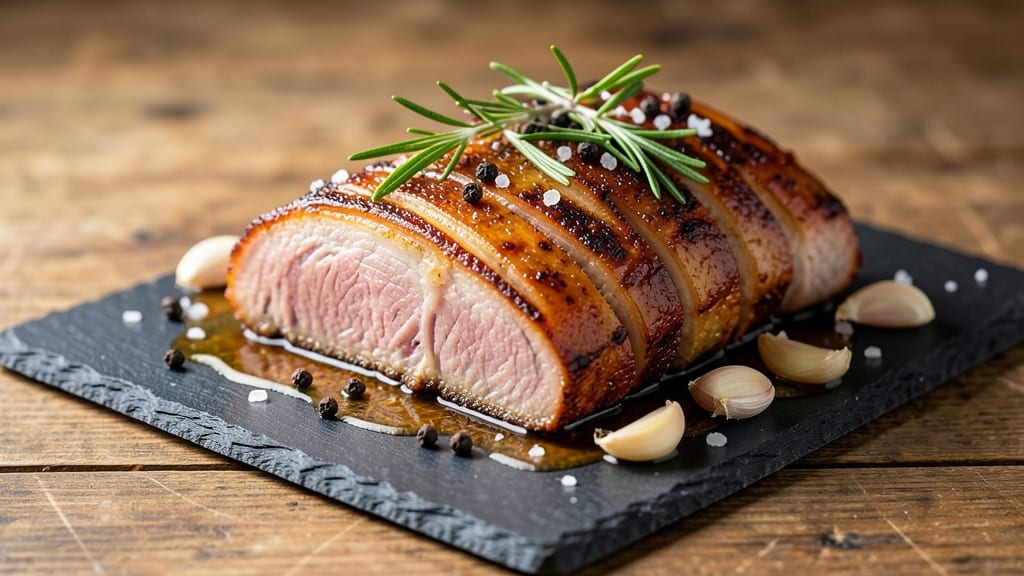
This carnivore pulled pork recipe delivers pure meat mastery—no sauces, no fillers, just tender, fatty pork that melts in your mouth. 🔥 I developed it after years of perfecting slow-cooked pork for my farm-to-table restaurant, where we process our own heritage pigs.
The secret lies in the fat cap, which renders perfectly to keep every bite juicy and rich.
We use a simple braising technique in the oven—no smoker required—that transforms tough pork shoulder into fork-tender shreds. The key is low and slow cooking with just enough moisture (from the pork itself) to create steam, not soggy meat.
This method preserves all the natural collagen and fat, making it the ultimate carnivore comfort food.
What you'll end up with is restaurant-quality pulled pork that requires zero additional ingredients—just salt, maybe a little tallow for serving, and perhaps some roasted vegetables on the side if you want to stretch it into a full meal.
The texture is what matters here: perfectly tender, with just enough resistance to hold its shape when shredded.
Serve it straight from the pot with a pat of rendered pork fat drizzled on top, or use it as the centerpiece of a carnivore-friendly feast. The beauty of this recipe is its simplicity—no fancy techniques, no complicated ingredients, just pure pork perfection that speaks for itself.
Ingredients for carnivore pulled pork
Two ingredients rule this recipe: pork shoulder and patience. Everything else is just support.
| Ingredient | Amount | Notes |
|---|---|---|
| Pork Shoulder (Bone-In) 🐖 | 6 lb | Fat cap intact for juiciness |
| Kosher Salt 🧂 | 1 ½ tbsp | Diamond Crystal preferred |
| Black Peppercorns 🌶️ | 1 tsp | Freshly cracked for depth |
| Pork Fat (Tallow) 🧈 | ¼ cup | Rendered from pork shoulder |
| Fresh Rosemary 🌿 | 2 sprigs | For aroma, optional but recommended |
| Garlic Cloves 🧄 | 4 cloves | Smashed for flavor infusion |
| Apple Cider Vinegar 🍎 | 1 tbsp | Balances richness (optional) |
| Water 💧 | ½ cup | Just enough for moisture |
The pork shoulder is non-negotiable—look for a 6-pound bone-in cut with a thick fat cap. Local butchers often have the best quality, but Costco or Walmart will do in a pinch. Heritage pigs from farms have more marbling, but a standard pork shoulder works if you're on a budget. The fat cap? That's your secret weapon—it renders perfectly to keep every bite juicy. If your cut is lean, add an extra 0.5 lb of pork fat. The bone-in version stays moister than boneless, so don't skip it if you can find it.
No vinegar? Skip it entirely—this isn't a sauce, just pork. Fresh rosemary is ideal, but dried at half the amount works if you're in a hurry. The garlic can be minced or left whole—it'll soften during cooking. For salt, Diamond Crystal dissolves better than Morton's, but use what you've got. The water is optional—just enough to create steam without turning the pork soggy. If you're worried about dryness, reduce it to 0.25 cup. And trust me, the peppercorns make a difference—crack them fresh if you can.
This pork tastes better the next day, so make it ahead. Store leftovers in the fridge for 5 days, or freeze for 3 months in airtight containers. The rendered fat? Pour it into a jar and keep it forever—it's carnivore gold. For serving, just shred with two forks and drizzle with that glorious pork fat. No plates needed. Just hands, meat, and happiness.
Why You'll Love This Recipe
- No-Chop Necessary: I swear by this recipe because it’s literally three ingredients plus salt and pepper—just the pork shoulder, tallow, and rosemary. You don’t even need to trim fat or dice anything; the bone-in cut does all the work for you while you sip your coffee.
- Rosemary Magic: That fresh rosemary sprig? It’s not just garnish—it infuses the meat with a piney, earthy depth that makes every bite feel like a hug. Honestly, I’ve tried dried, but nothing beats the aroma when you pull the pork straight from the oven.
- Leftovers That Save Me: This recipe makes way more than you’ll eat in one sitting, and that’s a win. The pulled pork stays rich and tender for days, so I toss it into breakfast scrambles, load it onto low-carb wraps, or just eat it straight from the fridge—no guilt, no waste.
Step-by-step instructions for carnivore pulled pork
Here's the straightforward method for tender, meat-only pulled pork that needs no sauce to shine.
🔥 Step 1: Prep and Season the Pork Shoulder
Start by trimming the pork shoulder just enough to remove any large chunks of excess fat, leaving the natural fat cap intact—this protects the meat during cooking. Pat the shoulder dry with paper towels, then rub it with the 1.5 tbsp kosher salt and 1 tsp freshly cracked black peppercorns all over, including inside the cavity. The salt will draw out moisture, helping create that perfect bark later.
Next, crush the 4 cloves garlic with the flat side of your knife to release their oils, then rub them over the meat. Add the 2 sprigs fresh rosemary and 1 tbsp apple cider vinegar to the cavity. The vinegar brightens the flavor and cuts through the richness of the pork fat. Let the seasoned pork sit uncovered in the refrigerator for 1 hour—this resting time lets the salt penetrate deeply and the flavors meld.
🔥 Step 2: Render the Pork Fat and Sear the Meat
Preheat your oven to 275°F for the slow cook, but first, we need to render the ¼ cup pork fat (tallow) and sear the pork. Heat a large Dutch oven or heavy pot over medium heat until the fat melts and begins to shimmer. Place the pork shoulder fat-side down in the pot and let it sear undisturbed for 5 minutes—this creates a deep, flavorful crust.
Once the fat is bubbling and the meat has developed a golden crust, flip the pork and continue cooking for another 3 minutes to sear the other side. The goal is to get that meat browned and caramelized before we slow-cook it. Remove the pork and set it aside on a plate, leaving the rendered fat in the pot—it's packed with flavor and will help keep the meat moist.
⏰ Step 3: Slow Cook Until Fork-Tender
Return the pork to the Dutch oven, fat-side up, and pour in the ½ cup water. The water creates steam that keeps the meat moist during the long cook. Cover the pot tightly with a lid and place it in the preheated 275°F oven. Here's the thing—don't peek or lift the lid during the first 4 hours. Every time you open it, you lose heat and moisture, adding valuable time to the cook.
After 4 hours, check the internal temperature using a meat thermometer. You're looking for 195-203°F—this is the "probe-tender" stage where the meat falls apart easily. If it's not there yet, return it to the oven for another 1-2 hours. The pork should have a rich, deep color and pull apart effortlessly with two forks. If it's still tough, give it more time—rushing this step leads to dry, chewy meat.
🔪 Step 4: Shred and Serve Meat-Only
Once the pork reaches the perfect tenderness, remove it from the oven and let it rest for 10 minutes under the foil. This resting time allows the juices to redistribute throughout the meat. Use two forks to shred the pork directly in the Dutch oven, working against the grain for the most tender texture. Discard any large fat chunks or connective tissue—you want pure, meaty goodness.
The result should be tender, juicy pulled pork with a deep, smoky flavor from the rendered fat and aromatic herbs. Serve it straight from the pot with no sauce needed—just pile it high on plates and enjoy the pure, carnivore-friendly experience. The meat should be so flavorful and tender that it practically melts in your mouth, with no need for any additional seasonings or sauces.
Pro Tips For Making Carnivore Pulled Pork
- Sear with Tallow: Render your own pork fat first—it’s the best way to get that deep, savory crust without burning. After browning the shoulder, add 2 tablespoons of tallow to the pan and baste the meat aggressively for 2 minutes. I used to use olive oil, but this fat locks in flavor and keeps the meat from drying out during the long cook.
- Salt Like a Madman: Generously coat the pork shoulder with kosher salt before searing—at least 1 tablespoon per pound, plus extra on the bone. The salt dissolves into the meat as it cooks, seasoning it through and through. I learned this the hard way when my first batch tasted bland because I skimped.
- Skip the Crowding: If you’re roasting, resist the urge to stack or overlap pieces—it traps steam and turns your meat soggy. Leave at least 1 inch of space between cuts for even airflow. I once ignored this and ended up with a pile of gloppy pork instead of tender, shreddable goodness.
- Rest Before Shredding: Pull the pork at 203°F (95°C) internal temp, then let it rest covered for 20-30 minutes before shredding. The meat will reabsorb juices, and the connective tissue will break down further. I was impatient once and shredded too early—big mistake. Now I wait, even if it means staring at a warm oven.
Best sauces and condiments for this carnivore pulled pork
Pork Fat Magic
The star of this recipe isn't the pork itself—it's the rendered fat. As the pork cooks low and slow, the fat cap melts into golden, flavorful tallow that keeps every bite juicy and rich.
I always save this rendered fat in a jar—I use it for everything from searing steaks to drizzling over roasted vegetables. For serving, simply spoon a generous dollop over your pulled pork straight from the pot. 🧈
Tallow Drizzle
For an elevated touch, heat 2 tbsp of your rendered pork fat in a small saucepan over low heat until it's liquid but not smoking. Strain it through a fine-mesh sieve to remove any impurities, then drizzle it over the shredded pork just before serving.
The fat will pool beautifully, adding a luxurious finish that enhances the natural pork flavors without overpowering them.
Garlic-Infused Oil
If you want to add a little brightness without breaking the carnivore rules, infuse ½ cup olive oil with 6 smashed garlic cloves and 1 tsp cracked black peppercorns. Heat the oil in a small saucepan over low heat for 5 minutes, then strain and cool.
Use it to moisten the shredded pork slightly before serving—just enough to make it easier to handle without diluting the meat's flavor.
Simple Salt Finish
Sometimes, the best condiment is nothing at all. After shredding the pork, sprinkle it with a pinch of freshly cracked black pepper and a light dusting of kosher salt right at the table.
This simple step enhances the natural flavors without adding any extra ingredients. I find that a little extra salt at the end brings out the richness of the pork fat even more.
Herb Butter (Optional)
For those who want a touch of herbaceousness, mix ¼ cup softened pork fat (tallow) with 1 tbsp finely chopped fresh rosemary and 1 tbsp minced garlic. Chill the mixture until firm, then slice into small pats.
Place one on top of each serving of pulled pork right before eating. The fat melts beautifully, infusing the meat with herbal notes without adding moisture.
Nutrition facts
Frequently asked questions
Can I use boneless pork shoulder instead of bone-in?
You can, but expect slightly drier results. Bone-in pork stays moister because the bone conducts heat differently. If using boneless, trim any excess fat and add 0.5 cup extra pork fat to compensate. The cooking time remains the same, but monitor for dryness after 4 hours.
How do I know when the pork is fully tender?
Use a meat thermometer—pork is done at 195-203°F (probe-tender stage). The meat should fall apart easily with two forks. If it's still tough, return it to the oven for 30-60 more minutes. Never rush this step—patience is key for perfect texture!
Can I make this in a slow cooker instead of the oven?
Use the same 275°F equivalent (low setting) and cook for 8-10 hours total. Sear the pork first in a skillet, then transfer to the slow cooker with the ¼ cup pork fat and ½ cup water. The slow cooker method works beautifully for hands-off cooking.
What if I don't have pork fat (tallow) for serving?
No problem! Use butter or ghee as a carnivore-friendly alternative. For extra richness, try duck fat—it has a higher smoke point and pairs perfectly with pork. Just avoid vegetable oils or plant-based substitutes to stay true to the carnivore approach.
How do I store leftovers without drying them out?
Store shredded pork in an airtight container with a thin layer of rendered fat on top. It keeps for 5 days in the fridge or 3 months frozen. For reheating, warm gently in a skillet with a splash of water or broth to restore moisture. Never microwave—it makes the meat tough!