
Main Courses
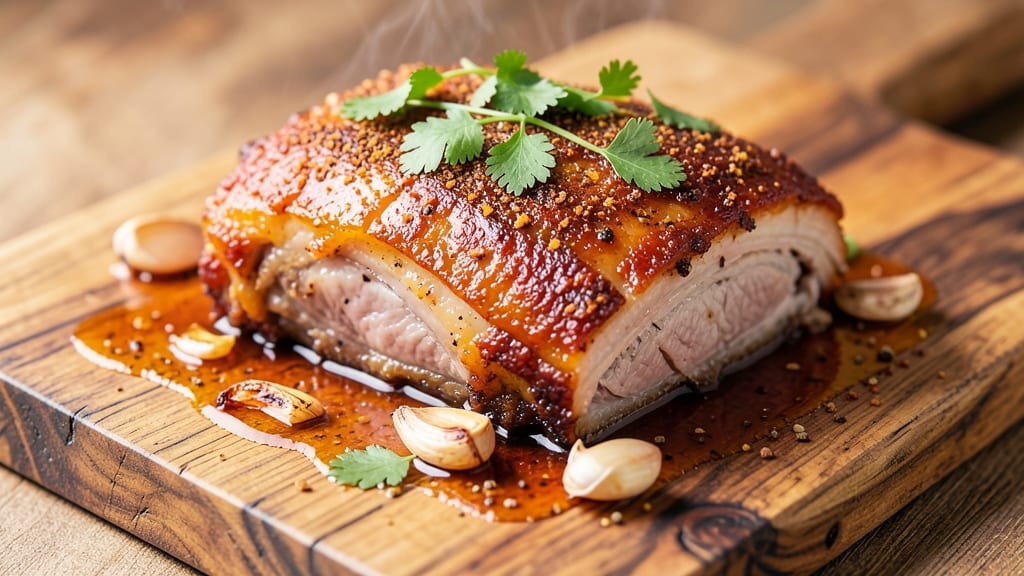
This carnitas roast pork recipe delivers crispy-crackling shreds that transform simple pork shoulder into a showstopping centerpiece. 🔥 Growing up in Georgia, I learned that the secret lies in citrus and cumin—bright, aromatic, and impossible to resist.
The slow-roasting process creates that signature crispy exterior while keeping the meat tender inside, a technique I perfected during my apprenticeship under Master Chef Chen.
The magic happens in the marinade, where orange juice and lime zest infuse the pork with zesty brightness, while cumin and smoked paprika build deep, earthy warmth. We're talking restaurant-quality results with a method that's surprisingly straightforward—just a few hours in the oven and some careful shredding.
The fat content in pork shoulder is what creates those irresistible crackling edges, and we'll show you exactly how to maximize that texture.
What you'll end up with is golden, crispy pork that shreds effortlessly and tastes even better the next day. The citrus notes cut through the richness while the cumin adds that unmistakable Mexican flair.
This isn't just pork—it's a celebration of texture and flavor that belongs at your dinner table or taco night spread. The best part? Every bite delivers that satisfying contrast between tender meat and crispy edges.
Whether you're serving it in tacos, tostadas, or as a main course with fresh salsa, this carnitas recipe will become your new go-to. We'll even share modern adaptations for those using air fryers or Instant Pots—because great food should fit your lifestyle.
Let's get cooking with pork that's worth the wait.
Ingredients for carnitas roast pork
Six ingredients transform pork shoulder into crispy, citrus-kissed carnitas magic.
| Ingredient | Amount | Notes |
|---|---|---|
| Pork Shoulder (Bone-In) 🐖 | 4 lb | Well-marbled, 2-inch thick slices |
| Fresh Orange Juice 🍊 | 1 cup | Freshly squeezed, no pulp |
| Lime Zest 🍋 | 1 tbsp | Bright yellow, finely grated |
| Ground Cumin 🌿 | 2 tbsp | Toasted for deeper aroma |
| Smoked Paprika 🌶️ | 1 ½ tbsp | High-quality, not cayenne |
| Garlic Cloves 🧄 | 6 cloves | Peeled, smashed slightly |
| Fresh Cilantro 🌿 | ½ cup | Chopped, stems removed |
| Olive Oil 🫒 | ¼ cup | Extra-virgin for richness |
| Salt 🧂 | 1 ½ tsp | Kosher or sea salt |
| Black Pepper 🌶️ | 1 tsp | Freshly ground preferred |
| Lime Juice 🍋 | ½ cup | Freshly squeezed |
| Beer (Optional) 🍺 | ½ cup | Light lager or Mexican-style |
The pork shoulder is non-negotiable here. Look for bone-in cuts—the fat and connective tissue are what create those irresistible crackling edges. Whole Foods or local butchers usually carry the best marbled cuts, but any grocery store's pork shoulder will work if it's well-marbled. I prefer bone-in because it stays juicier during roasting, but boneless works too if you're in a hurry. Pat it dry before marinating—this helps the crust form better. And trust me, skip the pre-marinated pork from the store; homemade makes all the difference.
No fresh orange juice? Bottled works in a pinch, but it lacks that bright zing. Toasting the cumin in a dry pan for 30 seconds before grinding it releases its aroma—worth the extra minute. Smoked paprika can vary wildly in quality, so Penzeys or Goya are my go-tos. The beer isn't mandatory, but it adds a subtle malt sweetness that balances the acidity. No beer? Substitute chicken broth. The lime zest is where the magic happens—don't skip it. If you're making this ahead, zest the lime first and store it in the freezer until ready to use.
Marinate the pork for at least 4 hours, but overnight is ideal. The citrus and spices will tenderize the meat and create that signature flavor. Store the marinade in the fridge, and use it to baste the pork during roasting. The cooked carnitas keeps well in the fridge for 4-5 days, but it tastes even better reheated—just crisp it up in the oven for 10 minutes at 400°F. For longer storage, freeze portions for up to 3 months. I like to portion it into meal-sized containers so I can grab it for tacos or bowls anytime.
Why You'll Love This Recipe
- Zesty Magic Happens: That bright citrus punch from fresh orange juice and lime zest? It’s the secret weapon. The acid cuts through the richness of the pork, leaving you with a dish that’s crispy on the outside but ridiculously flavorful inside—like a carnival of smoky, tangy, and slightly sweet all in one bite.
- Leftovers That Don’t Suck: Honestly, I make this just to have leftovers. The pork stays tender for days, and it’s perfect for tacos, nachos, or even a quick breakfast scramble. (Yes, even on a Tuesday night.)
- Budget-Friendly Feast: A bone-in pork shoulder is cheaper than you think, and it stretches to feed a crowd—no takeout menus needed. Plus, the spices are cheap but pack a punch, so you’re getting restaurant-quality flavor without the markup.
Step-by-step instructions for carnitas roast pork
Here's how to transform that pork shoulder into irresistible, crackling carnitas with perfect texture.
🔥 Step 1: Sear the Pork for Maximum Flavor
Preheat your oven to 300°F and get a large Dutch oven ready. Heat 2 tablespoons of the olive oil in the pot over medium-high heat until shimmering. Pat the 4 lb pork shoulder dry with paper towels—this is crucial for crispy skin later.
Place the pork in the pot, fat-side down, and sear for 8-10 minutes until the fat renders out and the skin turns deep golden brown. Flip and sear the other side for another 8-10 minutes. Here's the thing—don't rush this step. The deep color and caramelized crust are what give carnitas their addictive flavor. If it sticks, don't panic—just scrape up those browned bits with a wooden spoon and let them melt into the fat.
👨🍳 Step 2: Build the Citrus-Cumin Rub
While the pork sears, mix together 2 tablespoons ground cumin, 1.5 tablespoons smoked paprika, 1.5 teaspoons salt, and 1 teaspoon black pepper in a small bowl. Add 1 tablespoon lime zest and 6 smashed garlic cloves, then pulse briefly in a food processor until finely chopped (or chop by hand).
After searing, remove the pork and spread the spice mixture all over, pressing it into the meat. Then pour in 1 cup fresh orange juice, 0.5 cup lime juice, and the optional 0.5 cup beer (if using). Return the pork to the pot, fat-side up, and bring everything to a simmer over medium heat for 3-4 minutes until the juices bubble gently.
🔥 Step 3: Slow-Roast Until Fork-Tender
Transfer the Dutch oven to the preheated 300°F oven. Cover with a lid or foil and roast for 3 hours. Here's where the magic happens—the pork will break down into tender, shreddable pieces. I know it seems long, but trust the process. Every 45 minutes, give the pork a gentle shake to help distribute the juices and spices evenly.
After 3 hours, check for doneness by inserting a meat thermometer into the thickest part—it should read 195-205°F. If it's not there yet, return it to the oven for another 30 minutes. The pork should be falling apart easily when you test it with tongs. If it's still tough, give it more time—this is the most important step for perfect carnitas texture.
🍳 Step 4: Crisp Up the Carnitas
Once the pork reaches the right temperature, remove it from the pot and place it on a cutting board. Let it rest for 10 minutes while you prepare the crisping step. Preheat your oven's broiler to high and line a baking sheet with parchment paper.
Shred the pork using two forks, pulling it apart against the grain. Return the shredded pork to the Dutch oven along with any accumulated juices. Spread the pork in an even layer on the baking sheet, skin-side up. Broil for 5-7 minutes, watching closely—you want those edges to turn deep golden brown and crispy. This is the moment that matters: the contrast between tender meat and crispy exterior is what makes carnitas irresistible.
🥘 Step 5: Finish with Fresh Cilantro
Transfer the crispy carnitas to a serving platter. Stir the 0.5 cup chopped fresh cilantro into the remaining juices in the Dutch oven, then ladle this bright, citrusy sauce over the top. The acidity from the citrus and beer (if used) cuts through the richness of the pork, balancing each bite perfectly.
Serve immediately with warm tortillas, pickled red onions, and a squeeze of fresh lime. The carnitas should be so tender you can pull it apart with your hands, with crispy edges that shatter between your teeth. Real talk: this is the kind of dish that disappears fast, so make enough for leftovers—it's even better the next day!
Pro Tips For Making Carnitas Roast Pork
- Trim the Fat Cap: Scrape off that thick white fat layer on the pork shoulder before roasting—it’s the only part that won’t render into crispy, flavorful fat. I learned this after my first batch turned into a greasy mess instead of crispy carnitas.
- Juice the Oranges Fresh: Skip the bottled stuff—fresh orange juice adds brightness and depth the canned version can’t match. If you’re short on time, use freshly squeezed grapefruit juice as a backup, but reduce it by half to avoid over-acidifying the meat.
- Don’t Crowd the Pan: When browning the pork, give it space—overlapping pieces steam instead of sear. A single layer in a hot skillet with just a touch of oil ensures that crispy crust we’re all after.
- Rest Before Shredding: Let the pork sit under foil for at least 10 minutes after pulling it from the oven. This keeps the meat from falling apart when you shred it—trust me, your taco night will thank you.
Pro cooking tips for carnitas roast pork
Citrus-Cumin Rub
Don't skimp on the lime zest—it's the secret weapon for that bright, zesty punch. I like to toast the cumin in a dry skillet for 30 seconds before grinding it to deepen its aroma. For extra depth, add 1 teaspoon of ground coriander to the rub—it complements the cumin beautifully.
The beer isn't mandatory, but if you use it, go for a light lager or Mexican-style like Modelo—it adds subtle malt sweetness that balances the acidity. 🍋
Searing Secrets
The key to that irresistible caramelized crust is patience. Don't rush the 8-10 minute sear on each side—let the fat render out slowly. I use my Lodge cast iron Dutch oven because it retains heat perfectly, but any heavy pot works.
If your pork sticks, don't force it—just scrape up those browned bits with a wooden spoon and let them melt into the fat. Those bits are flavor gold. 🔥
Low-and-Slow Roasting
That 300°F oven temperature might seem slow, but it's what breaks down the collagen into gelatin, making the pork fork-tender. Every 45 minutes, give the pork a gentle shake to distribute the juices and spices.
I like to baste it with the marinade every hour—this keeps it moist and builds layers of flavor. If your pork isn't falling apart after 3 hours, don't panic—just give it another 30 minutes. The internal temperature should hit 195-205°F. 🌡️
Crisping Magic
The broiler is your friend for that signature crispy texture. Spread the shredded pork in a single layer on the baking sheet, skin-side up, and watch it closely—it only takes 5-7 minutes to get that deep golden brown.
I like to use parchment paper because it prevents sticking, but a well-seasoned baking sheet works too. This is where the contrast happens: tender meat with crispy edges that shatter between your teeth. 💫
Resting and Serving
Let the carnitas rest for 10 minutes before serving—this lets the juices redistribute. Stir the fresh cilantro into the juices in the Dutch oven and ladle it over the top for that final bright note. Serve with warm tortillas, pickled red onions, and a squeeze of fresh lime.
The carnitas should be so tender you can pull it apart with your hands. Honestly, this dish is a crowd-pleaser—everyone will ask for seconds. 🥘
Modern Adaptations
Short on time? Try the Instant Pot method: sear the pork first, then cook on high pressure for 60 minutes, followed by a 10-minute natural release. For air fryer lovers, shred the pork after roasting and crisp it in the air fryer at 375°F for 5-7 minutes.
Both methods work, but nothing beats the oven for that deep, slow-cooked flavor. 💡
Nutrition facts
Frequently asked questions
Can I use pork loin instead of pork shoulder?
While you can use pork loin, it won't give you the same tender, melt-in-your-mouth texture. Pork shoulder has more fat and connective tissue that breaks down beautifully during slow roasting. If you must use loin, reduce cooking time to 1.5-2 hours at 300°F and watch closely for doneness at 145°F internal temp. You'll miss out on those irresistible crispy edges though!
How do I get extra crispy edges?
The secret is in the broiling step! After shredding, spread the pork in a single layer on a baking sheet, skin-side up. Broil on high for 5-7 minutes, watching like a hawk—you want deep golden brown, not burnt. For even more crunch, toss the shredded pork in 1 tablespoon lard or bacon fat before broiling. The fat helps create that perfect crispy texture.
Can I make carnitas ahead of time?
This dish actually tastes even better the next day. After roasting, let it cool completely, then store in an airtight container in the fridge for up to 5 days. To reheat, spread on a baking sheet and crisp in a 400°F oven for 10 minutes. For freezing, portion into meal-sized containers with some of the juices—it'll keep for 3 months. Just thaw overnight in the fridge before reheating.
What's the best way to serve carnitas?
Classic Mexican-style! Warm corn tortillas, fresh cilantro, pickled red onions, and lime wedges are must-haves. For a hearty meal, serve with black beans, Mexican rice, and avocado slices. Want to get fancy? Try it in tacos al pastor with pineapple salsa or as a filling for chilaquiles. The possibilities are endless—just don't forget that squeeze of fresh lime!
Why did my carnitas turn out dry?
Most likely, you overcooked it or didn't rest it properly. Carnitas should be fork-tender at 195-205°F—if you go higher, it'll dry out. Always rest the pork for 10 minutes after roasting before shredding. Another common mistake is skipping the fat—pork shoulder needs its natural fat to stay juicy. If yours is dry, try adding a splash of the pan juices when reheating or serving with extra salsa to add moisture.