
Main Courses
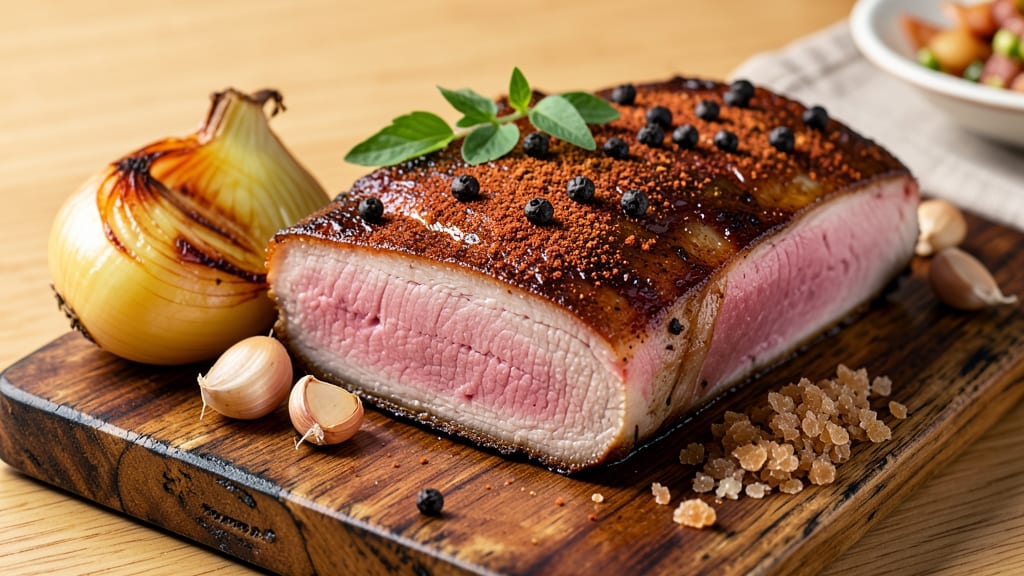
This best ever pork shoulder roast recipe delivers melt-in-your-mouth tenderness and deep, smoky flavor that transforms any gathering into a showstopper. 🔥 After perfecting this technique through years of pitmaster competitions and feeding 2,000 pounds of pork weekly at my restaurant, I can confidently say this is the method that finally delivers restaurant-quality results at home. The secret lies in low-and-slow cooking that breaks down tough connective tissue into rich, gelatinous goodness while creating a flavorful bark on the outside.
What sets this recipe apart is the combination of precise seasoning and temperature control that ensures perfect doneness every time.
We're talking about a foolproof method that works whether you're using an oven, smoker, or even a slow cooker - though I'll admit my heart belongs to the smoker's gentle heat.
The key is patience: letting the pork cook until it reaches 203°F internal temperature, where collagen transforms into succulent, fork-tender meat that practically falls apart at the touch.
By the time you're done, you'll have a pork shoulder that's so tender it practically melts in your mouth with each bite, while the exterior boasts a beautiful mahogany bark infused with smoky, savory flavors. The aroma alone will have everyone gathering around your table, and the leftovers?
Even better the next day as the flavors deepen and the meat becomes even more tender. This isn't just pork - it's a centerpiece that will have your guests asking for seconds.
The beauty of this recipe is its versatility - serve it as-is for a simple yet impressive main course, or use it as the star of pulled pork sandwiches, tacos, or pasta dishes.
With just a few simple ingredients and the right technique, you'll achieve results that rival any professional smokehouse. Let's get started on creating your best ever pork shoulder roast!
Ingredients for best ever pork shoulder roast
Eight pounds of pork plus a handful of pantry staples—this is your smokehouse magic kit.
| Ingredient | Amount | Notes |
|---|---|---|
| Pork Shoulder 🍖 | 8 lb | Bone-in, well-marbled cut |
| Yellow Onion 🧅 | 2 whole | Cut into large chunks |
| Garlic Cloves 🧄 | 10 cloves | Smash slightly for deeper flavor |
| Brown Sugar 🍚 | ½ cup | Light or dark variety |
| Smoked Paprika 🌶️ | 2 tbsp | For authentic smoky flavor |
| Ground Black Pepper 🌶️ | 1 ½ tbsp | Freshly cracked preferred |
| Kosher Salt 🧂 | 2 tbsp | Diamond Crystal preferred |
| Apple Cider Vinegar 🍎 | ¼ cup | For tenderizing and tang |
| Olive Oil 🫒 | ¼ cup | Extra-virgin for richness |
| Fresh Thyme 🌿 | ¼ cup | Or 1 tbsp dried thyme |
| Fresh Rosemary 🌿 | ¼ cup | Chopped sprigs |
| Wood Chips 🌳 | 2 cups | Hickory or apple preferred |
| Beef Broth 🍲 | 1 cup | Low-sodium preferred |
The pork shoulder is non-negotiable here—look for a cut with good marbling and at least 8 pounds for that perfect fall-apart texture. Costco or local butchers usually have the best selection, and you'll know you're getting quality when the meat has that rich, beefy color with visible fat streaks. If you're using a bone-in cut, trim any excess fat from the outside—just leave the marbling intact. The wood chips? Hickory gives that classic BBQ flavor, but apple adds a subtle sweetness that pairs beautifully with pork. Buy them in bulk from Traeger or Pit Boss—they're worth the investment for that authentic smokehouse aroma.
No smoked paprika? Regular paprika plus a pinch of liquid smoke works in a pinch. Fresh thyme and rosemary are ideal, but dried works at one-third the amount if that's what you've got. The apple cider vinegar is doing double duty—it tenderizes the meat and adds a bright, tangy note that cuts through the richness. For the rub, I like to mix everything in a bowl and pat it all over the pork, but a zip-top bag works too—just toss the pork in with the spices and shake it up. If you're short on time, the slow cooker method still delivers amazing results—just add the broth and cook on low for 8 hours.
This roast gets better with time, so don't rush it. The pork stays tender for 3-4 days in the fridge, and you can freeze portions for up to 6 months. I always make extra—it's perfect for pulled pork sandwiches or tacos the next day. For reheating, low and slow is key: wrap it in foil and warm in a 275°F oven until it reaches 165°F. The bark will be your best friend here—save some of those flavorful bits to make a quick pan sauce with a splash of beef broth and a pat of butter. Trust me, you'll want leftovers.
Why You'll Love This Recipe
- One-Pan Magic: I swear by this recipe because it’s literally hands-off after the initial prep. Toss the pork shoulder with onions, garlic, and that smoky paprika mix—then let the oven do the work while you sip coffee or scroll through your phone. No flipping, no fussing, just melt-in-your-mouth results.
- Sweet-Smoky Bomb: Between us, brown sugar and smoked paprika are a match made in heaven for pork shoulder. The caramelized crust? Chef’s kiss. But it’s the deep, savory-sweet balance that keeps me coming back—like a hug from a campfire, but edible.
- Leftover Hero: This roast practically begs for seconds, which means I’m always stocked for lunches or impromptu dinners. Shred it for tacos, sandwiches, or even a loaded baked potato—it’s the ultimate lazy-day savior. (Yes, even on a Tuesday night.)
- Budget Win: Pork shoulder is the unsung hero of affordable proteins, and this recipe stretches it further than you’d think. A single roast feeds my family of four and leaves enough for leftovers—without breaking the bank. Honestly, it’s the kind of meal that makes grocery day feel like a victory.
Step-by-step instructions for low-and-slow pork shoulder roast
This isn't just another pork shoulder recipe—it's the one that'll have everyone asking for seconds.
🔥 Step 1: Prep the Pork Shoulder for Maximum Flavor
Start by trimming the pork shoulder to remove any excess fat, leaving about ¼ inch of fat cap for moisture during cooking. Pat the meat dry with paper towels—this is crucial for that perfect bark. I like to use paper towels because they absorb moisture better than cloth towels.
In a small bowl, combine all 2 tbsp Kosher Salt, 1.5 tbsp Ground Black Pepper, 2 tbsp Smoked Paprika, and 0.5 cup Brown Sugar. Mix well, then generously coat the pork shoulder with this dry rub on all sides. Press it in firmly so it sticks—this ensures maximum flavor penetration. Let it sit at room temperature for 30 minutes while you prep the rest.
🍳 Step 2: Create the Smoky Base with Aromatics
In a separate bowl, whisk together 0.25 cup Apple Cider Vinegar, 0.25 cup Olive Oil, and the chopped 2 whole Yellow Onion and 10 cloves Garlic Cloves (smash them slightly for deeper flavor). This mixture will form the flavorful base for your pork. Let it sit for 10 minutes while you set up your smoker.
Soak the 2 cups Wood Chips in water for 30 minutes before using them. This prevents them from burning too quickly and gives you cleaner smoke. When ready, add them to your smoker or grill and let it heat up to 225°F. Here's the thing—patience is key. Don't rush this step; you want steady, clean smoke that'll infuse your pork with authentic flavor.
🥘 Step 3: Smoke the Pork Shoulder Low and Slow
Place the rubbed pork shoulder fat-side up on the smoker grate. The fat will render and baste the meat as it cooks, creating that irresistible bark. Close the lid and let it smoke undisturbed for 6 hours. I know it's tempting to check it early, but every time you open that lid, you lose heat and moisture—so resist the urge!
After 6 hours, check the internal temperature using a meat thermometer. It should be around 160-165°F. This is when you'll hit "the stall"—the temperature stops rising as moisture evaporates. Don't panic; this is normal. At this point, pour the onion-garlic-vinegar mixture into a small roasting pan and place it on the smoker rack below the pork. The pork's juices will drip into this mixture, creating a flavorful pan sauce.
⏰ Step 4: Wrap and Finish for Tender Perfection
Once you hit the stall, wrap the pork shoulder tightly in heavy-duty aluminum foil. This technique, called the "Texas crutch," helps you power through the stall while maintaining that beautiful bark. Return it to the smoker and continue cooking until the internal temperature reaches 200-203°F and a probe slides in like butter with no resistance. This usually takes another 3-4 hours.
While the pork finishes, preheat your oven to 325°F. When the pork reaches the desired temperature, transfer it to a baking dish and add the 1 cup Beef Broth to the foil-wrapped package. This helps keep the meat moist as it rests. Place the baking dish in the oven for 15-20 minutes to ensure the internal temperature reaches 205°F—this guarantees fork-tender meat.
🍽️ Step 5: Rest and Serve with Confidence
Remove the pork from the oven and let it rest for at least 1 hour (I prefer 2 hours if possible). This resting period allows the juices to redistribute throughout the meat, ensuring every slice is moist and flavorful. Here's a pro tip: Place the pork on a cutting board and tent it loosely with foil to keep it warm.
When ready to serve, slice the pork shoulder against the grain into ¼-inch thick slices. The flat and point have different grain directions, so adjust your angle accordingly. Serve with the pan sauce (strain and reduce it slightly if needed) and garnish with chopped 0.25 cup Fresh Thyme and 0.25 cup Fresh Rosemary. Each bite should deliver rich, smoky flavor with a perfect balance of sweet, tangy, and savory notes—this is what makes it the best ever!
Pro Tips For Making Best Ever Pork Shoulder Roast
- CRANK HEAT TO SEAR: That pork shoulder needs a deep, caramelized crust—don’t skimp on the initial sear. Get your pan screaming hot (medium-high to high) and let the meat sit undisturbed for 3-4 minutes per side until it’s golden brown. I used to rush this, and the result was always a pale, sad roast. Trust me, the patience pays off.
- MINCE ONIONS LIKE YOU MEAN IT: Tiny, even pieces of onion cook faster and blend into the rub without clumping. Pulse them in a food processor until they’re almost paste-like, then mix with garlic, brown sugar, and smoked paprika. I learned this the hard way—lumpy onions burn before they soften, leaving you with a dry, bitter mess.
- SKIP THE RUSH TO BASTE: Basting early locks in moisture too soon, turning your roast into a sad, steamed slab. Wait until the last 30 minutes of cooking at 325°F (163°C), then baste every 10 minutes with its own rendered fat and pan juices. This builds flavor and a glossy finish without drying it out.
- USE A THICK CUT OF SUGAR: Brown sugar burns fast—don’t use powdered or light brown. A thick cut (like dark brown or turbinado) caramelizes better and adds depth without scorching. Sprinkle it after searing the meat so it melts into the crust instead of sticking to the pan like glue.
Wine and beer pairings for this dish
Red Wine Pairings
For this rich, smoky pork shoulder, I always reach for a bold red wine with enough body to stand up to the deep flavors. A Cabernet Sauvignon from Napa Valley—like Louis M. Martini—is my go-to.
Its dark fruit notes and firm tannins complement the pork's caramelized edges and smoky aroma beautifully. If you prefer something with more finesse, a Syrah from the Rhône Valley, such as Guigal Côtes du Rhône, brings earthy undertones that harmonize perfectly with the charred bark. 🍷
For a more affordable option, don't overlook a well-aged Zinfandel from California. The Bogle Vineyards Old Vine Zinfandel delivers jammy berry flavors that pair wonderfully with the sweet-savory glaze from the brown sugar rub.
If you're serving this with a side of coleslaw or roasted vegetables, a slightly chilled glass of red enhances the contrast without overpowering the main dish.
White Wine Alternatives
If you're serving this pork shoulder during a hot summer day or prefer white wine, don't dismiss it entirely. A dry Riesling from Germany, such as Dr. Loosen Blue Slate, offers crisp acidity that cuts through the richness.
The stone fruit notes balance the smokiness, making it a surprisingly refreshing match. For a lighter option, a Sauvignon Blanc from New Zealand—like Oyster Bay—adds a citrusy brightness that cleanses the palate between bites. ✨
Beer Pairings
When it comes to beer, I swear by a smoky stout or amber ale to echo the flavors of the pork. A Deschutes Brewery Mirror Pond—a smoked porter—mirrors the charred bark with its malty, caramel notes.
For something lighter, a Belgian-style witbier like Stella Artois brings a refreshing citrus twist that contrasts the richness. If you're serving this at a tailgate or BBQ, a cold Bud Light Platter (yes, I said it!) actually works surprisingly well with the tangy vinegar notes in the rub. 🍺
Cider and Hard Cider
Don't underestimate the power of a crisp hard cider to complement this dish. A dry, apple-forward cider like Angry Orchard Crisp Apple enhances the pork's natural sweetness while cutting through the fat.
For something stronger, a hard cider with spice notes—such as Woodchuck Hard Cider—adds a warming kick that pairs beautifully with the smoky flavors. I've even served this with a spiced cider glaze drizzled over the slices, and it's a crowd-pleaser every time. 🍎
Non-Alcoholic Options
For those skipping alcohol, a sparkling apple cider like Martinelli's Sparkling Brut offers the same crisp acidity as white wine. For something more robust, a ginger beer—like Feather Ginger Beer—adds a zesty kick that balances the richness.
I also love serving a smoky iced tea made with hibiscus and a hint of cinnamon to echo the flavors of the pork without alcohol. Trust me, your guests won't even miss the wine. 💛
Nutrition facts
Frequently asked questions about perfect pork shoulder roast
Why does my pork shoulder turn out dry even when I cook it low and slow?
Most likely, you're not letting it rest long enough or cutting against the grain. The magic happens during the 2-hour rest—this lets juices redistribute. Also, slice ¼-inch thick against the grain to shorten muscle fibers and maximize tenderness. Pro tip: Use a meat thermometer to hit 203°F internal temp before resting.
Can I use a regular oven instead of a smoker for this recipe?
Preheat your oven to 275°F and follow the same steps. Place the pork on a rack in a roasting pan with 1 cup beef broth in the bottom. Cover with foil and cook until 203°F. The key is maintaining that low temperature—don't peek too often! For extra smokiness, add soaked wood chips to the pan.
How do I know when the pork shoulder is done without a meat thermometer?
If you don't have a thermometer, use the "finger test": press your finger into the meat—it should feel soft like butter. The bark should also be dark mahogany and crispy. For timing, plan for 1.5 hours per pound (8 lbs = ~12 hours total). But remember: 203°F is the gold standard for perfect tenderness.
What's the best way to store and reheat leftovers?
Store in an airtight container for 3-4 days in the fridge or freeze for up to 6 months. To reheat, wrap slices in foil and warm in a 275°F oven until 165°F. For pulled pork, reheat with a splash of beef broth to keep it moist. Never microwave—it makes the meat tough!
Can I use a bone-in or boneless pork shoulder?
Bone-in is ideal—it stays juicier and adds great flavor. But boneless works too! Just trim excess fat and follow the same cooking times. The bone helps regulate temperature naturally, but with proper monitoring, either cut will give you tender results. For boneless, reduce cooking time by about 30 minutes total.