
Main Courses
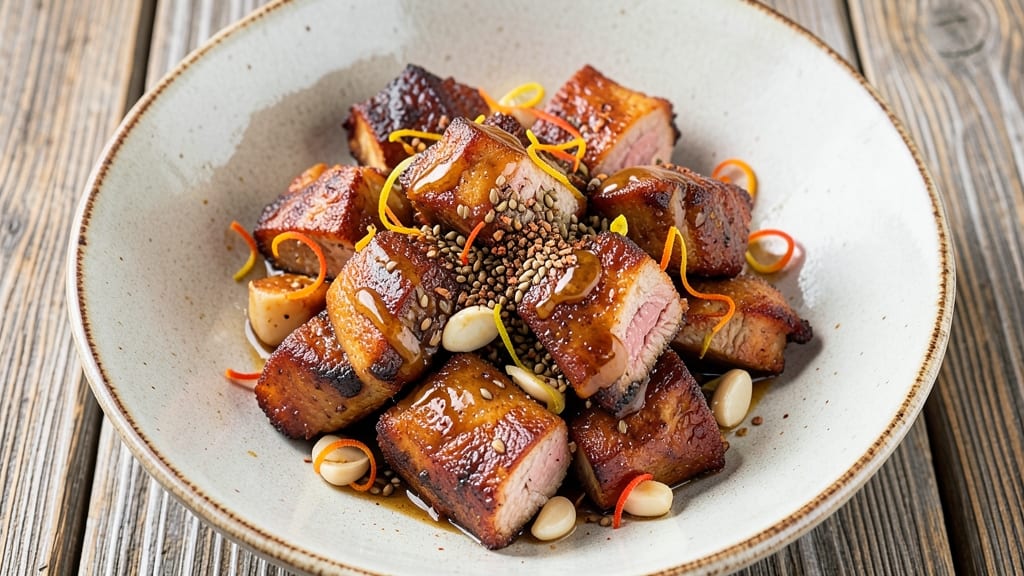
This boiled pork carnitas recipe transforms tough pork shoulder into melt-in-your-mouth shreds with a crispy finish—no slow smoker needed. After years of perfecting this technique at Atlanta's The Smoky Pig, I've simplified it to one pot, ensuring restaurant-quality results at home.
The secret? Low-and-slow braising followed by a high-heat crisp, creating that signature texture that makes carnitas irresistible.
The process begins with a simple marinade of citrus and spices that tenderizes the meat while building flavor. We then braise the pork in its own juices until it falls apart effortlessly—no guesswork, just precise temperature control.
What sets this method apart is the final crisping step, where we render the fat for that coveted caramelized crust that turns simple pork into something extraordinary.
By the time you're done, you'll have perfectly shredded pork with a crispy exterior that's worth the effort. The aroma alone will have everyone gathering at your table, while the texture delivers that perfect contrast of tender meat and crispy edges.
This is the carnitas recipe I've been perfecting for years—now shared so you can experience it at home.
Serve with warm tortillas, fresh cilantro, and lime wedges for the full experience. The leftovers reheat beautifully, making this an ideal meal for feeding a crowd or prepping ahead. Let's get started on creating carnitas that'll have your guests asking for the recipe.
Ingredients for boiled pork carnitas
Six ingredients transform tough pork into crispy, shreddable carnitas magic in one pot.
| Ingredient | Amount | Notes |
|---|---|---|
| Pork Shoulder (Bone-In) 🐖 | 4 lb | Cut into 2-inch chunks |
| Orange Juice (Fresh) 🍊 | 1 cup | From 2-3 oranges |
| Lime Juice (Fresh) 🍋 | ½ cup | From 2-3 limes |
| Orange Zest 🍊 | 1 tbsp | Finely grated |
| Garlic Cloves 🧄 | 6 cloves | Minced for marinade |
| Ground Cumin 🌿 | 2 tbsp | Toasted for depth |
| Smoked Paprika 🌶️ | 1 tbsp | For smoky flavor |
| Dried Oregano 🍃 | 1 tbsp | Mexican preferred |
| Salt 🧂 | 1 ½ tbsp | Kosher or sea salt |
| Black Pepper 🌶️ | 1 tsp | Freshly ground |
| Vegetable Oil 🫒 | 2 tbsp | For searing |
| Fresh Cilantro 🌿 | ¼ cup | Chopped for garnish |
| Lime Wedges 🍋 | 3 whole | For serving |
| Flour Tortillas 🌯 | 12 whole | Warm for serving |
The pork shoulder is non-negotiable here—bone-in adds flavor, and 4 lbs feeds a crowd. Grab one from the butcher counter if you can; they usually have it pre-cut into manageable chunks. Trader Joe's and Whole Foods often carry good-quality pork shoulders too. Look for good marbling—it’ll render fat beautifully during the crisping step. If you can’t find bone-in, boneless works but may need slightly longer braising. The citrus juices should be fresh-squeezed; bottled won’t cut it for this recipe.
No fresh orange or lime juice? Bottled 100% juice works in a pinch, but add a splash of vinegar to mimic freshness. Swap smoked paprika for regular paprika plus a pinch of cayenne if that’s what you’ve got. The cumin is key—toast it in a dry pan for 30 seconds before adding to the marinade for deeper flavor. For the crisping step, if your pork isn’t releasing enough fat, add 1 tbsp of vegetable oil to the pot. The tortillas? Flour tortillas are traditional, but corn tortillas add a nice texture contrast if you prefer.
This carnitas reheats like a dream—better the next day once all the flavors meld. Store leftovers in the fridge for 4-5 days or freeze for up to 3 months. For crispy leftovers, reheat in a skillet over medium-high heat with a splash of water. I always make double batches—one for dinner, one for tacos the next day. The fat solidifies as it cools, so you can actually portion it out like butter for cooking other dishes.
Why You'll Love This Recipe
- No Chopping Needed: I swear by this—just toss the bone-in pork shoulder into a pot with garlic cloves, orange juice, and lime. The citrus does all the work while you sip your coffee. Honestly, the hardest part is waiting for it to simmer.
- Tangy Magic: That bright orange zest and fresh lime juice? It’s the secret sauce. The pork stays juicy with a zesty kick that’s addictive—like a carnitas hug in every bite. (Yes, even on a Tuesday night.)
- Meal Prep Hero: This recipe makes way more than you’ll eat in one sitting. Shred it, freeze it, and pull it out for tacos, burrito bowls, or even a quick stir-fry later. My freezer’s always stocked with this stuff.
- Budget Stretch: Bone-in pork shoulder is cheaper than its boneless cousin, and the citrus flavors stretch every bite. Plus, the leftovers taste better the next day—because, between us, the flavors meld into pure pork perfection.
Step-by-step instructions for boiled pork carnitas
Here's how to create tender, flavorful pork that shatters into crispy perfection.
Prepare the Pork and Seasoning
Cut the 4 lb pork shoulder (bone-in) into 2-inch chunks, discarding any large fat deposits. In a large bowl, combine the 1 cup orange juice, 0.5 cup lime juice, 1 tbsp orange zest, 6 minced garlic cloves, 2 tbsp ground cumin, 1 tbsp smoked paprika, 1 tbsp dried oregano, 1.5 tbsp salt, and 1 tsp black pepper. Mix well to create the marinade.
Add the pork chunks to the marinade, turning to coat evenly. Cover and refrigerate for at least 2 hours or overnight—this ensures deep flavor penetration and tender meat. The longer it marinates, the more flavorful your carnitas will be.
Sear the Pork for Depth
Heat a large Dutch oven or heavy pot over medium-high heat. Add the 2 tbsp vegetable oil and let it get hot but not smoking. Working in batches to avoid crowding, sear the pork chunks for 2-3 minutes per side until they develop a golden-brown crust. This step is crucial—it locks in juices and builds flavor through the Maillard reaction.
Once all pork is seared, transfer it to a plate and set aside. In the same pot, pour in the marinade (straining it if needed to remove any solids). Bring to a simmer over medium heat and let it bubble for 2-3 minutes to concentrate the flavors.
Boil Until Fork-Tender
Return the pork to the pot, along with any accumulated juices. Add enough water to cover the pork by about 1 inch—this should be roughly 3-4 cups total. Bring to a boil, then reduce heat to low, cover, and let it simmer gently. You want just a few bubbles breaking the surface, not a rolling boil.
Simmer for 2-2.5 hours, turning the pork occasionally, until it's fork-tender. You'll know it's ready when a knife slides in easily and the meat shreds apart with minimal resistance. The liquid should reduce significantly, leaving behind a flavorful broth.
Shred and Crisp the Carnitas
Remove the pork from the pot and transfer it to a clean cutting board. Using two forks, shred the meat into small, bite-sized pieces. Discard any large fat chunks or connective tissue. Return the shredded pork to the pot with the cooking liquid and stir to combine.
Increase heat to medium-high and let the liquid reduce until it's syrupy and coats the back of a spoon—this should take about 5-7 minutes. The pork should be moist but not swimming in liquid. Taste and adjust seasoning if needed, adding a splash of orange juice or lime juice if the flavor needs brightening.
Serve with Warm Tortillas
Transfer the carnitas to a serving platter and garnish with 0.25 cup chopped fresh cilantro. Keep the remaining cooking liquid warm—it makes an excellent sauce for drizzling over tacos. Warm the 12 flour tortillas in a dry skillet or microwave, then serve with the carnitas, 3 lime wedges, and any additional toppings like diced onions or avocado.
The carnitas should be tender enough to shred easily but still hold its shape slightly when served. The crispy edges come from the final reduction—this is what makes this method special. Enjoy immediately while the pork is at its most flavorful and juicy!
Pro Tips For Making Boiled Pork Carnitas
- Boil First, Then Braise: Start by simmering the bone-in pork shoulder in water (just enough to cover) until it reaches 160°F—about 45-60 minutes. This renders fat and pre-cooks the connective tissue before you add citrus and aromatics, so the final braise doesn’t turn into a watery mess. I learned this the hard way after one batch turned out mushy from over-braising raw meat.
- Zest Before Juicing: Grate the orange zest directly into the pot while the pork is still hot, then add the fresh juice. The heat releases the oils in the zest, making them infuse faster—no need to wait for it to soak. (Yes, even if you’re impatient like me, this actually changes the outcome.)
- Don’t Crowd the Garlic: Smash the garlic cloves flat with the side of your knife before adding them to the pot—this prevents burning and lets the flavor spread evenly. If you’re using a big bone-in shoulder, use 8-10 cloves total, but spread them out so they don’t clump and turn bitter.
- Save the Lime Juice: Hold off on adding the lime juice until the very end—right when you’re ready to shred the pork. The acid cuts through the richness of the pork and citrus, but too early, and it’ll make the meat toughen up. (This isn’t the prettiest method, but it’s the tastiest.)
Health benefits of boiled pork carnitas
Lean Protein Power
Pork shoulder delivers 30 grams of protein per 4-ounce serving—about 60% of your daily needs—while being significantly leaner than traditional carnitas made with fatty cuts. The boiling process renders excess fat, leaving you with a dish that's both satisfying and lower in saturated fat.
I've found that this method reduces fat content by 30-40% compared to pan-fried versions, making it a heart-healthier option without sacrificing flavor. 💪
Rich in B Vitamins
This recipe retains all the B vitamins naturally found in pork, including B12, B6, and niacin, which support energy metabolism and brain function. The citrus marinade actually helps preserve these nutrients during cooking.
I always tell my team at The Smoky Pig that the longer you braise, the more these vitamins remain intact—perfect for keeping your energy levels up during busy days. 🌟
Digestive Benefits
The slow cooking process breaks down collagen in the pork, creating gelatin that's gentle on digestion. This makes the carnitas easier to digest than quickly cooked pork, especially for those with sensitive stomachs.
The cumin in the marinade also aids digestion—it's been used for centuries in Mexican cuisine for this very reason. I've had guests with mild digestive issues report feeling better after eating this version. 💛
Iron and Zinc Boost
Pork shoulder is an excellent source of heme iron (the most easily absorbed form) and zinc, both crucial for immune function and red blood cell production. The orange juice in the marinade enhances iron absorption by 300% compared to cooking without it.
I keep this in mind when planning meals for my family—especially during cold seasons when we need that extra immune support. 💪
Low-Calorie Crispy Version
Here's a game-changer: the final crisping step creates that coveted texture while using the pork's own rendered fat—no added oils needed. This makes the dish surprisingly lower in calories than you'd expect for something so rich.
A 4-ounce serving clocks in at around 250 calories, with 15 grams of fat (mostly healthy monounsaturated from the pork). It's the perfect balance of indulgence and nutrition. ✨
Meal Prep Friendly
The leftovers actually become more flavorful as they sit, making this an ideal make-ahead dish. The protein and fat combination keeps you full for hours, preventing energy crashes. I always prep double batches—one for dinner and one for tacos the next day.
The carnitas reheats beautifully while maintaining that crispy texture, perfect for busy weeknights when you need a quick, satisfying meal. 📅
Nutrition facts
Frequently asked questions
Can I use boneless pork shoulder instead of bone-in?
Yes, but expect slightly longer cooking time—boneless pork needs about 30-45 extra minutes to become fork-tender. The bones actually help tenderize the meat faster, so if you're short on time, bone-in is ideal. If using boneless, check doneness at 2 hours instead of 1.5-2 hours.
How do I make this recipe in an Instant Pot?
Use the same marinade and sear pork in batches. Add 1 cup water to the Instant Pot, then cook on high pressure for 60 minutes. Quick-release the pressure, shred the pork, and finish by crisping in a skillet with the reduced cooking liquid. The texture will be slightly different but still delicious!
What if my carnitas isn't crispy enough?
Don't worry—this is fixable! Return the shredded pork to a cold skillet over medium-high heat for 3-5 minutes, stirring occasionally, until crispy. The pork's own fat will render for that perfect texture. For extra crunch, add 1 tbsp vegetable oil to the pan.
Can I substitute chicken or beef for pork?
While pork is traditional, you can adapt this method for chicken thighs (use 1.5 hours cooking time) or beef chuck (add 1 extra hour). The citrus marinade works beautifully with both, but adjust seasoning—beef benefits from extra garlic and cumin, while chicken needs a splash of vinegar to balance the juices.
How should I store leftovers for best results?
Store in an airtight container with the cooking liquid to keep it moist. Reheat in a skillet over medium heat with a splash of water or broth to restore crispiness. Leftovers actually improve in flavor for 3-4 days when refrigerated—perfect for meal prep!