
Main Courses
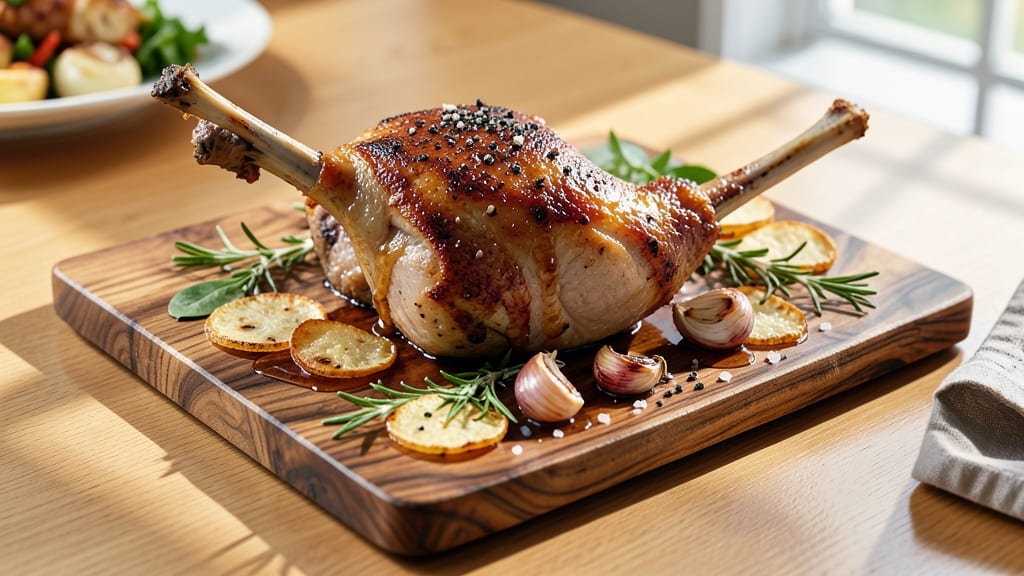
This bone-in pork leg recipe delivers the kind of juicy, fall-apart tenderness that makes every holiday table worth the wait. ✨ After years of perfecting my slow-roasting technique at The Smoky Pig, I've cracked the code for crispy skin and melt-in-your-mouth meat—no fancy equipment required.
The secret lies in patience and proper seasoning, transforming a simple cut into a showstopping centerpiece that feeds a crowd with minimal effort.
What sets this recipe apart is the slow-roasting method that builds deep, caramelized flavors while keeping the meat incredibly tender. We start with a simple yet robust dry rub that penetrates the meat, then let the oven do the heavy lifting at a steady temperature.
Basting occasionally ensures that crispy bark develops while the interior stays moist—this is where the magic happens, and it's foolproof once you understand the timing.
By the time you're carving into this golden, aromatic masterpiece, you'll have a dish that's restaurant-quality at home—rich with smoky, savory notes and just enough fat to keep every bite succulent.
The bone-in cut adds another layer of flavor, infusing the meat as it roasts, while the crispy exterior gives that satisfying crunch with every bite. This is the kind of pork that disappears faster than you can say "second helping."
Pair it with classic sides like creamy mac and cheese, roasted root vegetables, or a crisp green salad to complete the meal. The leftovers reheat beautifully, making this perfect for meal prep or special occasions. Let's get to the recipe—your taste buds will thank you.
Ingredients for bone in pork leg
Six pounds of pork leg plus a handful of pantry staples—this is your crowd-pleasing centerpiece.
| Ingredient | Amount | Notes |
|---|---|---|
| Bone-In Pork Leg 🐖 | 6 lb | Center-cut for even cooking |
| Kosher Salt 🧂 | 2 tbsp | Diamond Crystal preferred |
| Freshly Ground Black Pepper 🌶️ | 1 tbsp | Freshly cracked for best flavor |
| Smoked Paprika 🌶️ | 2 tsp | For deep smoky flavor |
| Garlic Powder 🧄 | 1 tbsp | Freshly ground preferred |
| Onion Powder 🧅 | 1 tbsp | For aromatic depth |
| Brown Sugar 🍯 | 1 tbsp | Light or dark, packed |
| Mustard Seeds 🌿 | 1 tsp | Yellow or brown |
| Apple Cider Vinegar 🍎 | 2 tbsp | For tangy brightness |
| Olive Oil 🫒 | 2 tbsp | For basting, extra-virgin |
| Fresh Rosemary 🌿 | ½ cup | Chopped sprigs, fresh |
| Fresh Thyme 🌿 | ¼ cup | Leaves only, fresh |
The pork leg is the star, and center-cut is key—it’s more tender and less fatty than shoulder cuts. Look for a bone-in leg that’s about 6 pounds, which serves a crowd beautifully. Costco or your local butcher are great spots; ask for the center-cut if they don’t specify. The bone adds flavor as it roasts, but it also means you’ll need to carve carefully—use a sharp knife and cut against the grain for those melt-in-your-mouth shreds. Fresh herbs like rosemary and thyme make all the difference, so grab them from the grocery store’s produce section if they’re fresh and vibrant.
No smoked paprika? Substitute a pinch of liquid smoke (start with ½ tsp) for that smoky depth, but it’s not the same—smoked paprika is worth hunting down. Running low on mustard seeds? Dijon mustard at half the amount works in a pinch, but the seeds add a lovely crunch. Fresh herbs too expensive? Dried thyme at one-third the amount is fine, but fresh is ideal. The apple cider vinegar adds a subtle tang—if you’ve got white vinegar, use it, but don’t skip it entirely. And for the olive oil, extra-virgin is a must—it’s what gives that crispy bark its golden sheen.
This pork keeps like a dream—3-4 days in the fridge if stored properly, and it actually tastes better the next day as the flavors meld. Wrap it tightly in foil and store in an airtight container. For leftovers, reheat in a 350°F oven for 20 minutes with a splash of water to keep it moist. Freezing? Portion into individual servings first—it reheats beautifully straight from frozen. Pro tip: Save the bone for homemade pork broth—simmer it with veggie scraps for a flavor-packed stock.
Why You'll Love This Recipe
- Fewer Ingredients, Bigger Payoff: I swear by this—just salt, pepper, smoked paprika, and garlic powder. That’s it. No fancy marinades or last-minute shopping runs. The bone-in pork leg does all the heavy lifting, and those simple spices? They transform it into something rich and smoky with almost no effort.
- Crispy, Juicy Magic: Here’s what sold me—the crust. That golden, crackling skin gives way to tender, juicy meat that falls off the bone. The smoked paprika adds depth without overpowering, and the garlic powder? It’s the little secret that makes every bite taste like it’s been slow-cooked for hours (even if it’s not).
- Leftovers That Don’t Suck: Between us, most pork leftovers are sad. Not this one. The meat stays moist for days, and I’ve turned cold slices into sandwiches, tacos, or even a quick fried rice—all without breaking a sweat. Honestly, I make this on purpose just to have it for lunch the next three days.
- Weeknight Workhorse: This is my go-to when I’m exhausted but still want something impressive. Toss the pork in the oven, set a timer, and boom—dinner’s done. No chopping, no fuss, no stress. Even my picky-eating partner doesn’t complain (yes, even on a Tuesday night).
Step-by-step instructions for slow-roasted bone-in pork leg
Here's how to transform a simple pork leg into melt-in-your-mouth perfection.
👨🍳 Step 1: Prep the Pork Leg for Maximum Flavor
Start by removing the pork leg from the fridge and patting it completely dry with paper towels. This step is crucial—moisture on the surface prevents that beautiful caramelized crust we're after. I like to work in a well-ventilated area because the pork will release a lot of liquid as it dries.
In a small bowl, mix together the 2 tbsp kosher salt, 1 tbsp freshly ground black pepper, 2 tsp smoked paprika, 1 tbsp garlic powder, 1 tbsp onion powder, 1 tbsp brown sugar, and 1 tsp mustard seeds. The brown sugar and vinegar will create a sticky crust that caramelizes beautifully during roasting. Rub this mixture all over the pork leg, pressing it into the meat and fat so it adheres well. Pay special attention to the bone areas where flavor tends to hide.
In a separate small bowl, combine the 2 tbsp apple cider vinegar and 2 tbsp olive oil. This mixture will help create a glossy, caramelized crust. Brush half of this mixture over the pork leg, saving the rest for later. Let the seasoned pork leg sit at room temperature for 30 minutes before roasting—this ensures even cooking from start to finish.
🔥 Step 2: Roast Until Juicy Perfection
Preheat your oven to 325°F. Place the pork leg fat-side up on a rack in a roasting pan. The rack is key—it allows hot air to circulate underneath, preventing soggy skin. Pour ½ cup water into the bottom of the pan to create steam and keep the meat moist during the long cook.
Roast the pork leg for 3 hours uncovered. This initial slow cook allows the meat to come up to temperature gently and develop those deep, rich flavors. After 3 hours, check the internal temperature using a meat thermometer—it should read 160°F at its thickest part. If it's not there yet, continue roasting for another 30 minutes to 1 hour. Here's the thing—pork leg benefits from this long, slow cook because it breaks down the connective tissue into gelatin, which makes the meat incredibly tender.
When the pork reaches 160°F, remove it from the oven and brush it generously with the remaining 1 tbsp apple cider vinegar and olive oil mixture. Return it to the oven and roast for another 30 minutes at 425°F to create that beautiful caramelized crust. You'll know it's ready when the skin is deep golden brown and crispy, and the fat is rendered and golden.
🍳 Step 3: Create the Herb Crust and Rest
While the pork is roasting, finely chop the 0.5 cup fresh rosemary and 0.25 cup fresh thyme. In a small bowl, mix these herbs with 1 tbsp olive oil to create a fragrant paste. Once the pork is out of the oven and has reached 160°F, spread this herb mixture all over the surface, pressing it gently into the meat and crust. This step adds an extra layer of aromatic flavor that pairs perfectly with the caramelized exterior.
Transfer the pork leg to a cutting board and let it rest for at least 30 minutes before carving. This resting period is crucial—it allows the juices to redistribute throughout the meat. If you cut into it too soon, all those delicious juices will run out onto your board instead of staying inside where they belong. I know it's tempting to dig in right away, but trust me on this one.
🔪 Step 4: Carve and Serve with Confidence
After resting, use a sharp carving knife to slice the pork leg into ½-inch thick slices, cutting against the grain for maximum tenderness. The meat should be fork-tender, with a beautiful caramelized crust on the outside and a pink, juicy interior. Each slice should practically fall apart with just a gentle tug—this is the reward for your patience.
Serve the pork leg immediately with any accumulated pan juices spooned over the top. The juices are packed with flavor from the roasting process, and they'll add an extra layer of richness to each bite. Pair with roasted vegetables, crusty bread, or your favorite sides to soak up those delicious juices. The combination of smoky, sweet, and herby flavors makes this pork leg a showstopper for any meal.
Pro Tips For Making Bone In Pork Leg
- Sear the Fat First: That thick layer of fat on a pork leg isn’t just for looks—it renders down into flavor gold. Heat your pan or oven rack until it’s screaming hot, then sear the pork fat-side down for 10-15 minutes. I used to skip this, and the meat always tasted duller, no matter how much smoked paprika I threw on later.
- Pat It Dry Like You Mean It: A damp pork leg steams instead of browns, and nobody wants sad, pale meat. Grab paper towels and really work that pork leg—get under the bones, dry the crevices, even the fatty bits. Wet spots will turn to steam, not crust, and that’s a missed opportunity for flavor.
- Skip the Crowding in the Pan: If you’re searing multiple cuts, resist the urge to stack them. Overcrowding drops the pan temperature, and you’ll end up with greasy, uneven cooking. Work in batches—yes, it takes longer, but the crispy, caramelized crust on each piece is worth the extra 10 minutes.
- Let It Rest—Seriously: That pork leg is juicy and tender, but cutting into it too soon sends all the flavorful juices pooling on your plate instead of staying in the meat. Tent it loosely with foil and give it a solid 15-20 minutes before slicing. I know, I know—you’re hungry now, but trust me, the difference is night and day.
Best sauces and condiments for this recipe
Classic BBQ Sauce
My go-to for this pork leg is a tangy, slightly sweet BBQ sauce that cuts through the richness beautifully.
I use Sweet Baby Ray's Original for its perfect balance of molasses and vinegar, but if you prefer homemade, mix ½ cup ketchup, ¼ cup apple cider vinegar, 2 tbsp brown sugar, 1 tbsp smoked paprika, and 1 tsp liquid smoke.
Brush 1-2 tbsp generously over the pork during the last 30 minutes of roasting at 425°F—it caramelizes into a glossy, sticky glaze. 🔥
Honey-Mustard Glaze
For a lighter option, try a honey-mustard glaze that adds brightness. Combine ¼ cup Dijon mustard, 3 tbsp honey, 1 tbsp apple cider vinegar, and 1 tsp smoked paprika.
Simmer for 5 minutes until thickened, then brush over the pork during the final 20 minutes of roasting. The mustard seeds in the original rub will give this glaze a subtle crunch, while the honey enhances the caramelization. This works especially well with the crispy skin we're creating.
Garlic-Herb Butter
Elevate your pork leg with a garlic-herb butter baste. Mix ½ cup softened butter, 3 minced garlic cloves, 1 tbsp chopped fresh rosemary, 1 tsp chopped fresh thyme, and ½ tsp smoked paprika.
Brush this mixture over the pork 30 minutes before the end of cooking, then return it to the oven to finish. The butter melts into the crust, adding richness and keeping the meat moist. I love this for a more elegant touch—it feels restaurant-worthy without extra effort.
Spicy Chipotle Aioli
If you're serving to a crowd that loves heat, prepare a chipotle aioli for dipping or drizzling. Blend ½ cup mayonnaise, 1 chipotle pepper in adobo, 1 tbsp lime juice, 1 tsp honey, and ½ tsp cumin until smooth.
Serve alongside the pork leg for dipping or drizzle 1-2 tbsp over the slices before serving. The smoky heat complements the caramelized crust perfectly, and it’s a great way to let guests customize their spice level. 🌶️
Apple-Cider Reduction
For a sophisticated finish, reduce 1 cup apple cider vinegar with 2 tbsp brown sugar and 1 cinnamon stick until syrupy (about 10 minutes). Strain and brush this reduction over the pork during the final 15 minutes of roasting.
The tangy-sweet flavor pairs beautifully with the pork’s natural richness, and it adds a glossy sheen that makes the dish look like it came from a high-end restaurant. Save any leftover reduction for drizzling over sides like roasted Brussels sprouts or mashed potatoes.
Nutrition facts
Frequently asked questions
Why does the recipe specify a center-cut pork leg?
A center-cut pork leg is more tender and less fatty than shoulder cuts, making it perfect for slow roasting. The bone-in cut adds flavor as it roasts, but you'll need to carve carefully—use a sharp knife and cut against the grain for those melt-in-your-mouth shreds. For a crowd, a 6-pound center-cut serves 6-8 people beautifully.
Can I use this recipe with a bone-out pork leg?
Technically yes, but the bone adds incredible flavor as it roasts and helps tenderize the meat. Without it, you'll lose some depth of flavor and the cooking time may be slightly shorter. If you must use bone-out, reduce the roasting time by about 30 minutes and check the internal temperature at 155°F instead of 160°F. The crispy skin will still develop, but the overall flavor profile will differ.
What's the best way to reheat leftover pork leg?
Reheat leftovers in a 350°F oven for 20 minutes with a splash of water or broth to keep them moist. For quick reheating, slice the pork first and warm in a skillet over medium heat for 5-7 minutes
How do I know when the pork is fully cooked?
Use a meat thermometer to check the internal temperature at the thickest part—it should reach 160°F for bone-in pork leg. The meat should be fork-tender with no pink center. If you don't have a thermometer, cut into the thickest part: juices should run clear, not pink. The bone should also feel slightly soft when pressed gently with tongs.
Can I make this recipe in a slow cooker?
While possible, it won't give you the same crispy crust. For best results, sear the pork leg in a skillet first, then transfer to a slow cooker on low for 6-8 hours with ½ cup apple cider vinegar and ½ cup water. In the last 30 minutes, transfer to a broiler-safe dish and broil at 425°F for 10 minutes to crisp the skin. The meat will be tender but less caramelized than oven-roasted.