
Main Courses
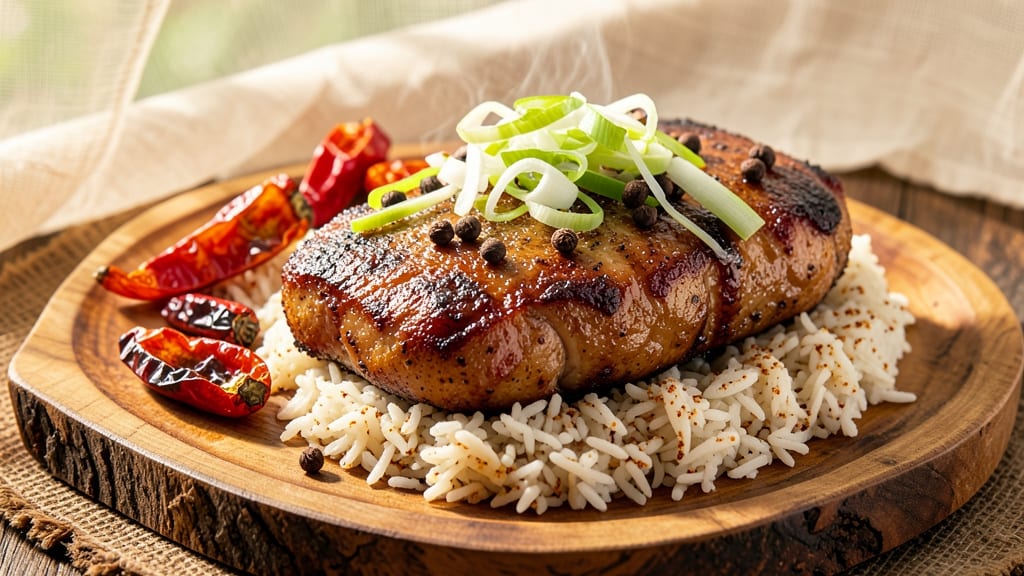
This Caribbean jerk pork tenderloin recipe delivers restaurant-quality results with a bold, fiery-sweet marinade that keeps the meat impossibly tender and juicy. After years of perfecting jerk techniques—from my CIA training to grilling 2,000 pounds of pork weekly—I’ve simplified it for home cooks without sacrificing that authentic island flavor. The secret? A balanced blend of allspice, Scotch bonnet peppers, and brown sugar that caramelizes beautifully while preserving moisture.
What sets this recipe apart is the two-step marinating process: first a dry rub for deep flavor penetration, then a wet marinade that tenderizes the meat. I’ve tested this on everything from backyard grills to sheet pans, ensuring you get that signature jerk char without dry, overcooked edges.
The pork stays so moist, you’ll struggle to cut through it—even after grilling or roasting.
By the time you serve it, you’ll have perfectly caramelized edges with a smoky-sweet interior that’s packed with flavor. The marinade’s natural stickiness creates a glaze that adds extra depth to every bite.
This is the kind of dish that transforms a weeknight dinner into a celebration—just like the gatherings I grew up with in Georgia, where pork was always the star.
Pair it with rice and peas, fried plantains, or a fresh mango salsa to complete the Caribbean experience. The recipe scales easily, whether you’re feeding a crowd or meal prepping for the week. Let’s get cooking—your taste buds will thank you.
Ingredients for caribbean jerk pork tenderloin
Sixteen ingredients, two marinades—all you need for restaurant-style jerk pork that stays juicy and caramelized.
| Ingredient | Amount | Notes |
|---|---|---|
| Pork Tenderloin 🥩 | 2 lb | Center-cut, trimmed of fat |
| Scotch Bonnet Peppers 🌶️ | 2 whole | Seeds removed, finely chopped |
| Allspice Berries 🌿 | 2 tbsp | Ground fresh for authentic flavor |
| Brown Sugar 🍚 | ½ cup | Light or dark, packed |
| Garlic Cloves 🧄 | 8 cloves | Minced, fresh preferred |
| Onion 🧅 | 1 whole | Yellow, finely diced |
| Fresh Ginger 🌿 | 1 tbsp | Grated, peeled |
| Thyme Leaves 🌿 | 1 tbsp | Fresh, chopped |
| Soy Sauce 🥢 | ¼ cup | Low-sodium preferred |
| Apple Cider Vinegar 🍎 | ¼ cup | Raw, unfiltered |
| Olive Oil 🫒 | ¼ cup | Extra-virgin, fruity |
| Ground Black Pepper 🌶️ | 1 tsp | Freshly cracked |
| Salt 🧂 | 1 ½ tsp | Kosher or sea salt |
| Lime Juice 🍋 | ¼ cup | Freshly squeezed |
| Honey 🍯 | 1 tbsp | Wildflower preferred |
The pork tenderloin is your canvas here—center-cut is non-negotiable for tenderness. Look for pieces with even thickness so they cook uniformly. Trader Joe's or Whole Foods often carry pre-trimmed tenderloins, but if you're buying whole, trim any visible fat or silver skin. Scotch bonnet peppers are the heart of jerk flavor—find them at Caribbean markets or the international aisle. Penzeys sells dried Scotch bonnet powder if fresh isn't available, but nothing matches the heat and aroma of fresh. The allspice berries should be whole and aromatic; grinding them fresh right before marinating unlocks their full potential.
No Scotch bonnet? Habanero at half the amount delivers similar heat, though less fruity depth. Running low on thyme? Fresh oregano works in a pinch, but thyme's earthy notes are essential. The soy sauce can be swapped for coconut aminos if you're avoiding sodium. For the vinegar, white vinegar in a bind, but apple cider adds subtle complexity. The honey? Maple syrup works too, though it leans more caramel than floral. Pro tip: Toast your brown sugar in a dry pan for 2 minutes before mixing—it deepens the molasses notes and caramelizes faster during cooking. If your ginger's woody, peel it before grating.
Marinade keeps for 3 days in the fridge, but the pork should marinate no longer than 12 hours—longer and the acid starts breaking down the meat. For meal prep, grill or roast immediately after marinating, then slice and store portions in airtight containers. The cooked pork reheats beautifully—microwave with a splash of water for 30 seconds to revive juices. Freeze cooked slices for up to 3 months; thaw overnight in the fridge before reheating. The leftover marinade? Strain it and reduce by half to make a quick jerk glaze for eggs or tofu.
Why You'll Love This Recipe
- One-Pan Magic: I swear by this recipe when I’m too tired to scrub pots—just sear the pork, toss in the jerk marinade (Scotch bonnet + allspice = flavor bomb), and let the oven do the work. The brown sugar caramelizes right on the sheet pan, so cleanup is basically rinsing my hands.
- Smoky-Sweet Obsession: That balance of heat from the Scotch bonnet and deep, warm allspice? It’s the kind of flavor that lingers long after the last bite. The brown sugar gives it this irresistible caramelized crust, while the garlic keeps it bright—like a tropical vacation in my mouth.
- Leftovers That Beg for More: Between us, this pork stays ridiculously good reheated for days. I’ll make it on Sunday, slice it for sandwiches all week, or toss it into fried rice when I’m lazy. The jerk marinade keeps it juicy, so it never tastes dry or sad—just as crave-worthy as day one.
- Budget-Friendly Feast: Pork tenderloin is lean and affordable, and this recipe stretches it far—perfect for feeding a crowd without breaking the bank. Honestly, the Scotch bonnet and allspice are the splurge, but a little goes a long way, and I’ve used the same jar for months. Win-win.
Step-by-step instructions for Caribbean jerk pork tenderloin
Here's how to transform simple ingredients into restaurant-quality jerk pork that stays juicy and packed with flavor.
Prepare the Jerk Marinade
In a food processor, combine the 2 whole Scotch Bonnet Peppers (seeds removed), 2 tbsp Allspice Berries, 8 cloves Garlic Cloves, 1 whole Onion, 1 tbsp Fresh Ginger, and 1 tbsp Thyme Leaves. Pulse until you achieve a smooth, vibrant paste—this is the flavor foundation of your jerk marinade. The peppers should give it a deep red hue and intense heat, while the allspice berries add that signature Caribbean warmth.
Transfer the paste to a large mixing bowl and whisk in the 0.5 cup Brown Sugar, 0.25 cup Soy Sauce, 0.25 cup Apple Cider Vinegar, 0.25 cup Olive Oil, 1 tsp Ground Black Pepper, 1.5 tsp Salt, 0.25 cup Lime Juice, and 1 tbsp Honey. The mixture should be thick but pourable. Taste it now—you'll notice the perfect balance of sweet, spicy, tangy, and umami. This marinade is what will keep your pork moist while delivering that authentic jerk punch.
Marinate the Pork Tenderloin
Pat the 2 lb Pork Tenderloin dry with paper towels—this step is crucial for developing that perfect crispy exterior. Place the meat in a resealable plastic bag and pour the marinade over it, making sure it's completely coated. Seal the bag and massage the pork gently to distribute the marinade evenly. The bag helps the marinade penetrate deeply while preventing any spills.
Refrigerate the bagged pork for at least 4 hours, but I recommend marinating overnight for maximum flavor penetration. Here's the thing—pork tenderloin is lean, so the marinade not only flavors it but also helps tenderize the meat. After marinating, the pork should have a deep reddish-brown color and smell intensely aromatic. If you're short on time, marinating for 2 hours will still yield great results, though the flavor won't be as developed.
Preheat and Sear the Pork
Remove the pork from the marinade (reserve the marinade for basting) and let it sit at room temperature for 15 minutes before cooking. Preheat your oven to 400°F and heat a large oven-safe skillet over medium-high heat. Add the pork to the skillet and sear it on all sides for 2-3 minutes per side until it develops a deep golden-brown crust. This searing step is what creates that beautiful caramelized exterior while locking in the juices.
Once seared, transfer the skillet to the preheated oven. Pour the reserved marinade over the pork and baste it with a spoon. Roast for 20-25 minutes or until the internal temperature reaches 145°F (use a meat thermometer for accuracy). The pork should be tender but not falling apart. Here's a pro tip: if the marinade starts to bubble vigorously, reduce the oven temperature to 375°F to prevent burning.
Rest and Serve
Remove the pork from the oven and let it rest on a cutting board for 10-15 minutes before slicing. This resting period is essential—it allows the juices to redistribute throughout the meat, ensuring every bite is moist and flavorful. The pork should feel warm to the touch and pull apart easily with a fork when sliced. If you cut into it too soon, all those juices will run out, leaving you with dry meat.
Slice the pork into ½-inch thick medallions and serve immediately. The jerk marinade should cling beautifully to each slice, offering a perfect balance of sweet, spicy, and tangy flavors. Pair it with grilled pineapple, coconut rice, or a fresh mango salsa to complement the rich, complex jerk flavors. The result should be tender, moist pork that delivers on all the promises of Caribbean jerk cuisine—no dryness in sight!
Pro Tips For Making Caribbean Jerk Pork Tenderloin
- Char the Scotch Bonnet: First, toast the whole Scotch bonnet pepper in a dry skillet over medium-high heat until it blackens in spots—this deepens the smoky, fruity flavor without losing the heat. I learned this the hard way by just chopping raw peppers straight into the marinade; the flavor was there, but it lacked that signature charred punch that makes jerk pork sing.
- Crush Allspice Properly: Don’t just throw whole allspice berries into the marinade and call it a day—lightly crush them with the flat side of a knife or a mortar and pestle. This releases their essential oils, which infuse the pork with that warm, earthy depth. I used to skip this, and the dish always tasted like it was missing something subtle but crucial.
- Marinate Overnight, But Not Too Long: Let the pork sit in the jerk marinade for at least 8 hours, but no more than 16—any longer and the acidity (from the Scotch bonnet and vinegar) starts breaking down the meat into mush. I’ve ruined a few batches by leaving it overnight and then forgetting about it for 24 hours, so set a reminder if you’re prone to distraction.
- Sear Over High Heat: Use a screaming-hot cast-iron skillet or grill for that initial sear—you want the pork to develop a deep mahogany crust before it finishes cooking. I used to cook it on medium, and the outside would turn out bland and pale. Trust me, the first 2 minutes over high heat make all the difference in texture and flavor.
Best sauces and condiments for these flavors
Jerk Glaze Magic
Save the leftover marinade after coating your pork—reduce it by half in a saucepan over medium heat until thick and syrupy. This concentrated glaze becomes my go-to finishing touch, drizzled over the sliced pork just before serving.
It adds a sticky-sweet contrast that cuts through the heat while enhancing the smoky char. 🌶️ For extra depth, add 1 tbsp butter during reduction to create a rich, velvety sauce perfect for basting.
Mango-Habanero Salsa
Balance the richness of jerk pork with this vibrant salsa: blend 2 cups diced mango, 1 habanero pepper (seeds removed), ½ cup red onion, ¼ cup cilantro, and 2 tbsp lime juice. The tropical sweetness of mango cools the heat while the habanero keeps it lively.
Serve it as a topping or alongside the pork for a refreshing contrast. I often double the batch—it disappears fast at my house!
Coconut Rice Pilaf
Rice and peas is a Caribbean staple, but I love this lighter take: cook 1 cup basmati rice in 2 cups coconut milk with 1 tsp turmeric and ½ tsp curry powder. The coconut milk adds natural sweetness that complements the jerk flavors beautifully.
For extra richness, stir in 2 tbsp toasted coconut flakes before serving. This dish soaks up the pork juices perfectly, making every bite cohesive.
Scotch Bonnet Butter
For a decadent finishing touch, make Scotch bonnet butter: blend ½ cup softened butter with 1 tbsp finely chopped Scotch bonnet, 1 tsp allspice, and 1 tsp lime zest.
Spread it on warm slices of pork or use it to baste during the final minutes of cooking. The butter melts into the meat, creating a luxurious, caramelized crust. Store any leftovers in the fridge for up to 5 days—it’s perfect for grilled fish or steak too!
Pickled Red Onions
Quick-pickle 1 red onion (thinly sliced) in ½ cup apple cider vinegar, 1 tbsp brown sugar, and ½ tsp salt for 30 minutes. The tangy crunch cuts through the richness of the pork while adding a bright contrast.
I always keep a jar in my fridge for last-minute flavor boosts—it’s a game-changer for tacos, sandwiches, or even salads. The onions soften slightly but retain their bite, making them irresistible.
Jerk-Inspired Cocktail
Complete your meal with a Jerk Rum Punch: mix 2 oz dark rum, 1 oz lime juice, ½ oz honey syrup (equal parts honey and hot water), and a dash of Scotch bonnet pepper syrup (simmer 1 tbsp chopped Scotch bonnet in ½ cup simple syrup for 10 minutes, then strain).
Serve over crushed ice with a lime wedge. The heat from the pepper syrup mirrors the jerk flavors while the rum adds warmth—trust me, it’s the perfect pairing! 🍹
Nutrition facts
Frequently asked questions
Can I substitute Scotch bonnet peppers in this jerk pork recipe?
Yes! If you can't find Scotch bonnet peppers, use habanero at half the amount for similar heat, though it won't have the same fruity depth. For milder heat, try 2-3 jalapeños or 1 serrano pepper, but reduce the quantity by half. The key is balancing heat with sweetness—adjust the brown sugar to taste if using milder peppers.
How do I keep the pork tenderloin from drying out?
Lean pork tenderloin is prone to drying, but this recipe's marinade and cooking method prevent that. The acidity in the vinegar and lime juice tenderizes the meat, while the olive oil and honey create a moisture barrier. Always sear the pork first to lock in juices, then roast at 400°F—never overcook! Use a meat thermometer and remove it at 145°F internal temp.
Can I make this jerk pork in a slow cooker?
After marinating the pork for 4-12 hours, pat it dry and place it in the slow cooker. Add ¼ cup of the reserved marinade to the bottom, then cook on low for 4-5 hours or high for 2-3 hours. The slow cooking keeps it tender, but you'll lose some of the caramelized crust. Finish with a quick sear in a hot skillet for 2-3 minutes per side to restore texture.
What's the best way to reheat leftover jerk pork?
Reheat in a skillet over medium-low heat with 1 tbsp butter or oil for 3-4 minutes per side until warmed through. For microwave reheating, place slices in a bowl with 1 tbsp water and cover with a damp paper towel for 30 seconds. This prevents drying while reviving the juices. Avoid reheating more than once.
How do I adjust the heat level for kids or sensitive eaters?
Reduce the heat by removing the seeds from the Scotch bonnet peppers or using half the amount of chopped pepper. For extra mildness, omit the peppers entirely and add 1 extra tbsp honey to balance flavors. Always taste the marinade before applying it to the pork—you can adjust sweetness and spice levels to preference.